Contact Dermatitis Hand Sanitizer: Causes & Treatment

Share
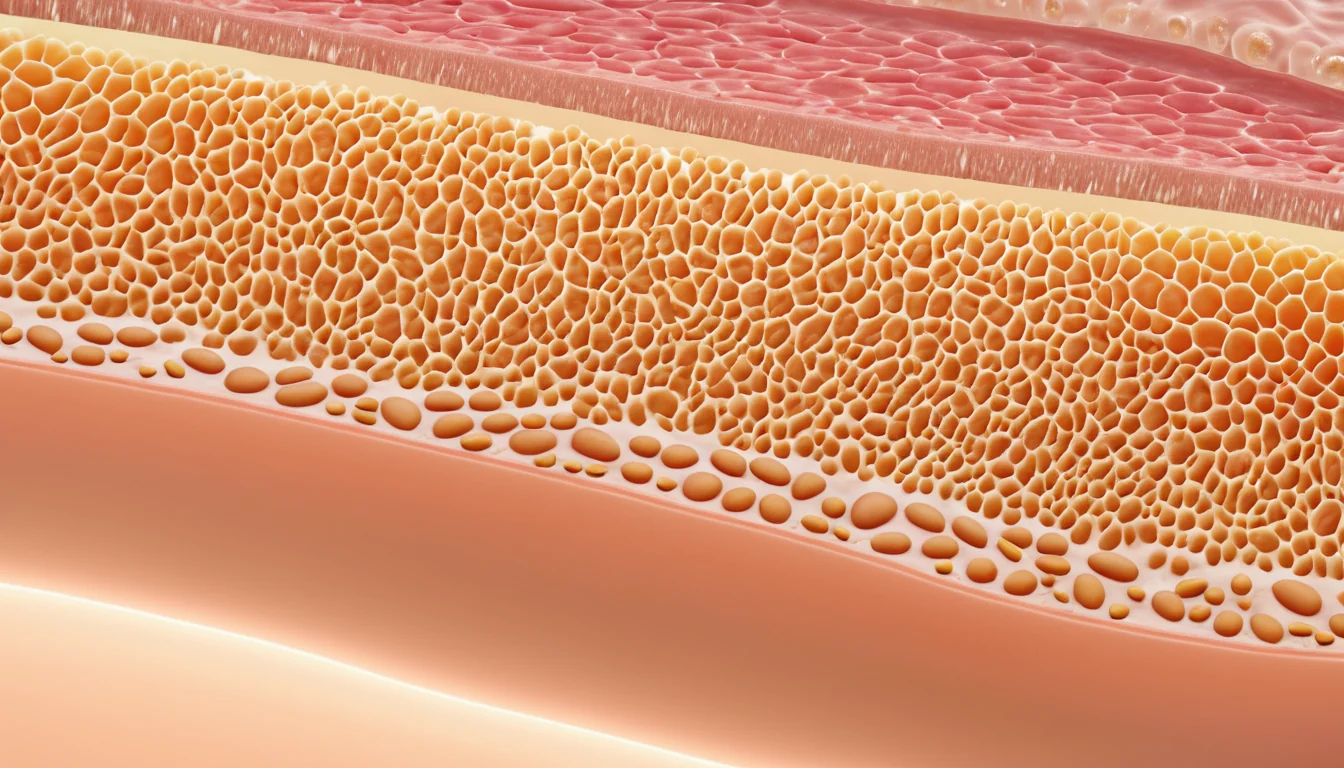
Contact dermatitis from hand sanitizer is a growing skin concern that affects thousands of Canadians every year. While alcohol-based sanitizers remain essential for stopping the spread of germs, frequent or improper use can trigger uncomfortable redness, dryness, blistering, and painful rashes on your hands.
Contact Dermatitis from Hand Sanitizer: Signs and Symptoms
Understanding why a hand sanitizer skin reaction happens is the first step toward protecting yourself. In this guide, we explain exactly what these reactions look like, the two main types of dermatitis caused by disinfectants, and the practical steps Canadian dermatologists recommend to keep your skin healthy without sacrificing hygiene.
What Are Disinfectants?
| Type | Characteristics | Common Triggers in Hand Sanitizers | Management |
|---|---|---|---|
| Irritant Contact Dermatitis (ICD) | Redness, dryness, cracking, and burning sensation; most common type; symptoms appear quickly after repeated exposure | Ethanol or isopropyl alcohol (60–95% concentration), frequent application | Reduce sanitizer frequency, apply fragrance-free moisturizer after use, use soap and water when possible |
| Allergic Contact Dermatitis (ACD) | Itching, blistering, swelling, and oozing rash; delayed reaction (24–72 hours); can worsen with each exposure | Fragrances, preservatives (e.g., benzalkonium chloride), aloe vera, tocopherol (vitamin E) | Identify and avoid allergen, patch testing by a dermatologist, topical corticosteroids as prescribed |
| Cumulative Irritant Dermatitis | Gradual skin barrier breakdown over weeks or months; scaling, thickening, and persistent dryness | Repeated daily use of alcohol-based formulas, especially in healthcare settings | Emollient-rich hand cream (Health Canada–approved), barrier creams, scheduled skin care routine |
| Photocontact Dermatitis | Rash or hyperpigmentation in sun-exposed areas after applying sanitizer outdoors; less common | Certain fragrance compounds (e.g., musk, citrus-derived ingredients), UV exposure | Avoid sun exposure immediately after application, choose fragrance-free and dye-free formulas |
| Contact Urticaria | Immediate hives, welts, or localized swelling within minutes of contact; may indicate latex or ingredient allergy | Natural rubber latex (in some dispensers), specific preservatives or botanical additives | Discontinue use immediately, consult an allergist, carry antihistamines if reaction is recurrent |
Disinfectants are products designed to destroy harmful microorganisms on surfaces, clothing, and skin. They help stop contagious diseases from spreading in busy public spaces, workplaces, and healthcare settings.
Skin disinfectants — like hand sanitizing gels and liquids — target the pathogens your hands pick up from touching contaminated objects. Health experts widely recommend them as a practical way to reduce the spread of infections.
However, not all disinfectants are the same. Understanding the types available helps you make safer choices for your skin.
Types of Disinfectants
Disinfectants generally fall into three main categories: alcohol-based, aldehyde-based, and phenol-based products. For skin use, alcohol-based sanitizers are by far the most common.
Dermatologists recommend using alcohol-based hand sanitizers with a concentration between 60% and 70% alcohol. Products in this range kill pathogens effectively without unnecessarily harsh effects on your skin.
Experts also advise that skin sanitizers should not contain biocidal additives and should never be applied to the face. Face skin is thinner and more sensitive, making it much more prone to irritation and allergic reactions.
For more guidance on choosing safe hand hygiene products, visit Health Canada’s hand sanitizer safety guidance.
Why Do We Use Disinfectants?
Your hands touch hundreds of surfaces every day — door handles, shopping carts, phones, and more. Each contact is an opportunity to pick up bacteria, viruses, or fungi that can make you ill.
When you then touch your face or handle food without cleaning your hands, those pathogens can enter your body. This is how many common infections spread.
Washing with soap and water remains the gold standard for hand hygiene. However, when soap and water are not available, a hand sanitizer is a convenient and effective backup.
The key word here is balance. Using disinfectants occasionally and correctly is beneficial. Overusing them is where skin problems begin.
Contact Dermatitis from Hand Sanitizer: Signs and Symptoms
Contact dermatitis from hand sanitizer develops when repeated or excessive exposure irritates or sensitises your skin. Symptoms can appear within 24 to 48 hours of exposure.
Early Warning Signs
The first signs are usually redness and a warm, burning sensation on the skin. You may also notice swelling or puffiness around the affected area.
Itching is another early sign. It can range from mild and annoying to intense and disruptive, especially at night.
More Severe Skin Reactions
As the reaction progresses, your skin may become very dry, tight, and rough. Cracking and flaking of the outer skin layer are common as moisture is stripped away.
In more serious cases, small fluid-filled blisters can form. These blisters may break open, leaving raw, tender skin exposed. Crusting can develop as the skin tries to heal.
Deep cracks or fissures in the skin are particularly concerning. They break down the skin’s natural protective barrier, making it easier for bacteria to enter.
Risk of Secondary Infection
A damaged skin barrier is a gateway for harmful bacteria like Staphylococcus and Streptococcus. These bacteria can cause secondary skin infections that require medical treatment.
In more serious situations, bacteria can enter the bloodstream. This can lead to fever, chills, fatigue, and a general feeling of being unwell — signs that require immediate medical attention.
For a detailed overview of contact dermatitis symptoms and causes, the Mayo Clinic’s contact dermatitis resource is an excellent reference.
How Overuse of Disinfectants Harms Your Skin
Alcohol-based sanitizers work by dissolving the outer lipid layer of pathogens. Unfortunately, they can also dissolve the natural oils your skin needs to stay healthy and moisturised.
With repeated use, the skin’s protective barrier weakens. This is sometimes called barrier dysfunction. Once the barrier is compromised, even mild products can cause irritation.
Antibacterial soaps can cause similar problems. Harsh soaps strip away natural skin oils with every wash, leading to the same cycle of dryness, cracking, and inflammation.
Furthermore, overusing disinfectants carries another risk beyond skin health. Just as antibiotics can lead to resistant bacteria when overused, some research suggests that excessive disinfectant use may contribute to microbial resistance over time. The World Health Organization’s antimicrobial resistance information explains this concern in detail.
Two Types of Contact Dermatitis
It helps to understand that contact dermatitis actually comes in two forms. Both can be triggered by disinfectants and sanitizers.
Irritant Contact Dermatitis
This is the most common type. It happens when a substance physically damages the outer layer of skin through repeated or prolonged exposure. Anyone can develop it — you do not need to have sensitive skin.
Irritant contact dermatitis from hand sanitizer is especially common among healthcare workers, teachers, and others who sanitize their hands many times a day.
Allergic Contact Dermatitis
This type involves the immune system. Your body identifies an ingredient in the sanitizer or disinfectant as a threat and launches an allergic response.
Fragrance additives, preservatives, and certain biocidal compounds are common triggers. The reaction may not appear on first exposure but can develop after repeated contact over days or weeks.
If you notice that your skin reacts every time you use a specific product, an allergy may be the cause. A dermatologist can perform a patch test to confirm this.
Protective Tips from Dermatologists
The good news is that you can protect your skin while still maintaining good hand hygiene. A few simple changes make a big difference.
Choose Gentler Products
Soap and water should always be your first choice for hand hygiene. You do not need antibacterial soap — regular soap used correctly is highly effective at removing germs.
If you have sensitive skin, look for fragrance-free, dye-free soaps labelled as gentle or moisturising. These cleanse effectively without stripping your skin’s natural oils.
Moisturise Regularly
Apply a fragrance-free, alcohol-free moisturiser after washing or sanitizing your hands. This helps restore the skin’s protective barrier between uses.
Look for moisturisers containing ingredients like glycerin, ceramides, or shea butter. These help lock in moisture and support skin repair.
Use Sanitizer Mindfully
Reserve hand sanitizer for situations where soap and water are not available. Avoid applying it to already broken, dry, or irritated skin — this will worsen the irritation.
Never apply disinfectants to your face or to open wounds. These areas are far more sensitive and at risk of a severe reaction.
Check Product Labels
Choose alcohol-based sanitizers within the recommended 60–70% alcohol concentration range. Avoid products with added fragrances, biocides, or unfamiliar chemical additives.
When to See a Doctor
Mild redness or dryness from hand sanitizer often improves on its own with proper moisturising and reduced use. However, some situations call for professional medical advice.
You should contact your family doctor or visit a walk-in clinic if you notice any of the following:
- Skin that is not improving after a few days of reduced sanitizer use
- Blisters that break open or show signs of infection
- Pus, increasing redness, or warmth spreading beyond the original rash
- Fever, chills, or feeling generally unwell alongside a skin reaction
- Severe itching or pain that disrupts your sleep or daily activities
A dermatologist can confirm whether you have irritant or allergic contact dermatitis and recommend appropriate treatment. This may include topical corticosteroid creams, barrier repair ointments, or antibiotics if a bacterial infection is present.
If your province’s health plan covers dermatology referrals, your family doctor can refer you. Many walk-in clinics across Canada can also assess and begin treatment for mild to moderate skin reactions without a referral.
Always consult a qualified healthcare provider before starting any new skin treatment. Self-diagnosing skin conditions can sometimes lead to using the wrong product, which may make things worse.
Frequently Asked Questions
Can hand sanitizer cause contact dermatitis?
Yes, contact dermatitis from hand sanitizer is a real and increasingly common condition. Frequent or excessive use strips the skin’s natural oils, weakening its protective barrier and triggering redness, dryness, and irritation. People who sanitize their hands many times a day are at the highest risk.
How long does it take for a hand sanitizer skin reaction to appear?
Symptoms of contact dermatitis from hand sanitizer typically appear within 24 to 48 hours of exposure. However, allergic contact dermatitis may take longer to develop, especially if it is your first time being sensitised to an ingredient. If symptoms persist beyond a few days, see a healthcare provider.
What does contact dermatitis from disinfectants look like?
Common signs include redness, swelling, dryness, itching, and a burning sensation on the skin. In more severe cases, blisters, cracking, crusting, and skin fissures can develop. If the skin becomes infected, you may also notice pus, increasing warmth, or spreading redness.
Is it safe to use hand sanitizer every day?
Using hand sanitizer daily is generally safe when it is used in moderation and paired with regular moisturising. Problems arise with overuse — for example, applying it dozens of times per day without replenishing your skin’s moisture. Whenever possible, washing with soap and water is the gentler and preferred option.
How do I treat contact dermatitis caused by hand sanitizer at home?
Reduce your use of sanitizer and switch to gentle, fragrance-free soap and water for hand hygiene. Apply a fragrance-free, alcohol-free moisturiser several times a day to help restore the skin barrier. If your symptoms do not improve within a few days, or if blisters or signs of infection appear, visit your family doctor or a walk-in clinic.
Can hand sanitizer cause an allergic reaction?
According to Health Canada guidelines on safe disinfectant use, this information is supported by current medical research.
For more information, read our guide on alcohol intolerance symptoms that may worsen skin reactions.
Yes, certain ingredients in hand sanitizers — such as fragrances, preservatives, and biocidal additives — can trigger an allergic skin reaction in some people. This is known as allergic contact dermatitis and involves an immune system response. A dermatologist can perform a patch test to identify exactly which ingredient is causing the problem.
Key Takeaways
- Contact dermatitis from hand sanitizer is a real risk, especially with frequent or excessive use.
- Symptoms include redness, itching, dryness, blistering, and skin cracking — usually appearing within 24 to 48 hours.
- There are two types: irritant contact dermatitis (from physical damage) and allergic contact dermatitis (from an immune response).
- Damaged skin can allow bacteria to enter, leading to secondary infections that may need antibiotic treatment.
- Soap and water remain the best first choice for hand hygiene — antibacterial soap is not necessary.
- Choose alcohol-based sanitizers at 60–70% concentration, free from fragrances and biocidal additives.
- Moisturise regularly to protect and restore your skin barrier.
- If your skin reaction is severe, worsening, or accompanied by signs of infection, contact your family doctor or visit a walk-in clinic covered by your provincial health plan.
Frequently Asked Questions
What is contact dermatitis from hand sanitizer?
Contact dermatitis from hand sanitizer is a skin reaction caused by repeated or prolonged exposure to sanitizer ingredients, most commonly alcohol, fragrances, or preservatives. It occurs in two forms: irritant contact dermatitis, triggered by skin barrier damage, or allergic contact dermatitis, an immune response to a specific ingredient.
What are the symptoms of contact dermatitis from hand sanitizer?
Symptoms include redness, dryness, itching, cracking, and a burning sensation on the hands. In allergic reactions, blistering, swelling, and oozing may also occur. Symptoms typically appear on the backs of hands and between fingers, worsening with repeated sanitizer use throughout the day.
How do you treat hand sanitizer contact dermatitis at home?
Apply a fragrance-free, hypoallergenic moisturizer immediately after sanitizer use to restore the skin barrier. Over-the-counter hydrocortisone 1% cream can reduce mild inflammation and itching. Switching to alcohol-free or fragrance-free sanitizer formulations and increasing hand washing with gentle soap may also relieve symptoms.
How can Canadians prevent contact dermatitis when using hand sanitizer regularly?
Choose hand sanitizers containing moisturizing agents like glycerin and free from fragrances and parabens. Apply a barrier cream or emollient before and after sanitizer use. Alternate between sanitizing and gentle handwashing when possible, and allow sanitizer to fully evaporate before touching your face or moisturizing.
When should you see a doctor for a hand sanitizer skin reaction?
See a doctor if symptoms persist beyond two weeks, worsen despite home treatment, or include severe blistering, swelling, or signs of infection like pus or fever. A Canadian dermatologist can perform patch testing to identify specific allergens and prescribe stronger corticosteroid creams or alternative therapies.

About the Author
Dr. Sarah Mitchell, MDDr. Sarah Mitchell is a board-certified family physician with over 15 years of clinical experience. She completed her MD at the University of Toronto and her residency at Toronto General Hospital. Dr. Mitchell specializes in preventive medicine and chronic disease management. She is a member of the College of Family Physicians of Canada (CFPC) and has published over 30 peer-reviewed articles on preventive health care.
View all articles →