
Summer Foods: Eat Light & Healthy This Season in Canada

Share
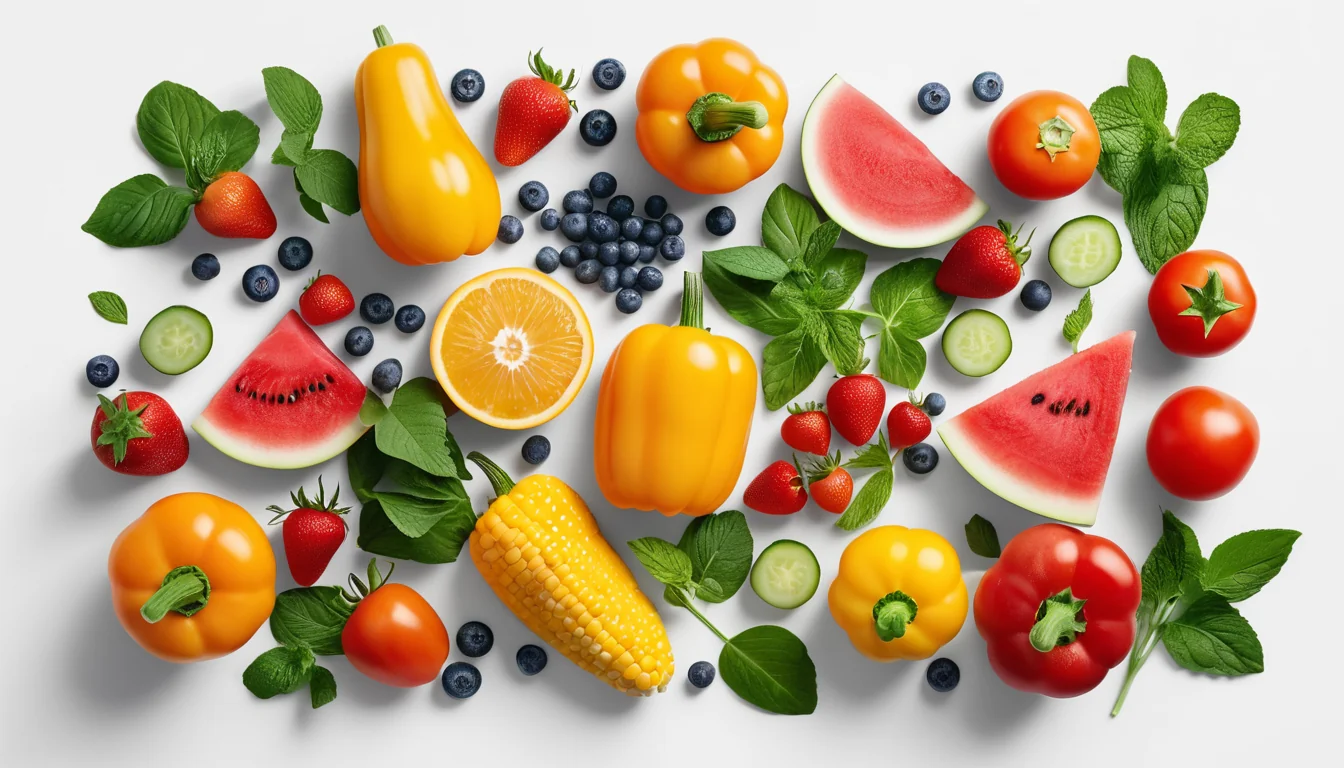
The best summer foods are not just delicious — they can help you lose weight, boost your energy, and protect your long-term health. When warm weather arrives across Canada, nature offers a bounty of fresh fruits and vegetables that make light, nutritious eating easier than ever. From juicy berries at your local farmers’ market to crisp leafy greens at the grocery store, the season is packed with options that taste great and nourish your body.
Top Summer Foods and Their Health Benefits for Canadians
Healthy summer eating in Canada does not require a strict or extreme diet. By focusing on fibre-rich fruits and vegetables that are widely available from June through September, you give your body the vitamins, minerals, and nutrients it needs to thrive. This article explores what to eat this summer, why fibre matters, and how simple daily choices can make a real difference for your short-term energy and long-term health.
Why Summer Is the Best Time to Eat Well
| Summer Food | Key Nutrients | Health Benefits | Serving Recommendation |
|---|---|---|---|
| Watermelon | Lycopene, Vitamin C, Potassium | Hydration support, antioxidant protection, heart health | 2 cups (300g) per day |
| Blueberries (BC/Ontario grown) | Anthocyanins, Vitamin K, Fibre | Cognitive function, reduced inflammation, blood sugar regulation | ½ cup (75g) per day |
| Grilled Salmon | Omega-3 fatty acids, Vitamin D, Protein | Cardiovascular health, bone strength, muscle maintenance | 75g cooked portion, 2–3 times per week |
| Cucumbers | Vitamin K, Silica, Water content (96%) | Hydration, skin health, digestive support | 1 medium cucumber per day |
| Corn on the Cob | Lutein, Zeaxanthin, B Vitamins, Fibre | Eye health, energy metabolism, gut health | 1 medium ear per serving |
| Tomatoes | Lycopene, Vitamin C, Folate | Cancer risk reduction, immune support, heart health | 1 medium tomato or ½ cup daily |
Summer naturally encourages lighter eating. Warmer temperatures often reduce our appetite for heavy meals, and fresh produce is widely available at local markets across Canada. This makes it much easier to build healthy habits without feeling deprived.
You do not need a strict or extreme diet to see results. Instead, focusing on a wide variety of fresh fruits and vegetables gives your body the vitamins, minerals, and fibre it needs to function at its best. The change can be gradual, enjoyable, and sustainable.
Health experts generally recommend eating at least four cups of fresh fruits and vegetables each day. In addition, three servings of low-fat or reduced-fat dairy products can round out a well-balanced summer diet. Together, these foods supply essential nutrients that support every system in your body.
The Power of Fibre-Rich Summer Foods
Fibre is one of the most important nutrients in a healthy summer diet. It helps you feel full longer, which means you are less likely to reach for a snack shortly after eating. This makes fibre a powerful tool for managing your weight naturally.
Many processed foods cause a quick spike in blood sugar, followed by a fast crash that leaves you feeling hungry again. High-fibre foods work differently. They slow down digestion, which keeps your blood sugar more stable throughout the day.
As a result, you feel satisfied for longer and have more consistent energy. This also makes it easier to avoid overeating at your next meal. Furthermore, a diet rich in fibre supports healthy digestion and can help relieve bloating and constipation.
How Much Fibre Do You Need?
According to Health Canada, most Canadian adults need between 21 and 38 grams of fibre per day, depending on age and sex. However, most Canadians do not reach this target. Summer is a great opportunity to close that gap.
Nutrition experts define a food as fibre-rich if it contains more than 5 grams of fibre per serving. Some of the best high-fibre fruits include oranges, apples, avocados, kiwi, mangoes, pears, and dried fruits like apricots, prunes, and raisins. For vegetables, broccoli, spinach, tomatoes, and most leafy greens are excellent choices.
Top Summer Foods and Their Health Benefits
Not all summer foods are equal when it comes to nutrition. Some stand out for their remarkable combination of vitamins, minerals, and disease-fighting compounds. Here are some of the best options to add to your plate this season.
Tomatoes and Peppers: Rich in Vitamin C and Lycopene
Tomatoes and peppers are two of the most nutritious summer foods you can eat. Both are packed with vitamin C, vitamin A, and a powerful antioxidant called lycopene. A single medium tomato has only about 35 calories, yet it delivers roughly 40 per cent of your daily vitamin C and 20 per cent of your daily vitamin A needs.
Lycopene is the pigment that gives tomatoes, watermelon, and red peppers their bright colour. Research suggests that lycopene may help reduce the risk of prostate cancer and certain digestive cancers. It is found in both fresh and processed tomatoes, so tomato sauce and canned tomatoes also count.
Some studies indicate that lycopene may also help prevent the oxidation of LDL cholesterol — the harmful type of cholesterol that can build up in artery walls. This buildup contributes to atherosclerosis, a condition linked to heart attacks and strokes. According to the Mayo Clinic, eating more antioxidant-rich foods is a practical way to support heart health over time.
In fact, some researchers believe lycopene may be one of the most potent antioxidants found in food, with effects significantly stronger than vitamin E. Adding tomatoes and peppers to your daily meals is a simple and tasty way to take advantage of these benefits.
Berries: Small but Mighty
Canadian summers are famous for fresh berries — strawberries, blueberries, raspberries, and blackberries are all widely available from June through August. These tiny fruits are loaded with antioxidants, vitamins, and fibre. They are also low in calories, which makes them ideal for weight management.
Blueberries in particular are well known for their high antioxidant content. Antioxidants protect your cells from damage caused by free radicals, which are linked to ageing and chronic disease. Adding a handful of berries to your morning yogurt or oatmeal is an easy way to start the day on the right foot.
Leafy Greens: Spinach, Kale, and Arugula
Leafy greens are among the most nutrient-dense foods available. Spinach and kale are rich in iron, calcium, folate, and vitamins K, A, and C. They are also very low in calories, so you can eat large portions without worrying about your waistline.
These vegetables are particularly valuable for Canadians who may not get enough iron or calcium from their diet alone. Adding spinach to a smoothie, a salad, or a pasta dish is an effortless way to boost your daily nutrient intake.
Yogurt: A Summer Staple for Gut Health
Low-fat and reduced-fat yogurt is one of the most recommended summer foods for good reason. It provides protein, calcium, and beneficial probiotics that support a healthy gut. A healthy digestive system plays a key role in immunity, mood, and overall wellbeing.
Greek yogurt, in particular, is higher in protein than regular yogurt. Protein helps keep you full and supports muscle maintenance, especially if you are more active during the summer months. Pair it with fresh berries or a drizzle of honey for a satisfying and nutritious snack.
How Summer Foods Support Long-Term Health
Eating well in the summer is not just about losing a few pounds before beach season. The nutrients found in fresh fruits and vegetables offer lasting protection against serious health conditions. The World Health Organization recommends eating at least 400 grams of fruits and vegetables per day to reduce the risk of chronic disease.
A diet rich in colourful produce has been linked to a lower risk of heart disease, stroke, type 2 diabetes, and certain cancers. The antioxidants and phytonutrients in these foods help reduce inflammation, protect cells, and slow the natural ageing process.
Furthermore, managing your cholesterol levels is easier when your diet includes plenty of fibre. Soluble fibre — found in oats, apples, and legumes — binds to cholesterol in the digestive tract and helps remove it from the body. This can lower your LDL cholesterol levels over time without medication.
Practical Tips for Eating More Summer Foods Every Day
Making healthy changes does not have to be complicated. Here are some simple ways to add more nutritious summer foods to your routine:
- Start your morning with a smoothie made from spinach, frozen berries, and low-fat yogurt.
- Swap chips and crackers for sliced peppers, cucumber, and cherry tomatoes with hummus.
- Add a large side salad to lunch and dinner using whatever leafy greens are on sale.
- Visit your local farmers’ market or grocery store weekly to take advantage of seasonal produce.
- Grill vegetables like zucchini, corn, and bell peppers alongside your protein at your next barbecue.
- Keep a bowl of fresh fruit on the counter so it is always within easy reach for a quick snack.
Small, consistent changes add up over time. You do not have to overhaul your entire diet overnight. Simply adding one or two extra servings of fruits or vegetables each day is a meaningful step forward.
When to See a Doctor
Changing your diet is generally safe for most healthy adults. However, if you have a chronic health condition such as diabetes, heart disease, or kidney disease, it is important to speak with a healthcare provider before making significant dietary changes. Certain foods can affect medications or medical conditions in ways that are not always obvious.
If you are unsure where to start, your family doctor is your best first resource. They can refer you to a registered dietitian who can build a personalised eating plan based on your health needs and goals. If you do not have a family doctor, a walk-in clinic can also connect you with appropriate resources through your provincial health plan.
Speak with a healthcare provider if you experience unexpected weight loss, persistent digestive problems, or any unusual symptoms after changing your diet. These could be signs of an underlying condition that needs attention.
What are the healthiest summer foods for weight loss?
The healthiest summer foods for weight loss include tomatoes, berries, leafy greens, cucumbers, and low-fat yogurt. These foods are low in calories but high in fibre, which helps you feel full longer. Combining them with regular physical activity gives you the best results.
Why is fibre important in a summer diet?
Fibre slows digestion and helps stabilise blood sugar levels, which keeps you feeling satisfied between meals. A high-fibre diet also supports healthy digestion, reduces bloating, and can help lower LDL cholesterol over time. Most Canadians do not get enough fibre daily, so summer produce is a great way to boost your intake.
What is lycopene and why is it good for you?
Lycopene is a natural antioxidant found in red and pink summer foods like tomatoes, watermelon, and red peppers. Research suggests it may help reduce the risk of prostate cancer and protect against LDL cholesterol oxidation, which is linked to heart disease. It is found in both fresh and cooked or processed tomatoes.
How many servings of fruits and vegetables should I eat each day?
Health Canada recommends that adults eat a variety of vegetables and fruits every day, aiming for roughly half of each meal to be filled with produce. The World Health Organization suggests at least 400 grams of fruits and vegetables daily to reduce the risk of chronic disease. Summer is an ideal time to meet and even exceed this goal.
Can eating more summer fruits and vegetables lower my cholesterol?
Yes, eating more fibre-rich summer foods like apples, pears, and leafy greens can help lower LDL cholesterol levels over time. Soluble fibre binds to cholesterol in the gut and helps remove it from the body before it enters the bloodstream. Always speak with your family doctor or a registered dietitian for personalised guidance on managing cholesterol.
Is it safe to change my diet on my own without seeing a doctor?
According to Canada’s Food Guide recommendations for fruits and vegetables, this information is supported by current medical research.
For more information, read our guide on food allergies symptoms and treatment in Canada.
For most healthy adults, adding more fruits and vegetables to your diet is safe and beneficial. However, if you have a medical condition or take regular medications, speak with your family doctor or visit a walk-in clinic before making major dietary changes. Your provincial health plan may also cover visits to a registered dietitian for personalised nutrition advice.
Key Takeaways
- Summer foods like tomatoes, berries, leafy greens, and yogurt offer powerful health benefits beyond just weight loss.
- Fibre-rich foods help control hunger, stabilise blood sugar, lower cholesterol, and support healthy digestion.
- A food is considered high in fibre if it contains more than 5 grams of fibre per serving.
- Lycopene, found in tomatoes and red peppers, may help reduce the risk of prostate cancer and heart disease.
- Aim for at least four cups of fresh produce daily, along with three servings of low-fat dairy.
- If you have a chronic health condition, speak with your family doctor or visit a walk-in clinic before changing your diet significantly.
- Small, consistent dietary improvements made during the summer can have lasting benefits for your long-term health.
Frequently Asked Questions
What are the healthiest summer foods to eat in Canada?
The healthiest summer foods include fresh berries, cucumbers, watermelon, tomatoes, grilled fish, and leafy greens. These options are hydrating, low in calories, and rich in vitamins and antioxidants. Canadian farmers’ markets offer excellent seasonal produce like Ontario peaches, BC cherries, and Quebec strawberries during peak summer months.
What summer foods help prevent heat exhaustion and dehydration?
Foods high in water content help prevent dehydration and heat exhaustion. Top choices include watermelon (92% water), cucumbers, celery, zucchini, and citrus fruits. Electrolyte-rich options like bananas and coconut water also help. Canadians should aim to eat these foods regularly during hot summer days alongside drinking 8–10 glasses of water.
How can eating light in summer improve your overall health?
Eating light in summer reduces digestive strain, supports healthy weight management, and boosts energy levels. Heavy meals raise body temperature during digestion, increasing discomfort in heat. Light meals rich in fruits, vegetables, and lean proteins keep the body cool, maintain stable blood sugar, and support immune function throughout the season.
Can summer foods cause food poisoning, and how can it be prevented?
Yes, summer foods like potato salad, grilled meats, and dairy-based dishes spoil quickly in heat, causing food poisoning. Prevent illness by refrigerating perishables within two hours, cooking meat to safe internal temperatures, and never leaving food in direct sun. Symptoms include nausea, vomiting, and diarrhea, typically appearing within 6–24 hours.
When should a Canadian see a doctor after eating summer foods that caused illness?
See a doctor immediately if food-related illness causes high fever above 38.5°C, bloody diarrhea, severe vomiting lasting more than 24 hours, signs of dehydration such as dizziness or no urination, or neurological symptoms. Vulnerable groups including young children, elderly individuals, and immunocompromised Canadians should seek medical care sooner.

About the Author
Dr. Sarah Mitchell, MDDr. Sarah Mitchell is a board-certified family physician with over 15 years of clinical experience. She completed her MD at the University of Toronto and her residency at Toronto General Hospital. Dr. Mitchell specializes in preventive medicine and chronic disease management. She is a member of the College of Family Physicians of Canada (CFPC) and has published over 30 peer-reviewed articles on preventive health care.
View all articles →