
Antioxidant Foods: Why Berries Are So Good for You

Share
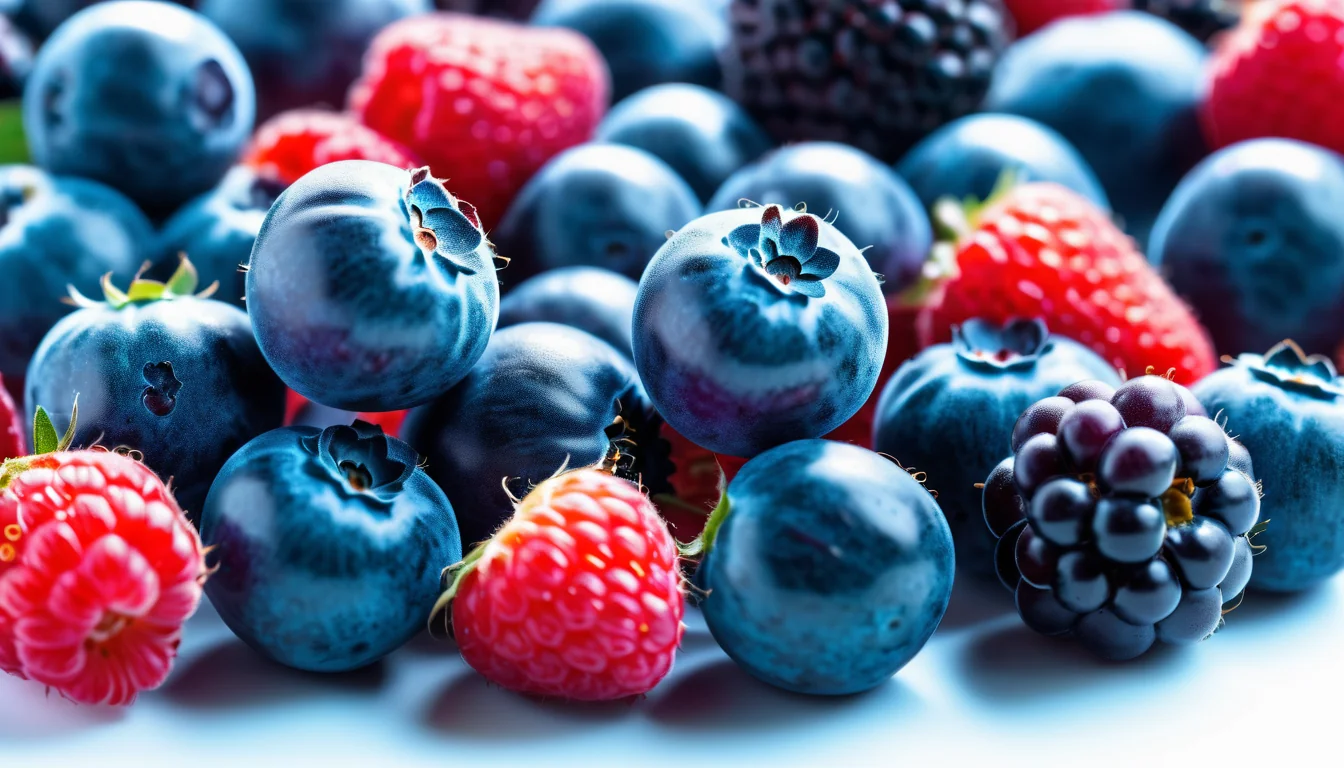
Antioxidant foods like blueberries, blackberries, raspberries, and strawberries are some of the most powerful and delicious things you can eat to protect your health. Research shows that just one cup of these berries can deliver a full day’s worth of disease-fighting antioxidants, making them an essential part of any Canadian diet.
The Top Antioxidant Foods You Should Know About
Berries high in antioxidants do more than just taste great. They contain natural compounds that shield your cells from damage, reduce inflammation, and may even slow down the aging process. Whether you’re picking up fresh berries at your local farmers’ market or grabbing a bag of frozen wild blueberries from the grocery store, adding these fruits to your everyday meals is one of the simplest steps Canadians can take toward better long-term health. In this article, we’ll explain what antioxidants are, why they matter, and how to easily get more of them into your diet.
What Are Antioxidants and Why Do They Matter?
| Berry Type | Key Antioxidants | Primary Health Benefits | Availability in Canada |
|---|---|---|---|
| Wild Blueberries | Anthocyanins, Vitamin C, Resveratrol | Supports brain health, reduces inflammation, lowers LDL cholesterol | Widely available fresh (June–August), frozen year-round; native to Eastern Canada |
| Saskatoon Berries | Anthocyanins, Quercetin, Vitamin E | Promotes heart health, supports immune function, anti-inflammatory properties | Fresh seasonally in Prairie provinces; frozen and dried nationwide |
| Strawberries | Vitamin C, Ellagic Acid, Kaempferol | Improves blood sugar regulation, supports skin health, reduces oxidative stress | Widely available fresh (May–July); frozen and fresh imports year-round |
| Raspberries | Ellagitannins, Vitamin C, Quercetin | May reduce cancer risk, supports gut health, anti-inflammatory effects | Fresh seasonally (July–September); frozen available year-round across Canada |
| Cranberries | Proanthocyanidins, Vitamin C, Ursolic Acid | Prevents urinary tract infections, supports heart health, antimicrobial properties | Fresh (October–November in Quebec and BC); juice and dried forms available year-round |
Antioxidants are natural compounds found mainly in fruits and vegetables. They help protect your cells from damage caused by harmful molecules called free radicals. Think of antioxidants as your body’s internal defence team.
Free radicals are unstable molecules that your body produces during normal processes like digestion and exercise. They also enter your body through pollution, cigarette smoke, and ultraviolet radiation. When free radicals build up, they can damage cells, trigger inflammation, and speed up aging.
The most important antioxidants include Vitamin C, Vitamin E, Vitamin A, and a group of plant compounds called polyphenols. These nutrients work together to neutralise free radicals before they cause harm. As a result, a diet rich in antioxidant foods helps your body stay healthier for longer.
How Free Radicals Damage Your Body
Free radicals can trigger a chain reaction of cell damage inside your body. It only takes one vulnerable cell for the process to spread. Over time, this damage builds up and can contribute to serious health conditions.
Scientists have linked high levels of free radicals to a wide range of diseases. These include heart disease, atherosclerosis, liver disease, Parkinson’s disease, and Alzheimer’s disease. Free radicals can also interact with your DNA, causing mutations that may lead to certain types of cancer.
However, it’s important to know that your body already has natural defences. Special enzymes help neutralise free radicals every day. The problem is that modern life — poor diet, stress, and pollution — can overwhelm these natural defences. That’s where antioxidant foods become so valuable.
The Link Between Free Radicals and Aging
Free radicals play a major role in how quickly your body ages. They damage collagen in your skin, weaken cell membranes, and slow down your body’s repair processes. Eating plenty of antioxidant-rich foods is one of the most effective ways to slow this process naturally.
In addition, ongoing cell damage caused by free radicals is connected to chronic inflammation. Chronic inflammation is now recognised as an underlying factor in many long-term conditions, including type 2 diabetes and cardiovascular disease. Protecting your cells early makes a real difference to your long-term health.
The Top Antioxidant Foods You Should Know About
Not all fruits and vegetables are equal when it comes to antioxidant content. Some stand out as true nutritional powerhouses. Nutrition researchers have put together a list of the top antioxidant-rich fruits, and the results are impressive.
The top 10 antioxidant-rich fruits include:
- Raisins — a concentrated source of antioxidants
- Blueberries — among the richest sources of polyphenols
- Cranberries — excellent for urinary tract health
- Blackcurrants — very high in Vitamin C
- Blackberries — rich in fibre and antioxidants
- Raspberries — high in ellagic acid, a powerful antioxidant
- Strawberries — a great source of Vitamin C
- Oranges — a classic Canadian favourite for Vitamin C
- Red grapes — contain resveratrol, linked to heart health
- Cherries — rich in anti-inflammatory compounds
For example, just 200 grams of strawberries contain over 100 mg of Vitamin C. That’s roughly the same amount as a large glass of freshly squeezed orange juice. Furthermore, eating the whole fruit — including the seeds and skin where safe — gives you even more fibre and phytochemicals.
Berries Are Nature’s Best Antioxidant Foods
Nutritionists widely agree that berries are the most important antioxidant foods in the plant kingdom. Their vibrant colours are actually a clue to their nutritional value. The pigments that give blueberries, blackberries, and raspberries their rich colour are themselves powerful antioxidant compounds called anthocyanins.
These compounds do much more than colour your fruit bowl. They help improve eyesight, boost alertness, and support memory and concentration. Studies also suggest they help your body fight urinary tract infections more effectively. Learn more about the proven health benefits of blueberries from Healthline.
Key Vitamins and Antioxidant Compounds Explained
Understanding the specific antioxidants in your food helps you make smarter choices at the grocery store or farmers’ market. Here are the main players and where to find them.
Vitamin C (ascorbic acid) is one of the most well-known antioxidants. It protects cells from oxidative stress and supports your immune system. You’ll find it in strawberries, kiwi, citrus fruits, and bell peppers.
Vitamin E (tocopherols and tocotrienols) protects cell membranes from damage. It works best when combined with Vitamin C. Good sources include nuts, seeds, and vegetable oils.
Polyphenols, including flavonoids and resveratrol, are a large family of plant-based antioxidants. They have strong anti-inflammatory and anti-cancer properties. Berries, red grapes, green tea, and dark chocolate are excellent sources.
Carotenoids such as beta-carotene give orange and yellow fruits their colour. Your body converts beta-carotene into Vitamin A, which supports eye health and your immune system. Carrots, sweet potatoes, and apricots are great choices.
According to Health Canada’s healthy eating guidelines, filling half your plate with vegetables and fruits at every meal is one of the best things you can do for your long-term health.
Simple Ways to Add More Antioxidant Foods to Your Diet
Eating more antioxidant foods doesn’t have to be complicated or expensive. Small, consistent changes to your daily meals make a big difference over time. Here are some easy ideas that work well for Canadian households.
- Add a handful of frozen blueberries or raspberries to your morning oatmeal or yogurt.
- Toss fresh or frozen berries into a smoothie with some spinach and a banana.
- Snack on a small bowl of mixed berries instead of processed snacks.
- Add strawberries or cranberries to your salads for a sweet, nutritious twist.
- Use raisins and dried cranberries in baking instead of chocolate chips.
- Keep frozen berries on hand year-round — they retain nearly all their antioxidant value when frozen.
Frozen berries are widely available across Canada, even in remote communities. They are affordable, convenient, and nutritionally comparable to fresh berries. Therefore, there’s no reason not to enjoy these antioxidant foods every single day, regardless of the season.
Should You Take Antioxidant Supplements?
Many health stores sell antioxidant supplements, and you may wonder if they’re worth taking. However, most nutrition experts agree that getting antioxidants from whole foods is far more effective. Whole fruits contain thousands of compounds that work together in ways that supplements cannot fully replicate.
That said, some Canadians may benefit from supplements in certain situations — for example, during illness or when access to fresh produce is limited. Always speak with your family doctor or a registered dietitian before starting any supplement routine. The Mayo Clinic explains the difference between food sources and supplements clearly.
When to See a Doctor
A healthy diet rich in antioxidant foods supports your overall health, but it is not a substitute for medical care. If you are experiencing ongoing fatigue, frequent infections, or other health concerns, it’s important to speak with a healthcare professional.
In Canada, you can book an appointment with your family doctor or visit a walk-in clinic if you don’t have a regular physician. Many provinces also offer telehealth services where you can speak with a nurse or doctor by phone or video at no cost. Your provincial health plan covers most of these visits.
If you have a chronic condition such as diabetes, heart disease, or cancer, always discuss major dietary changes with your healthcare provider before making them. They can help you build a safe and effective nutrition plan that works alongside your treatment.
Frequently Asked Questions About Antioxidant Foods
What are the best antioxidant foods to eat every day?
The best antioxidant foods to eat daily include blueberries, strawberries, raspberries, blackberries, and cranberries. Vegetables like spinach, kale, and broccoli are also excellent choices. Aim to include a variety of colourful fruits and vegetables in every meal for the best results.
Can antioxidant foods help prevent cancer?
Research suggests that antioxidant foods may help reduce the risk of certain cancers by protecting your DNA from free radical damage. However, no single food can prevent cancer on its own. A balanced diet, regular physical activity, and routine check-ups with your doctor are all important parts of cancer prevention.
Are frozen berries as healthy as fresh berries?
Yes, frozen berries retain nearly all of their antioxidant content and nutritional value. They are frozen shortly after harvest, which locks in their vitamins and polyphenols. For most Canadians, frozen berries are a practical and affordable way to enjoy antioxidant foods year-round.
How many servings of antioxidant-rich fruits should I eat per day?
Health Canada recommends eating at least 7 to 10 servings of fruits and vegetables daily for adults, depending on age and sex. Aiming for at least one cup of berries or other antioxidant foods per day is a great start. Variety is key — try to include different colours of produce throughout the day.
What are free radicals and why are they harmful?
Free radicals are unstable molecules that your body produces naturally, as well as absorbing from pollution and cigarette smoke. They damage cells, speed up aging, and have been linked to diseases like Alzheimer’s, heart disease, and cancer. Eating antioxidant foods helps neutralise free radicals before they cause lasting harm.
Do antioxidant supplements work as well as eating whole fruits?
According to Health Canada’s guide to vitamins and minerals, this information is supported by current medical research.
For more information, read our guide on hot chocolate is also surprisingly rich in antioxidants.
Most nutrition experts agree that whole antioxidant foods are more effective than supplements. Whole fruits contain thousands of natural compounds that work together in complex ways that supplements cannot fully replicate. If you are considering antioxidant supplements, speak with your family doctor or a registered dietitian first.
Key Takeaways
- Antioxidant foods — especially berries — protect your cells from free radical damage.
- Free radicals are linked to aging, inflammation, cancer, Alzheimer’s disease, and heart disease.
- The top antioxidant fruits include blueberries, cranberries, blackberries, raspberries, and strawberries.
- Key antioxidants include Vitamin C, Vitamin E, polyphenols, and carotenoids.
- Frozen berries are just as nutritious as fresh and are available across Canada year-round.
- Whole foods are more effective than supplements for getting your daily antioxidants.
- Always speak with your family doctor or visit a walk-in clinic if you have health concerns before making major dietary changes.
Frequently Asked Questions
What are antioxidant foods?
Antioxidant foods are foods rich in compounds like vitamins C and E, beta-carotene, and polyphenols that neutralize harmful free radicals in the body. Berries, leafy greens, nuts, and legumes are top sources. These foods help protect cells from oxidative stress, reducing the risk of chronic diseases including heart disease and cancer.
What are the signs of oxidative stress from a low-antioxidant diet?
Signs of oxidative stress include chronic fatigue, frequent infections, memory problems, muscle and joint pain, and premature skin aging. A diet consistently low in fruits and vegetables may increase cellular damage over time. These symptoms are non-specific, so consult a healthcare provider for proper evaluation before assuming oxidative stress is the cause.
Which antioxidant foods are best for Canadians to eat daily?
Top antioxidant foods easily available in Canada include blueberries, strawberries, raspberries, cranberries, broccoli, spinach, kidney beans, and walnuts. Wild blueberries, native to Canada, are particularly potent. Health Canada recommends filling half your plate with fruits and vegetables daily to ensure adequate antioxidant intake for long-term health protection.
Can eating berries regularly prevent chronic disease?
Regular berry consumption is associated with reduced risk of heart disease, type 2 diabetes, cognitive decline, and certain cancers. Berries contain anthocyanins and flavonoids that reduce inflammation and improve vascular health. While not a cure, incorporating berries into a balanced diet is a well-supported preventive health strategy recommended by Canadian dietitians.
When should you see a doctor about your diet and antioxidant intake?
See a doctor if you experience persistent fatigue, unexplained inflammation, frequent illness, or digestive issues that may relate to poor nutrition. A registered dietitian can assess your antioxidant intake and recommend dietary changes. Canadians with chronic conditions like diabetes or heart disease should seek professional guidance before making significant dietary modifications.

About the Author
Dr. James Okafor, MD, PhDDr. James Okafor holds an MD and PhD in Neurological Sciences from McGill University. With 12 years of experience in clinical neurology and mental health research, he has contributed to landmark studies on depression, anxiety, and cognitive health. Dr. Okafor is a Fellow of the Royal College of Physicians and Surgeons of Canada and serves on the editorial board of two peer-reviewed journals.
View all articles →