Meat and Legumes: Your Nutrition Guide for Canada

Share
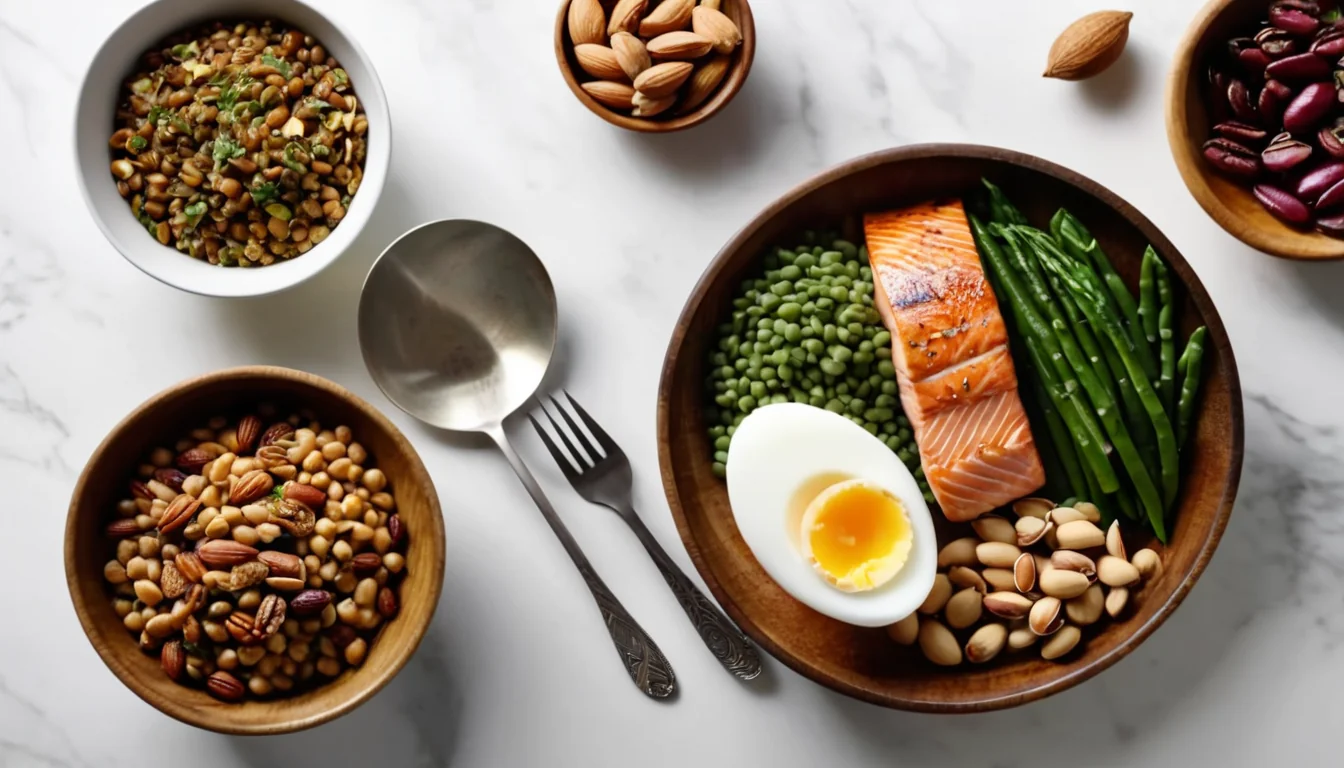
Meat and legumes are among the most important food groups for building a healthy diet, and understanding how to choose the best options can transform your overall well-being. This group includes everything from chicken and salmon to lentils, eggs, nuts, and tofu — all packed with the nutrients your body needs to thrive every day.
Why Meat and Legumes Matter for Your Health in Canada
For Canadians of all ages, selecting the right protein-rich foods in the right amounts can protect your heart, support strong muscles, and sustain your energy from morning to night. In this comprehensive guide, we break down exactly what to eat, how much you need based on Canada’s dietary recommendations, and why making smart choices within this food group matters for long-term health.
What Are Meat and Legumes?
| Protein Source | Key Nutritional Benefits | Health Considerations | Recommended Serving (Canada’s Food Guide) |
|---|---|---|---|
| Lean Beef | Complete protein (26g per 100g), rich in iron, zinc, and vitamin B12 | Higher in saturated fat; limit to 2–3 servings per week to reduce cardiovascular risk | 75g (2.5 oz) cooked, roughly the size of a deck of cards |
| Skinless Chicken Breast | High complete protein (31g per 100g), low saturated fat, good source of niacin and selenium | Safe preparation essential; internal temperature must reach 74°C (165°F) to prevent Salmonella | 75g (2.5 oz) cooked per serving |
| Lentils | 18g protein per cooked cup, high fibre (16g), folate, and iron; cholesterol-free | Incomplete protein; pair with grains for full amino acid profile; may cause gas in sensitive individuals | 175mL (¾ cup) cooked per serving |
| Black Beans | 15g protein per cooked cup, high in fibre, magnesium, and antioxidants; supports blood sugar control | Incomplete protein; soak dried beans thoroughly to reduce phytic acid and digestive discomfort | 175mL (¾ cup) cooked per serving |
| Canned Salmon (Wild Pacific) | Complete protein (25g per 100g), rich in omega-3 fatty acids, vitamin D, and calcium from bones | Monitor sodium in canned varieties; choose low-sodium options when managing blood pressure | 75g (2.5 oz) per serving; Health Canada recommends fatty fish at least twice weekly |
| Chickpeas | 15g protein per cooked cup, high fibre, iron, and folate; supports heart health and gut microbiome | Incomplete protein; individuals on blood thinners should monitor vitamin K intake from legume-rich diets | 175mL (¾ cup) cooked per serving |
Meat and legumes form one of the core food groups in healthy eating guidelines. This group covers a wide range of protein-rich foods that your body relies on every day.
Foods in this group include:
- All types of meat — beef, pork, lamb, chicken, and turkey
- Fish and seafood
- Eggs
- Dried beans, lentils, and peas
- Nuts and seeds
- Soy-based foods like tofu and tempeh
Dried peas and beans are unique. They belong to both the legumes group and the vegetable group. That makes them an especially valuable food to include in your meals.
Health Canada’s food guide explains how protein foods support a balanced diet. It is a great starting point if you want to learn more about building healthy meals.
Why Meat and Legumes Matter for Your Health
Protein foods do far more than just build muscle. They supply your body with iron, zinc, B vitamins, and healthy fats that keep your organs working properly.
However, not all choices in this group are equally healthy. Some options are high in saturated fat and sodium, which can raise your risk of heart disease over time. Therefore, knowing which foods to choose more often — and which to limit — makes a real difference.
The Benefits of Fish
Fish is one of the best choices in the meat and legumes group. Fatty fish like salmon, trout, and herring are rich in omega-3 fatty acids. These healthy fats have a protective effect on your heart and can help lower inflammation in the body.
Health experts encourage Canadians to eat fatty fish at least twice a week. Fresh, frozen, or canned options all count. If you buy canned fish, look for varieties packed in water rather than oil to keep the calorie count lower.
The Power of Nuts and Seeds
Nuts and seeds are an excellent source of healthy unsaturated fats, fibre, and vitamins. Sunflower seeds, almonds, and hazelnuts are among the richest sources of vitamin E in this entire food group. Vitamin E acts as an antioxidant, helping protect your cells from damage.
In addition, nuts and seeds make a convenient snack that requires no cooking or preparation. A small handful goes a long way toward meeting your daily nutrient needs.
Choosing the Healthiest Options in This Food Group
When it comes to meat and legumes, your choices within the group matter just as much as the group itself. Some simple swaps can significantly improve the quality of your diet.
Pick Lean Meats More Often
Lean cuts of meat contain less saturated fat and fewer calories than fattier cuts. Good lean options include skinless chicken breast, turkey, pork tenderloin, and lean ground beef. When you buy ground beef or ground turkey, look for options labelled “extra lean” on the package.
Skin-on poultry and higher-fat cuts like regular ground beef add extra saturated fat to your meal. This does not mean you can never enjoy them. However, making lean cuts your everyday choice is a smart habit.
Watch Out for Added Salt in Processed Meats
Processed meats like ham, sausages, hot dogs, and deli meats often contain high amounts of added sodium. Manufacturers also sometimes inject fresh chicken, turkey, and pork with salt solutions to improve appearance and shelf life.
Always check the nutrition label before you buy. Look for options with lower sodium content per serving. Health Canada recommends that Canadians limit their daily sodium intake to 2,300 mg or less. The Mayo Clinic offers helpful guidance on choosing healthier cuts of meat.
Be Careful with Cooking Methods
How you cook your food matters just as much as what you cook. Frying meat or eggs in butter or margarine adds significant amounts of fat and calories to your meal. Instead, try grilling, baking, steaming, or poaching your protein foods.
For example, a poached egg has far fewer calories than a fried egg cooked in butter. Similarly, baked salmon is a healthier choice than pan-fried salmon cooked in oil.
Organ Meats and Egg Yolks: A Note on Cholesterol
Liver and other organ meats are very high in cholesterol. Egg yolks are also a significant source of dietary cholesterol, although egg whites contain none. For most healthy people, eating eggs in moderation is fine. However, if your doctor has told you to watch your cholesterol levels, it is worth discussing how many eggs and how much organ meat fits into your personal plan.
How Much Should You Eat? Daily Serving Recommendations
The right amount of meat and legumes depends on your age, sex, and how active you are. One standard serving in this group equals about 28 grams of cooked meat, fish, or poultry — roughly the size of a small matchbox.
The following are general daily recommendations based on nutritional guidelines. These amounts are designed for people who do less than 30 minutes of moderate physical activity per day beyond their normal routine. More active individuals may need slightly larger amounts to meet their calorie needs.
- Children aged 2–3: approximately 2 servings per day
- Children aged 4–8: approximately 3 to 4 servings per day
- Girls aged 9–18: approximately 5 servings per day
- Boys aged 9–13: approximately 5 servings per day
- Boys aged 14–18: approximately 6 servings per day
- Women aged 19 and over: approximately 5 servings per day
- Men aged 19–50: approximately 6 servings per day
- Men aged 51 and over: approximately 5 servings per day
What Counts as One Serving?
It helps to know what one serving actually looks like on your plate. Here are some common examples:
- 28 grams of cooked meat, poultry, or fish (about the size of a large walnut)
- 1 whole egg
- 1 tablespoon of peanut butter or almond butter
- About 14 grams of nuts or seeds (a small handful)
- Approximately 200 grams of cooked beans or lentils (about three-quarters of a cup)
As a result, it is easier than you might think to reach your daily target. A serving of salmon at dinner, a boiled egg at breakfast, and a handful of almonds as a snack already adds up to three servings.
Meat and Legumes for Vegetarians and Plant-Based Eaters
You do not need to eat animal products to meet your protein needs from this food group. Plant-based sources of protein are widely available and affordable across Canada.
Vegetarians and vegans can get plenty of protein by eating a variety of plant-based options throughout the day. The key is variety. Combining different plant proteins helps ensure you get all the essential amino acids your body cannot make on its own.
Best Plant-Based Protein Sources
Here are some excellent plant-based options within the meat and legumes group:
- Legumes: lentils, chickpeas, black beans, kidney beans, and split peas
- Soy foods: tofu, tempeh, edamame, and soy milk
- Nuts and nut butters: almonds, cashews, peanuts, and peanut butter
- Seeds: sunflower seeds, pumpkin seeds, chia seeds, and hemp seeds
- Eggs: a complete protein source for ovo-vegetarians
Furthermore, legumes like lentils and chickpeas are budget-friendly and easy to find at any Canadian grocery store. Dried lentils in particular are one of the most affordable sources of protein available. Healthline explores the health benefits of legumes and why they deserve a place in your diet.
When to See a Doctor or Registered Dietitian
Most Canadians can improve their diet by following general healthy eating guidelines. However, some situations call for personalised advice from a health professional.
Talk to your family doctor or visit a walk-in clinic if you:
- Have been told you have high cholesterol, high blood pressure, or heart disease
- Are managing diabetes or prediabetes
- Are pregnant, breastfeeding, or planning a pregnancy
- Are raising a young child and have questions about appropriate serving sizes
- Are considering a significant dietary change, such as going vegan or vegetarian
- Have unexplained fatigue, weakness, or other symptoms that could be linked to nutrient deficiency
Your provincial health plan may cover visits to a registered dietitian. Ask your family doctor for a referral. Many walk-in clinics across Canada can also point you toward local nutrition resources and community health programmes. Always consult a healthcare professional before making major changes to your diet, especially if you have an existing health condition.
Frequently Asked Questions About Meat and Legumes
What is the healthiest meat to eat?
The healthiest meats are lean options with low saturated fat content. Skinless chicken breast, turkey, and fish — especially fatty fish like salmon and trout — are top choices within the meat and legumes food group. Limiting processed meats like sausages and deli meats is also recommended.
Are legumes a good source of protein?
Yes, legumes are an excellent source of plant-based protein. Foods like lentils, chickpeas, and black beans are rich in protein, fibre, and essential minerals. For vegetarians and vegans, legumes are one of the most important foods in the meat and legumes group.
How many servings of meat and legumes should I eat per day?
Daily recommendations vary based on age, sex, and activity level. Most adults need between 5 and 6 standard servings of meat and legumes per day. One serving equals about 28 grams of cooked meat, one egg, or a small handful of nuts.
Can I get enough protein without eating meat?
Absolutely. Plant-based foods like tofu, tempeh, beans, lentils, nuts, and seeds all belong to the meat and legumes food group and provide plenty of protein. Eating a variety of these foods throughout the day ensures you get all the essential amino acids your body needs.
Is it bad to eat eggs every day?
For most healthy people, eating one egg per day is considered safe and nutritious. Eggs are a convenient and affordable part of the meat and legumes group, providing high-quality protein and vitamins. However, if you have high cholesterol or heart disease, speak with your doctor about how many eggs are right for you.
Why is fish recommended over red meat?
According to Health Canada’s food guide on protein food choices, this information is supported by current medical research.
For more information, read our guide on food allergies symptoms and treatment in Canada.
Fish, especially fatty fish like salmon and herring, is rich in omega-3 fatty acids that support heart health. Unlike red meat, which can be high in saturated fat, fish provides healthy unsaturated fats. Health experts recommend eating fish at least twice a week as part of a balanced meat and legumes intake.
Key Takeaways
- Meat and legumes is a broad food group that includes meat, fish, eggs, beans, nuts, and seeds.
- Choose lean meats, fish, and plant-based proteins more often to protect your heart health.
- Fatty fish like salmon, trout, and herring are especially valuable for their omega-3 content.
- Nuts and seeds — particularly sunflower seeds, almonds, and hazelnuts — are among the richest sources of vitamin E.
- Check labels on processed and packaged meats for added sodium.
- Avoid frying in butter or margarine; try grilling, baking, or steaming instead.
- Vegetarians and vegans can meet their protein needs through a varied diet of legumes, soy foods, nuts, and seeds.
- Daily serving needs vary by age and activity level — most adults need 5 to 6 servings per day.
- Talk to your family doctor or a registered dietitian if you have specific health concerns or dietary questions.
Frequently Asked Questions
What are meat and legumes and why are they important for nutrition?
Meat and legumes are two major protein food groups essential for Canadian health. Meat provides complete proteins, iron, zinc, and B12, while legumes like lentils, chickpeas, and beans offer plant-based protein, fibre, and folate. Together, they support muscle growth, energy production, and overall metabolic function.
What are the symptoms of protein deficiency from not eating enough meat and legumes?
Protein deficiency symptoms include persistent fatigue, muscle weakness, slow wound healing, hair thinning, brittle nails, and frequent illness. Canadians following restrictive diets without adequate meat or legume substitutes are most at risk. Swelling in the legs and poor concentration may also occur in more severe cases.
How can Canadians use meat and legumes together for a balanced diet?
Combining meat and legumes maximizes nutritional benefits. Pair lean meats with lentils or black beans to boost fibre and reduce saturated fat intake. Canada’s Food Guide recommends filling half your plate with vegetables and splitting remaining portions between protein sources, making meat-legume combinations an ideal, cost-effective dietary strategy.
Can eating too much red meat cause health problems in Canada?
Yes, excessive red meat consumption is linked to increased risks of colorectal cancer, heart disease, and type 2 diabetes. Health Canada recommends limiting processed meats and choosing lean cuts. Replacing some red meat servings with legumes like lentils or chickpeas can significantly reduce these long-term health risks.
When should Canadians see a doctor about their meat and legume intake?
Consult a doctor or registered dietitian if you experience persistent fatigue, unexplained weight loss, digestive issues after eating legumes, or signs of iron deficiency like dizziness and pale skin. Individuals with kidney disease, gout, or food allergies should seek professional guidance before significantly changing protein sources.

About the Author
Dr. Sarah Mitchell, MDDr. Sarah Mitchell is a board-certified family physician with over 15 years of clinical experience. She completed her MD at the University of Toronto and her residency at Toronto General Hospital. Dr. Mitchell specializes in preventive medicine and chronic disease management. She is a member of the College of Family Physicians of Canada (CFPC) and has published over 30 peer-reviewed articles on preventive health care.
View all articles →