Pork Nutrition: Benefits, Risks & Safety Tips Canada

Share
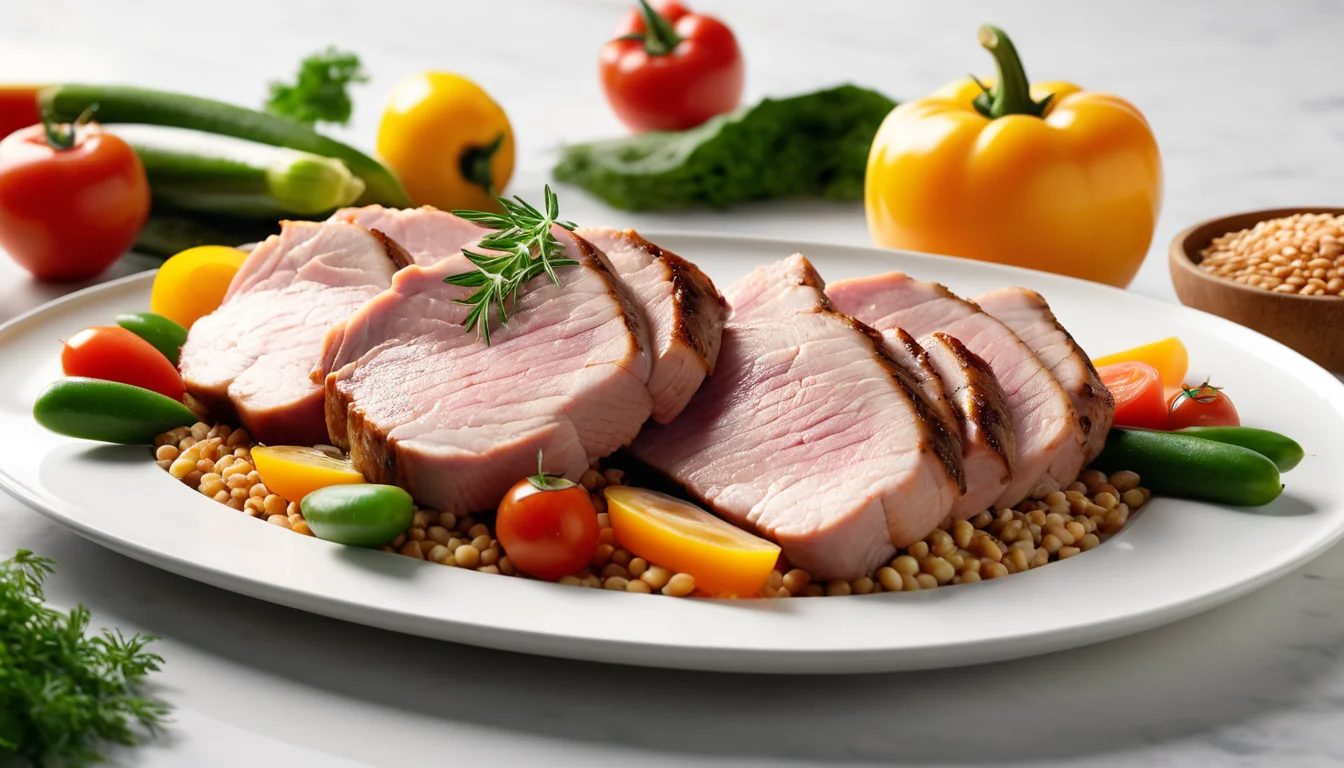
Pork nutrition is a topic that surprises many Canadians, yet understanding it is essential for making informed dietary decisions. As one of the most widely consumed meats worldwide, pork offers both genuine health benefits and real risks that deserve careful consideration before your next trip to the grocery store.
Pork Nutrition Facts: What Canadians Need to Know
For Canadian families looking to understand whether pork is healthy, the answer depends on how you choose, prepare, and cook it. Unprocessed lean pork is a nutrient-dense, affordable protein source packed with essential vitamins and minerals. Knowing the full picture of pork’s nutritional profile, potential health risks, and proper food safety practices empowers you to enjoy this versatile meat confidently and safely.
Pork Nutrition: What Does Pork Actually Offer?
| Risk Factor | Health Impact | Severity | Prevention |
|---|---|---|---|
| Undercooked Pork (below 71°C internal temp) | Risk of Trichinella spiralis infection causing muscle pain, fever, and gastrointestinal distress | High | Use a meat thermometer; Health Canada recommends cooking whole cuts to 71°C and ground pork to 74°C |
| High Sodium Processed Pork (bacon, ham, sausage) | Increased risk of hypertension, cardiovascular disease, and stroke | Moderate to High | Limit processed pork intake; choose fresh, lean cuts and check nutrition labels for sodium content |
| High Saturated Fat Content | Elevated LDL cholesterol levels, contributing to heart disease risk | Moderate | Choose lean cuts such as pork tenderloin or loin chops; trim visible fat before cooking |
| Nitrate/Nitrite Additives in Cured Pork | Associated with increased colorectal cancer risk with frequent long-term consumption | Moderate | Limit cured and processed pork products; opt for nitrate-free alternatives where available |
| Cross-Contamination During Handling | Spread of Salmonella or E. coli to other foods, causing foodborne illness | High | Use separate cutting boards for raw pork; wash hands thoroughly; follow Canadian Food Inspection Agency safe storage guidelines |
In its natural, unprocessed form, pork is a nutrient-dense food. It is low in sodium and packed with high-quality protein. For many Canadian families, it is an affordable and versatile protein source.
A 100-gram serving of lean pork delivers roughly half of an adult’s daily protein needs. Protein supports muscle repair, immune function, and overall energy levels. That makes pork a strong choice for active Canadians of all ages.
Vitamins and Minerals in Pork
Pork is rich in several important vitamins and minerals. These include iron, magnesium, phosphorus, potassium, and zinc. It also contains a range of B vitamins, including B6, B12, niacin, thiamine, and riboflavin.
B vitamins play a key role in brain health and energy metabolism. Furthermore, the iron and zinc found in pork are absorbed by the body more efficiently than those found in plant-based foods. This makes pork especially useful for people managing iron-deficiency anaemia.
Fat Content in Pork
The fat content of pork varies depending on the cut. Leaner cuts, such as pork tenderloin or loin chops, contain as little as 6 grams of fat per 100-gram serving. That is comparable to many cuts of chicken or beef.
Importantly, pork contains more unsaturated fat than saturated fat. Unsaturated fats are considered heart-friendly. In addition, pork contains conjugated linoleic acid (CLA), a fatty acid that some researchers link to reduced cancer risk and better cardiovascular health.
Pork Nutrition Benefits for Your Health
When eaten in moderate amounts, pork supports several areas of health. It provides steady energy, supports healthy skin, and contributes to good eye health. The nutrients in pork also benefit bone strength and nervous system function.
Iron and Anaemia
A 100-gram serving of pork provides about 15 percent of an adult’s daily iron needs. Health Canada recognizes iron as essential for carrying oxygen in the blood. For Canadians managing iron-deficiency anaemia, lean pork can be a helpful dietary addition.
However, always speak with your family doctor before making major changes to your diet for a medical condition. Your doctor can confirm whether dietary changes alone are enough or whether you also need supplementation.
Zinc for Immunity
A single 100-gram serving of pork covers about 30 percent of the daily recommended intake of zinc. Zinc is critical for immune function, wound healing, and cell growth. Research shows that people who avoid all meat are more likely to develop zinc deficiency.
Unlike zinc from plant sources, the zinc in pork is highly bioavailable. This means your body absorbs and uses it efficiently. Therefore, pork can be a practical way to meet your zinc needs without relying on supplements.
Antioxidants and Immune Support
Pork also contains essential antioxidants that help protect cells from damage. These antioxidants contribute to a stronger immune system. Consumed as part of a balanced diet, lean pork supports overall wellness rather than working against it.
Health Risks of Pork: What You Need to Know
Pork does carry real health risks, particularly when it is undercooked or improperly handled. The two most serious concerns are trichinosis and taeniasis, both caused by parasites that can live in pork. Understanding these risks helps you stay safe.
Trichinosis: The Main Risk of Undercooked Pork
Trichinosis is a parasitic illness caused by a tiny worm called Trichinella. This worm lives in the muscle tissue of pigs. When a person eats undercooked pork that contains the parasite, they can become infected.
Most trichinosis infections are mild and may cause no symptoms at all. However, serious infections can be dangerous. The Mayo Clinic notes that severe trichinosis can affect the heart and nervous system.
Common symptoms of trichinosis include:
- Diarrhoea, nausea, and stomach cramps in the first few days
- Headache, fever, and muscle pain as the infection progresses
- Eye swelling and cough in more advanced cases
In rare and severe cases, the parasites can enter the central nervous system. This can lead to serious neurological problems or, in extreme cases, death. Fortunately, proper cooking eliminates this risk entirely.
Taeniasis: Tapeworm Infection from Pork
Pigs can also carry Taenia solium, a type of tapeworm. Eating raw or undercooked pork infected with this parasite can cause a condition called taeniasis. This is a serious intestinal infection.
Symptoms of taeniasis include:
- Diffuse abdominal pain, especially in the upper abdomen
- Loss of appetite and unexplained weight loss
- Persistent headaches and nausea
- Vomiting in more severe cases
In serious cases, tapeworm larvae can travel to the brain and cause seizures. Intestinal blockage is another possible complication when the tapeworm grows very large. These risks are entirely preventable with proper food handling and thorough cooking.
Saturated Fat and Cholesterol Concerns
Fatty cuts of pork, such as belly or ribs, are high in saturated fat. Eating too much saturated fat raises LDL cholesterol levels. As a result, regularly eating high-fat pork cuts can increase the risk of heart disease over time.
However, choosing lean cuts and trimming visible fat before cooking reduces this risk significantly. The cut of pork you choose matters as much as how often you eat it.
Pork Nutrition and Food Safety: How to Cook Pork Safely
Safe preparation is the most important step when cooking pork. The good news is that simple kitchen habits eliminate virtually all parasite-related risks. You do not need to avoid pork entirely — you just need to cook it correctly.
The World Health Organization recommends thorough cooking as the primary prevention for tapeworm infection. Follow these practical tips every time you prepare pork:
- Cook pork to an internal temperature of at least 71°C (160°F). Use a meat thermometer to be sure.
- Trim visible fat from pork before cooking to reduce saturated fat intake.
- Choose healthier cooking methods such as roasting, grilling, broiling, or boiling instead of deep-frying.
- Freeze pork for at least 20 days at -15°C if you are concerned about parasites. Freezing kills Trichinella effectively.
- Stick to a 100-gram serving size as a reasonable portion for most adults.
- Wash hands and surfaces thoroughly after handling raw pork.
Following these steps makes pork a safe and nutritious part of your diet. Proper cooking is your best protection against foodborne illness.
When to See a Doctor
If you have eaten undercooked pork and develop symptoms like stomach pain, fever, muscle aches, or nausea within a few days, do not wait. Contact your family doctor or visit a walk-in clinic as soon as possible. Early treatment for parasitic infections is far more effective than delayed care.
Most provincial health plans in Canada cover visits to your family doctor and walk-in clinic. If you are unsure whether your symptoms are related to food, your doctor can order the right tests and guide your treatment. Never try to self-diagnose or self-treat a suspected parasitic infection.
You should also speak with your family doctor or a registered dietitian before adding pork to your diet if you have heart disease, high cholesterol, or iron-related conditions. A health professional can help you find the right balance for your personal situation.
Is pork healthy to eat regularly?
Lean pork can be a healthy part of a balanced diet when eaten in moderate amounts. Pork nutrition includes high-quality protein, B vitamins, zinc, and iron. Choosing lean cuts and healthy cooking methods keeps the risks low.
What temperature should pork be cooked to in Canada?
Health Canada recommends cooking whole cuts of pork to an internal temperature of at least 71°C (160°F). Ground pork should reach 74°C (165°F). Always use a meat thermometer to confirm the temperature rather than judging by colour alone.
What are the symptoms of trichinosis from pork?
Early symptoms of trichinosis include diarrhoea, nausea, and stomach cramps within the first few days of infection. As the illness progresses, you may develop fever, headache, and muscle pain. If you suspect trichinosis after eating undercooked pork, visit your family doctor or a walk-in clinic right away.
Is pork high in fat and bad for cholesterol?
Fatty pork cuts like bacon and ribs are high in saturated fat and can raise LDL cholesterol levels. However, lean cuts such as pork tenderloin are relatively low in fat and contain more unsaturated fat than saturated fat. Trimming visible fat and choosing lean cuts makes a significant difference for heart health.
Is pork a good source of protein compared to chicken or beef?
Yes, pork nutrition is comparable to chicken and beef in terms of protein content. A 100-gram serving of lean pork provides roughly half of an adult’s daily protein requirement. Lean pork is also a rich source of zinc and B vitamins, which are sometimes lower in other protein sources.
Can freezing pork kill parasites like Trichinella?
According to Health Canada’s guidelines on safe food handling and meat preparation, this information is supported by current medical research.
For more information, read our guide on food allergies and dietary risks in Canada.
Yes, freezing pork at -15°C for at least 20 days has been shown to kill the Trichinella parasite. However, freezing alone does not reliably kill all types of tapeworms, so thorough cooking remains the safest approach. Cooking pork to the recommended internal temperature is the most reliable way to ensure food safety.
Key Takeaways
- Pork nutrition is genuinely impressive. Lean pork is high in protein, B vitamins, zinc, and iron.
- Choose lean cuts. Tenderloin, loin chops, and centre-cut roasts are lower in saturated fat.
- Cook pork thoroughly. An internal temperature of 71°C (160°F) eliminates parasites like Trichinella.
- Trim the fat. Removing visible fat before cooking reduces saturated fat and calorie content significantly.
- Stick to reasonable portions. A 100-gram serving is a practical guide for most adults.
- See a doctor if you feel unwell after eating undercooked pork. Your family doctor or local walk-in clinic can assess symptoms quickly.
- Pork is not inherently dangerous. With proper preparation, it is a safe and nutritious protein choice for most Canadians.
Frequently Asked Questions
What is pork nutrition and is pork healthy to eat?
Pork nutrition refers to the vitamins, minerals, and macronutrients found in pork. It is a rich source of high-quality protein, B vitamins (especially B12 and B6), zinc, selenium, and iron. Lean cuts like tenderloin can be part of a healthy, balanced Canadian diet when consumed in moderation.
What are the health benefits of pork nutrition for Canadians?
Pork provides complete protein supporting muscle repair and growth, B vitamins essential for energy metabolism and nerve function, and key minerals like zinc and selenium that boost immunity. Lean pork cuts are lower in saturated fat, making them a nutritious alternative to other red meats within Health Canada’s dietary guidelines.
What are the symptoms of foodborne illness from undercooked pork?
Symptoms of pork-related foodborne illness, including trichinosis or salmonella, include nausea, vomiting, diarrhea, stomach cramps, fever, and muscle pain. Symptoms typically appear within 1–3 days of eating contaminated pork. Trichinosis may additionally cause swelling around the eyes and fatigue lasting several weeks.
How can you safely handle and cook pork to prevent food poisoning?
To prevent foodborne illness, cook pork to an internal temperature of 71°C (160°F) for ground pork and 63°C (145°F) for whole cuts, as recommended by the Canadian Food Inspection Agency. Always refrigerate raw pork below 4°C, avoid cross-contamination with other foods, and wash hands thoroughly before and after handling.
When should you see a doctor after eating pork?
Seek medical attention if you experience severe vomiting, persistent diarrhea lasting more than 48 hours, high fever above 38.5°C, bloody stools, or muscle swelling after eating pork. These may indicate serious infections like trichinosis or salmonellosis requiring antiparasitic or antibiotic treatment from a Canadian healthcare provider.

About the Author
Dr. Sarah Mitchell, MDDr. Sarah Mitchell is a board-certified family physician with over 15 years of clinical experience. She completed her MD at the University of Toronto and her residency at Toronto General Hospital. Dr. Mitchell specializes in preventive medicine and chronic disease management. She is a member of the College of Family Physicians of Canada (CFPC) and has published over 30 peer-reviewed articles on preventive health care.
View all articles →