
Lymphatic Detox: How to Support Your System (Canada)

Share
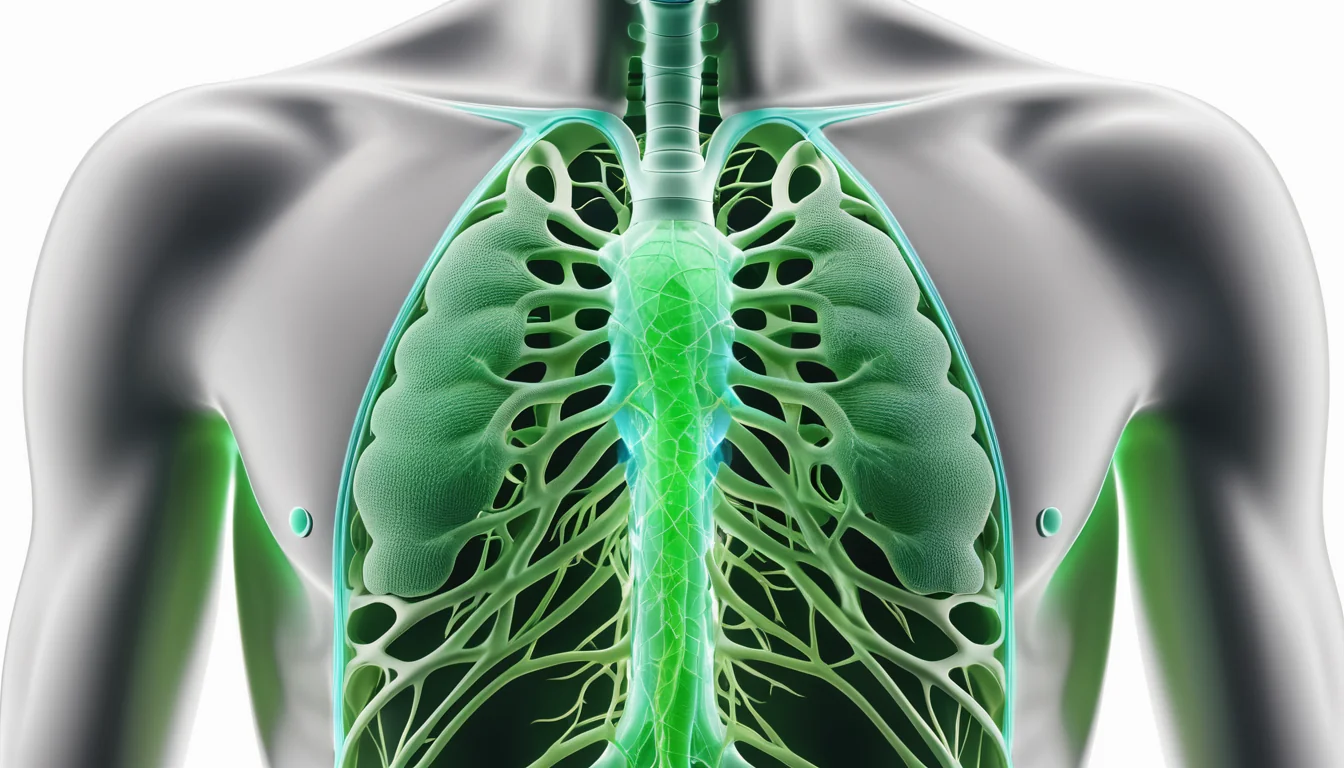
A lymphatic detox is one of the most overlooked yet effective ways to support your body’s natural defences and overall well-being. Your lymphatic system works silently every day, filtering waste, bacteria, and dead cells from your tissues. When this system functions properly, you feel energized, healthy, and resilient. But when it slows down, the effects can show up in surprising ways.
How Lymphatic Detox Supports Your Immune System
Many Canadians experience signs of a sluggish lymphatic system without realizing the root cause. Fatigue, swollen glands, puffiness, and frequent infections can all point to poor lymphatic drainage. The good news is that lymphatic drainage massage, targeted nutrition, and simple lifestyle changes can help restore flow and keep your immune system strong. This guide walks you through how the lymphatic system works and shares practical, evidence-based steps you can take at home across Canada to support it.
What Is the Lymphatic System?
| Symptom | Description | Severity Level | When to See a Doctor |
|---|---|---|---|
| Persistent Swelling (Edema) | Puffiness or swelling in the arms, legs, ankles, or face caused by fluid buildup in tissues | Moderate to Severe | If swelling is sudden, painful, or accompanied by redness or warmth, seek prompt medical attention |
| Chronic Fatigue | Ongoing tiredness not relieved by rest, often linked to reduced immune function and poor lymph circulation | Mild to Moderate | Consult a healthcare provider if fatigue persists beyond two weeks or interferes with daily activities |
| Frequent Infections | Recurring colds, sinus infections, or skin infections suggesting a compromised immune response | Moderate | See a physician if you experience more than four respiratory infections per year |
| Skin Changes | Dry, itchy, or thickened skin, discolouration, or a feeling of tightness, particularly in the limbs | Mild to Moderate | Seek evaluation if skin thickening or discolouration does not improve or worsens over time |
| Swollen Lymph Nodes | Tender or enlarged nodes in the neck, armpits, or groin indicating active immune activity or blockage | Moderate to Severe | Consult a doctor if nodes remain enlarged for more than two weeks or are hard and non-tender |
| Digestive Issues | Bloating, constipation, or abdominal discomfort linked to poor lymphatic drainage around the gut | Mild | Seek medical advice if symptoms are persistent, severe, or accompanied by unexplained weight loss |
The lymphatic system is a network of vessels, organs, and tissues that carries fluid and waste away from your cells. Think of it as your body’s internal drainage and filtration system. It includes your lymph nodes, bone marrow, tonsils, spleen, thymus, and certain areas of the intestine.
These organs work together to produce immune cells. Those cells then travel through your body in a fluid called lymph. The system filters out harmful bacteria, microorganisms, and cellular debris to keep you healthy. According to Healthline’s overview of the lymphatic system, this network plays a central role in your immune response.
How Lymph Fluid Moves Through Your Body
Unlike your blood, lymph fluid does not have a pump like the heart to move it. Instead, it relies on muscle movement and deep breathing to circulate. Your body carries roughly six to ten litres of lymph fluid at any given time.
This is why physical activity and breathing exercises matter so much. When you sit still for long periods, lymph flow slows down. As a result, toxins and waste can build up in the fluid, making it thicker and harder to move.
Signs Your Lymphatic System May Need Support
Many Canadians never think about their lymphatic system until something feels off. However, there are several common signs that your lymph flow may be sluggish or congested. Recognising these signs early can help you take action before symptoms worsen.
You may benefit from a lymphatic detox if you experience any of the following:
- Frequent colds, infections, or sinus problems
- Swollen lymph nodes in your neck, armpits, or groin
- Persistent fatigue or low energy
- Chronic stress or brain fog
- Skin issues or cellulite
- Unexplained weight gain or puffiness
- Allergies that flare up often
These symptoms can have many causes. Therefore, it is always a good idea to speak with your family doctor or visit a walk-in clinic before starting any new health programme.
How Lymphatic Detox Supports Your Immune System
A lymphatic detox helps your body clear out the waste and toxins that slow down your immune system. When lymph flow improves, your immune cells move more freely and respond faster to threats. This can mean fewer colds, better energy, and a greater sense of wellbeing.
The Health Canada wellness resources emphasise that lifestyle habits like regular movement, hydration, and a balanced diet are the foundation of a strong immune system. Supporting your lymphatic system fits naturally into that approach.
The Role of Hydration
Staying well hydrated is one of the simplest ways to support lymph flow. When you do not drink enough water, lymph fluid thickens and moves more slowly. Aim for at least eight glasses of water per day.
Herbal teas like dandelion root or chamomile are also gentle, hydrating options. These teas have traditionally been used to support liver and lymph function. However, more research is needed to confirm their full benefits.
Practical Ways to Support Lymphatic Detox at Home
You do not need expensive equipment or treatments to support your lymphatic system. Several simple, evidence-informed habits can make a real difference in your day-to-day life. Here are some of the most effective approaches.
Exercise and Movement
Physical activity is one of the best tools for improving lymph flow. Every time your muscles contract, they push lymph fluid through your vessels. Even a brisk 20-minute walk can get things moving.
Rebounding — bouncing on a small trampoline — is a popular home exercise for lymphatic support. The up-and-down movement creates a pumping action that encourages lymph circulation. It is a convenient option for Canadians who cannot always get to a gym, especially during long winters.
Deep Breathing Exercises
Deep, diaphragmatic breathing creates pressure changes in your chest that help move lymph fluid. Try inhaling slowly through your nose for four counts, holding for two, and exhaling through your mouth for six counts. Repeat this several times each morning.
This simple habit costs nothing and can be done anywhere. Furthermore, deep breathing also helps manage stress, which is another factor that can slow lymphatic function.
Lymphatic Drainage Massage
Lymphatic drainage massage is a gentle, specialised technique performed by a trained therapist. It uses light, rhythmic strokes to encourage lymph fluid to move toward the lymph nodes for filtering. Many physiotherapists and registered massage therapists across Canada offer this service.
Self-massage techniques are also available and can be learned with guidance from a healthcare professional. Always check with your family doctor before starting massage therapy, especially if you have a history of blood clots, infections, or certain cancers.
Dry Brushing
Dry brushing involves using a natural bristle brush on dry skin before a shower. You brush in long strokes toward your heart, following the direction of lymph flow. Many people find this invigorating and believe it helps stimulate surface lymph circulation.
While scientific evidence for dry brushing is limited, it is generally safe for most healthy adults. Start gently and avoid sensitive or broken skin.
A Simple Lymphatic Detox Nutrition Plan
What you eat and drink has a direct impact on your lymphatic system’s ability to function well. A short-term nutrition focus can give your body a chance to clear out built-up waste and support better lymph flow. This is not about extreme restriction — it is about choosing foods that are easy to process and rich in nutrients.
Fresh Juices and Whole Foods
For two to three days, focus your diet on fresh fruit and vegetable juices along with whole, unprocessed foods. This reduces the digestive burden on your body and provides concentrated vitamins and minerals. Aim for eight servings of 200 to 250 millilitres of fresh vegetable juice throughout the day.
Good vegetable choices for juicing include celery, carrots, cabbage, beets, spinach, and parsley. You can sweeten savoury blends with a small amount of green apple juice. For fruit juices, most fresh fruits work well — however, avoid citrus fruits during this plan, as they can be too cleansing and may irritate sensitive systems. Bananas are also best avoided due to their high starch content.
Morning Routine
Start each morning with a glass of warm water and the juice of half a lemon. This gentle habit helps stimulate digestion and supports your liver, which works closely with your lymphatic system. You can add a small amount of raw honey if you prefer a slightly sweeter taste.
Follow this with a fresh juice made from carrots, celery, parsley, and one small clove of garlic. Garlic has natural antimicrobial properties that may support immune function. According to Mayo Clinic’s guidance on herbal supplements, it is important to be mindful of interactions when using food as medicine.
What to Drink Between Juices
Between your juice servings, focus on plain water, dandelion tea, or chamomile tea. These beverages keep you hydrated without adding sugar or processed ingredients. Potassium-rich drinks like coconut water are also a good option in moderation.
Avoid packaged juices from the store during this plan. Commercial juices often contain added sugars and preservatives that work against your detox goals. Fresh, homemade juice is always the better choice.
Seeds for Digestive Support
Each morning, take a tablespoon of seeds — such as flaxseeds or psyllium husks — with a full glass of water. These support healthy bowel movements, which is essential during any detox programme. A healthy gut and a healthy lymphatic system are closely connected.
Good bowel function helps your body eliminate the waste that your lymphatic system has collected. Without it, toxins can recirculate and slow your progress. Make sure you are drinking enough water when you increase your fibre intake.
When to See a Doctor
A lymphatic detox can be a positive wellness choice for many people. However, certain symptoms always require medical attention and should not be managed with home remedies alone. Your health and safety come first.
See your family doctor or visit a walk-in clinic if you notice any of the following:
- Lymph nodes that stay swollen for more than two weeks
- Swelling that is painful, red, or feels hard
- Unexplained weight loss alongside swollen glands
- Fever, night sweats, or fatigue that does not improve
- Any new or unusual lumps under your skin
Most provincial health plans in Canada cover visits to a family doctor or walk-in clinic at no direct cost to you. If you do not have a family doctor, your province’s health line — such as Ontario’s Telehealth or BC’s HealthLink 811 — can help you find care. Always speak with a healthcare provider before beginning a new detox programme, especially if you are pregnant, have a chronic condition, or take prescription medications.
Frequently Asked Questions About Lymphatic Detox
What is a lymphatic detox and does it really work?
A lymphatic detox refers to lifestyle practices that support your lymphatic system’s natural ability to clear waste and toxins from your body. These practices include staying hydrated, exercising regularly, eating a clean diet, and using techniques like lymphatic massage. While more clinical research is needed, many people report feeling less bloated, more energetic, and generally better after focusing on lymphatic health.
How do I know if my lymphatic system is congested?
Common signs of sluggish lymph flow include swollen lymph nodes, persistent fatigue, frequent infections, puffiness, and skin problems. These symptoms can overlap with many other health conditions, so it is important not to self-diagnose. If you notice these signs regularly, speak with your family doctor to rule out any underlying causes.
What foods help with lymphatic detox?
Fresh vegetables like celery, beets, carrots, spinach, and parsley are excellent choices for supporting lymphatic health. Berries, green apples, and leafy greens are also highly beneficial. Staying well hydrated with water and herbal teas like dandelion or chamomile further supports healthy lymph flow throughout the day.
Is lymphatic drainage massage safe for everyone?
Lymphatic drainage massage is safe for most healthy adults when performed by a trained registered massage therapist or physiotherapist. However, it is not recommended for people with active infections, blood clots, congestive heart failure, or certain types of cancer. Always consult your doctor before starting lymphatic massage therapy, especially if you have any existing health conditions.
How long does a lymphatic detox take to show results?
Many people notice small improvements — such as reduced puffiness or better energy — within two to three days of starting a lymphatic detox plan. More significant and lasting benefits come from making consistent lifestyle changes over several weeks. Regular exercise, good hydration, and a nutrient-rich diet are the most reliable long-term strategies.
Can I do a lymphatic detox at home in Canada?
According to Mayo Clinic’s overview of lymphatic conditions and lymphedema, this information is supported by current medical research.
For more information, read our guide on spinach and other nutrient-rich foods that support lymphatic system health.
Yes, there are many safe and simple ways to support your lymphatic system from home. Daily walks, rebounding on a mini trampoline, deep breathing exercises, dry brushing, and drinking plenty of fresh water and herbal teas are all accessible options for Canadians. For more personalised guidance, consider speaking with a registered dietitian or naturopathic doctor covered under your provincial health plan or extended benefits.
Key Takeaways
- Your lymphatic system filters waste, supports immunity, and depends on movement and hydration to function well.
- A lymphatic detox focuses on habits that improve lymph flow, including exercise, deep breathing, hydration, and clean eating.
- Fresh vegetable and fruit juices, herbal teas, and fibre-rich seeds support the lymphatic system during a short-term nutrition plan.
- Lymphatic drainage massage, rebounding, and dry brushing are practical at-home tools for stimulating lymph circulation.
- Swollen lymph nodes that persist for more than two weeks, or any painful lumps, should always be assessed by a doctor.
- Canadians can access support through their family doctor, a local walk-in clinic, or their province’s health line at no direct cost.
- Always consult a healthcare provider before starting a detox programme, especially if you have a health condition or take medication.
Frequently Asked Questions
What is a lymphatic detox?
A lymphatic detox refers to lifestyle practices that support your lymphatic system’s natural ability to remove waste, toxins, and excess fluid from body tissues. This includes massage, hydration, exercise, and deep breathing. While the body detoxifies naturally, these habits can improve lymphatic circulation and overall immune function.
What are the signs your lymphatic system is not working properly?
Common signs of poor lymphatic function include persistent swelling in the arms or legs, frequent infections, chronic fatigue, brain fog, skin dryness, and swollen lymph nodes. In Canada, these symptoms are sometimes linked to conditions like lymphedema or autoimmune disorders and should be evaluated by a healthcare provider.
How do you do a lymphatic detox at home?
You can support lymphatic detox at home by staying well-hydrated, exercising regularly, practicing dry brushing, trying gentle self-massage, deep diaphragmatic breathing, and eating anti-inflammatory foods. Wearing compression garments and avoiding prolonged sitting also help stimulate lymph flow throughout the body.
Can lymphatic drainage massage help with swelling and detox?
Yes, lymphatic drainage massage is a gentle, specialized technique that encourages lymph fluid movement, reducing swelling and supporting the body’s natural detox process. It is commonly recommended in Canada for managing lymphedema, post-surgical recovery, and chronic inflammation. Always consult a certified therapist or physician before beginning treatment.
When should you see a doctor about lymphatic system problems?
See a doctor if you experience persistent or painful swelling, recurring infections, unexplained fatigue, or hardened lymph nodes that do not resolve within two to four weeks. In Canada, your family physician or a specialist can assess whether symptoms indicate lymphedema, infection, or a more serious underlying condition requiring medical treatment.

About the Author
Dr. Sarah Mitchell, MDDr. Sarah Mitchell is a board-certified family physician with over 15 years of clinical experience. She completed her MD at the University of Toronto and her residency at Toronto General Hospital. Dr. Mitchell specializes in preventive medicine and chronic disease management. She is a member of the College of Family Physicians of Canada (CFPC) and has published over 30 peer-reviewed articles on preventive health care.
View all articles →