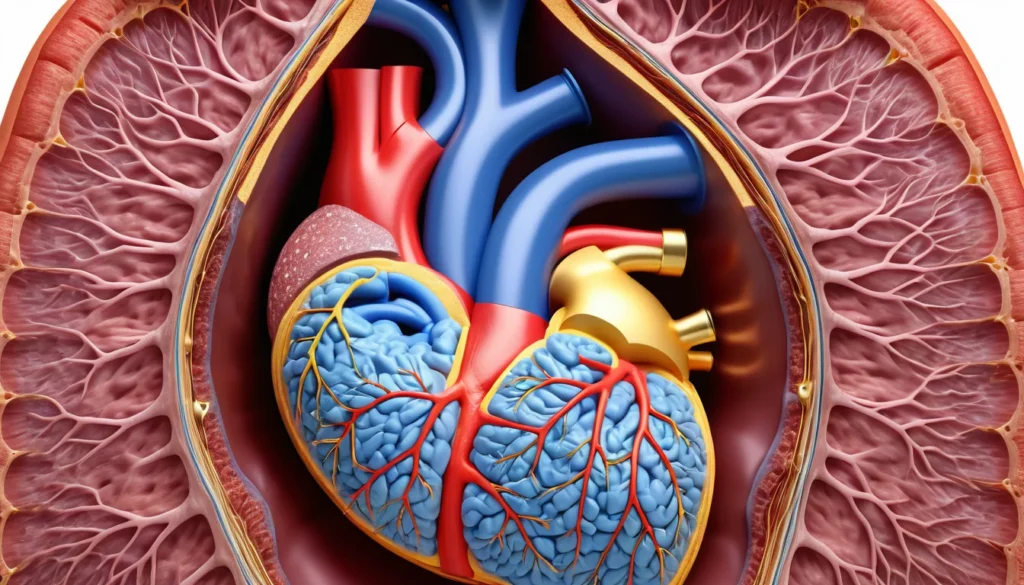
Potassium and heart health are closely linked, yet most Canadians fall short of getting enough of this essential mineral every day. Potassium helps regulate blood pressure, supports steady heart rhythm, and keeps your muscles and nerves functioning properly — making it one of the most important nutrients for cardiovascular wellness.
How Potassium and Heart Health Are Connected
Despite its critical role, surveys show that the average Canadian diet is too high in sodium and too low in potassium-rich foods like bananas, leafy greens, and legumes. This dangerous imbalance increases the risk of high blood pressure, stroke, and heart disease. In this guide, you’ll learn how to spot low potassium symptoms, how much you need each day, and the best food sources to protect your heart.
What Is Potassium and Why Does It Matter?
Potassium and Heart Health: Key Risk Factors Every Canadian Should Understand
| Risk Factor | Impact on Heart Health | Prevention Strategy |
|---|---|---|
| Low Potassium Intake (Hypokalemia) | Increases risk of irregular heartbeat (arrhythmia), elevated blood pressure, and heart failure; normal serum level is 3.5–5.0 mmol/L in Canada | Consume potassium-rich foods daily such as bananas, sweet potatoes, white beans, and spinach; aim for 4,700 mg/day as recommended by Health Canada |
| High Sodium Diet | Displaces potassium balance, raises blood pressure, and significantly increases risk of cardiovascular disease and stroke | Limit sodium to under 2,300 mg/day per Canadian dietary guidelines; increase potassium intake to help counteract sodium’s effects on blood vessels |
| Diuretic Medication Use | Common medications prescribed in Canada (e.g., furosemide, hydrochlorothiazide) deplete potassium levels, increasing cardiac arrhythmia risk | Regular blood potassium monitoring by a physician; potassium supplementation or dietary adjustments as directed by a healthcare provider |
| Chronic Kidney Disease (CKD) | Impairs the kidneys’ ability to regulate potassium, leading to dangerously high levels (hyperkalemia) that can trigger life-threatening cardiac arrest | Work with a nephrologist or dietitian; follow a potassium-restricted diet if levels exceed 5.0 mmol/L; avoid potassium-based salt substitutes |
| Type 2 Diabetes | Low potassium levels are associated with insulin resistance and increased risk of cardiovascular complications common among Canadians with diabetes | Monitor potassium levels regularly; follow a balanced diet rich in whole foods; coordinate care between endocrinologist and cardiologist |
| Excessive Alcohol Consumption | Alcohol acts as a diuretic, flushing potassium from the body and contributing to weakened heart muscle and increased arrhythmia risk | Follow Canada’s Guidance on Alcohol and Health; limit intake to reduce potassium depletion and protect overall cardiovascular function |
Potassium is an essential mineral your body needs every day. It acts as an electrolyte, meaning it carries small electrical charges that help your cells function properly.
Your heart, kidneys, muscles, and brain all depend on potassium to work well. Without enough of it, these organs can struggle — sometimes seriously.
Potassium also works closely with sodium. Most Canadians eat too much sodium (from processed and packaged foods) and not nearly enough potassium. This imbalance puts extra strain on your heart and blood vessels.
How Potassium Supports Heart Health
Research shows a strong connection between potassium and heart health. A large World Health Organization study followed over 128,000 healthy adults. It found that higher potassium intake significantly lowered blood pressure in adults — without negatively affecting cholesterol, hormone levels, or kidney function.
Even more striking: people with healthy potassium levels had a 24% lower risk of stroke. That’s a meaningful difference for your long-term health.
Potassium helps your heart in several specific ways:
Lowers blood pressure by relaxing blood vessel walls
Reduces stroke risk significantly in adults with adequate intake
Regulates heart rhythm by supporting steady electrical signals in cardiac muscle
Counteracts sodium to protect your cardiovascular system
Therefore, getting enough potassium each day is one of the simplest things you can do to protect your heart.
Other Important Health Benefits of Potassium
Muscle Strength and Function
Potassium helps your muscles contract and relax properly. It carries signals from your muscles to your nerve endings. Without enough potassium, muscles — including your heart muscle — can weaken or even become paralysed in severe cases.
Potassium also helps relieve muscle cramps. If you experience frequent cramping, low potassium (called hypokalaemia) may be a contributing factor.
Brain and Nervous System Support
Potassium plays a key role in maintaining electrical conductivity in the brain. In addition, it helps keep your nervous system balanced and stable.
Low potassium levels have been linked to poor memory, difficulty concentrating, and even certain neurological conditions. Keeping your potassium levels healthy supports clearer thinking and better learning.
Kidney Health
Your kidneys filter waste from your blood every day. Potassium helps your kidneys do this job efficiently. Furthermore, adequate potassium intake may help reduce the risk of kidney disease over time.
Stress and Anxiety
Potassium supports your body’s response to stress. People dealing with chronic stress or anxiety may benefit from increasing their potassium intake through food. However, always speak with your doctor before making major dietary changes for mental health reasons.
Metabolism and Hydration
Potassium helps your body metabolise fats, proteins, and carbohydrates. It also regulates the amount of water each cell holds, keeping your body properly hydrated at a cellular level.
Signs You May Not Be Getting Enough Potassium
Potassium deficiency is more common than many people realise. Chronic fatigue and muscle weakness are the most frequent warning signs. As a result, many people mistake low potassium for simply being tired or out of shape.
Other symptoms of potassium deficiency include:
Irregular heartbeat (arrhythmia) or heart palpitations
High blood pressure
Severe headaches
Slow or absent reflexes
Anaemia
Digestive discomfort or abdominal cramping
Swollen glands
Elevated blood sugar levels
If you notice several of these symptoms together, it’s worth talking to your family doctor or visiting a walk-in clinic for a simple blood test.
How Much Potassium Do You Need Each Day?
Based on WHO research, most healthy adults should aim for at least 3,500 mg of potassium per day. Health Canada recommends similar amounts for adults through a balanced diet.
The good news is that for most healthy people, it’s virtually impossible to get too much potassium from food alone. Your kidneys naturally remove any excess. However, people on dialysis or those with certain kidney or medical conditions must be careful. Always check with your doctor if you’re unsure about your personal needs.
Best Food Sources of Potassium
Getting enough potassium for heart health starts in your kitchen. Most potassium-rich foods are whole, natural, and widely available at Canadian grocery stores. According to Healthline, a varied diet of fruits, vegetables, and lean proteins can easily meet your daily needs.
Here are the top potassium-rich foods to add to your meals:
Dried herbs — parsley, coriander, basil, dill (up to 4,740 mg per 100 g)
Sun-dried tomatoes (approximately 3,427 mg per 100 g)
Cocoa powder and dark chocolate (approximately 2,509 mg per 100 g)
Whey protein powder (approximately 2,289 mg per 100 g)
White beans (561 mg per 100 g)
Fish — salmon, halibut, tuna, mackerel, herring (approximately 628 mg per 100 g)
Green leafy vegetables — spinach, kale, cabbage (approximately 558 mg per 100 g)
Baked potatoes (approximately 535 mg per 100 g)
Avocado (approximately 485 mg per 100 g)
Dried fruits — apricots, peaches, prunes, raisins (approximately 1,162 mg per 100 g)
Baked squash or pumpkin (approximately 437 mg per 100 g)
Mushrooms (approximately 396 mg per 100 g)
Bananas (approximately 358 mg per 100 g)
Yoghurt (approximately 255 mg per 100 g)
Try adding a handful of spinach to your morning eggs, snacking on a banana, or topping your baked potato with plain yoghurt. Small changes add up quickly.
When to See a Doctor
If you’re experiencing persistent fatigue, muscle cramps, heart palpitations, or high blood pressure, don’t ignore these signs. Book an appointment with your family doctor to check your potassium levels with a simple blood test. Most provincial health plans cover routine bloodwork when ordered by a physician.
Can’t get in to see your family doctor right away? A walk-in clinic can also order basic lab work. Getting tested is quick, easy, and covered under most provincial health plans across Canada.
People with kidney disease, heart conditions, or those taking certain medications (such as ACE inhibitors or diuretics) need to be especially careful with potassium levels — in either direction. Always consult your doctor before taking potassium supplements or making major dietary changes.
Frequently Asked Questions About Potassium and Heart Health
How does potassium help heart health?
Potassium and heart health are directly connected because potassium helps regulate blood pressure, supports a steady heart rhythm, and counteracts the damaging effects of too much sodium. Research shows that people with healthy potassium levels have a significantly lower risk of stroke and heart disease. Eating potassium-rich foods daily is one of the easiest ways to protect your cardiovascular system.
What are the signs of low potassium?
Common signs of low potassium include chronic fatigue, muscle weakness, cramps, irregular heartbeat, high blood pressure, and severe headaches. In more serious cases, low potassium (hypokalaemia) can cause heart palpitations or abnormal heart rhythms. If you notice these symptoms regularly, ask your family doctor for a blood test.
How much potassium do I need per day?
Most healthy adults need at least 3,500 mg of potassium per day, according to World Health Organization guidelines. Health Canada supports a similar target through a balanced diet rich in fruits, vegetables, and whole foods. For personalised advice, speak with your family doctor or a registered dietitian.
What foods are highest in potassium?
Some of the highest potassium foods include dried herbs, sun-dried tomatoes, dark chocolate, white beans, salmon, spinach, baked potatoes, avocado, and bananas. These are all widely available at Canadian grocery stores and easy to add to everyday meals. Eating a variety of whole, unprocessed foods is the best way to meet your daily potassium needs.
Can you get too much potassium from food?
For most healthy people, it is virtually impossible to get too much potassium from food because the kidneys naturally remove any excess. However, people with kidney disease, those on dialysis, or those taking certain medications must monitor their potassium intake carefully. Always check with your doctor before taking potassium supplements.
Does potassium lower blood pressure?
According to Health Canada’s guidelines on potassium intake, this information is supported by current medical research.
For more information, read our guide on spinach and other potassium-rich foods for Canadians.
Yes — increasing potassium intake has been shown to lower blood pressure in adults, especially when combined with reducing sodium. A large WHO study found that higher potassium consumption reduced blood pressure without any negative effects on cholesterol or kidney function. This makes potassium and heart health a key focus for anyone managing hypertension.
Key Takeaways
Potassium and heart health are strongly linked — adequate potassium lowers blood pressure and reduces stroke risk by up to 24%.
Most healthy adults need at least 3,500 mg of potassium per day from food sources.
Potassium also supports muscle function, brain health, kidney health, and healthy metabolism.
Common signs of deficiency include fatigue, muscle cramps, heart palpitations, and high blood pressure.
Top potassium-rich foods include leafy greens, salmon, bananas, white beans, avocado, and baked potatoes.
Getting too much potassium from food is very rare for healthy people — but supplements require medical guidance.
If you’re concerned about your potassium levels, speak with your family doctor or visit a walk-in clinic for a simple blood test covered by your provincial health plan.
Frequently Asked Questions
What is the connection between potassium and heart health?
Potassium is an electrolyte that helps regulate heartbeat by controlling electrical signals in heart muscle cells. Adequate potassium keeps heart rhythm steady, helps lower blood pressure by counteracting sodium, and reduces strain on blood vessel walls. Low potassium levels can trigger dangerous irregular heartbeats, making it essential for cardiovascular health.
What are the symptoms of low potassium affecting your heart?
Symptoms of low potassium (hypokalemia) affecting the heart include heart palpitations, irregular heartbeat, muscle weakness, fatigue, and cramping. Severe cases can cause dangerous arrhythmias. Canadians taking diuretics or experiencing prolonged vomiting or diarrhea are at higher risk and should monitor these warning signs closely.
How much potassium do Canadians need daily for heart health?
Health Canada recommends adults consume approximately 2,600–3,400 mg of potassium daily, depending on age and sex. Most Canadians fall short of this target. Rich dietary sources include bananas, sweet potatoes, spinach, beans, and salmon. Meeting daily targets through food rather than supplements is the preferred approach for heart health.
Can eating more potassium lower blood pressure in Canadians?
Yes. Research consistently shows increased potassium intake helps lower blood pressure by relaxing blood vessel walls and helping kidneys excrete excess sodium. For Canadians managing hypertension, a potassium-rich diet like DASH can meaningfully reduce systolic blood pressure by 4–5 mmHg, reducing cardiovascular disease risk significantly.
When should Canadians see a doctor about potassium and heart health concerns?
See a doctor promptly if you experience irregular heartbeat, persistent muscle weakness, extreme fatigue, or numbness. Canadians with kidney disease, diabetes, heart conditions, or those taking blood pressure medications like diuretics or ACE inhibitors face higher potassium imbalance risks and should have levels monitored regularly through routine bloodwork.