Body Detox Diet: Complete Guide for Canadians (2025)

Share
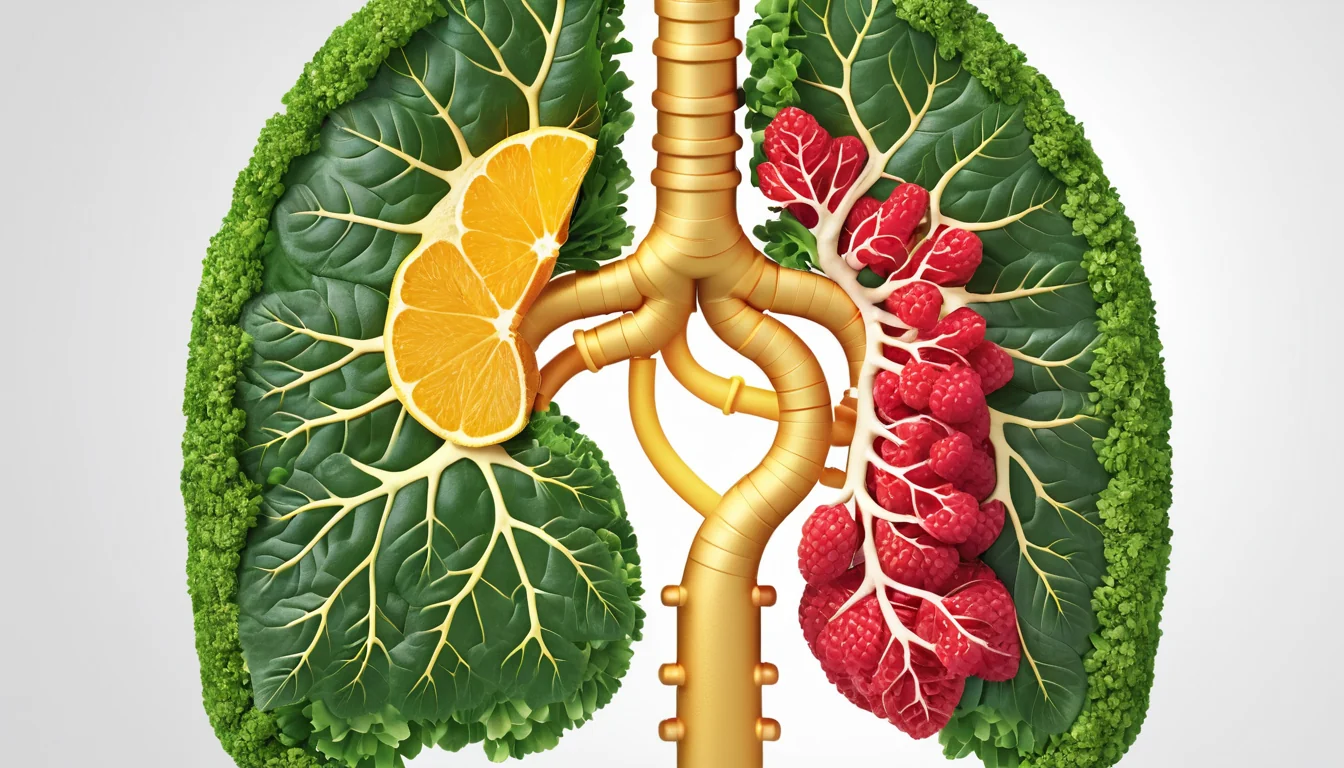
A body detox diet is a short-term eating plan designed to help your body clear out harmful substances and feel revitalised. Many Canadians turn to detox eating each year to boost energy levels, improve digestion, and give their liver and kidneys extra support. This complete guide explains exactly what a body detox diet involves, which foods and supplements may help, and what you should avoid for the best results. As always, speak with your family doctor or a registered dietitian before making major changes to your diet.
What Is a Body Detox Diet and How Does It Work?
Your body already has a powerful built-in detox system. Your liver, kidneys, skin, and digestive tract work together every day to filter out waste and toxins. However, a well-planned detox diet plan aims to lighten the load on these organs by replacing processed foods, additives, and refined sugars with whole, nutrient-dense alternatives. A typical programme lasts about two weeks, and many Canadians report feeling less fatigued and more focused after completing one. While scientific evidence on formal detox diets is still limited, the emphasis on natural body cleanse principles—eating clean, staying hydrated, and choosing organic where possible—aligns with general healthy eating guidelines endorsed by Health Canada.
What Is a Body Detox Diet?
| Detox Diet Type | Key Characteristics | Potential Benefits | Important Considerations |
|---|---|---|---|
| Juice Cleanse (3–7 days) | Eliminates solid foods; relies on fruit and vegetable juices for nutrition | May increase short-term fruit and vegetable intake; promotes hydration | Very low in protein and fibre; not recommended for individuals with diabetes or kidney disease; consult a registered dietitian |
| Whole Foods Reset (14–30 days) | Eliminates processed foods, alcohol, added sugars, and refined grains; emphasizes whole, nutrient-dense foods | Supports healthy blood sugar levels; may reduce inflammation; sustainable long-term | Requires meal planning and grocery budget adjustments; gradual transition recommended for best results |
| Intermittent Fasting (Ongoing) | Alternates eating and fasting windows (e.g., 16:8 method); no specific food elimination required | May support weight management and metabolic health; recognized by Health Canada as a structured eating pattern | Not suitable for pregnant or breastfeeding individuals, or those with a history of eating disorders; medical supervision advised |
| Elimination Diet (2–6 weeks) | Removes common allergens and irritants including gluten, dairy, soy, eggs, and alcohol, then reintroduces them systematically | Helps identify food sensitivities; may relieve digestive discomfort and skin conditions | Should be conducted under guidance of a healthcare provider or registered dietitian; risk of nutritional deficiencies if prolonged |
| Liver Support Diet (Ongoing) | Focuses on foods that support liver function such as cruciferous vegetables, garlic, beets, and adequate water intake | Supports the liver’s natural detoxification processes; aligns with Canada’s Food Guide plant-forward recommendations | Not a replacement for medical treatment of liver conditions; alcohol reduction is the most evidence-based liver protective measure |
Your body already has its own built-in detox system. Your liver, kidneys, skin, and digestive tract all work together to filter out waste and harmful substances every day. However, a body detox diet aims to support these organs by reducing the load of processed foods, additives, and other substances they have to deal with.
A typical detox diet lasts about two weeks. During that time, you focus on whole, clean foods and plenty of water. Many people report feeling less fatigued and more focused after completing a detox programme. That said, scientific evidence on formal detox diets is still limited, so it is important to approach them with realistic expectations.
Health Benefits Linked to a Body Detox Diet
Supporters of detox eating say it may help reduce several common health complaints. These include chronic fatigue, frequent headaches, skin irritation, poor concentration, and a weakened immune response. While not all of these claims have strong clinical backing, improving your overall diet quality is always a good idea.
For example, cutting out excess sugar, caffeine, and alcohol can have a noticeable positive effect on your energy levels and sleep quality. Eating more vegetables and whole grains also helps increase your daily fibre intake, which supports healthy digestion. These are changes that any Canadian health professional would encourage, regardless of whether you follow a formal detox programme.
What to Eat on a Body Detox Diet
The foods in a body detox diet are simple, whole, and as close to their natural state as possible. The goal is to give your digestive system a break from heavily processed ingredients. Most detox plans recommend organic produce whenever possible, since conventionally grown fruits and vegetables may carry pesticide residues.
Recommended Detox Foods
Focus on filling your plate with the following foods during a body detox diet:
- Fresh fruit and vegetable juices — a quick way to get vitamins and minerals
- Vegetable soups — easy to digest and very nourishing
- Steamed vegetables such as broccoli, spinach, cauliflower, and carrots
- Whole grains and cereals — brown rice is especially popular in detox plans
- Legumes such as lentils, chickpeas, and black beans
- Cottage cheese and organic yogourt — gentle on the digestive system
- Fish and chicken — lean proteins that are easy to process
You do not need to strictly limit how much you eat. However, many people choose to reduce their portion sizes during a detox to give their body additional rest. Listen to your hunger cues and avoid going too long without eating.
The Role of Organic Foods
Organic fruits and vegetables are grown without synthetic pesticides, herbicides, or artificial fertilisers. Conventional produce is often treated with these chemicals throughout the entire growing cycle. Some estimates suggest that over a year, a person eating mostly non-organic food may consume significant amounts of these substances.
Environmental health researchers have raised concerns about the long-term effects of repeated low-level exposure to agricultural chemicals. While regulators set safe limits, many health-conscious Canadians prefer to reduce their exposure where possible. Choosing organic is one practical step, especially for produce with thin skins like strawberries, apples, and spinach. You can find organic options at most major Canadian grocery stores and farmers markets. Health Canada’s food safety resources offer guidance on pesticide limits and food labelling in Canada.
What to Avoid During a Detox Programme
The effectiveness of a body detox diet depends just as much on what you remove from your diet as what you add. Certain substances place extra strain on your liver and kidneys, making it harder for your body to do its job.
During a detox programme, try to avoid or eliminate the following:
- Caffeine — found in coffee, tea, energy drinks, and some soft drinks
- Alcohol — one of the most significant sources of strain on the liver
- Added sugar — including sugary drinks, candy, and most packaged desserts
- Table salt — particularly in excess; choose herbs and spices for flavour instead
- Artificial sweeteners — found in diet sodas and many low-calorie packaged foods
- Food additives and preservatives — common in ultra-processed snack foods
These substances are considered potential stressors for your body’s natural filtration systems. Removing them even temporarily can give your organs a chance to function more efficiently. Furthermore, many people find that after a detox period, they naturally crave these substances less.
Staying Hydrated During a Body Detox Diet
Water is one of the most important parts of any body detox diet. Your kidneys rely on adequate hydration to flush waste products out of your body. Your sweat glands also play a role in removing certain substances through perspiration.
As a general guideline, aim to drink two to three litres of water per day during your detox programme. Filtered or mineral water is preferred over tap water if you are concerned about chlorine or other additives. In addition, regular physical activity that causes you to sweat can further support your body’s natural detox processes. Even a brisk 30-minute walk each day makes a meaningful difference.
According to the World Health Organization’s guidance on drinking water, adequate hydration is fundamental to maintaining good health and supporting organ function.
Detox Supplements That May Help
Several nutritional supplements are commonly used alongside a body detox diet. These are not required, but some people find them helpful for supporting the organs involved in detoxification. Always check with a healthcare provider before adding new supplements, especially if you take prescription medications.
Antioxidants
Antioxidants help protect your cells from damage caused by free radicals — unstable molecules that build up through normal body processes and environmental exposure. The most well-known antioxidant nutrients include vitamins A, C, and E, as well as the mineral selenium. You can get these through food, but supplements are also widely available at Canadian pharmacies and health food stores.
Liver and Kidney Support
Some supplements are specifically used to support the liver and kidneys during a detox. Glutathione is an antioxidant produced naturally in the body and is important for protecting liver cells. Artichoke extract is another popular option, traditionally used to support bile production and liver function. For kidney support, dandelion root extract is often used for its mild diuretic effect, meaning it encourages the kidneys to produce more urine and flush out waste.
Digestive Support Supplements
A healthy gut is central to any effective detox programme. Probiotic supplements containing lactobacillus strains can help maintain a balanced gut microbiome — the community of beneficial bacteria living in your digestive tract. Aloe vera extract and psyllium husk are also commonly used to relieve constipation and support regular bowel movements. In addition, supplements made from chlorophyll-rich algae such as spirulina and chlorella are popular in detox circles, as they may help bind certain toxins in the gut and speed up their elimination.
Nutritional Supplements to Add After the First Week
Most health practitioners recommend waiting about one week into your detox programme before adding nutritional supplements. The idea is similar to topping up engine oil in a car — it works best once the old, used material has been cleared out first. After that initial week, you can consider adding the following:
- A daily multivitamin and mineral supplement to meet your recommended daily intake
- Essential fatty acids such as omega-3 fish oil or evening primrose oil, which support heart, brain, and joint health
- Spirulina or chlorella supplements for added nutritional support and intestinal cleansing
These supplements should continue throughout the full duration of your detox programme. After the programme ends, your family doctor or a registered dietitian can advise you on which supplements, if any, are worth continuing long term.
Adaptogenic Herbs and Finishing Your Detox
Adaptogenic herbs are plants that may help your body cope with stress and adjust to changes more smoothly. Korean ginseng and Siberian ginseng are two of the most studied adaptogens. They are particularly useful if you are starting a body detox diet during or after a stressful period in your life, such as a demanding work stretch or a difficult personal situation.
After completing a two-week detox programme, the goal is not to return to old habits. Therefore, focus on transitioning into a long-term healthy eating pattern. A post-detox diet should include whole grains, plenty of vegetables, legumes, lean meats, and fish. It should be low in added sugar, salt, caffeine, and alcohol. This kind of balanced, whole-food approach aligns well with Canada’s Food Guide, which encourages Canadians to eat mostly plant-based foods and limit highly processed options. You can learn more at Healthline’s evidence-based overview of detox diets for additional context on how these programmes work.
When to See a Doctor
A body detox diet is generally considered safe for healthy adults. However, it is not appropriate for everyone. You should speak with your family doctor or visit a walk-in clinic before starting a detox programme if you are pregnant or breastfeeding, have a chronic health condition such as diabetes or kidney disease, take prescription medications, or have a history of disordered eating.
If you experience unusual symptoms during a detox — such as dizziness, heart palpitations, or severe fatigue — stop the programme and seek medical advice promptly. Most provincial health plans in Canada cover visits to your family doctor, and walk-in clinics are available across the country if you do not have a regular physician. Your health always comes first.
Frequently Asked Questions About Body Detox Diets
What does a body detox diet actually do?
A body detox diet is designed to reduce your intake of processed foods, additives, and other substances that may stress your liver, kidneys, and digestive system. By eating clean, whole foods and staying well hydrated, you give these organs a chance to work more efficiently. However, it is important to know that your body already detoxifies itself naturally every day.
How long should a body detox diet last?
Most body detox diet programmes are recommended for about two weeks. This gives your body enough time to adjust to cleaner eating without the risks that come with very long restrictive diets. After the two weeks, the goal is to transition into a long-term balanced diet rather than returning to old eating habits.
Is a body detox diet safe for everyone?
A body detox diet is generally safe for healthy adults, but it is not suitable for everyone. People who are pregnant, breastfeeding, managing a chronic illness like diabetes, or taking regular medications should always consult their family doctor or a registered dietitian before starting. Canadian walk-in clinics are also a convenient option for quick medical advice.
What foods should I avoid on a body detox diet?
During a body detox diet, you should avoid caffeine, alcohol, added sugar, table salt, artificial sweeteners, and foods high in preservatives and additives. These substances are believed to add extra strain to your liver and kidneys. Removing them — even for a short period — may help your body’s natural filtration systems work more effectively.
Do I need to take supplements during a detox programme?
Supplements are not strictly required, but many people choose to include antioxidants, probiotics, and essential fatty acids to support their body detox diet. Most practitioners suggest waiting about one week before adding supplements, so your digestive system has time to clear out first. Always check with a healthcare provider before starting new supplements, especially if you take other medications.
Will a body detox diet help me lose weight?
According to Health Canada’s healthy eating guidelines, this information is supported by current medical research.
For more information, read our guide on organic food in Canada and its benefits.
Some people do lose weight during a body detox diet, largely because they are cutting out high-calorie processed foods and alcohol. However, a detox programme is not primarily a weight loss plan, and any weight lost may partially return once normal eating resumes. For sustainable weight management, speak with your family doctor or a registered dietitian about a long-term healthy eating strategy.
Key Takeaways
- A body detox diet focuses on whole, organic foods and high water intake to support your liver, kidneys, and digestive system.
- Avoid caffeine, alcohol, added sugar, artificial sweeteners, and heavily processed foods during the programme.
- Aim to drink two to three litres of water daily and include regular physical activity to encourage perspiration.
- Consider adding antioxidants, probiotics, and omega-3 supplements after the first week of your detox programme.
- Adaptogenic herbs like ginseng may help your body adjust, especially after a stressful period.
- After completing a two-week detox, transition to a long-term balanced diet rich in whole grains, vegetables, legumes, and lean protein.
- Always speak with your family doctor or visit a walk-in clinic before starting any detox programme, particularly if you have existing health conditions.
Frequently Asked Questions
What is a body detox diet?
A body detox diet is an eating plan designed to eliminate toxins, reduce inflammation, and support your liver, kidneys, and digestive system. It typically emphasizes whole foods, fruits, vegetables, and adequate hydration while removing processed foods, alcohol, and added sugars. Your body naturally detoxifies itself daily through these organs.
What are the signs that your body needs a detox diet?
Common signs include persistent fatigue, bloating, digestive issues, brain fog, skin breakouts, and difficulty losing weight. Frequent headaches, poor sleep, and sugar cravings may also indicate your body is overwhelmed. These symptoms often result from poor diet, stress, or environmental toxin exposure affecting your natural detoxification systems.
How does a body detox diet work to cleanse your system?
A body detox diet works by reducing your toxic load while providing nutrients that enhance liver and kidney function. By eliminating alcohol, processed foods, and refined sugar, you allow organs to process and eliminate waste more efficiently. Key nutrients from leafy greens, cruciferous vegetables, and antioxidant-rich foods actively support natural detoxification pathways.
Can a body detox diet help with weight loss in Canada?
A body detox diet can support short-term weight loss primarily through reduced caloric intake and decreased bloating. However, Health Canada emphasizes sustainable, balanced eating over extreme cleanses. Long-term benefits come from adopting whole-food habits rather than restrictive short-term programs, which may cause nutrient deficiencies if followed incorrectly.
When should you see a doctor before starting a detox diet?
Consult a Canadian physician or registered dietitian before starting a detox diet if you have diabetes, kidney disease, heart conditions, or are pregnant or breastfeeding. Also seek medical advice if you experience severe fatigue, unexplained weight loss, or digestive symptoms, as these may indicate underlying conditions requiring professional diagnosis and treatment.

About the Author
Dr. Linda Chen, RD, PhDDr. Linda Chen is a registered dietitian and PhD in Nutritional Sciences from the University of British Columbia. With expertise in clinical nutrition, sports dietetics, and gut health, she has worked with leading Canadian hospitals and sports organizations. Dr. Chen is a member of Dietitians of Canada and regularly contributes to national nutrition policy discussions.
View all articles →