Kidney Health Diet: 9 Tips for Healthy Kidneys Canada

Share
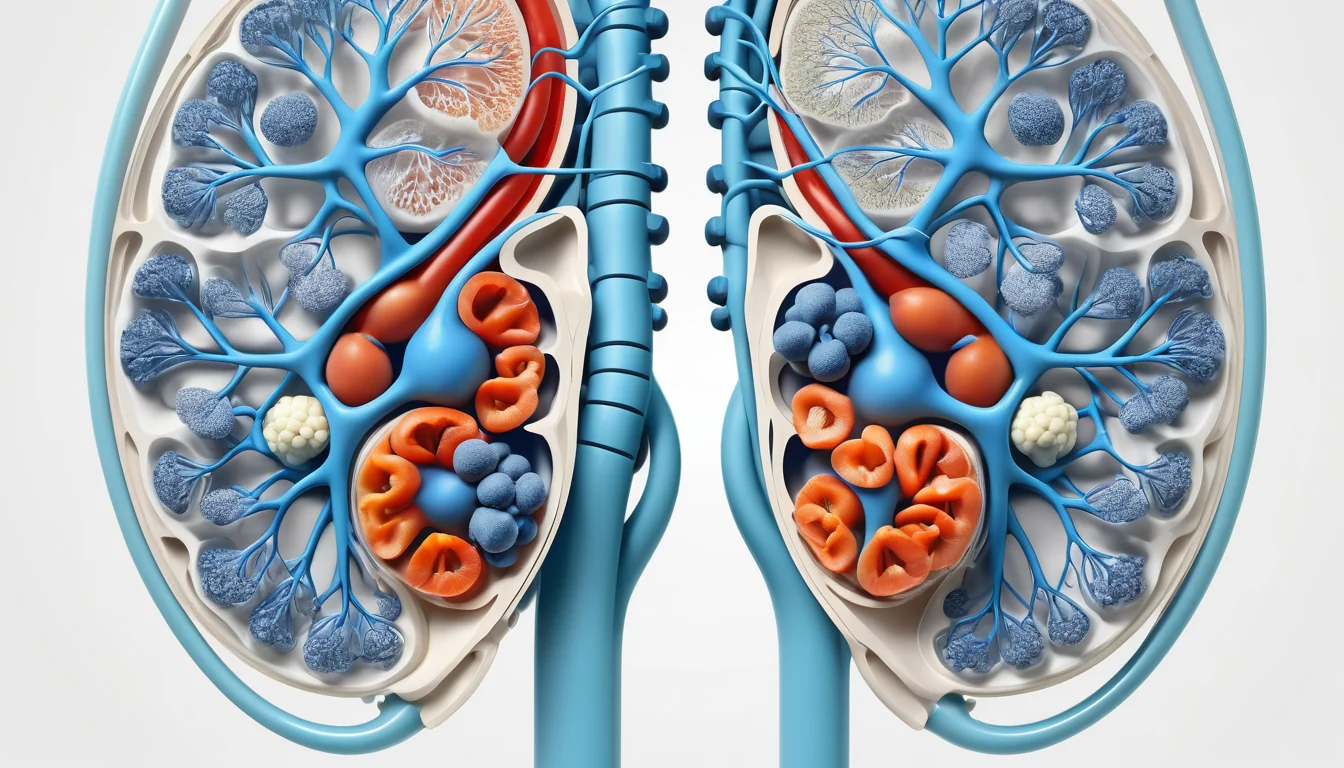
A kidney health diet is one of the most powerful tools you have to protect your kidneys for life. Your kidneys filter roughly 200 litres of blood every day, regulate blood pressure, and help keep your bones strong — yet many Canadians overlook how much their daily food choices affect these vital organs. The good news is that making simple, practical changes to what you eat can significantly lower your risk of kidney problems.
Why a Kidney Health Diet Matters for Canadians
Whether you want to learn which foods are good for kidneys or you are looking for ways to prevent kidney disease in Canada, this guide has you covered. Below, you will find nine evidence-based nutrition tips designed to help Canadians keep their kidneys in great shape — starting with changes you can make today.
Why Your Kidneys Need a Healthy Diet
| Nutrient | Impact on Kidney Health | Recommended Action | Canadian Guideline Reference |
|---|---|---|---|
| Sodium | High intake raises blood pressure, increasing strain on kidneys and accelerating damage in chronic kidney disease (CKD) | Limit to less than 2,300 mg per day; avoid processed and packaged foods common in Canadian diets | Kidney Foundation of Canada recommends reduced sodium for CKD patients |
| Potassium | Damaged kidneys cannot filter excess potassium, leading to hyperkalemia, which can cause dangerous heart arrhythmias | Monitor intake if diagnosed with CKD; limit high-potassium foods such as bananas, potatoes, and tomatoes if advised by a dietitian | Consult a registered dietitian (RD) through provincial health programs for personalized limits |
| Phosphorus | Excess phosphorus weakens bones and stresses kidneys; impaired kidneys cannot excrete phosphorus efficiently | Reduce intake of dairy, dark colas, and processed foods with phosphate additives; limit to 800–1,000 mg/day if recommended | Health Canada advises limiting phosphate food additives as part of overall dietary guidance |
| Protein | Excessive protein increases metabolic waste (urea), making kidneys work harder; too little protein can cause muscle loss | Follow a moderate protein diet of approximately 0.8 g/kg body weight per day unless otherwise directed by a nephrologist | Dietitians of Canada support individualized protein targets for CKD management |
| Fluid (Water) | Adequate hydration helps kidneys flush toxins; overhydration can be harmful in late-stage CKD when fluid is restricted | Aim for 1.5–2 litres per day for healthy adults; fluid intake may be restricted in advanced CKD — follow physician guidance | Health Canada general hydration guidelines apply; adjustments made by Canadian nephrologists for CKD stages 4–5 |
Your kidneys are two small, bean-shaped organs sitting on either side of your spine. Every single day, they filter about 200 litres of blood and remove waste through your urine. They also produce hormones that regulate blood pressure, bone health, and red blood cell production.
When your kidneys are under stress — from poor diet, high blood pressure, or diabetes — they can lose function over time. In fact, Health Canada recognises chronic kidney disease as a growing health concern across the country. The right diet helps reduce that risk significantly.
Kidney Health Diet Tip 1: Drink Enough Water Every Day
Staying well hydrated is one of the simplest things you can do for your kidneys. Water dilutes your urine and helps prevent minerals from building up and forming kidney stones.
A healthy adult should aim for at least 1.5 litres — roughly 10 to 12 glasses — of plain water each day. This is on top of soups, coffee, or juice. Try starting your morning with one to two glasses of water on an empty stomach. Also, do not skip water in the evening, or your daytime efforts will count for less.
However, if you already have kidney disease, your fluid intake may need to be carefully managed. Your doctor will calculate the right amount based on your urine output, weight, and any swelling you may have. Always follow your doctor’s guidance in that case.
Kidney Health Diet Tip 2: Cut Back on Salt and Sodium
Too much sodium raises your blood pressure. Over time, high blood pressure damages the tiny blood vessels inside your kidneys. As a result, your kidneys filter less fluid and toxins start to build up in your blood.
To reduce your sodium intake, try these practical steps:
- Avoid processed foods that list salt or monosodium glutamate (MSG) on the label.
- Limit salty cheeses, pickled foods, smoked meats, and deli products.
- Stop adding salt at the table — use lemon juice, herbs, or spices instead for flavour.
- Talk to your family doctor before using a salt substitute. Many salt substitutes are high in potassium, which can be harmful if you have kidney disease.
According to the World Health Organization (WHO), adults should consume less than 5 grams of salt per day. Most Canadians eat far more than that without realising it.
Kidney Health Diet Tip 3: Eat the Right Amount of Protein
How Much Protein Do You Actually Need?
Protein is essential for muscle repair, immune function, and overall health. However, eating too much protein forces your kidneys to work harder to filter the waste it produces.
For a healthy, inactive adult, 0.8 grams of protein per kilogram of body weight per day is enough. Athletes or people with high activity levels may need more. If you have kidney disease, a lower protein diet can actually slow down the progression of the condition.
Best Protein Choices for Kidney Health
Not all proteins are equal. Choose high-quality, lean sources of protein whenever you can. Good options include:
- Skinless chicken or turkey
- Lean cuts of beef
- Fish and seafood (if you eat canned tuna, rinse it under water first to reduce sodium)
- Eggs and low-fat dairy products
Furthermore, remember that bread, cereals, and many vegetables also contain protein. A registered dietitian can help you build a balanced plan that meets your needs without overloading your kidneys.
Kidney Health Diet Tip 4: Control Your Blood Pressure and Blood Sugar
Blood Pressure and Your Kidneys
High blood pressure is one of the leading causes of kidney damage in Canada. It damages blood vessels slowly, year after year, often without any symptoms. Protecting your kidneys means keeping your blood pressure in a healthy range.
You can help control blood pressure by maintaining a healthy weight, exercising regularly, choosing low-sodium foods, and limiting alcohol. If you drink alcohol, moderate consumption — such as an occasional glass of wine — is far better than frequent or heavy drinking.
Blood Sugar and Kidney Disease
Diabetes is the other major cause of kidney disease. High blood sugar damages the filtering units inside your kidneys over time. Therefore, keeping your blood sugar levels in check is critical for kidney protection.
Regular check-ups with your family doctor are the best way to catch early signs of diabetes or pre-diabetes. Most provincial health plans in Canada cover routine bloodwork, so take advantage of those appointments.
Kidney Health Diet Tip 5: Avoid Foods That Cause Kidney Stones
What Foods Increase Kidney Stone Risk?
Kidney stones form when certain minerals build up and crystallise in your urine. Diet plays a direct role in whether that happens. Some foods are particularly high in oxalates — a natural compound that can combine with calcium to form stones.
Foods high in oxalates include spinach, rhubarb, beets, figs, blueberries, nuts, and peanuts. You do not need to eliminate these foods entirely. However, eating them alongside calcium-rich foods — such as cheese or yogurt — helps bind the oxalates in your digestive tract so they pass out in your stool rather than reaching your kidneys.
Other Stone-Forming Foods and Drinks to Watch
Cola-type soft drinks are acidic and can encourage crystals to form in your urine. Beer is also worth limiting because it stimulates the release of uric acid and oxalic acid, both of which raise stone risk.
Chocolate, cocoa-based desserts, and refined sweets are hidden sources of oxalates. Eating too many sweets also increases the amount of calcium your kidneys release into your urine, which further raises stone risk.
In addition, aim to get about 1,200 mg of calcium per day, with most of it coming from dairy products. Eat plenty of fresh fruits and vegetables — they make your urine more alkaline, which increases citrate levels. Citrate is a natural substance that blocks kidney stone formation, according to research published by the Mayo Clinic on kidney stones.
Kidney Health Diet Tip 6: Be Careful With Supplements and Medications
Many Canadians take vitamin or mineral supplements without consulting a doctor. However, some supplements can actually harm your kidneys over time. High doses of vitamin C, vitamin D, and calcium supplements have all been linked to an increased risk of kidney stones.
Never take supplements — including herbal remedies — without checking with your family doctor or pharmacist first. This is especially important if you already have reduced kidney function.
Over-the-counter pain relievers such as ibuprofen and naproxen (called non-steroidal anti-inflammatory drugs, or NSAIDs) can also damage your kidneys if taken too often. Diuretics, sometimes called water pills, can cause serious kidney problems when used without medical supervision. Always read labels and talk to a healthcare provider before taking any new medication regularly.
Kidney Health Diet Tip 7: Prevent Obesity and Quit Smoking
Carrying excess weight puts you at higher risk for both diabetes and high blood pressure — the two biggest threats to kidney health. Eating a balanced diet with the right number of calories for your body is the most effective long-term strategy to manage your weight.
Smoking is equally damaging. Research has shown that smoking speeds up the progression of kidney disease. It also reduces blood flow to the kidneys and makes blood pressure harder to control. Quitting smoking is one of the best things you can do for your kidneys — and for your overall health. Your provincial health plan may cover smoking cessation programmes and resources, so ask your doctor about what is available to you.
When to See a Doctor About Your Kidney Health
You should talk to your family doctor if you notice swelling in your legs or feet, changes in how often you urinate, foamy or discoloured urine, fatigue that does not go away, or pain in your lower back near the kidney area. These can all be signs that your kidneys need attention.
Do not wait for symptoms to become severe. Most provincial health plans cover kidney function tests as part of routine bloodwork. If you cannot get an appointment with your family doctor quickly, a walk-in clinic can check your blood pressure and order basic kidney function tests to get you started.
If you already have diabetes, high blood pressure, or a family history of kidney disease, ask for regular kidney screening. Early detection makes a big difference in outcomes.
Frequently Asked Questions About Kidney Health Diet
What is the best kidney health diet for Canadians?
A kidney health diet for most Canadians includes plenty of water, low-sodium foods, fresh fruits and vegetables, and moderate amounts of lean protein. Limiting processed foods, soft drinks, and alcohol also helps protect kidney function over time. Talk to your family doctor or a registered dietitian for a plan tailored to your needs.
What foods should you avoid for kidney health?
For good kidney health, limit foods high in sodium like deli meats, pickles, and salty cheeses. Also reduce high-oxalate foods such as spinach, chocolate, and cola drinks, which can contribute to kidney stones. Excess protein and refined sugars should also be kept in check.
How much water should I drink for healthy kidneys?
Most healthy adults should drink at least 1.5 litres — about 10 to 12 glasses — of plain water daily to support kidney health. Adequate hydration dilutes urine and prevents minerals from forming kidney stones. However, if you have kidney disease, your doctor may recommend a different fluid limit based on your condition.
Can a high-protein diet damage your kidneys?
Eating too much protein can increase the workload on your kidneys and may speed up kidney function loss in people who already have kidney disease. A kidney health diet includes the right amount of protein for your age, weight, and activity level — not too much and not too little. A registered dietitian can help you find the right balance.
Does high blood pressure affect kidney health?
Yes — high blood pressure is one of the leading causes of kidney damage in Canada. Over time, it damages the blood vessels inside your kidneys, reducing their ability to filter waste properly. Controlling blood pressure through diet, exercise, and medication (if prescribed) is essential for long-term kidney health.
Are vitamin supplements safe for kidney health?
Not all supplements are safe for your kidneys — high doses of vitamin C, vitamin D, and calcium supplements have been linked to an increased risk of kidney stones. Always consult your doctor or pharmacist before starting any supplement, especially if you have existing kidney concerns. What helps one person may harm another depending on their health history.
Key Takeaways
- Stay hydrated: Drink at least 1.5 litres of water daily to help prevent kidney stones and support kidney function.
- Reduce sodium: A low-salt diet lowers blood pressure and reduces your risk of chronic kidney disease.
- Eat the right amount of protein: Too much protein stresses the kidneys — choose high-quality, lean sources and avoid excess.
- Control blood pressure and blood sugar: These are the two biggest threats to kidney health — monitor them regularly with your family doctor.
- Avoid stone-forming foods: Limit cola drinks, high-oxalate foods, and refined sweets to reduce your kidney stone risk.
- Be cautious with supplements and medications: Always check with a healthcare provider before taking supplements or using pain relievers regularly.
- Quit smoking and maintain a healthy weight: Both protect your kidneys and reduce your risk of diabetes and high blood pressure.
- See your doctor regularly: Kidney disease often has no early symptoms — routine check-ups through your provincial health plan can catch problems early.
According to Health Canada’s dietary guidelines, this information is supported by current medical research.
For more information, read our guide on learn how processed foods affect your health.
This article is for informational purposes only and does not replace professional medical advice. Please consult your family doctor or a registered healthcare provider before making significant changes to your diet or if you have concerns about your kidney health.
Frequently Asked Questions
What is a kidney health diet?
A kidney health diet is an eating plan designed to reduce strain on the kidneys by limiting sodium, potassium, phosphorus, and excess protein. It emphasizes hydration, fresh vegetables, and whole foods. Following a kidney health diet can help prevent kidney disease progression and support overall renal function in Canadians.
What are the early warning signs of kidney disease?
Early warning signs of kidney disease include swollen ankles and feet, persistent fatigue, changes in urination frequency or colour, foamy urine, high blood pressure, and lower back pain. Many Canadians experience no symptoms in early stages, making regular blood and urine testing through your family doctor essential for detection.
How does a kidney health diet help prevent kidney damage?
A kidney health diet reduces the workload on the kidneys by limiting harmful minerals and waste-producing foods. Reducing sodium lowers blood pressure, cutting excess protein decreases waste buildup, and staying well-hydrated flushes toxins. These dietary changes slow kidney disease progression and significantly lower the risk of developing chronic kidney disease.
Can drinking more water improve kidney health?
Yes, adequate hydration is one of the most effective ways to support kidney health. Drinking 6–8 glasses of water daily helps kidneys flush waste and toxins, prevents kidney stones, and reduces urinary tract infections. Canadians should adjust intake based on climate, activity level, and any existing kidney conditions diagnosed by their physician.
When should you see a doctor about your kidney health?
See a doctor immediately if you notice blood in your urine, severe back or side pain, sudden swelling, significantly reduced urination, or extreme fatigue. Canadians with diabetes, high blood pressure, or a family history of kidney disease should schedule annual kidney function screenings, as early intervention dramatically improves long-term outcomes.

About the Author
Dr. Michael Ross, MD, FRCSCDr. Michael Ross is a fellowship-trained orthopedic surgeon at the University of Alberta Hospital, specializing in joint replacement and sports medicine. A Fellow of the Royal College of Surgeons of Canada (FRCSC), he has over 18 years of surgical experience and has authored multiple textbook chapters on musculoskeletal health. Dr. Ross is passionate about patient education and evidence-based medicine.
View all articles →