Genital Warts: Causes, Symptoms & Treatment in Canada

Share
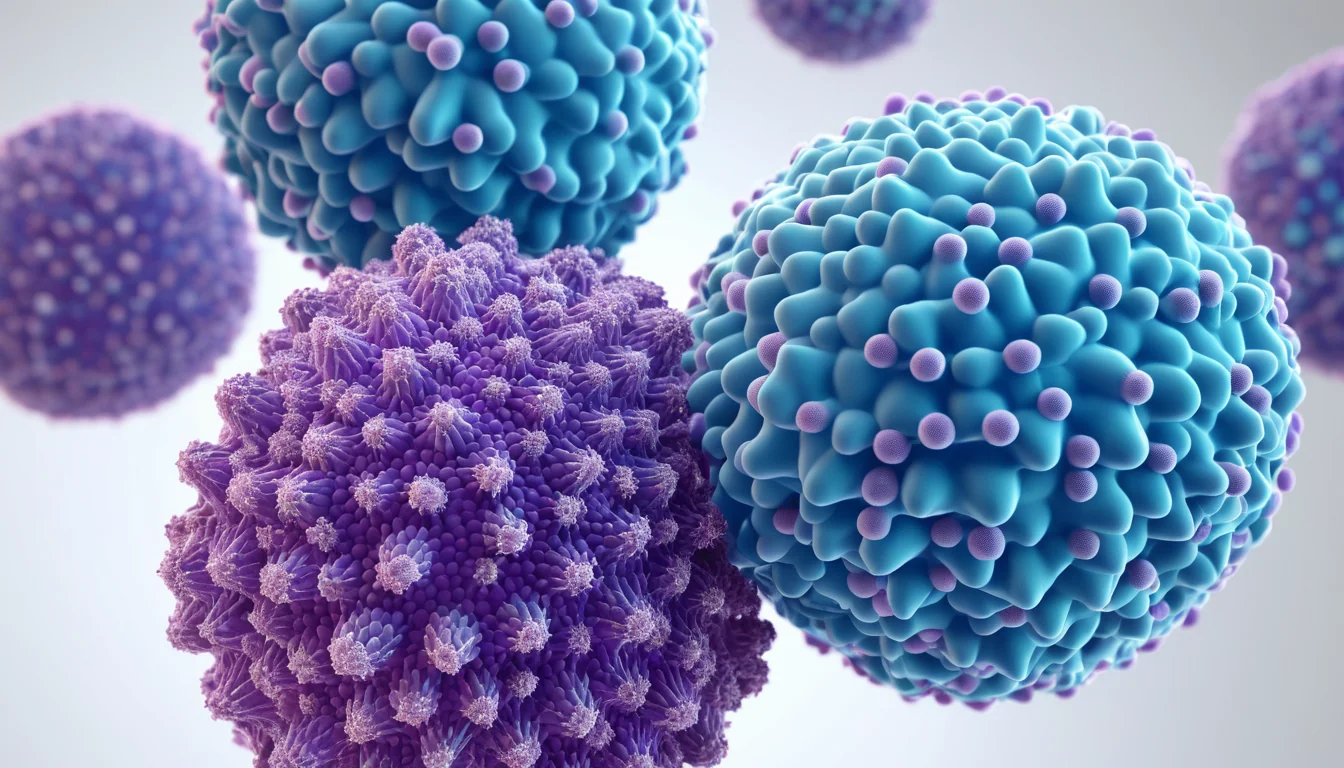
Genital warts are one of the most common sexually transmitted infections affecting Canadians, caused by certain strains of the human papillomavirus (HPV). These small, flesh-coloured growths appear on the genital or anal area and can affect anyone who is sexually active. Research shows that at least half of all sexually active adults in Canada will contract some form of HPV during their lifetime.
How Are Genital Warts Diagnosed and Treated in Canada?
Understanding genital warts symptoms, how HPV spreads, and what treatment options are available is essential for protecting your health. Whether you are experiencing symptoms or simply want to learn about prevention through the HPV vaccine in Canada, this comprehensive guide covers everything Canadians need to know about diagnosis, treatment, and when to see a doctor.
What Are Genital Warts?
| Treatment Option | How It Works | Benefits | Considerations |
|---|---|---|---|
| Imiquimod Cream (Aldara) | Stimulates the immune system to fight HPV-infected cells | Can be self-applied at home; effective for external warts | May cause local skin irritation; requires consistent use over several weeks; avoid during pregnancy |
| Podophyllotoxin (Wartec) | Destroys wart tissue by preventing cell division | Patient-applied at home; widely available by prescription in Canada | Not safe during pregnancy; can cause burning or inflammation; must avoid contact with healthy skin |
| Cryotherapy (Liquid Nitrogen) | Freezes and destroys wart tissue | Fast in-office procedure; effective for multiple or clustered warts | May require several sessions; can cause temporary pain, blistering, or scarring |
| Trichloroacetic Acid (TCA) | Chemical agent that burns and destroys wart tissue | Suitable for use during pregnancy; effective on small, hard warts | Must be applied by a healthcare provider; risk of chemical burns if misapplied |
| Surgical Excision or Electrosurgery | Physically removes warts using a scalpel or electrical current | Immediate removal; effective for large or treatment-resistant warts | Performed under local anesthesia; risk of scarring; longer recovery time compared to topical treatments |
Genital warts are soft, skin-coloured bumps that grow on the moist tissues of the genitals or anus. They are caused by HPV, a virus with over 100 known strains. Most genital warts are caused by HPV types 6 and 11.
These two strains are considered low-risk, meaning they rarely lead to cancer. However, other HPV strains carry a higher cancer risk. It is important to understand the difference between low-risk and high-risk HPV types.
Genital warts can appear on the vulva, vagina, cervix, penis, scrotum, anus, or urethra. In some cases, they can also develop inside the mouth or throat after unprotected oral sex. They often grow in clusters that look like a small cauliflower.
Causes and Risk Factors for Genital Warts
Genital warts spread through direct skin-to-skin contact, most often during sexual activity. You do not need to have penetrative sex to pass on or contract HPV. Even foreplay can transmit the virus.
In many cases, the immune system clears the virus on its own before any warts appear. However, certain factors increase your risk of developing visible genital warts.
Who Is at Higher Risk?
- People with another STI already present
- Those who have unprotected sex with multiple partners
- People who became sexually active at a young age
- Those whose partner’s sexual history is unknown
According to Health Canada, HPV is the most common STI in the country. Many people carry the virus without knowing it, because symptoms may not appear for weeks, months, or even years after infection.
Symptoms of Genital Warts
Genital warts can be very small and flat, making them hard to notice with the naked eye. In other cases, they grow into larger clusters. They are usually soft to the touch and painless, though they may cause itching or mild discomfort.
Symptoms typically appear between six weeks and six months after exposure to HPV. However, the incubation period can sometimes be longer than that.
Common Signs to Watch For
- Small, flesh-coloured or grey bumps in the genital area
- A cluster of warts that resembles the shape of a cauliflower
- Itching or discomfort around the genitals or anus
- Light bleeding during sexual intercourse
Furthermore, genital warts can grow more quickly during pregnancy or when the immune system is weakened. Conditions such as HIV, diabetes, Hodgkin’s disease, or chemotherapy treatment can all affect immune function and allow warts to spread faster.
In women, warts may appear on the vulva, perineum, anus, or cervix. In men, they are more commonly found on the shaft of the penis, the scrotum, or around the anus. If you notice any unusual growths in your genital area, speak with a healthcare provider as soon as possible.
How Are Genital Warts Diagnosed?
A doctor can often diagnose genital warts through a visual examination. However, because small warts can be hard to see, your doctor may apply a diluted acetic acid solution to the skin. This causes warts to turn white, making them easier to spot.
A colposcope, which is a small magnifying instrument, may also be used for a closer look at the affected area. This is a simple, in-office procedure.
Pap Tests and HPV Testing
For women, a Pap test (also called a Pap smear) is one of the most important tools for detecting HPV-related changes. It checks for abnormal cells on the cervix that could be an early sign of cervical cancer.
A cervical cell sample taken during a Pap test can also be tested specifically for high-risk HPV strains. This type of HPV test is generally recommended for women over 30. Before that age, the immune system often clears the virus on its own without treatment.
According to the Mayo Clinic, only certain HPV strains are linked to cervical cancer. Regular screening remains the best way to catch any concerning changes early.
Treatment Options for Genital Warts
There is no cure for HPV itself, but genital warts can be treated. If the warts are not causing discomfort, your doctor may suggest a watch-and-wait approach. However, when warts cause itching, burning, pain, or emotional distress, treatment is recommended.
It is important to know that even after successful treatment, warts can return. The virus can remain in the body even when no visible warts are present.
Topical (Applied to Skin) Treatments
- Imiquimod cream: This cream helps your immune system fight the virus. Possible side effects include blisters, fatigue, body aches, rash, and cough.
- Podophyllin and podofilox: Podophyllin is a plant-based resin that destroys wart tissue. Podofilox contains the same active ingredient and can be applied at home under medical guidance.
- Trichloroacetic acid (TCA): This chemical treatment burns off the warts. Minor irritation, sores, or pain may occur as side effects.
Surgical and Procedure-Based Treatments
- Cryotherapy: A doctor freezes the warts using liquid nitrogen. This is a common in-office procedure available at most dermatology or sexual health clinics.
- Electrocautery: An electrical current is used to burn off the warts.
- Laser treatment: A laser destroys wart tissue. This is typically used for larger or hard-to-reach warts.
- Surgical excision: The warts are physically cut away. This is usually reserved for cases where other treatments have not worked.
Your family doctor or a specialist at a sexual health centre can help you choose the treatment that is right for your situation. Many provincial health plans in Canada cover the cost of diagnosis and treatment for STIs, including genital warts.
HPV Vaccine and Prevention
The best way to protect against genital warts is vaccination. The HPV vaccine protects against the strains most commonly linked to both genital warts and cervical cancer. In Canada, the HPV vaccine is part of school-based immunisation programmes in every province and territory.
The vaccine is most effective when given before any sexual activity begins. However, it can still offer protection to older teens and adults. Talk to your family doctor about whether the HPV vaccine is right for you or your child.
In addition to vaccination, using condoms consistently and correctly reduces the risk of HPV transmission. However, condoms do not fully eliminate the risk, since HPV can spread from skin not covered by a condom. Limiting the number of sexual partners also lowers your overall risk.
The World Health Organization (WHO) recommends HPV vaccination as a key strategy to reduce both genital warts and cervical cancer worldwide.
When to See a Doctor
You should see a doctor if you notice any unusual bumps, growths, or changes in your genital area. Even if you are unsure whether what you see is a genital wart, it is always better to get checked. Early diagnosis makes treatment easier and helps prevent spreading the virus to a partner.
In Canada, you have several convenient options for care. You can book an appointment with your family doctor, visit a walk-in clinic, or go to a sexual health centre in your community. Many provinces also offer free or low-cost STI testing through public health units.
Women should also stay up to date with regular Pap tests as recommended by their provincial health guidelines. This is one of the most effective ways to catch HPV-related cell changes before they become a serious problem.
As always, speak with a qualified healthcare provider before starting any treatment. This article is for informational purposes only and is not a substitute for professional medical advice.
Frequently Asked Questions About Genital Warts
Can genital warts go away on their own?
Yes, in some cases the immune system can clear genital warts without treatment. However, this is not guaranteed, and the virus can remain in your body even after the warts disappear. It is best to see a doctor to discuss your options and monitor your health.
Are genital warts the same as herpes?
No, genital warts and herpes are two different infections caused by different viruses. Genital warts are caused by HPV, while herpes is caused by the herpes simplex virus (HSV). Both are STIs, but they have different symptoms, treatments, and health risks.
Can you get genital warts from oral sex?
Yes, HPV can spread through unprotected oral sex, and genital warts can develop in the mouth or throat as a result. This is less common than genital transmission, but it is still a risk. Using a barrier method during oral sex can reduce your chances of exposure.
Is there a cure for genital warts?
There is no cure for the HPV virus that causes genital warts, but the warts themselves can be treated and removed. Treatment options include topical creams, cryotherapy, and minor surgical procedures. Even after treatment, warts may return because the virus can stay in the body.
Does the HPV vaccine prevent genital warts?
Yes, the HPV vaccine protects against the strains of HPV most commonly responsible for genital warts, specifically types 6 and 11. In Canada, the vaccine is offered free through school immunisation programmes in every province. It is most effective when given before any sexual activity begins.
Can you have HPV without having genital warts?
According to Public Health Agency of Canada’s guide on HPV, this information is supported by current medical research.
For more information, read our guide on recognizing symptoms like loss of appetite and when to act.
Yes, most people who carry HPV never develop visible genital warts. The immune system often clears the virus before any symptoms appear. This is why HPV can spread easily from person to person, even when there are no visible signs of infection.
Key Takeaways
- Genital warts are caused by low-risk strains of HPV, most commonly types 6 and 11.
- HPV is the most common STI in Canada. At least half of sexually active adults will contract it at some point.
- Warts may appear on the genitals, anus, or mouth and can look like small cauliflower-shaped clusters.
- Diagnosis may involve a visual exam, acetic acid test, or Pap test for women.
- Treatment options include topical creams, cryotherapy, and minor surgery. Warts can return even after treatment.
- The HPV vaccine is the most effective prevention tool and is available free through school programmes across Canada.
- If you notice any unusual growths in your genital area, visit your family doctor, a walk-in clinic, or a sexual health centre.
Frequently Asked Questions
What are genital warts?
Genital warts are soft, flesh-coloured growths that appear on or around the genitals and anus. They are caused by certain strains of the human papillomavirus (HPV), specifically types 6 and 11. They are one of the most common sexually transmitted infections (STIs) in Canada.
What are the symptoms of genital warts?
Symptoms include small, flesh-coloured or grey bumps in the genital area, clusters of warts resembling cauliflower, itching, burning, or discomfort around the genitals or anus. Some people have no visible symptoms at all, as warts can be internal or too small to notice without a medical examination.
How are genital warts treated in Canada?
Genital warts are treated with prescription topical creams like imiquimod or podofilox, or through in-office procedures including cryotherapy, electrocautery, or laser removal. No treatment eliminates the underlying HPV virus. A Canadian healthcare provider can recommend the most appropriate option based on wart size and location.
Can genital warts be prevented?
Yes. The most effective prevention is the HPV vaccine, available free to eligible Canadians through provincial school-based programs. Consistent condom use significantly reduces transmission risk. Limiting sexual partners and having open conversations with partners about STI status also helps lower your risk of contracting or spreading HPV.
When should you see a doctor about genital warts?
See a doctor if you notice any unusual bumps, growths, or skin changes in your genital or anal area, even if painless. Seek prompt medical attention if growths multiply, bleed, or cause significant discomfort. Early diagnosis ensures proper treatment and helps prevent spreading HPV to sexual partners.

About the Author
Dr. Michael Ross, MD, FRCSCDr. Michael Ross is a fellowship-trained orthopedic surgeon at the University of Alberta Hospital, specializing in joint replacement and sports medicine. A Fellow of the Royal College of Surgeons of Canada (FRCSC), he has over 18 years of surgical experience and has authored multiple textbook chapters on musculoskeletal health. Dr. Ross is passionate about patient education and evidence-based medicine.
View all articles →