Moles on Skin: What They Mean for Your Health (Canada)

Share
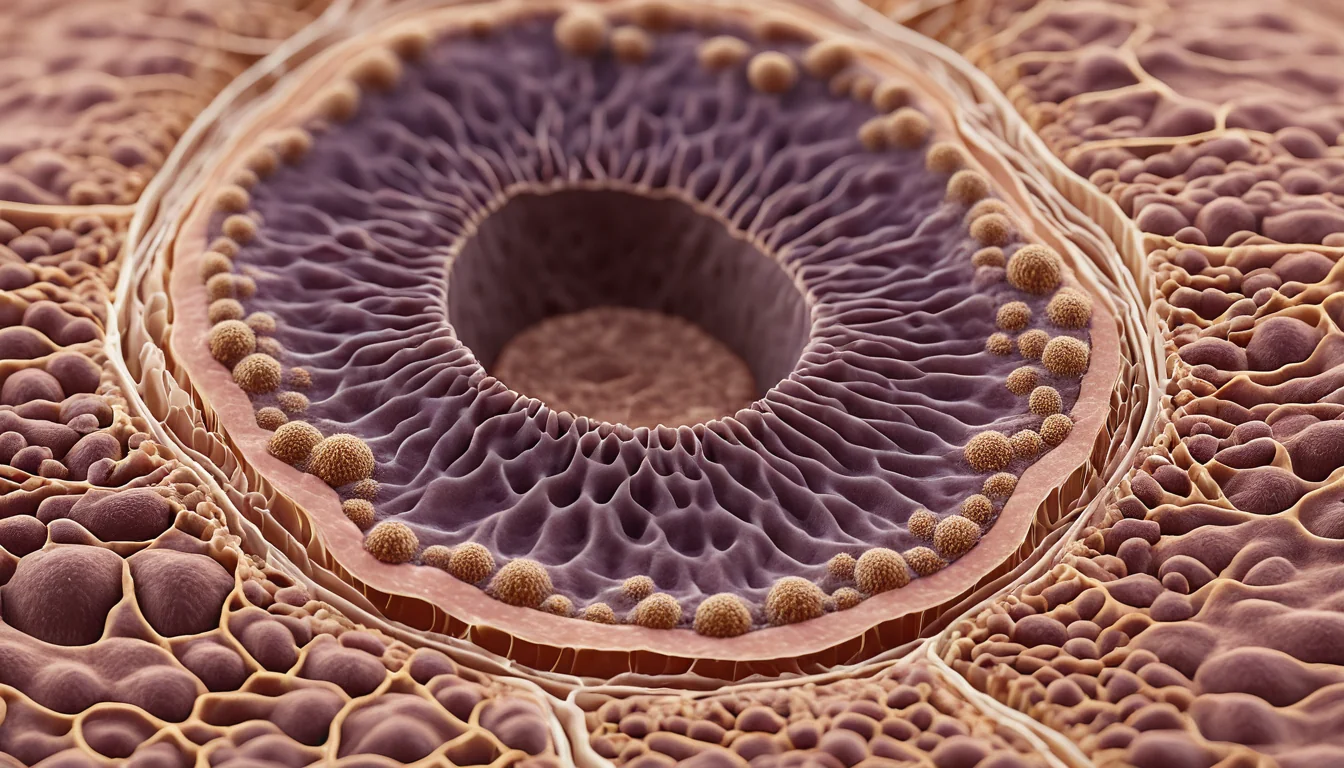
Moles on skin are small, pigmented spots that nearly every Canadian has — most people develop between 10 and 40 over their lifetime. They form when melanocytes, the cells responsible for skin pigment, grow in clusters rather than spreading evenly across the skin. While the vast majority of moles are completely harmless, understanding what they look like and how they behave is one of the smartest steps you can take for your long-term health.
What Are Moles on Skin and Why Do They Form?
Knowing the difference between a normal mole vs melanoma could one day save your life. In Canada, melanoma rates have been rising steadily, making regular skin mole checks more important than ever. Whether your moles are flat or raised, present since birth or newly developed, learning to monitor them using simple tools like the ABCDE rule empowers you to catch warning signs early and seek medical attention when it matters most.
What Are Moles?
| Type of Mole | Key Characteristics | Risk Level | Recommended Management |
|---|---|---|---|
| Common Mole (Acquired Nevus) | Round or oval shape, uniform brown or tan colour, smooth edges, less than 6mm in diameter | Low – benign in most cases | Annual skin checks; monitor for changes using the ABCDE rule |
| Congenital Mole | Present at birth; ranges from small to large; may be darker and slightly raised; larger ones carry higher risk | Low to Moderate – larger lesions carry increased melanoma risk | Dermatologist evaluation shortly after birth; regular monitoring or surgical removal depending on size |
| Dysplastic Nevus (Atypical Mole) | Irregular borders, uneven colour with shades of brown, pink, or tan; often larger than 6mm | Moderate to High – associated with increased melanoma risk | Regular dermatology follow-up every 6–12 months; biopsy if significant changes are observed |
| Spitz Nevus | Pink, red, or brown dome-shaped growth; most common in children and young adults; may look similar to melanoma | Moderate – difficult to distinguish from melanoma without biopsy | Biopsy recommended for definitive diagnosis; surgical excision often advised |
| Blue Nevus | Slate-blue or blue-grey in colour; usually small and smooth; located in deeper layers of skin | Low – generally benign but warrants professional evaluation | Initial dermatologist assessment; excision if diagnosis is uncertain or changes occur |
Moles are small spots on the skin, usually brown, dark, or skin-coloured. They can be flat or raised, smooth or rough, and some even have hair growing from them. Most moles are round or oval with even edges.
Some moles are present at birth. These are called congenital moles. However, most moles develop during the first 20 years of life. Some may continue to appear into your 30s and 40s.
Sun exposure plays a big role in mole development. Moles tend to appear more often on skin that gets the most sun, such as the face, arms, and shoulders. In Canada, outdoor workers and people who spend a lot of time in the sun are at higher risk of developing new moles.
How Moles Change Over Time
Moles can change in appearance as you age. Hormonal changes — such as those during pregnancy, puberty, or menopause — can affect how moles look. Some moles fade and disappear on their own without you even noticing.
These changes are usually harmless. However, certain types of changes are worth watching closely, as they can signal something more serious.
What Are Seborrheic Keratoses?
Seborrheic keratoses are benign (non-cancerous) skin growths that are common in older adults. They often appear after years of sun exposure. Their surface is usually soft and slightly raised, and their colour can range from yellow to dark brown or even black.
These growths are not moles, but they can look similar. They are not dangerous. However, if you notice a new or changing growth on your skin, it is always best to have it checked by a healthcare provider.
Moles and Melanoma: Understanding the Risk
Melanoma is the most serious type of skin cancer. It can develop from an existing mole or appear as a new dark spot on the skin. Melanoma can occur anywhere on the body, not just in sun-exposed areas.
Importantly, melanoma is often linked to short periods of intense sun exposure — for example, a two-week summer holiday with heavy sunburn — rather than gradual, everyday exposure. This is why sun protection matters so much, even on occasional outings.
According to Health Canada, skin cancer is one of the most common cancers in Canada. Catching it early makes a significant difference in treatment outcomes.
The ABCDE Rule for Moles
Doctors use a simple tool called the ABCDE rule to help identify potentially dangerous moles. Check your moles regularly using this guide:
- A — Asymmetry: One half of the mole does not match the other half.
- B — Border: The edges are irregular, ragged, or blurred.
- C — Colour: The colour is uneven, with shades of brown, black, red, white, or blue.
- D — Diameter: The mole is larger than 6 mm (about the size of a pencil eraser).
- E — Evolution: The mole is changing in size, shape, colour, or starts to bleed or itch.
If a mole shows any of these signs, see your family doctor or visit a walk-in clinic as soon as possible. For more detail on warning signs, the Mayo Clinic’s melanoma guide is a trusted resource.
How Moles Are Diagnosed in Canada
Checking your moles regularly is an important habit. Most changes are benign and nothing to worry about. However, any unusual change deserves a professional assessment.
Your family doctor or a dermatologist (a skin specialist) will ask about recent changes to the mole and your personal and family history of skin cancer. Family history can increase your risk of melanoma, so be sure to share this information.
What Happens During a Mole Exam
If the change appears minor, your doctor may photograph the mole to track it over time. This is a common and painless approach used in many Canadian clinics.
If the mole shows signs that concern your doctor, they may recommend a biopsy. A biopsy means removing a small piece of the mole or the entire mole. The tissue is then sent to a laboratory for examination under a microscope.
In some cases, you may be referred to a dermatologist or plastic surgeon for further assessment and treatment. You may need two appointments: one for examination and one for any procedure required.
Mole Removal and Treatment Options
If a biopsy shows abnormal cells, your doctor will recommend surgical removal of the mole. When caught early, melanoma is contained to the outer layers of skin. In this case, a simple procedure can remove it completely.
If melanoma is found at a later stage, it may have spread to nearby tissues or other organs. This is called metastasis. At this point, more extensive treatment is needed, which your specialist will discuss with you.
Types of Mole Removal Procedures
There are two main ways doctors remove moles in Canada:
- Surgical excision: The doctor cuts out the mole, sometimes with a small border of healthy skin around it. Stitches may be used to close the wound.
- Shave excision with electrocautery: The doctor shaves off the mole and uses an electric instrument to seal the area. Stitches are usually not needed for smaller moles.
Before either procedure, the skin is cleaned and numbed with a local anaesthetic. You will feel pressure but not pain. After the procedure, the area is covered with a sterile dressing, and your doctor will explain how to care for the wound at home.
Whether stitches are used depends on the size, depth, and location of the mole, as well as the risk of scarring. Dissolvable stitches may be placed under the skin, while surface stitches are usually removed within one to two weeks.
Mole Removal for Cosmetic Reasons
Some people choose to have moles removed for cosmetic reasons, even when there is no medical concern. For example, a large or prominent mole may affect a person’s confidence or self-esteem.
In Canada, cosmetic mole removal is generally not covered by provincial health plans. It is typically performed as a private procedure. Talk to your family doctor about your options and any associated costs.
When to See a Doctor About Moles
You do not need to see a doctor for every mole. However, some situations call for prompt medical attention. Visit your family doctor or a walk-in clinic if you notice any of the following:
- A mole that is growing quickly
- A mole that bleeds without injury
- A mole that itches or feels inflamed
- A new dark spot that looks different from your other moles
- Any mole that shows ABCDE warning signs
Early detection is the most effective way to treat melanoma. Do not wait to see if a change resolves on its own. A quick visit to a walk-in clinic can give you peace of mind or catch a problem early when it is easiest to treat.
The World Health Organization’s guide on UV radiation and health also offers helpful advice on protecting your skin year-round.
Always speak with a qualified healthcare provider before making any decisions about your skin health. This article is for informational purposes only and does not replace professional medical advice.
Frequently Asked Questions About Moles
Are moles dangerous?
Most moles are completely harmless and require no treatment. However, some moles can develop into melanoma, a serious skin cancer. Watching for changes in your moles and seeing a doctor when something looks different is the best way to stay safe.
How do I know if a mole is cancerous?
Use the ABCDE rule to check your moles for warning signs: asymmetry, irregular borders, uneven colour, a diameter larger than 6 mm, and any evolution or change over time. If a mole bleeds, itches, or changes shape, see your family doctor right away.
Can moles disappear on their own?
Yes, some moles do fade and disappear naturally over time, especially as you get older. This is usually harmless. However, if a mole changes or disappears suddenly, it is still worth mentioning to your doctor during your next visit.
Is mole removal covered by provincial health plans in Canada?
Mole removal for medical reasons — such as suspected melanoma — is typically covered by provincial health plans across Canada. Removal for purely cosmetic reasons is generally not covered and would be paid for privately. Check with your provincial health authority or family doctor for details specific to your province.
How often should I check my moles?
Dermatologists recommend doing a self-check of your moles every one to three months. Ask a partner or family member to help check hard-to-see areas like your back. In addition, ask your family doctor to include a skin check during your regular annual physical exam.
What is the difference between a mole and a seborrheic keratosis?
According to Public Health Agency of Canada’s guidance on skin cancer, this information is supported by current medical research.
For more information, read our guide on foods that may help prevent cancer in Canada.
A mole forms from pigment-producing skin cells and can appear at any age. A seborrheic keratosis is a benign skin growth that usually appears in older adults after prolonged sun exposure. Both are generally harmless, but any new or changing skin growth should be assessed by a healthcare provider to rule out anything serious.
Key Takeaways
- Most moles are harmless and develop during the first two decades of life.
- Sun exposure increases the number of moles and raises the risk of melanoma.
- Use the ABCDE rule to monitor moles for warning signs of skin cancer.
- See your family doctor or a walk-in clinic if a mole changes in size, shape, colour, or starts to bleed or itch.
- Early diagnosis of melanoma leads to much better treatment outcomes.
- Mole removal for medical reasons is generally covered by provincial health plans in Canada.
- Always consult a qualified healthcare provider for a proper diagnosis and treatment plan.
Frequently Asked Questions
What are moles on skin?
Moles on skin are small, pigmented growths that form when melanocytes (skin pigment cells) cluster together rather than spreading evenly. They typically appear brown or black, are round or oval, and measure under 6mm. Most Canadians develop between 10 and 40 moles by adulthood, and the majority are completely harmless.
What are the warning signs that a mole on skin is dangerous?
Use the ABCDE rule to identify dangerous moles: Asymmetry, irregular Border, uneven Colour, Diameter larger than 6mm (pencil eraser), and Evolution or change over time. Additional warning signs include bleeding, itching, or crusting. These symptoms may indicate melanoma and require prompt medical evaluation.
How are moles treated or removed in Canada?
Moles are typically removed through surgical excision or shave removal, performed by a dermatologist or family physician. Suspicious moles are sent for biopsy to test for cancer. Cosmetic removal may not be covered by provincial health insurance. Laser treatment is generally not recommended for moles that haven’t been properly assessed.
Can moles on skin be prevented?
While genetics influence mole development, sun exposure can increase their number and raise melanoma risk. Canadians can reduce risk by applying broad-spectrum SPF 30+ sunscreen daily, wearing protective clothing, avoiding tanning beds, and seeking shade during peak UV hours between 11am and 3pm, especially during summer months.
When should you see a doctor about a mole in Canada?
See a doctor promptly if a mole changes in size, shape, or colour, or develops new symptoms like bleeding or itching. Canadians should also request a full skin exam if they have a personal or family history of skin cancer. Annual skin checks are recommended for those with many moles or significant sun exposure history.

About the Author
Dr. Sarah Mitchell, MDDr. Sarah Mitchell is a board-certified family physician with over 15 years of clinical experience. She completed her MD at the University of Toronto and her residency at Toronto General Hospital. Dr. Mitchell specializes in preventive medicine and chronic disease management. She is a member of the College of Family Physicians of Canada (CFPC) and has published over 30 peer-reviewed articles on preventive health care.
View all articles →