Organic Food Benefits: Supplements & Gluten-Free Canada

Share
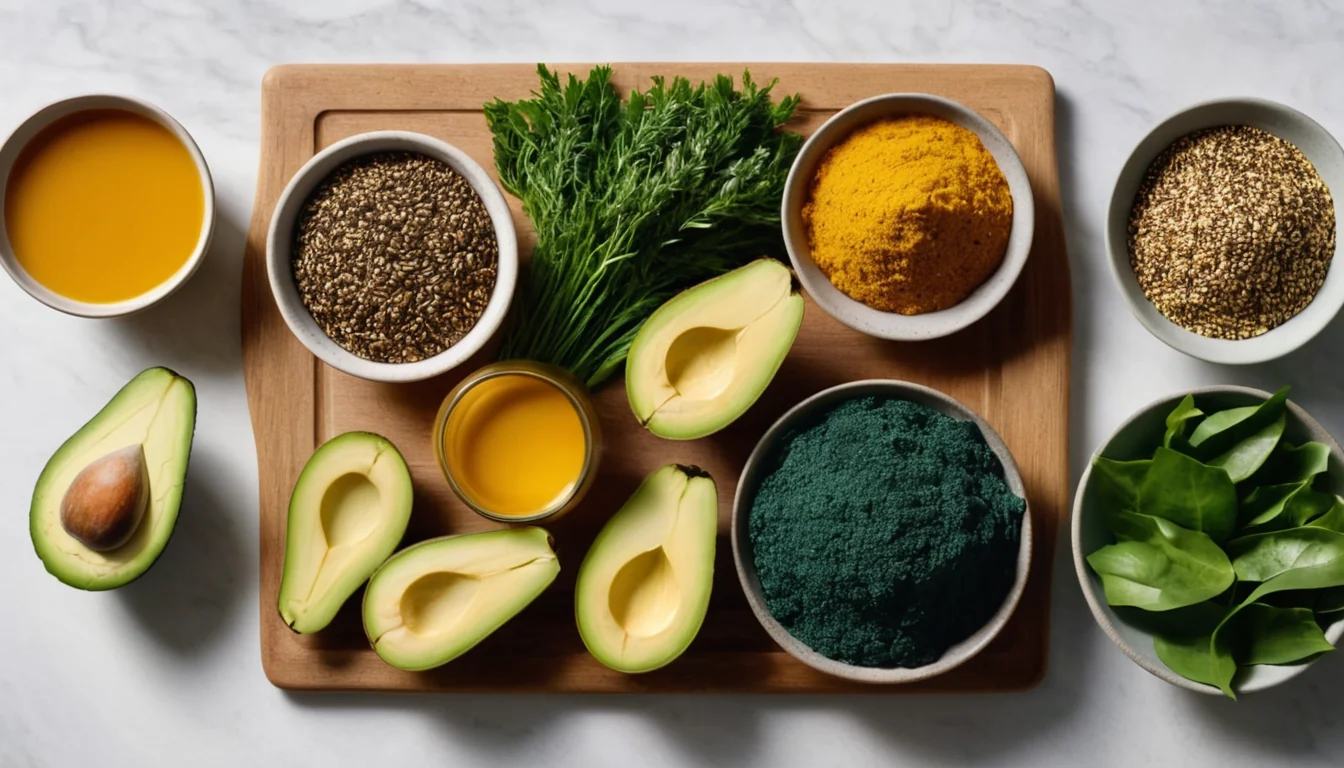
Understanding organic food benefits is the first step toward making healthier choices at the grocery store. More Canadians than ever are reaching for organic products, whether shopping at a local co-op or scanning labels at a big-box retailer. But what does organic really mean, and is it truly better for your health?
Key Organic Food Benefits You Should Know
This article breaks down the real advantages of organic food, explains how organic supplements in Canada differ from conventional options, and explores who benefits most from gluten-free organic products. From federal labelling standards to practical shopping tips, you will learn everything you need to make smarter, more informed decisions about the food you eat every day.
What Is Organic Food?
| Food Category | Organic Food Benefits | Conventional Comparison | Canadian Considerations |
|---|---|---|---|
| Fruits & Vegetables | Higher antioxidant levels; reduced pesticide residue exposure; increased polyphenol content | May contain detectable pesticide residues; similar macronutrient profile | Canada Organic logo (COG-certified) ensures compliance with Canadian Organic Standards (CAN/CGSB-32.310) |
| Dairy Products | Higher omega-3 fatty acids; increased conjugated linoleic acid (CLA); no synthetic hormone use | May contain traces of synthetic hormones; lower omega-3 content in grain-fed sources | Health Canada prohibits rBST (bovine growth hormone) in all Canadian dairy, organic or conventional |
| Meat & Poultry | No routine antibiotic use; supports antimicrobial resistance reduction; higher omega-3 content | Routine antibiotic use contributes to antimicrobial resistance concerns | PHAC (Public Health Agency of Canada) identifies antimicrobial resistance as a priority public health issue |
| Gluten-Free Organic Grains | Reduced pesticide exposure; suitable for celiac disease management; higher mineral retention | Gluten-free conventional products may contain additives and higher glycemic ingredients | Celiac Canada recommends certified gluten-free products; organic certification is separate from gluten-free labelling |
| Organic Supplements | Fewer synthetic fillers; plant-based sourcing; reduced exposure to artificial additives | Conventional supplements may include synthetic binders, colourings, and fillers | Health Canada regulates supplements as Natural Health Products (NHPs); look for NPN number regardless of organic status |
Organic food refers to crops grown without conventional pesticides, synthetic fertilizers, genetic engineering, or ionizing radiation. For animal products like meat, dairy, and eggs, organic means the animals were raised without antibiotics or growth hormones.
In Canada, the term “organic” is regulated. Products carrying the Canada Organic logo must meet strict federal standards. You can learn more about these standards on the Health Canada website.
Organic food includes fruits, vegetables, fish, dairy, and meat. These products are minimally processed and free from artificial additives.
Key Benefits of Organic Food
Many people switch to organic food because of the potential health benefits. Research suggests there are several good reasons to consider making the change.
May Help Prevent Serious Illness
Studies suggest that organic fruits and vegetables contain up to 40% more antioxidants than conventionally grown produce. Antioxidants protect healthy cells from damage caused by free radicals. This may help lower the risk of cancer, stroke, and heart disease.
Organic produce also contains salicylic acid. This natural compound may help reduce the risk of atherosclerosis, a hardening of the arteries that can lead to heart attacks.
Better Taste and Nutritional Value
Many people notice that organic food simply tastes better. Without artificial flavour enhancers or preservatives, the natural taste of the food comes through more strongly.
A study funded by the European Union found that organic vegetables and fruits contain up to 50% more antioxidants, vitamins, and minerals — including iron and zinc — compared to conventional produce. In addition, organic products tend to have higher levels of important plant nutrients called phytonutrients.
Supports Healthy Weight Management
Organic food does not contain the preservatives and chemical additives found in many processed foods. Some of these additives are linked to water retention, slower metabolism, and weight gain. Therefore, choosing organic may support a healthier body weight over time.
However, organic food is not a weight-loss solution on its own. A balanced diet and regular physical activity remain the most important factors for maintaining a healthy weight.
Organic Nutritional Supplements
Organic nutritional supplements are made from natural ingredients — without artificial colourants, chemical additives, or synthetic fillers. These are different from many conventional supplements, which may contain artificial ingredients even when labelled as “natural.”
Always read the label carefully. A product that says “natural” on the packaging is not necessarily organic.
What Makes a Supplement Truly Organic?
Organic supplements are made from plant extracts or minerals sourced through organic farming. Their purpose is to top up essential nutrients your body may be lacking. They are also used for specific goals, such as building muscle or supporting fat loss.
According to research, organic supplements deliver higher levels of key nutrients like calcium and magnesium compared to conventional options. Furthermore, scientists have found that organic supplements contain significantly lower levels of toxic metals such as mercury, lead, and aluminium. Exposure to these metals over time has been linked to neurological problems, lower IQ, and an increased risk of Alzheimer’s disease.
How to Choose a Quality Organic Supplement
When shopping for organic supplements in Canada, look for products with a short ingredient list. You should be able to recognize and understand every ingredient on the label.
- Look for nutrients sourced from whole foods like grains, fruits, and vegetables.
- Choose products certified organic by a recognized Canadian or international body.
- Avoid supplements with long lists of unrecognizable chemical names.
- Check the Mayo Clinic’s supplement guidance for trusted advice on specific nutrients.
As a rule of thumb, simpler is better. Fewer ingredients usually means less chance of consuming something harmful.
Organic Gluten-Free Products
Organic gluten-free products combine the benefits of organic farming with the removal of gluten — a protein found in wheat, barley, and rye. Gluten gives dough its stretchy texture, but it can cause serious digestive problems in people who are sensitive to it.
These products include gluten-free flour, bread, pasta, cereals, baked goods, and beverages. They carry all the advantages of standard organic food, with the added benefit of being safe for people with gluten sensitivity.
Who Should Consider Gluten-Free Organic Products?
Gluten-free organic products are especially helpful for people with celiac disease — a serious autoimmune condition where gluten damages the lining of the small intestine. In Canada, about one in 100 people has celiac disease, though many cases go undiagnosed.
These products are also suitable for people with non-celiac gluten sensitivity, which causes similar symptoms without the intestinal damage. For these individuals, removing gluten from the diet can reduce bloating, fatigue, and digestive discomfort.
Can Anyone Eat Gluten-Free Organic Food?
Yes — you do not need a gluten sensitivity to enjoy these products. Experts say gluten-free organic foods are excellent sources of iron, calcium, and B vitamins for anyone.
For example, organic gluten-free oats offer a wide range of health benefits. These include lowering cholesterol, supporting heart health, strengthening the immune system, and even helping with sleep, stress, anxiety, and low mood.
Gluten-free grains are also more environmentally friendly. They tend to be more resistant to pests and require less water to grow, making them a more sustainable choice for the planet.
Organic Food and the Canadian Context
Buying organic in Canada has become easier over the past decade. Most major grocery chains now carry certified organic sections. Farmers’ markets across the country offer local organic produce, often at competitive prices.
Provincial health plans do not typically cover the cost of organic food or supplements. However, if you have a condition like celiac disease, some provinces may offer support through dietitian services covered under your provincial plan. Check with your provincial health authority for details.
For Canadians looking to improve their overall diet quality, the Healthline guide to organic eating offers practical tips on getting started without breaking the budget.
When to See a Doctor
Switching to organic food is generally safe for most people. However, if you are considering organic supplements, it is important to speak with a healthcare provider first. Some supplements can interact with prescription medications or affect existing health conditions.
If you experience digestive symptoms like bloating, diarrhea, or abdominal pain after eating foods that contain gluten, see your family doctor. They can order a blood test to check for celiac disease or gluten sensitivity. If you do not have a family doctor, a walk-in clinic can help you get started with testing and a referral.
Do not self-diagnose celiac disease or start a strict gluten-free diet without medical guidance. Removing gluten before testing can make the results inaccurate.
Frequently Asked Questions About Organic Food
Is organic food actually healthier than conventional food?
Research suggests that organic food contains higher levels of antioxidants, vitamins, and minerals compared to conventionally grown produce. Organic food also has lower levels of pesticide residues, which may reduce long-term health risks. However, a balanced, varied diet matters more than whether every item is organic.
What does the Canada Organic logo mean on a product?
The Canada Organic logo means the product meets federal organic standards regulated by the Canadian Food Inspection Agency. At least 95% of the ingredients in that organic food product must be certified organic. This logo helps Canadians identify trustworthy organic products at the store.
Are organic supplements safe to take every day?
Organic supplements are generally considered safer than conventional ones because they contain fewer synthetic chemicals and lower levels of toxic metals. That said, even natural supplements can cause side effects or interact with medications. Always speak with your family doctor or a pharmacist before starting any new supplement.
Who should eat gluten-free organic food?
Gluten-free organic food is essential for people with celiac disease or gluten sensitivity, as it prevents harmful digestive reactions. However, anyone can enjoy these products as part of a healthy diet, since they are rich in fibre, iron, calcium, and B vitamins. If you suspect you have a gluten intolerance, see your doctor before eliminating gluten entirely.
Does organic food help with weight loss?
Organic food may support weight management because it is free from certain additives linked to water retention and slower metabolism. However, organic food is not a weight-loss product on its own. Maintaining a healthy weight requires a balanced diet, regular activity, and guidance from a healthcare provider.
Is organic food worth the extra cost in Canada?
According to Health Canada’s guidelines on organic food safety, this information is supported by current medical research.
For more information, read our guide on organic food labels and standards in Canada.
Organic food often costs more than conventional options due to the higher standards involved in organic farming. Many Canadians choose to buy organic selectively — focusing on items known for higher pesticide residues, like strawberries, apples, and spinach. Shopping at local farmers’ markets or buying in season can also help reduce the cost of eating organic.
Key Takeaways
- Organic food is grown without synthetic pesticides, fertilizers, or genetic modification.
- Organic produce may contain more antioxidants, vitamins, and minerals than conventional food.
- Organic supplements contain fewer toxic metals and synthetic chemicals than conventional options.
- Gluten-free organic products are essential for people with celiac disease and helpful for anyone seeking cleaner nutrition.
- In Canada, look for the Canada Organic logo to verify a product meets federal standards.
- Always speak with your family doctor or a walk-in clinic provider before making major dietary changes or starting new supplements.
- Organic eating does not have to be all-or-nothing — even small changes can support better long-term health.
Frequently Asked Questions
What are the main organic food benefits for Canadians?
Organic food benefits include reduced exposure to synthetic pesticides, herbicides, and artificial additives. Organic produce often contains higher levels of antioxidants and beneficial nutrients. For Canadians, choosing certified organic foods supports gut health, reduces toxic chemical intake, and may lower long-term risks of certain chronic conditions and hormonal disruptions.
What are the symptoms of gluten intolerance in adults?
Common gluten intolerance symptoms include bloating, abdominal pain, diarrhea, fatigue, brain fog, and skin rashes. Some adults experience joint pain, headaches, or unexplained weight loss. Symptoms typically appear within hours to days after consuming gluten-containing foods like wheat, barley, or rye, and vary in severity between individuals.
How do organic food benefits compare to conventional food for nutrition?
Research suggests organic foods contain up to 50% more antioxidants than conventionally grown options. Organic dairy and meat products tend to have higher omega-3 fatty acid levels. While caloric content is similar, organic food benefits include significantly fewer synthetic chemical residues, supporting overall immune function and long-term wellness.
Can gluten-free organic supplements help manage digestive health issues?
Yes, gluten-free organic supplements containing probiotics, digestive enzymes, and plant-based nutrients can support gut health and reduce inflammation. They are particularly beneficial for individuals with celiac disease or gluten sensitivity. Always choose Health Canada-approved supplements and consult a registered dietitian before beginning any new supplement regimen.
When should you see a doctor about gluten sensitivity or food reactions?
See a doctor if you experience persistent bloating, chronic diarrhea, unexplained fatigue, or significant weight loss after eating. Seek immediate medical attention for severe abdominal pain or nutrient deficiency symptoms. A Canadian physician can order celiac disease testing and provide proper diagnosis before starting any gluten-free or organic dietary changes.

About the Author
Dr. Linda Chen, RD, PhDDr. Linda Chen is a registered dietitian and PhD in Nutritional Sciences from the University of British Columbia. With expertise in clinical nutrition, sports dietetics, and gut health, she has worked with leading Canadian hospitals and sports organizations. Dr. Chen is a member of Dietitians of Canada and regularly contributes to national nutrition policy discussions.
View all articles →