Seborrhoeic Keratosis: Causes, Symptoms & Treatment

Share
Seborrhoeic keratosis is one of the most common benign skin growths found in Canada, affecting the majority of adults as they age. These non-cancerous lesions typically appear on the back, chest, face, scalp, and limbs, and while they may look concerning, they pose no serious health risk.
What Causes Seborrhoeic Keratosis and Who Is at Risk?
Most Canadians will develop at least one seborrheic keratosis in their lifetime, making it essential to understand what these non-cancerous skin lesions look like, how they are diagnosed, and when treatment may be needed. This guide covers everything you need to know, including whether removal is covered by provincial health plans across Canada.
What Is Seborrhoeic Keratosis?
| Treatment Option | How It Works | Benefits | Considerations |
|---|---|---|---|
| Cryotherapy (Liquid Nitrogen) | Freezes and destroys the growth using liquid nitrogen applied directly to the lesion | Quick procedure, minimal downtime, widely available at Canadian dermatology clinics | May cause temporary skin lightening; multiple sessions sometimes needed for thicker lesions |
| Electrosurgery / Curettage | Uses an electric current to burn the lesion, often combined with scraping (curettage) | Effective for raised or thicker growths; precise removal with low recurrence rate | Minor scarring possible; typically performed under local anaesthetic by a dermatologist |
| Laser Therapy | Targeted laser energy ablates or vaporises the seborrhoeic keratosis tissue | Precise, minimal surrounding tissue damage, good cosmetic outcomes | Generally not covered by provincial health plans; higher out-of-pocket cost in Canada |
| Shave Excision | Lesion is shaved flush with the skin surface using a scalpel under local anaesthetic | Allows tissue biopsy if diagnosis is uncertain; single-visit procedure | Small risk of scarring; may be referred to a dermatologist or plastic surgeon |
| Hydrogen Peroxide 40% Solution (Eskata) | Topical solution applied in-office that breaks down keratotic tissue over one or more visits | Non-invasive, no cutting or freezing required; suitable for multiple lesions | Limited availability in Canada; may require repeat applications for complete clearance |
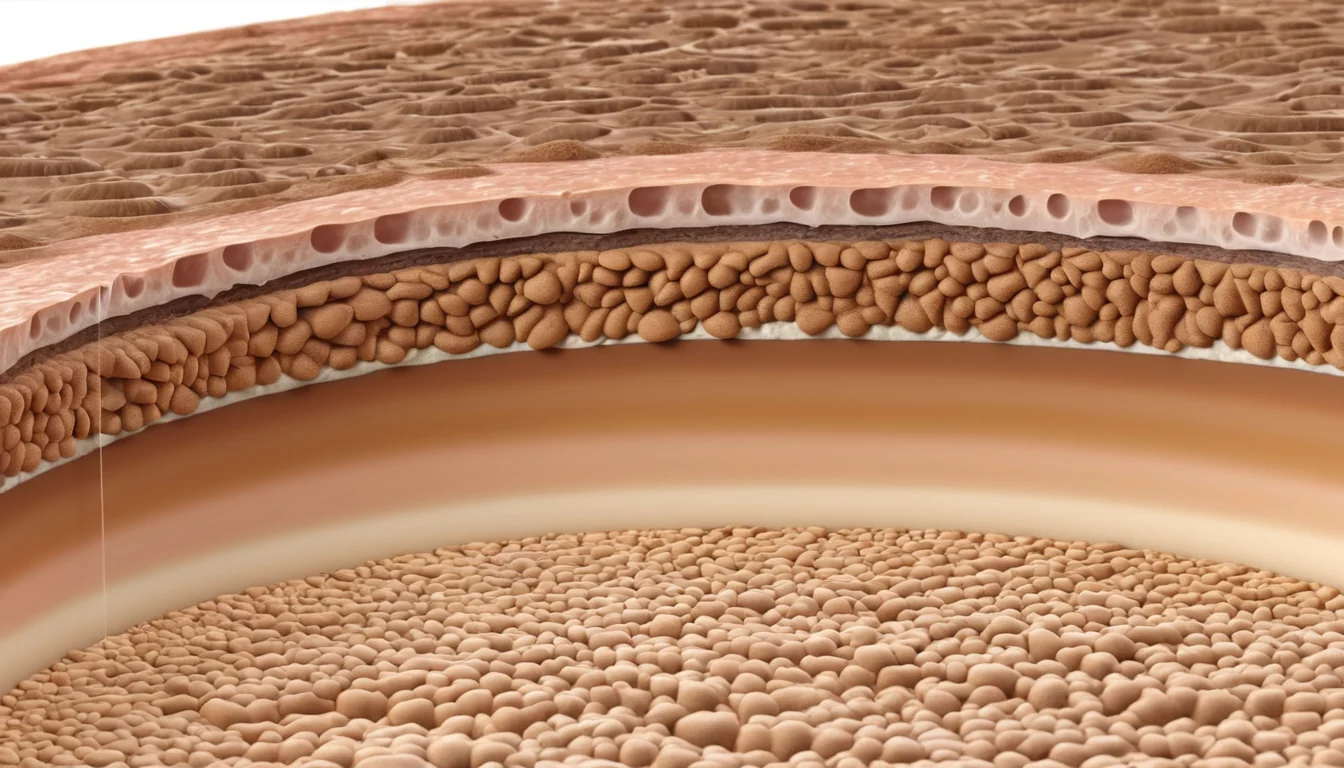
Seborrhoeic keratosis is a non-cancerous skin growth that develops slowly as you age. These growths can appear alone or in clusters on almost any part of the body. They are extremely common and are not a sign of cancer or serious illness.
Most people develop these growths at some point in their lives. In fact, according to Mayo Clinic, seborrhoeic keratosis is among the most frequently seen non-cancerous skin lesions in older adults.
What Does Seborrhoeic Keratosis Look Like?
The appearance of seborrhoeic keratosis can vary quite a bit from person to person. This can sometimes make it tricky to identify on your own.
Colour and Size
These growths range in colour from skin-tone to light brown, dark brown, or even black. Some are multicoloured. They can be very small or grow larger than 2.5 cm in diameter over time.
Texture and Shape
Seborrhoeic keratosis growths may feel waxy and smooth, velvety, or rough and bumpy. A key identifying feature is that they often look as though they have been stuck or pasted onto the surface of the skin. They can be flat or raised, and some develop a slightly crumbly surface when touched.
Other features include:
- A dry crust that peels away easily from the skin
- Small white or dark raised bumps on the surface
- A scaly, flaky texture in some cases
- Occasional swelling and redness without any obvious cause
- Slow growth over time — they rarely disappear on their own
Where Do They Appear?
Seborrhoeic keratosis most commonly appears on the back and chest. However, these growths also show up on the scalp, face, neck, arms, lower legs, and even the tips of the fingers. They can grow in clusters or as a single isolated spot.
Symptoms of Seborrhoeic Keratosis
In most cases, seborrhoeic keratosis does not cause any symptoms at all. These growths are benign, meaning they are not cancerous and do not harm your overall health.
However, some growths can become uncomfortable. For example, they may become itchy, bleed slightly, or turn red and irritated if they rub against clothing or jewellery. If a growth is in an area that causes ongoing discomfort, it may be worth discussing removal with your doctor.
According to Healthline, seborrhoeic keratosis growths that are irritated or frequently rubbed may benefit from medical removal, even when they are not dangerous.
Causes and Risk Factors
Doctors do not fully understand what causes seborrhoeic keratosis. However, age is the biggest risk factor — these growths become more common as people get older. They rarely appear in children or young adults.
Is It Hereditary?
There does appear to be a family connection. If one of your parents developed clustered seborrhoeic keratosis growths, you may be more likely to develop them too. This suggests that genetics may play a role.
A Rare Warning Sign
In rare cases, a sudden outbreak of many seborrhoeic keratosis growths at once — known as the Leser-Trélat sign — may be linked to an internal cancer. This is uncommon, but it is a reason to see your doctor if many new growths appear quickly and unexpectedly.
Diagnosis: How Doctors Identify Seborrhoeic Keratosis
A doctor can usually diagnose seborrhoeic keratosis with a simple visual examination. They look for the characteristic rough, uneven surface and the pasted-on appearance of the growth.
However, seborrhoeic keratosis can look similar to other skin conditions, including:
- Warts
- Moles
- Lentigo (age spots or liver spots)
- Skin cancer (melanoma or other forms)
Because of this similarity, your doctor may recommend a skin biopsy in certain situations. A biopsy involves removing a small sample of skin to examine it under a microscope. This rules out the possibility of skin cancer.
When Is a Biopsy Needed?
A skin biopsy may be necessary if a growth is itchy or bleeds easily, becomes inflamed or red, or has a very dark brown or black colour. Your family doctor or a dermatologist will make this decision based on what they observe during your examination.
When to See a Doctor
Seborrhoeic keratosis is usually harmless, but there are times when you should get it checked out. Visit your family doctor or a walk-in clinic if you notice a new skin growth that looks unfamiliar. It is always better to be certain.
You should see a doctor promptly if a skin growth:
- Appears suddenly and is joined by many other new growths
- Is dark, irregular in shape, or has uneven borders
- Bleeds without being scratched or injured
- Changes in size, shape, or colour quickly
- Causes ongoing pain or discomfort
Most provincial health plans in Canada cover a doctor’s visit to assess a suspicious skin growth. If you are unsure, start with your family doctor. They can refer you to a dermatologist if needed. Walk-in clinics are also a convenient option for a first look at any new or changing skin growth.
For general guidance on skin health, you can also visit Health Canada for reliable, up-to-date information.
Treatment Options for Seborrhoeic Keratosis
Seborrhoeic keratosis does not need to be treated because it is not cancerous and does not affect your health. However, many people choose to have these growths removed for cosmetic reasons or because they are causing discomfort.
Cryotherapy (Freezing)
Cryotherapy uses extreme cold — usually liquid nitrogen — to freeze and destroy the growth. This is the most common treatment for seborrhoeic keratosis, especially for flat or slightly raised growths. It is quick and generally well-tolerated.
Curettage (Scraping)
Your doctor uses a small, spoon-shaped instrument called a curette to scrape the growth away. This method works well but has a higher chance of the growth returning if used alone. Doctors often combine it with another technique for better results.
Electrocautery (Burning)
Electrocautery sends a low-voltage electrical current through a fine needle to burn away the growth. It is frequently used together with curettage. This combination improves effectiveness and reduces the chance of the growth coming back.
Laser Treatment
Laser photocoagulation uses a focused beam of light to burn and destroy the growth. This is a precise option that works well for certain types and locations of seborrhoeic keratosis growths.
Surgical Excision
In some cases, a doctor may cut the growth away with a scalpel after injecting a local anaesthetic. Surgical excision may leave a small scar. It is typically used when a biopsy is also needed to rule out skin cancer.
After Treatment Care
After removal, the treated area may be sore for a few days. Your doctor will advise you on how to care for the wound as it heals. This usually involves regular cleaning and applying an antibiotic ointment to prevent infection.
Keep in mind that cryotherapy, electrocautery, and laser treatment can sometimes leave small areas of lighter or darker skin. Factors such as older age, sun exposure, and smoking can slow healing.
Is Removal Covered by Provincial Health Plans?
Removal of seborrhoeic keratosis for cosmetic reasons is often not covered by provincial health insurance plans. However, if the growth is causing medical concern — such as suspected cancer or significant irritation — coverage may apply. It is a good idea to check with your provincial health plan or your doctor’s office before booking a procedure.
Frequently Asked Questions
Is seborrhoeic keratosis the same as skin cancer?
No, seborrhoeic keratosis is not skin cancer. It is a benign (non-cancerous) skin growth that is completely harmless in the vast majority of cases. However, because seborrhoeic keratosis can sometimes look similar to skin cancer, it is always a good idea to have any new or changing skin growth checked by a doctor.
Can seborrhoeic keratosis go away on its own?
Seborrhoeic keratosis rarely disappears on its own. These growths tend to stay on the skin and may slowly increase in size over time. If a growth is bothering you — either for cosmetic reasons or because it is irritated — your doctor can remove it safely.
Is seborrhoeic keratosis contagious?
No, seborrhoeic keratosis is not contagious. You cannot catch it from another person, and you cannot spread it to other people. These growths develop due to age and possibly genetics, not infection.
How can I tell if a skin growth is seborrhoeic keratosis or something more serious?
It can be very difficult to tell the difference on your own. Seborrhoeic keratosis typically looks as though it has been pasted onto the skin and has a waxy or rough texture. However, because it can look similar to melanoma or other skin cancers, you should always see a family doctor or visit a walk-in clinic if you are unsure about any skin growth.
Does seborrhoeic keratosis need to be removed?
Seborrhoeic keratosis does not need to be removed unless it is causing discomfort or you have concerns about its appearance. Treatment options such as cryotherapy, curettage, or laser removal are available if you choose to have it taken off. Talk to your doctor about which option suits your situation best.
Is seborrhoeic keratosis removal covered by provincial health insurance in Canada?
According to Mayo Clinic’s overview of seborrheic keratosis, this information is supported by current medical research.
For more information, read our guide on loss of appetite and other symptoms to watch for.
In most provinces, removal of seborrhoeic keratosis for cosmetic reasons is not covered by provincial health insurance. If the growth is medically necessary to remove — for example, if skin cancer needs to be ruled out — coverage may be available. Check with your provincial health plan or speak with your family doctor for guidance specific to your province.
Key Takeaways
- Seborrhoeic keratosis is a common, non-cancerous skin growth that becomes more frequent with age.
- These growths can vary widely in colour, size, and texture, but often look as though they are stuck onto the skin.
- Most cases cause no symptoms, though some growths can become itchy or irritated.
- A family doctor can usually diagnose seborrhoeic keratosis with a visual exam. A biopsy may be needed to rule out skin cancer.
- Treatment is not required for health reasons, but options like cryotherapy, curettage, and laser removal are available.
- Always see a doctor if a skin growth changes quickly, bleeds, or concerns you — your family doctor or a walk-in clinic is a great first step.
- This article is for informational purposes only. Always consult your doctor or a qualified healthcare provider for advice about your personal health situation.
Frequently Asked Questions
What is seborrhoeic keratosis?
Seborrhoeic keratosis is a common, non-cancerous skin growth that appears as a waxy, scaly, or wart-like lesion. It typically ranges from light tan to dark brown or black. These benign growths become more frequent with age and are not contagious, infectious, or related to sun exposure.
What are the symptoms of seborrhoeic keratosis?
Symptoms include raised, rough, or waxy growths on the skin that appear stuck on, like dried wax. They range from pale tan to dark brown, vary from a few millimetres to several centimetres, and may occasionally itch. They commonly appear on the face, chest, shoulders, and back.
How is seborrhoeic keratosis treated in Canada?
Seborrhoeic keratosis requires no treatment unless bothersome. Canadian dermatologists commonly remove growths using cryotherapy (liquid nitrogen), curettage, electrosurgery, or laser therapy. These procedures are typically performed for cosmetic reasons or if a lesion becomes irritated, itchy, or bleeds from friction with clothing.
Can seborrhoeic keratosis be prevented?
There is currently no proven way to prevent seborrhoeic keratosis. The growths are largely linked to genetics and aging rather than lifestyle factors. Maintaining general skin health, staying hydrated, and protecting your skin from excessive irritation may help minimize discomfort but will not prevent new growths from forming.
When should I see a doctor about a seborrhoeic keratosis?
See a doctor if a growth changes rapidly in size, shape, or colour, bleeds without injury, looks unusual, or resembles melanoma. Sudden appearance of multiple new lesions (sign of Leser-Trélat) may also warrant medical evaluation, as it can occasionally signal an underlying internal condition requiring attention.

About the Author
Dr. Linda Chen, RD, PhDDr. Linda Chen is a registered dietitian and PhD in Nutritional Sciences from the University of British Columbia. With expertise in clinical nutrition, sports dietetics, and gut health, she has worked with leading Canadian hospitals and sports organizations. Dr. Chen is a member of Dietitians of Canada and regularly contributes to national nutrition policy discussions.
View all articles →