
Vertigo Causes: Symptoms, Treatment & Help in Canada

Share
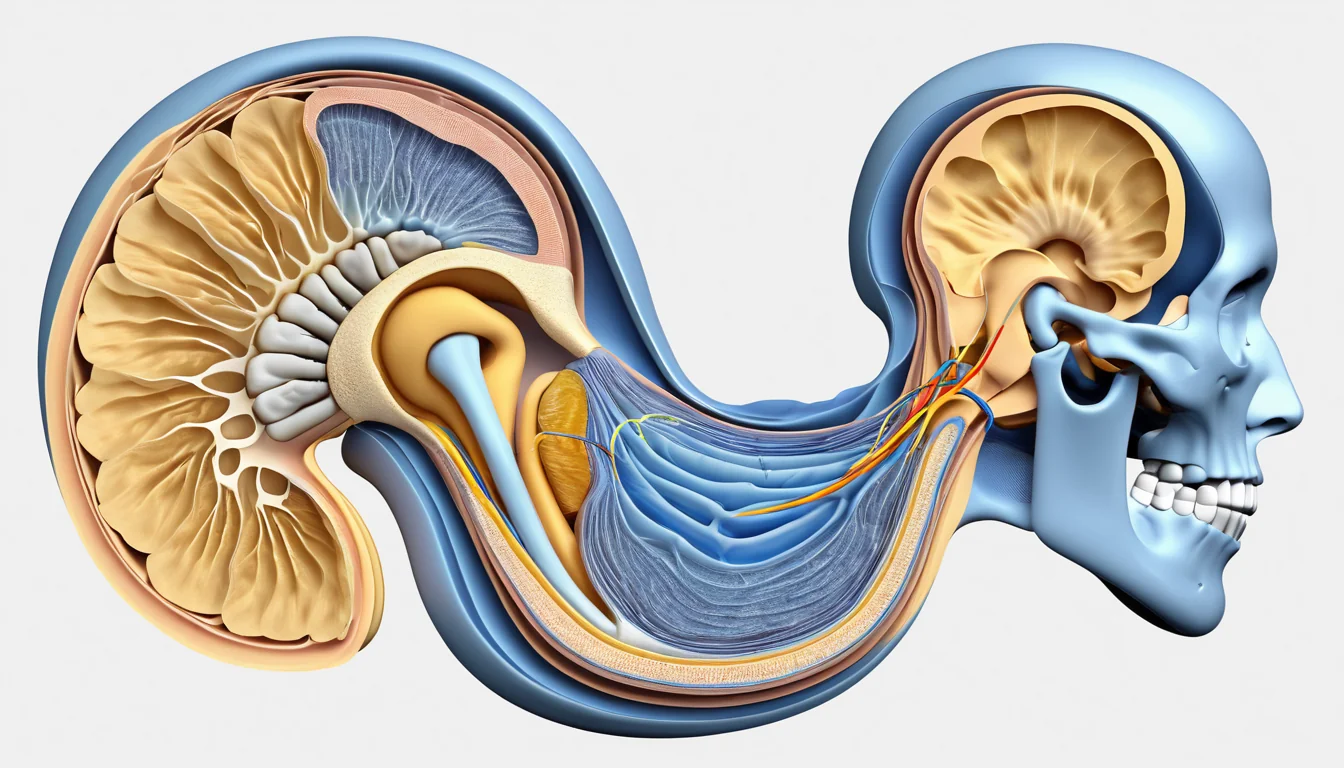
Vertigo causes range from minor inner ear problems to serious neurological conditions — and understanding them is the first step toward finding relief. Vertigo is more than just feeling lightheaded. It is the sensation that you or the world around you is spinning, even when you are completely still. It can strike suddenly, knock you off your feet, and make everyday tasks feel impossible.
What Are the Most Common Vertigo Causes?
Millions of Canadians experience vertigo symptoms each year, yet many do not know what triggers their episodes or when to seek medical attention. Whether your dizziness stems from benign positional vertigo, an inner ear infection, or something more complex, this guide explains what you need to know — including how vertigo is diagnosed and treated across Canada.
What Is Vertigo?
| Type of Vertigo | Common Causes & Characteristics | Key Symptoms | Management Approach |
|---|---|---|---|
| Benign Paroxysmal Positional Vertigo (BPPV) | Displaced calcium crystals in the inner ear; most common vertigo cause in Canada; triggered by head position changes | Brief spinning episodes (under 1 minute), triggered by rolling over in bed or looking up | Epley manoeuvre performed by a physiotherapist or physician; high success rate with repositioning therapy |
| Vestibular Neuritis | Viral infection inflaming the vestibular nerve; often follows a cold or flu | Sudden, severe dizziness lasting days; nausea, vomiting, difficulty walking; no hearing loss | Short-term vestibular suppressants; vestibular rehabilitation exercises; most resolve within weeks |
| Ménière’s Disease | Excess fluid buildup in the inner ear; chronic condition affecting balance and hearing | Recurring vertigo episodes (20 minutes to several hours), tinnitus, fluctuating hearing loss, ear fullness | Low-sodium diet, diuretics, referral to an otolaryngologist (ENT); intratympanic injections in some cases |
| Labyrinthitis | Bacterial or viral infection of the inner ear labyrinth; often associated with middle ear infections | Vertigo with hearing loss, ear pain, tinnitus; symptoms may persist for several weeks | Antibiotics if bacterial; corticosteroids to reduce inflammation; vestibular rehabilitation |
| Central Vertigo | Caused by conditions affecting the brain including stroke, multiple sclerosis, or migraines; less common but more serious | Persistent dizziness, difficulty walking, double vision, slurred speech, facial numbness | Immediate emergency care (call 9-1-1 if stroke is suspected); treatment depends on underlying neurological condition |
Vertigo is a specific type of dizziness. With vertigo, you feel like the room is rotating or tilting around you. Some people feel like they themselves are spinning. The sensation can be mild and barely noticeable, or so severe that you fall to the ground.
Vertigo is not the same as a fear of heights. The dizziness some people feel when looking down from a tall building is different. True vertigo can happen at any time, in any place, and can last for years if left untreated.
Mild vertigo is very common and is often harmless. However, recurring or persistent vertigo may point to another health condition. It is always worth speaking with your family doctor or visiting a walk-in clinic to rule out serious causes.
Vertigo Symptoms to Watch For
Vertigo can come on suddenly and last just a few minutes. For other people, symptoms come and go over several days. In severe cases, vertigo can be constant and make everyday life very difficult.
Common Symptoms of Vertigo
The symptoms of vertigo can vary in strength from person to person. They may include:
- A sensation that the room is moving or spinning
- Nausea and vomiting
- Difficulty standing or walking steadily
- A feeling of being unsteady or off-balance
- Trouble keeping your eyes focused on one point
- A feeling that the floor is moving beneath you
For some people, these symptoms are brief. For others, they are constant and exhausting. In addition, vertigo that lasts several days and causes repeated vomiting can leave you feeling completely drained.
What Causes Vertigo?
Vertigo usually starts with a problem in the inner ear. Your inner ear controls your sense of balance. It contains a fluid-filled, coiled tube called the labyrinth, located just behind your eardrum.
Inner Ear Infections
Viral infections — like a cold or the flu — can spread to the labyrinth. This condition is called labyrinthitis. Less often, a bacterial ear infection (otitis media) can cause labyrinthitis. Vertigo caused by an ear infection often comes on suddenly and may be accompanied by ear pain and fever.
Benign Positional Vertigo
Short but repeated attacks of vertigo are often caused by benign paroxysmal positional vertigo (BPPV). This type can follow a viral infection or an injury to the inner ear. It tends to affect older adults and is often triggered by a sudden head movement, like turning your head quickly. The attacks are usually very brief — just seconds — but they can cause confusion and disorientation.
Other Common Causes of Vertigo
Vertigo can also be linked to other health conditions, including:
- Cervical arthritis — arthritis of the neck, which can be triggered by turning or tilting your head
- Migraines — especially if headaches are severe or if there is a family history of migraines
- Poor circulation — if the part of the brain that controls balance does not get enough blood and oxygen
- Motion sickness and hyperventilation
- Alcohol and certain medications
Severe vertigo may also point to Ménière’s disease. This inner ear disorder causes vertigo attacks that can last up to 12 hours. It is often accompanied by ringing in the ears (tinnitus) and hearing difficulties. Attacks can leave patients completely exhausted. Learn more about inner ear conditions from Mayo Clinic’s overview of Ménière’s disease.
Rare but Serious Causes
In rare cases, vertigo can be caused by a stroke, multiple sclerosis, or a tumour affecting the nerves connecting the inner ear to the brain. These conditions usually come with other symptoms, such as difficulty speaking or changes in vision. Furthermore, vertigo following a head injury requires urgent medical attention. If this happens to you, go to the emergency department right away.
How Is Vertigo Diagnosed?
Your doctor will usually diagnose vertigo by listening to your description of symptoms. A physical exam of your ears, eye movements, and nervous system can help identify the cause.
Tests Your Doctor May Order
If your vertigo is severe or lasts a long time, your doctor may recommend additional tests. These can include:
- Positional testing — your doctor places your head in specific positions to trigger dizziness, which helps diagnose BPPV
- Balance test — you close your eyes and stand still; if you lose your balance, it may suggest an inner ear problem
- Caloric testing — air at different temperatures is gently blown into your ear to check how well your inner ear is working
- X-ray — may be used if cervical arthritis is suspected
- MRI or CT scan — may be needed if tinnitus is present, to rule out a brain tumour
Your provincial health plan may cover many of these tests when referred by a family doctor or specialist. Ask your doctor which tests are right for your situation.
Vertigo Treatment Options
Treatment for vertigo depends on its cause and how severe your symptoms are. The good news is that many cases of vertigo improve on their own or respond well to treatment.
Treating Vertigo Caused by Ear Infections
If vertigo is linked to an ear infection, it is usually mild and clears up once the infection is treated. However, if symptoms are severe or you are vomiting frequently, your doctor may prescribe medication. Bacterial ear infections are treated with antibiotics.
If labyrinthitis is the cause, resting in a quiet, darkened room can help ease nausea and spinning sensations. Labyrinthitis often clears up on its own, but bacterial cases need antibiotics.
Managing Vertigo During Travel
Vertigo can get worse during travel. Therefore, your doctor may prescribe an antiemetic medication before car trips, flights, or boat rides. Antiemetics work by blocking the signals in the brain that trigger nausea and vomiting. They are also helpful for vertigo caused by motion sickness, migraines, or inner ear disorders.
Other Treatment Approaches
If poor blood circulation to the brain is causing your vertigo, your doctor may recommend a daily low-dose aspirin. For BPPV, a series of simple head movements called the Epley manoeuvre can often relieve symptoms quickly — and your doctor or physiotherapist can teach you how to do it. For Ménière’s disease, treatment may include dietary changes, diuretics, and in some cases, further medical procedures.
You can also find reliable information about vertigo treatment through Healthline’s vertigo treatment guide and Health Canada’s patient health resources.
When to See a Doctor About Vertigo
Mild, occasional vertigo is common and often harmless. However, some situations call for prompt medical attention. You should see your family doctor or visit a walk-in clinic if:
- Your vertigo comes back repeatedly or does not go away
- You are vomiting and cannot keep fluids down
- You have ringing in your ears or sudden hearing loss
- Your vertigo followed a head injury
- You experience headaches, vision changes, or difficulty speaking along with vertigo
Go to your nearest emergency department or call 911 immediately if your vertigo comes on suddenly and is accompanied by chest pain, weakness on one side of the body, or trouble speaking. These may be signs of a stroke.
If you are unsure, most walk-in clinics across Canada can assess vertigo and refer you to a specialist if needed. Many provincial health plans cover specialist referrals for ongoing or unexplained dizziness.
Frequently Asked Questions About Vertigo
What is the difference between vertigo and dizziness?
Dizziness is a general feeling of being unsteady or lightheaded. Vertigo is a more specific sensation where you feel like you or your surroundings are spinning, even when you are standing still. Vertigo is typically more intense and disruptive than ordinary dizziness.
Can vertigo go away on its own?
Yes, mild vertigo often resolves on its own, especially when it is caused by a viral infection or benign positional vertigo. However, recurring or long-lasting vertigo should be assessed by a doctor, as it may signal an underlying condition that needs treatment.
What triggers a vertigo attack?
Common triggers include sudden head movements, rolling over in bed, looking up quickly, or standing up too fast. Vertigo attacks can also be triggered by inner ear infections, migraines, stress, and certain medications. Keeping a symptom diary can help your doctor identify your personal triggers.
Is vertigo a sign of something serious?
Most cases of vertigo are not serious and are linked to inner ear problems that can be treated. However, vertigo combined with sudden vision changes, difficulty speaking, or weakness on one side of the body can be a warning sign of a stroke and requires emergency care immediately.
How is vertigo treated in Canada?
Treatment for vertigo in Canada depends on the underlying cause. Your family doctor or walk-in clinic can assess your symptoms and may prescribe medication, refer you to a specialist, or recommend exercises like the Epley manoeuvre. Many treatments are covered under provincial health plans.
Can stress cause vertigo?
According to Mayo Clinic’s overview of vertigo symptoms and causes, this information is supported by current medical research.
For more information, read our guide on loss of appetite and other symptoms that signal it’s time to see a doctor.
Yes, stress and anxiety can contribute to dizziness and may worsen vertigo symptoms in some people. While stress alone is rarely the sole cause, it can aggravate conditions like migraines or inner ear disorders that lead to vertigo. Speaking with your doctor can help you manage both the physical and emotional sides of vertigo.
Key Takeaways
- Vertigo is the sensation of spinning or movement when you are still — it is more intense than ordinary dizziness.
- The most common cause is a problem in the inner ear, often triggered by infection or benign positional vertigo.
- Symptoms include spinning sensations, nausea, vomiting, and difficulty walking or standing.
- Many cases of vertigo improve on their own or respond well to medication and simple exercises.
- See your family doctor or walk-in clinic if vertigo is recurring, persistent, or affecting your daily life.
- Seek emergency care immediately if vertigo is accompanied by sudden weakness, vision changes, or difficulty speaking.
- Always consult a healthcare professional before starting any treatment for vertigo. Your doctor is your best resource for a diagnosis that fits your specific situation.
Frequently Asked Questions
What are the most common vertigo causes?
The most common vertigo causes include benign paroxysmal positional vertigo (BPPV), Meniere’s disease, and vestibular neuritis. BPPV occurs when tiny calcium crystals shift in the inner ear. Other causes include migraines, head injuries, and certain medications. Most cases originate in the inner ear and are treatable.
What are the symptoms of vertigo?
Vertigo symptoms include a spinning or tilting sensation, loss of balance, nausea, vomiting, and difficulty walking. Some people experience sweating, ringing in the ears (tinnitus), or hearing loss. Symptoms can last seconds to hours depending on the underlying cause and may worsen with head movement.
What are the best treatments for vertigo in Canada?
Treatment depends on the cause. BPPV is effectively treated with the Epley maneuver, a repositioning technique performed by a physiotherapist or doctor. Medications like dimenhydrinate (Gravol) manage nausea. Vestibular rehabilitation exercises, lifestyle changes, and in rare cases surgery are also options available through Canadian healthcare providers.
Can vertigo causes be prevented?
Some vertigo causes can be reduced by staying hydrated, limiting salt and caffeine intake, managing stress, and avoiding sudden head movements. For Meniere’s disease, a low-sodium diet helps reduce episodes. Regular exercise supporting balance and prompt treatment of ear infections may also lower your risk of developing vertigo.
When should you see a doctor for vertigo in Canada?
See a doctor immediately if vertigo is accompanied by sudden severe headache, vision changes, difficulty speaking, weakness, chest pain, or loss of consciousness — these may signal a stroke. Also seek medical attention if vertigo episodes are frequent, last longer than an hour, or significantly affect your daily activities and safety.

About the Author
Dr. Sarah Mitchell, MDDr. Sarah Mitchell is a board-certified family physician with over 15 years of clinical experience. She completed her MD at the University of Toronto and her residency at Toronto General Hospital. Dr. Mitchell specializes in preventive medicine and chronic disease management. She is a member of the College of Family Physicians of Canada (CFPC) and has published over 30 peer-reviewed articles on preventive health care.
View all articles →