
Causes of Dizziness: 7 Conditions It Could Signal (Canada)

Share
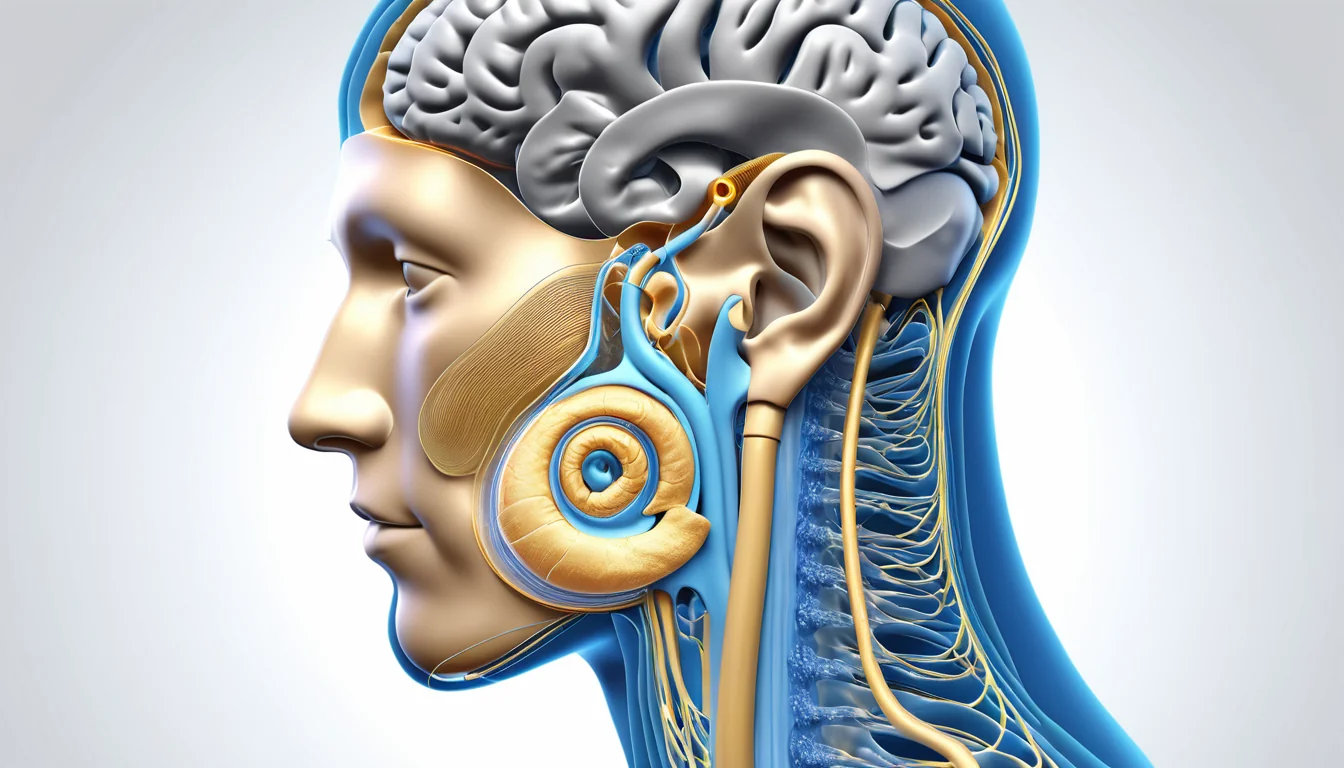
The causes of dizziness range from minor triggers to serious medical conditions — and almost every Canadian has experienced that unsettling spinning or swaying sensation at least once. Dizziness is not a disease on its own but rather a signal from your body that something else needs attention, making it essential to understand what may be behind your episodes.
7 Health Conditions That Are Common Causes of Dizziness
Whether you are feeling lightheaded after standing up too quickly or dealing with recurring bouts of vertigo, knowing the possible conditions linked to dizziness can help you take the right steps. In this article, we explore seven health conditions that dizziness symptoms may point to, and when it is time to talk to your family doctor or visit a walk-in clinic in Canada.
What Is Dizziness?
| Condition | Key Characteristics | Associated Symptoms | When to Seek Care |
|---|---|---|---|
| Benign Paroxysmal Positional Vertigo (BPPV) | Brief spinning sensation triggered by head position changes; most common cause of vertigo | Nausea, brief episodes lasting seconds to minutes, imbalance | See your family doctor or physiotherapist; urgent care if falls occur |
| Low Blood Pressure (Orthostatic Hypotension) | Lightheadedness upon standing quickly; blood pressure drops suddenly | Blurred vision, fainting, weakness, brief confusion | Family doctor; emergency if fainting or chest pain occurs |
| Vestibular Neuritis or Labyrinthitis | Prolonged vertigo often following a viral infection; inner ear inflammation | Severe spinning, nausea, vomiting, hearing loss (labyrinthitis) | See a doctor promptly; emergency if symptoms are sudden and severe |
| Ménière’s Disease | Recurring episodes of vertigo lasting 20 minutes to several hours; fluid buildup in inner ear | Fluctuating hearing loss, tinnitus, ear fullness | Refer to otolaryngologist (ENT specialist) through family doctor |
| Anemia or Low Blood Sugar | Generalized lightheadedness and weakness due to reduced oxygen or glucose to the brain | Fatigue, pallor, shakiness, difficulty concentrating | Family doctor for blood work; emergency if loss of consciousness occurs |
| Stroke or Transient Ischemic Attack (TIA) | Sudden onset dizziness with neurological symptoms; medical emergency | Facial drooping, arm weakness, slurred speech, sudden severe headache | Call 9-1-1 immediately — time-sensitive emergency |
Dizziness is a broad term. It describes feelings of unsteadiness, lightheadedness, or the sense that the room is spinning around you. These sensations can come with other symptoms, such as nausea, vomiting, pale skin, sweating, anxiety, or even fainting.
It is important to note that dizziness alone is vague. Doctors look at the full picture — how often it happens, how long it lasts, and what other symptoms come with it. This helps pinpoint the cause and the right treatment.
Dizziness can be a one-time event or a long-term, recurring problem. Occasional dizziness is usually harmless. However, frequent or severe episodes deserve medical attention. Health Canada encourages Canadians to take persistent symptoms seriously and seek care early.
Types of Dizziness
Not all dizziness feels the same. Understanding the type you are experiencing helps your doctor narrow down the cause.
Vertigo
Vertigo is the feeling that you or the world around you is spinning — even when you are standing still. It often points to a problem with the inner ear’s vestibular system, which controls your sense of balance. In fact, nearly half of all patients who visit a doctor for dizziness are experiencing vertigo.
Imbalance
Imbalance is the feeling of being unsteady on your feet. You may feel like you could fall, even while sitting or standing calmly. This type of dizziness often involves the muscles, joints, or nervous system.
Dizziness Linked to Anxiety
Sometimes, people who feel anxious, frightened, or depressed describe their experience as dizziness. This is common in people with anxiety disorders or those who feel uneasy in open or crowded spaces. The physical and emotional sensations can overlap, making it harder to identify the root cause.
7 Conditions That Dizziness May Signal
Dizziness that happens once in a while is usually not a cause for concern. It can result from simple things like dehydration or tiredness. However, frequent dizziness may point to an underlying health condition. Here are seven conditions your doctor may consider.
1. Anaemia
Iron is a mineral your body needs to keep vital organs working well. When your iron levels are too low, dizziness is one of the first signs. You may also feel weak, unable to concentrate, and constantly tired for no clear reason.
Iron-deficiency anaemia is common in Canada, particularly among women and older adults. A simple blood test through your family doctor or walk-in clinic can check your iron levels. Learn more about iron-deficiency anaemia from the Mayo Clinic.
2. Migraine
A migraine is not just a bad headache. It is a severe, often disabling condition that can include dizziness, nausea, vomiting, and sensitivity to light, smells, and sound. Vertigo and head pain can come on suddenly, like an attack.
Between attacks, most people feel completely fine. However, the episodes themselves can be very disruptive to daily life. If you notice a pattern of dizziness paired with intense headaches, speak with your doctor about whether migraines could be the cause.
3. Inner Ear Infection (Otitis)
The inner ear plays a key role in balance. When it becomes infected — a condition sometimes called inner ear otitis or labyrinthitis — it can cause dizziness, nausea, vomiting, and balance problems. These symptoms can appear suddenly and feel alarming.
Inner ear infections are usually treated with medication. Your family doctor or a walk-in clinic can assess your symptoms and recommend the right course of action.
4. High or Low Blood Pressure
Both high blood pressure (hypertension) and low blood pressure (hypotension) can cause dizziness. Low blood pressure — sometimes triggered by dehydration — can make you feel lightheaded, especially when you stand up quickly. High blood pressure can cause dizziness along with headaches and ringing in the ears.
Many Canadians live with blood pressure conditions without knowing it. Regular check-ups with your family doctor are the best way to stay on top of your numbers. Most provincial health plans cover routine blood pressure monitoring.
5. Ménière’s Disease
Ménière’s disease is a disorder of the inner ear that causes episodes of vertigo, hearing loss, tinnitus (ringing in the ears), and a feeling of pressure or fullness in the ear. These episodes can last from minutes to hours and can be unpredictable.
The exact cause of Ménière’s disease is not fully understood. However, it is a recognised condition that specialists can help manage. If you experience repeated episodes of vertigo combined with hearing changes, ask for a referral to an ear, nose, and throat (ENT) specialist.
6. Epilepsy
In some cases, dizziness can be linked to epilepsy. Some people with epilepsy experience dizziness, loss of consciousness, or even hallucinations as part of a seizure episode. These symptoms require prompt medical evaluation.
Epilepsy is a neurological condition that affects people of all ages across Canada. If dizziness is accompanied by confusion, unusual movements, or blackouts, seek medical attention right away.
7. Brain Tumour
In rare cases, dizziness that starts gradually and gets worse over time — especially when paired with increasingly severe headaches — may signal a brain tumour. The dizziness or vertigo may worsen in certain body positions.
It is important not to panic. Brain tumours are uncommon, and many other conditions cause similar symptoms. However, if your dizziness is progressively worsening, your doctor will want to rule out serious causes. The World Health Organization provides guidance on neurological conditions and when to seek care.
Common Triggers of Occasional Dizziness
Not every episode of dizziness points to a serious illness. Many everyday factors can trigger mild, short-lived dizziness. These include dehydration, skipping meals, sudden changes in position, lack of sleep, and stress.
Drinking enough water throughout the day, eating regular meals, and getting adequate rest can help reduce these episodes. However, if lifestyle changes do not help and dizziness keeps coming back, it is worth investigating further.
When to See a Doctor for Dizziness
Most Canadians can start by visiting their family doctor when dizziness becomes frequent or concerning. If you do not have a family doctor, a walk-in clinic is a good first step. Many provincial health plans cover visits for symptoms like dizziness.
Seek emergency care immediately if your dizziness comes with any of the following:
- Sudden, severe headache
- Chest pain or shortness of breath
- Numbness or weakness in the face, arm, or leg
- Trouble speaking or understanding speech
- Loss of consciousness
- Vision changes
- High fever
These symptoms may point to a stroke or another serious medical emergency. Do not wait — call 911 or go to your nearest emergency room right away.
For less urgent but persistent dizziness, your doctor will review your symptoms, check your blood pressure, look into your ears, and may order blood tests or imaging. The goal is to find the cause and treat it properly. Always consult a qualified healthcare provider before drawing conclusions about your health.
Frequently Asked Questions About Dizziness
What are the most common causes of dizziness?
The most common causes of dizziness include inner ear problems, dehydration, low blood pressure, anaemia, and anxiety. Dizziness can also result from medications or infections. If your dizziness is frequent or severe, speak with your family doctor to find the underlying cause.
When should I be worried about dizziness?
You should seek immediate medical attention if dizziness comes with chest pain, sudden severe headache, difficulty speaking, numbness, or loss of consciousness. These may be signs of a stroke or another serious condition. For recurring dizziness without these warning signs, visit your family doctor or a walk-in clinic.
Can anxiety cause dizziness?
Yes, anxiety can cause dizziness. When you feel stressed or anxious, your body’s stress response can affect blood flow and breathing, leading to lightheadedness. People with anxiety disorders often describe dizziness as one of their physical symptoms.
Is dizziness a sign of high blood pressure?
Dizziness can be a symptom of both high and low blood pressure. High blood pressure may cause dizziness along with headaches and ringing in the ears. If you suspect a blood pressure issue, your family doctor can check your levels — this is covered under most provincial health plans in Canada.
What is the difference between dizziness and vertigo?
Dizziness is a general term for feeling unsteady or lightheaded, while vertigo is a specific type of dizziness where you feel like you or your surroundings are spinning. Vertigo is often caused by problems in the inner ear or brain. A doctor can help determine which type you are experiencing and recommend the right treatment.
How is dizziness treated in Canada?
According to Health Canada recommends seeking care for persistent symptoms, this information is supported by current medical research.
For more information, read our guide on loss of appetite and other dizziness symptoms to watch for.
Treatment for dizziness in Canada depends on the underlying cause. Your family doctor may recommend lifestyle changes, medication, physiotherapy, or a referral to a specialist. Most initial assessments for dizziness are covered by provincial health plans, so you do not need to delay seeking help.
Key Takeaways
- Dizziness is not a disease — it is a symptom that can point to several different conditions.
- Common causes include inner ear problems, anaemia, blood pressure changes, migraine, Ménière’s disease, anxiety, epilepsy, and rarely, brain tumours.
- Occasional dizziness from dehydration or fatigue is usually harmless.
- Frequent or worsening dizziness should be assessed by a healthcare provider.
- Emergency symptoms like sudden severe headache, chest pain, or loss of consciousness require immediate care — call 911.
- Canadians can start with their family doctor or a walk-in clinic; most provincial health plans cover these visits.
- Always consult a qualified doctor to get an accurate diagnosis and appropriate treatment for dizziness.
Frequently Asked Questions
What are the most common causes of dizziness?
The most common causes of dizziness include inner ear disorders like BPPV, low blood pressure, dehydration, anemia, anxiety, migraines, and certain medications. In Canada, inner ear conditions account for the majority of dizziness cases. Most causes are non-life-threatening, though some may require medical evaluation and treatment.
What does dizziness feel like?
Dizziness can feel like lightheadedness, unsteadiness, or a spinning sensation called vertigo. Some people feel faint or as though the room is moving around them. Symptoms may be brief or persistent and are often accompanied by nausea, sweating, or difficulty balancing, depending on the underlying cause.
What are the causes of dizziness that require emergency care?
Dizziness combined with chest pain, sudden severe headache, vision changes, difficulty speaking, facial drooping, or arm weakness may signal a stroke or heart attack. These are medical emergencies. Canadians experiencing these symptoms together should call 911 immediately rather than waiting for a scheduled doctor’s appointment.
How can dizziness be treated at home?
Mild dizziness can often be managed by sitting or lying down immediately, staying hydrated, avoiding sudden position changes, and resting in a cool, quiet space. The Epley maneuver helps relieve BPPV-related vertigo. However, recurring or severe dizziness should always be assessed by a healthcare professional.
When should you see a doctor in Canada for dizziness?
See a doctor if dizziness is frequent, lasts more than a few minutes, disrupts daily activities, or is accompanied by hearing loss, ringing in the ears, or falls. Canadians can visit a family physician, walk-in clinic, or telehealth service. Sudden dizziness with neurological symptoms warrants an immediate emergency room visit.

About the Author
Dr. Linda Chen, RD, PhDDr. Linda Chen is a registered dietitian and PhD in Nutritional Sciences from the University of British Columbia. With expertise in clinical nutrition, sports dietetics, and gut health, she has worked with leading Canadian hospitals and sports organizations. Dr. Chen is a member of Dietitians of Canada and regularly contributes to national nutrition policy discussions.
View all articles →