CSF Leak: Symptoms, Causes & Treatment in Canada

Share
A CSF leak — short for cerebrospinal fluid leak — occurs when the protective fluid surrounding your brain and spinal cord escapes through a tear or hole in its outer membrane. This condition affects thousands of Canadians each year and can cause debilitating headaches, hearing changes, and in serious cases, life-threatening complications. Understanding the warning signs early can make a real difference in your recovery and long-term health.
How Is a CSF Leak Diagnosed and Treated in Canada?
There are two main types: cranial and spinal. A cranial CSF leak involves fluid draining through the nose or ear, while a spinal CSF leak involves fluid escaping from around the spinal cord. Recognizing cerebrospinal fluid leak symptoms promptly is critical, as many Canadians go undiagnosed for months. Whether caused by trauma, surgery, or a spontaneous tear, getting the right diagnosis and treatment can prevent serious complications and help you return to normal life faster.
What Is a CSF Leak?
| Treatment Option | How It Works | Benefits | Considerations |
|---|---|---|---|
| Conservative Management (Bed Rest & Hydration) | Reduces cerebrospinal fluid pressure; allows the leak site to heal naturally with increased fluid intake and lying flat | Non-invasive; no procedural risks; first-line approach for minor CSF leaks | May take days to weeks; not effective for severe or persistent leaks; limits daily activity |
| Epidural Blood Patch | Autologous blood injected into the epidural space to form a clot that seals the dural tear | Highly effective (70–90% success rate); rapid symptom relief; minimally invasive | May require repeat procedure; small risk of infection or nerve irritation; performed by specialist |
| Fibrin Glue Patch | Synthetic sealant injected epidurally or applied surgically to close the leak point | Useful when blood patch fails; can be precisely targeted under imaging guidance | Less widely available across Canadian centres; higher cost; requires fluoroscopic guidance |
| Surgical Repair | Direct closure of the dural defect via open or endoscopic surgery depending on leak location | Definitive treatment for structural tears; effective for cranial base CSF leaks | Carries surgical risks including infection and anaesthesia; longer recovery; reserved for refractory cases |
| Caffeine & Medications | Caffeine and theophylline stimulate CSF production; analgesics manage headache symptoms | Accessible and low-cost adjunct therapy; provides short-term symptom relief | Temporary relief only; does not repair the leak; not suitable as sole treatment for significant CSF leaks |
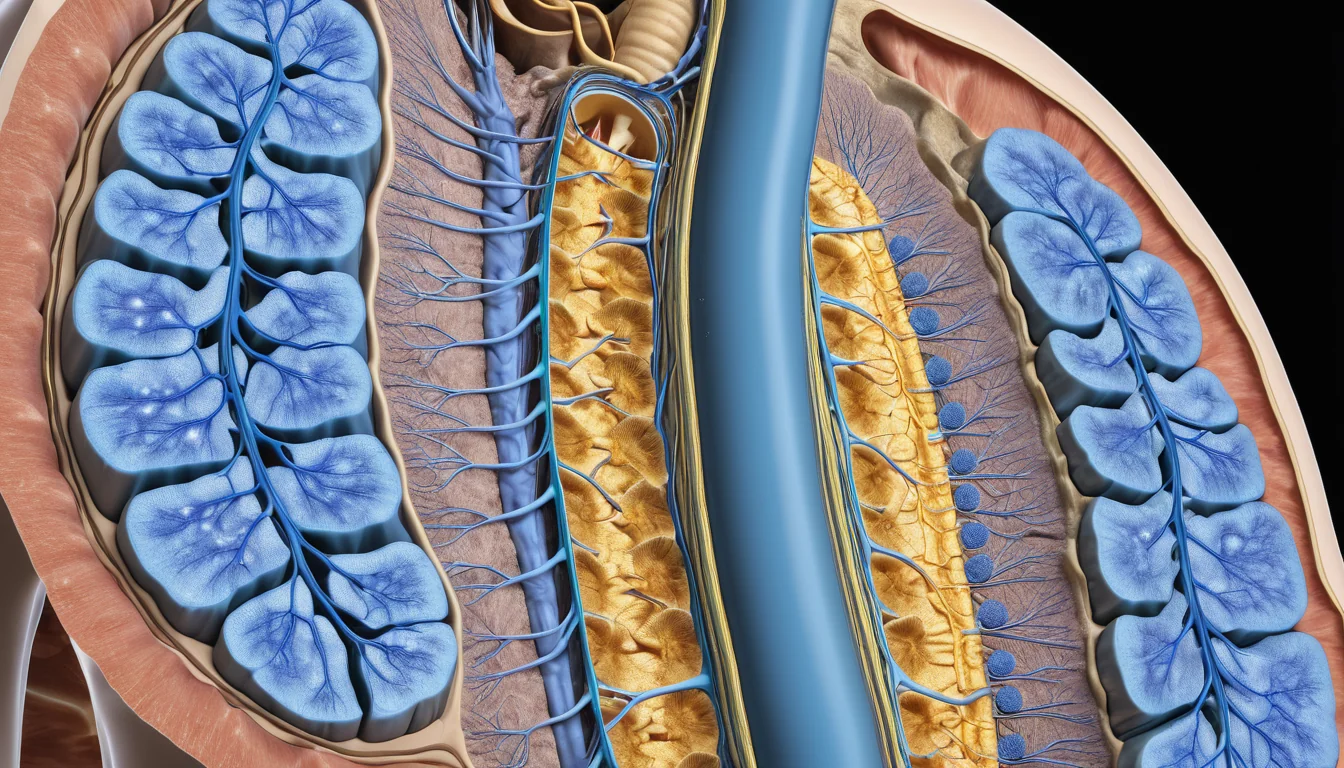
Cerebrospinal fluid (CSF) is a clear, watery fluid that cushions your brain and spinal cord. It acts like a shock absorber, protecting these vital organs from injury. When the membrane surrounding them develops a hole or tear, CSF can escape — and that is what we call a CSF leak.
There are two main types of CSF leaks. A cranial CSF leak involves fluid escaping near the skull, often draining through the nose or ear. A spinal CSF leak involves fluid escaping from around the spinal cord. Both types have different symptoms, causes, and treatment paths. According to Mayo Clinic, most CSF leaks require medical evaluation and sometimes surgery to fully heal.
How Common Is a CSF Leak?
Spontaneous CSF leaks — those with no obvious injury — tend to occur more often in people over 30. However, the exact number of cases in Canada is difficult to know, because many go unreported or misdiagnosed. In fact, a spinal CSF leak is frequently mistaken for a migraine or a sinus infection.
Any head or spine injury — even a minor one — can lead to a CSF leak. Sneezing, coughing, straining during a bowel movement, or lifting something heavy can sometimes trigger a leak in people who are already vulnerable. This makes early awareness especially important.
Symptoms of a CSF Leak
Symptoms vary depending on whether the leak is spinal or cranial. Recognising the difference can help your family doctor or walk-in clinic make the right call faster.
Spinal CSF Leak Symptoms
The most common symptom of a spinal CSF leak is a headache. However, this is not an ordinary headache. It typically has distinct features that set it apart from a migraine or tension headache.
- Pain felt mainly at the back of the head
- Headache that improves when lying flat on your back
- Headache that worsens when standing up
- Pain triggered or made worse by coughing or sneezing
- In some cases, the headache starts suddenly with no clear trigger
In addition to headaches, a spinal CSF leak can also cause:
- Neck or shoulder pain
- Ringing in the ears (tinnitus)
- Changes in hearing
- Dizziness or a feeling of spinning
- Nausea or vomiting
- Visual disturbances
- Difficulty thinking clearly or changes in behaviour
Cranial CSF Leak Symptoms
A cranial CSF leak tends to show up differently. The most recognisable signs include:
- Clear, watery fluid draining from one nostril or one ear
- A salty or metallic taste in the mouth
- Loss of hearing on one side
- Signs of meningitis, such as fever, stiff neck, and sensitivity to light
If you notice clear fluid draining from your nose or ear — especially after a head injury — seek medical attention right away. Do not wait to see if it goes away on its own.
What Causes a CSF Leak?
The causes of a CSF leak depend on the type. Both spinal and cranial leaks have their own set of triggers and underlying conditions.
Causes of a Spinal CSF Leak
- A lumbar puncture (spinal tap), which is sometimes needed for diagnosis or treatment
- An epidural procedure, such as those used during labour and delivery
- A traumatic injury to the head or spine
- Bony changes or abnormalities along the spine
- Problems with the protective covering around the spinal cord
- Abnormal connections (fistulas) between veins and the spinal covering
- Previous spinal surgery
Causes of a Cranial CSF Leak
- A head injury or skull fracture
- Increased pressure inside the skull (intracranial hypertension)
- Abnormalities of the inner ear
- Defects in the protective covering around the brain
Therefore, anyone who has had spinal surgery, a serious head injury, or a medical procedure near the spine or skull should be aware of the warning signs of a CSF leak.
Risk Factors for a CSF Leak
Certain people are more likely to develop a CSF leak than others. Knowing your risk factors can help you and your healthcare provider stay alert.
Risk Factors for a Spinal CSF Leak
- Previous surgery or medical procedures involving the spine
- Connective tissue disorders such as Marfan syndrome or Ehlers-Danlos syndrome
Risk Factors for a Cranial CSF Leak
- Previous skull surgery or procedures near the skull base
- Obesity
- Sleep apnea
- Traumatic head injuries
- Tumours at the base of the skull
Furthermore, Healthline notes that people with connective tissue disorders have a higher lifetime risk of developing spontaneous spinal CSF leaks, making regular check-ins with a family doctor especially important.
How Is a CSF Leak Diagnosed?
Diagnosing a CSF leak usually starts with testing any fluid coming from the nose. Doctors look for a protein called beta-2 transferrin, which is found almost exclusively in cerebrospinal fluid. A positive result strongly suggests a CSF leak.
After that, your doctor will likely order imaging tests. These may include:
- A CT scan of the head or spine
- An MRI of the head or spine
These scans help pinpoint exactly where the leak is happening and how serious it is. In some cases, two additional tests may be used: a CT cisternogram and a study called a radionuclide cisternogram. Both can help confirm the location of the leak when standard imaging is not conclusive.
Treatment Options for a CSF Leak
The good news is that many CSF leaks heal on their own. In straightforward cases, doctors may recommend rest and watchful waiting — especially when the leak follows a procedure like a lumbar puncture. However, this approach works best when the leak is mild and symptoms are manageable.
When a CSF leak does not heal on its own, other treatments are available:
- Blood patch: A small amount of your own blood is injected near the leak site. The blood clots and seals the hole. This is a common and often effective treatment for spinal CSF leaks.
- Surgery: In many cases, neurosurgery can directly repair the hole causing the leak. This approach is often used for cranial CSF leaks or when other treatments have not worked.
- Fibrin glue injections: A special medical glue is used to seal the leak from the inside.
As a result of advances in neurosurgery, most patients who receive proper treatment see significant improvement. However, treatment success depends on finding the right leak location — which is why thorough diagnostic imaging matters so much.
Possible Complications If Left Untreated
A CSF leak that goes untreated can lead to serious, even life-threatening complications. The two most concerning are:
- Meningitis: An infection of the membranes surrounding the brain and spinal cord. This is a medical emergency.
- Pneumocephalus: Air enters the spaces around the brain inside the skull. This can put dangerous pressure on brain tissue.
In addition, ongoing loss of cerebrospinal fluid reduces the brain’s natural cushioning. Over time, this can cause the brain to shift downward inside the skull, putting pressure on surrounding structures and worsening neurological symptoms. This condition — called intracranial hypotension — is rare but serious.
For more information on brain health and related conditions, visit Health Canada’s official health resources.
When to See a Doctor
You should see a doctor as soon as possible if you notice any of the following warning signs of a CSF leak:
- A severe headache that gets better when you lie down and worse when you stand up
- Clear fluid draining from one nostril or one ear, especially after a head injury
- A sudden, thunderclap headache unlike anything you have felt before
- Signs of meningitis: fever, stiff neck, sensitivity to light, or confusion
Start by calling your family doctor or visiting a walk-in clinic. If you have provincial health coverage — as most Canadians do — you are entitled to an assessment at no direct cost. Your doctor can refer you to a neurologist or neurosurgeon if needed.
In an emergency — such as sudden severe headache, loss of consciousness, or signs of meningitis — call 911 or go to your nearest emergency department immediately. Do not drive yourself.
Always speak with a qualified healthcare provider before drawing any conclusions about your own health. This article is for general information only and does not replace professional medical advice.
Frequently Asked Questions About CSF Leaks
What does a CSF leak headache feel like?
A CSF leak headache is typically felt at the back of the head and is described as a dull, pressure-like pain. It gets noticeably better when you lie flat and significantly worse when you stand or sit upright. This positional pattern is one of the key features that sets a CSF leak headache apart from a migraine or tension headache.
Can a CSF leak heal on its own?
Yes, some CSF leaks do heal without treatment, particularly those that follow a medical procedure like a lumbar puncture. Rest is usually the first recommendation in mild cases. However, if your symptoms are severe or do not improve within a few days, you should see your family doctor or visit a walk-in clinic for further evaluation.
How is a CSF leak diagnosed in Canada?
In Canada, diagnosing a CSF leak typically starts with a test for a protein called beta-2 transferrin in any fluid leaking from the nose or ear. Your doctor will then order a CT scan or MRI to locate the leak. These tests are covered under most provincial health plans when ordered by a physician.
Is a CSF leak dangerous?
A CSF leak can become dangerous if left untreated. Serious complications include meningitis — an infection of the brain’s protective covering — and a condition called pneumocephalus, where air enters the skull. Intracranial hypotension, caused by low CSF pressure, can also cause the brain to shift inside the skull, leading to severe neurological symptoms.
What is the most common treatment for a CSF leak?
The most common non-surgical treatment for a spinal CSF leak is an epidural blood patch, where a small amount of your own blood is injected near the leak to seal it. For cranial leaks or cases where other treatments fail, neurosurgery to directly repair the hole is often the best option. Your neurologist or neurosurgeon will recommend the right approach based on the location and severity of your leak.
Can a minor injury cause a CSF leak?
According to Mayo Clinic’s overview of CSF leak symptoms and causes, this information is supported by current medical research.
For more information, read our guide on loss of appetite and other symptoms that may signal a serious condition.
Yes, even seemingly minor events can trigger a CSF leak in some people. Coughing, sneezing, heavy lifting, or a minor fall can cause or worsen a leak — especially in people with connective tissue disorders like Ehlers-Danlos syndrome. If you develop a new, unusual headache after any of these activities, it is worth mentioning to your doctor.
Key Takeaways
- A CSF leak happens when cerebrospinal fluid escapes through a tear in the membrane protecting the brain or spinal cord.
- There are two types: spinal CSF leaks (most commonly causing positional headaches) and cranial CSF leaks (often causing clear fluid from the nose or ear).
- Common causes include head or spine injuries, lumbar punctures, epidurals, and connective tissue disorders.
- Diagnosis involves testing nasal fluid for beta-2 transferrin, followed by CT or MRI imaging.
- Many leaks heal with rest, but serious cases require a blood patch or surgery.
- Untreated CSF leaks can lead to life-threatening complications like meningitis.
- If you suspect a CSF leak, contact your family doctor, visit a walk-in clinic, or call 911 in an emergency.
Frequently Asked Questions
What is a CSF leak?
A CSF leak occurs when cerebrospinal fluid — the protective fluid surrounding your brain and spinal cord — escapes through a tear in the dura mater membrane. This reduces cushioning and pressure around the central nervous system, causing a range of neurological symptoms that can significantly affect daily life.
What are the symptoms of a CSF leak?
The most common CSF leak symptom is a severe positional headache that worsens when sitting or standing and improves when lying down. Other symptoms include neck stiffness, nausea, tinnitus, light sensitivity, cognitive difficulties, and clear fluid draining from the nose or ears.
How is a CSF leak treated in Canada?
CSF leak treatment ranges from conservative measures to surgical repair. Initial treatment includes bed rest, increased fluid intake, and caffeine. An epidural blood patch — injecting your own blood near the leak site — is a common effective procedure. Severe or persistent cases may require surgical correction at a specialized neurology centre.
Can a CSF leak heal on its own?
Yes, some CSF leaks resolve spontaneously with conservative management, including strict bed rest, hydration, and avoiding straining activities. Approximately 50% of traumatic spinal CSF leaks heal without intervention. However, spontaneous leaks or those persisting beyond several weeks typically require medical treatment to prevent serious complications.
When should I see a doctor for a CSF leak?
Seek immediate medical attention if you experience a sudden severe headache, clear fluid draining from your nose or ears after head trauma, neck stiffness, or fever — which may signal meningitis. In Canada, visit your nearest emergency department or contact your family physician promptly if these symptoms appear.

About the Author
Dr. Sarah Mitchell, MDDr. Sarah Mitchell is a board-certified family physician with over 15 years of clinical experience. She completed her MD at the University of Toronto and her residency at Toronto General Hospital. Dr. Mitchell specializes in preventive medicine and chronic disease management. She is a member of the College of Family Physicians of Canada (CFPC) and has published over 30 peer-reviewed articles on preventive health care.
View all articles →