
Ménière’s Disease: Symptoms, Causes & Treatment Canada

Share
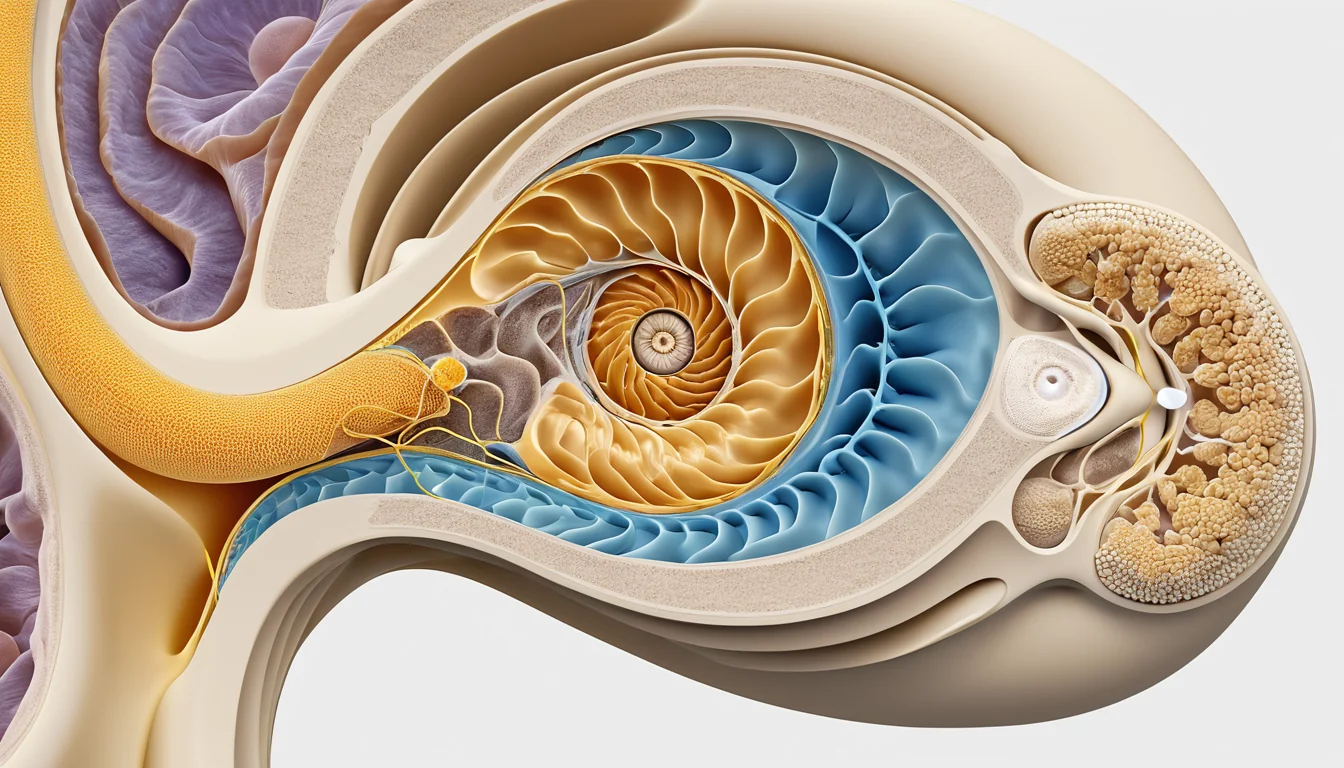
Ménière’s disease is a chronic inner ear disorder that causes sudden episodes of spinning dizziness (vertigo), hearing loss, and ringing in the ear (tinnitus). It can also produce a feeling of fullness or pressure in the affected ear. While there is no cure, most Canadians living with this condition can manage their symptoms effectively with the right treatment plan.
What Causes Ménière’s Disease and Who Is at Risk?
Understanding the causes of Ménière’s disease and recognizing its early warning signs are essential steps toward getting proper care. This guide explains what Ménière’s disease is, how it is diagnosed, and what treatment options are available to Canadians — including lifestyle changes, medication, and specialist referrals through the Canadian healthcare system.
What Is Ménière’s Disease?
| Treatment Option | How It Helps | Benefits | Considerations |
|---|---|---|---|
| Low-Sodium Diet (<2,000 mg/day) | Reduces fluid retention in the inner ear, decreasing endolymphatic pressure | Non-invasive, no side effects, supports overall cardiovascular health | Requires consistent dietary changes and ongoing monitoring |
| Diuretics (e.g., hydrochlorothiazide) | Decreases fluid buildup in the inner ear to reduce vertigo frequency | Can significantly reduce episode frequency; widely prescribed in Canada | May cause electrolyte imbalances; requires regular blood tests |
| Intratympanic Gentamicin Injections | Reduces vestibular function in the affected ear to control severe vertigo | Effective for disabling vertigo when other treatments fail | Risk of permanent hearing loss; performed by ENT specialists |
| Intratympanic Corticosteroids | Reduces inner ear inflammation and fluid pressure | Lower risk of hearing loss compared to gentamicin injections | Effects may be temporary; multiple treatments often required |
| Vestibular Rehabilitation Therapy (VRT) | Retrains the brain to compensate for inner ear imbalance | Improves balance and reduces fall risk; available through Canadian physiotherapy programs | Does not reduce vertigo attacks directly; best used alongside other treatments |
| Endolymphatic Sac Surgery | Decompresses the endolymphatic sac to reduce fluid pressure | May provide long-term vertigo relief while preserving hearing | Invasive procedure; outcomes vary and hearing improvement is not guaranteed |
Ménière’s disease is a chronic condition that affects the inner ear. It produces unpredictable episodes of severe vertigo that can last anywhere from 20 minutes to several hours. These episodes can be frightening and disabling.
Hearing loss linked to Ménière’s disease tends to come and go, especially during attacks. Loud sounds may seem distorted and uncomfortable. Over time, hearing loss can become permanent in some people. Tinnitus and ear fullness may occur before, during, or between episodes — or they may be constant.
According to Mayo Clinic’s overview of Ménière’s disease, the condition most often affects only one ear and can occur at any age, though it is most common in adults aged 40 to 60.
Causes of Ménière’s Disease
Doctors do not fully understand what causes Ménière’s disease. However, most experts believe it results from abnormal fluid levels in the inner ear. When the volume, pressure, or chemical composition of this fluid changes, it can disrupt normal inner ear function.
How the Inner Ear Works
Your inner ear contains a maze of connected passages and chambers called the labyrinth. The outer part is made of bone (the bony labyrinth). The inner part is a soft, fluid-filled structure called the membranous labyrinth.
This membranous labyrinth is lined with tiny hair-like sensors. These sensors respond to fluid movement and help control your hearing and balance. The fluid inside is called endolymph. For everything to work properly, this fluid must maintain the right volume, pressure, and chemical balance.
Possible Triggers
Researchers believe several factors may contribute to Ménière’s disease. In most cases, a combination of factors is involved rather than a single cause.
- Poor fluid drainage due to a blockage or anatomical difference
- An abnormal immune response
- Allergies
- Viral infections
- Genetic predisposition (family history)
- Head trauma
For more detail on inner ear function, Healthline’s guide to Ménière’s disease offers a helpful breakdown of current research.
Symptoms of Ménière’s Disease
Ménière’s disease causes a distinct set of symptoms that tend to come in episodes. Some people notice warning signs — like ear fullness or pressure — before a full attack begins. Others experience attacks with no warning at all.
Common Symptoms
- Fluctuating hearing loss — hearing may worsen during an attack, then partially recover
- Tinnitus — ringing, buzzing, or roaring in the affected ear
- Vertigo — a strong sensation of spinning or movement
- Nausea, vomiting, and cold sweats — often occur during a severe attack
- Ear fullness — a sensation of pressure or congestion in the ear
Episodes are unpredictable. They typically last from one hour to several hours, depending on severity. As Ménière’s disease progresses, attacks may become more frequent and more severe. This can make daily life very difficult for some people.
However, many people find that the frequency of attacks decreases over time, especially with proper treatment and lifestyle changes.
How Is Ménière’s Disease Diagnosed?
There is no single test for Ménière’s disease. Instead, your doctor uses a combination of your medical history, your symptoms, and several tests to reach a diagnosis. A formal diagnosis generally requires two or more episodes of spontaneous vertigo, each lasting at least 20 minutes, along with tinnitus or ear fullness and documented hearing changes.
Physical Exam and Medical History
Your family doctor or specialist will ask detailed questions about your symptoms, their frequency, and how long they last. They will also review your overall health history. This step is essential before any testing begins.
Hearing Tests
An audiogram measures how well you hear sounds of different types and volumes. It can also show whether your hearing problem comes from the inner ear itself or from the nerve connecting the inner ear to the brain. This test is a key part of diagnosing Ménière’s disease.
Balance and Inner Ear Tests
Between episodes, most people with Ménière’s disease have normal or near-normal balance. However, several tests can still detect subtle problems with inner ear function.
- Electronystagmography (ENG) — the most commonly used test for Ménière’s disease; it measures balance by tracking eye movements
- Rotary chair testing — measures inner ear function based on how your eyes respond to controlled movement
- Vestibular myogenic potential testing — checks the sensors in the vestibule of the inner ear by detecting responses to movement
- Computerised posturography — evaluates how your balance system uses vision, inner ear signals, and body sensation together
Tests to Rule Out Other Conditions
Your doctor may also order imaging tests to rule out other causes of your symptoms, such as a brain tumour or multiple sclerosis. These tests may include:
- MRI (Magnetic Resonance Imaging) — uses magnetic fields and radio waves to create detailed images of soft tissue
- CT scan (Computed Tomography) — uses X-rays to produce cross-sectional images of internal structures
- Auditory brainstem response (ABR) test — a computerised hearing test that evaluates how the auditory nerve responds to sound
According to Health Canada, if you experience sudden or severe hearing loss or recurrent vertigo, it is important to seek prompt medical evaluation.
Treatment Options for Ménière’s Disease
While Ménière’s disease cannot be cured, vertigo attacks can be controlled in the vast majority of cases. Treatment focuses on reducing the frequency and severity of episodes and protecting long-term hearing. Your specialist will help you choose the best approach, since each option has its own benefits and drawbacks.
Lifestyle and Diet Changes
Many people find significant relief by reducing salt in their diet. A low-sodium diet helps regulate the fluid balance in the inner ear. Your doctor may also prescribe a diuretic (a medicine that helps your body remove excess fluid) to work alongside dietary changes.
Limiting caffeine, alcohol, and tobacco may also help reduce the frequency of attacks for some people.
Medications
Several medications can help manage Ménière’s disease symptoms. Anti-vertigo medicines can reduce the spinning sensation and ease nausea during an attack. Your family doctor or a specialist can prescribe these based on your specific needs.
Injections
Intratympanic injections involve delivering medication directly through the eardrum into the middle ear. Two common options are:
- Gentamicin — an antibiotic that reduces the inner ear’s sensitivity to fluid changes; effective for vertigo but carries a small risk of further hearing loss
- Dexamethasone — a steroid that reduces inflammation; generally considered safer for hearing
Other Therapies
A Meniett device uses low-pressure air pulses delivered to the ear canal to help regulate inner ear fluid pressure. Some people find it helpful for controlling vertigo between attacks.
Surgery
Surgery is considered only when other treatments have not worked. Several surgical options exist, ranging from procedures that preserve hearing to those that more aggressively target the balance system. An ear, nose, and throat (ENT) specialist — called an otolaryngologist — will guide you through these options if surgery becomes necessary.
When to See a Doctor
You should see your family doctor if you experience any sudden or repeated episodes of vertigo, unexplained hearing loss, or persistent ringing in one ear. Do not ignore these symptoms, as early diagnosis can make treatment more effective.
If you do not have a family doctor, a walk-in clinic can assess your symptoms and refer you to a specialist such as an otolaryngologist or neurologist. Most provincial health plans in Canada cover specialist referrals when ordered by a physician.
Seek emergency care right away if your vertigo is accompanied by sudden severe headache, vision changes, difficulty speaking, or weakness in your arms or legs. These could be signs of a more serious condition.
Always speak with a qualified healthcare provider before starting, stopping, or changing any treatment for Ménière’s disease. Every person’s situation is different, and your doctor is best placed to guide your care.
Frequently Asked Questions About Ménière’s Disease
What triggers a Ménière’s disease attack?
Common triggers for a Ménière’s disease attack include high salt intake, stress, fatigue, caffeine, and alcohol. Not every person with Ménière’s disease has the same triggers, so keeping a symptom diary can help you identify your personal patterns. Discussing these triggers with your doctor can help you reduce the frequency of episodes.
Is Ménière’s disease a serious condition?
Ménière’s disease is a chronic condition that can significantly affect quality of life, but it is not life-threatening. The unpredictable nature of vertigo attacks can make driving, working, and daily activities difficult. However, most people with Ménière’s disease are able to manage their symptoms well with the right treatment plan.
Can Ménière’s disease cause permanent hearing loss?
Yes, Ménière’s disease can lead to permanent hearing loss over time, particularly in the affected ear. In the early stages, hearing loss tends to fluctuate — worsening during attacks and partially recovering afterward. As the condition progresses, some degree of lasting hearing loss may develop, which is why early treatment and monitoring are important.
How is Ménière’s disease different from ordinary dizziness?
Ménière’s disease causes true vertigo — a strong, spinning sensation — rather than simple lightheadedness or general dizziness. It is specifically linked to inner ear fluid problems and typically comes with other symptoms like tinnitus, ear fullness, and hearing changes. Ordinary dizziness usually does not include these accompanying ear symptoms.
Is there a cure for Ménière’s disease?
There is currently no cure for Ménière’s disease. However, treatment can control vertigo attacks in the vast majority of cases and help protect remaining hearing. Options range from dietary changes and medication to injections and, in rare cases, surgery. Your doctor can work with you to find the best approach for your situation.
Can I still drive if I have Ménière’s disease?
According to Mayo Clinic’s overview of Ménière’s disease, this information is supported by current medical research.
For more information, read our guide on loss of appetite and related symptoms.
Driving with Ménière’s disease depends on how well your symptoms are controlled. Because attacks can come on suddenly and cause severe vertigo, driving during an active period of the disease can be dangerous. You should speak with your doctor and check your provincial driving regulations, as some provinces require reporting of conditions that affect your ability to drive safely.
Key Takeaways
- Ménière’s disease is an inner ear disorder that causes episodes of vertigo, tinnitus, hearing loss, and ear fullness.
- The exact cause is not fully understood, but abnormal fluid levels in the inner ear play a central role.
- Diagnosis requires at least two episodes of vertigo lasting 20 minutes or more, along with hearing and ear symptoms.
- Treatment cannot cure the condition but can effectively control vertigo attacks in most people.
- Low-sodium diet, diuretics, medications, and injections are common first-line treatments in Canada.
- See your family doctor or a walk-in clinic if you experience recurring vertigo or unexplained hearing changes.
- Always consult a healthcare provider before making changes to your treatment plan.
Frequently Asked Questions
What is Ménière’s disease?
Ménière’s disease is a chronic inner ear disorder caused by abnormal fluid buildup in the labyrinth. It causes recurring episodes of vertigo, hearing loss, tinnitus, and ear fullness. It typically affects one ear and most commonly develops in adults between 40 and 60 years old. There is no cure, but symptoms can be managed.
What are the symptoms of Ménière’s disease?
The four hallmark symptoms of Ménière’s disease are sudden episodes of vertigo lasting 20 minutes to several hours, fluctuating hearing loss, tinnitus (ringing in the ear), and a feeling of fullness or pressure in the ear. Nausea, vomiting, and balance problems often accompany attacks, which can be unpredictable and debilitating.
How is Ménière’s disease treated in Canada?
Treatment in Canada focuses on managing symptoms rather than curing the condition. Options include a low-sodium diet, diuretics, vestibular suppressants, and anti-nausea medications. For severe cases, intratympanic injections, vestibular rehabilitation therapy, or surgery such as endolymphatic sac decompression may be recommended by an ENT specialist.
Can Ménière’s disease be prevented?
Ménière’s disease cannot be fully prevented, but triggers can be reduced. Limiting salt intake, avoiding caffeine and alcohol, managing stress, and getting adequate sleep may help decrease the frequency of attacks. Identifying and avoiding personal triggers is an important part of long-term self-management for those already diagnosed.
When should you see a doctor for Ménière’s disease symptoms?
See a doctor immediately if you experience sudden severe vertigo, unexplained hearing loss, or persistent ringing in one ear. These symptoms require prompt evaluation to rule out serious conditions like stroke. In Canada, ask your family doctor for a referral to an otolaryngologist (ENT specialist) or neurologist for proper diagnosis and treatment.

About the Author
Dr. Linda Chen, RD, PhDDr. Linda Chen is a registered dietitian and PhD in Nutritional Sciences from the University of British Columbia. With expertise in clinical nutrition, sports dietetics, and gut health, she has worked with leading Canadian hospitals and sports organizations. Dr. Chen is a member of Dietitians of Canada and regularly contributes to national nutrition policy discussions.
View all articles →