
Vestibular Syndrome: Causes, Symptoms & Treatment Canada

Share
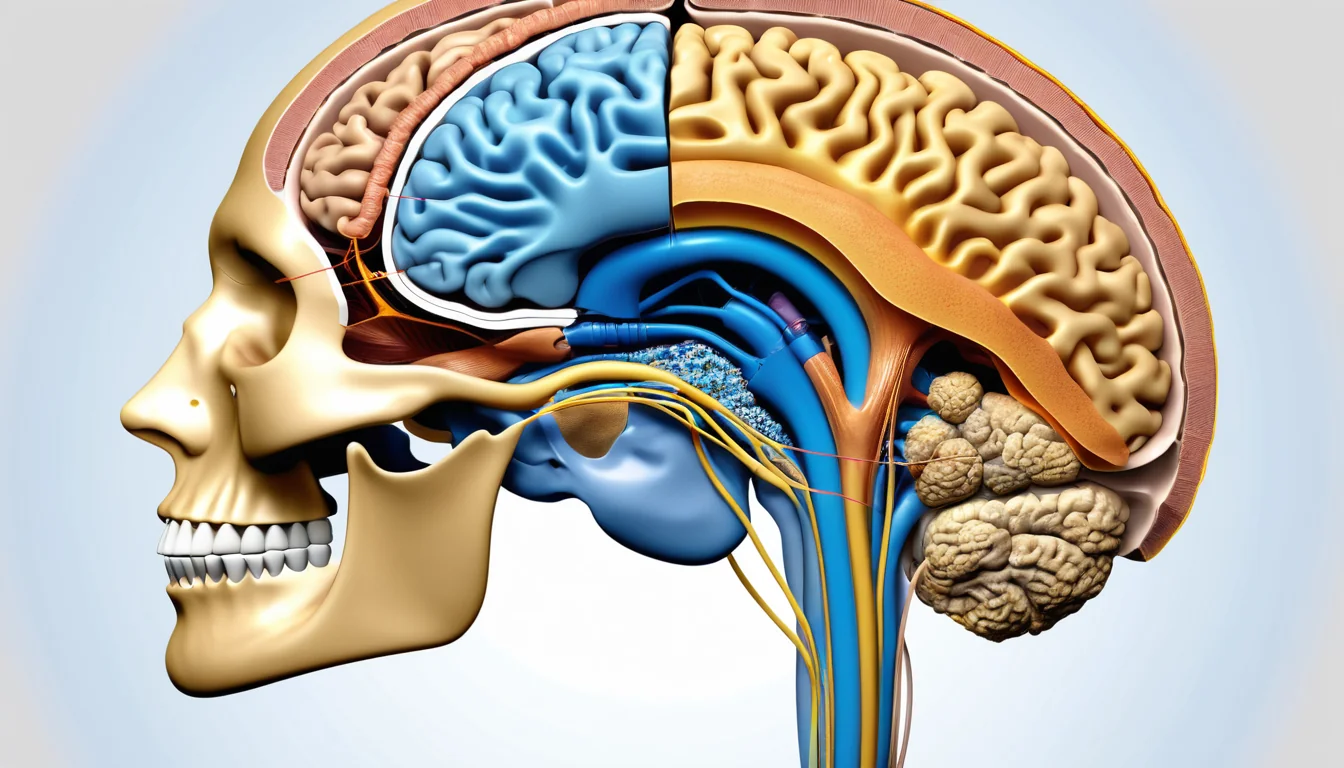
Vestibular syndrome is a condition that disrupts your body’s ability to maintain balance and control eye movement, affecting thousands of Canadians every year. It occurs when the vestibular system — the structures in your inner ear and brain responsible for spatial orientation — becomes damaged or dysfunctional. People living with this condition often struggle with persistent dizziness, vertigo, and blurred vision that can severely impact daily life.
What Is Vestibular Syndrome and How Does It Affect Your Balance?
Understanding the causes of vertigo and dizziness related to vestibular disorders is the first step toward getting proper care. Whether you are experiencing sudden spinning episodes or chronic unsteadiness, this guide covers the types, causes, symptoms, diagnosis, and treatment options available to Canadians so you can take informed action and find relief.
What Is Vestibular Syndrome?
| Symptom | Description | Severity | When to Seek Care |
|---|---|---|---|
| Vertigo | A sudden sensation that you or your surroundings are spinning or moving, often triggered by head position changes | Moderate to Severe | Seek prompt medical attention if lasting more than a few minutes or accompanied by neurological symptoms |
| Nystagmus | Involuntary, rapid eye movements that may be horizontal, vertical, or rotational; often visible to others | Moderate to Severe | Requires immediate evaluation by a physician or emergency department |
| Nausea and Vomiting | Persistent stomach upset and vomiting triggered by the sensation of imbalance and disorientation | Mild to Severe | Seek care if unable to keep fluids down or if symptoms persist beyond 24–48 hours |
| Loss of Balance and Ataxia | Difficulty walking in a straight line, stumbling, or falling; may lean or fall to one side | Moderate to Severe | Seek immediate care if falls pose a risk of injury or if symptoms appear suddenly |
| Head Tilt | A characteristic tilting of the head to one side, commonly observed in both humans and animals with vestibular syndrome | Mild to Moderate | Consult a healthcare provider if persistent or worsening over time |
| Hearing Changes | Reduced hearing, a sensation of fullness in the ear, or ringing (tinnitus) affecting the involved side | Mild to Moderate | Arrange a non-urgent appointment with a physician or audiologist if hearing loss is noted |
Your vestibular system acts like a built-in level. It tells your brain where your body is in space and helps your eyes stay focused when you move. When this system is damaged or disrupted, your brain receives confusing signals. As a result, you may feel like the room is spinning — even when you are perfectly still.
The vestibular system includes parts of the inner ear and specific regions of the brain. The vestibulocochlear nerve (also called the auditory nerve) carries signals related to both hearing and balance. When this nerve or the structures connected to it are injured, a range of troubling symptoms can appear.
Types of Vestibular Syndrome
There are several types of vestibular syndrome, depending on which part of the system is affected. Understanding the type helps doctors choose the right treatment.
Peripheral Vestibular Syndrome
This type involves damage to the vestibular nerve, the inner or middle ear, or the blood supply to the inner ear. It can also result from fractures of the temporal bone or tumours near the inner ear. Peripheral vestibular syndrome tends to cause intense, sudden vertigo. Hearing loss and ringing in the ears are also common.
Central Vestibular Syndrome
This type involves damage to the brainstem or the central pathways that process balance signals. The vertigo here starts more slowly and is usually less intense than the peripheral type. However, central vestibular syndrome tends to last longer and is considered more serious. Hearing is often unaffected, but walking and coordination can become significantly impaired.
Ménière’s Disease
Ménière’s disease (also called endolymphatic hydrops) is a specific type of vestibular disorder. It occurs when too much fluid builds up in the inner ear. This excess fluid creates pressure that leads to recurring episodes of vertigo, hearing loss, and a feeling of fullness in the ear. For more information, visit Mayo Clinic’s overview of Ménière’s disease.
Common Causes of Vestibular Syndrome
Vestibular syndrome can develop for many different reasons. The most common cause is an imbalance or disruption in the inner ear, often triggered by an infection. Other causes include:
- Inner ear infections: Conditions like labyrinthitis or vestibular neuritis can inflame the vestibular nerve.
- Poor blood circulation: When the brain — especially the balance centre — does not receive enough blood, dizziness follows.
- Migraines: Recurring migraines, particularly vestibular migraines, are a well-known trigger.
- Cervical arthritis: Sudden head or neck movements in people with arthritis can bring on symptoms.
- Spinal problems: Disorders of the spine or poor posture can affect balance signals.
- Multiple sclerosis: This neurological condition can damage the pathways that carry vestibular signals.
- Stroke: A stroke affecting the brainstem or cerebellum can cause sudden vestibular syndrome.
- Head injuries: Trauma to the skull can damage the inner ear or vestibular nerve.
- Tumours: Acoustic neuromas or other tumours near the auditory nerve can press on the vestibular system.
- Vascular problems in the brainstem: These include bleeding or small strokes in the brainstem area.
- Alcohol or drug misuse: Both can interfere with how the brain processes balance information.
- Acute poisoning or toxic exposure: Certain medications and toxins can damage the inner ear.
According to Health Canada, inner ear disorders are among the more frequently reported neurological complaints in primary care settings across the country.
Symptoms of Vestibular Syndrome
The symptoms of vestibular syndrome vary depending on the type and the underlying cause. However, most people experience some combination of the following.
Main Symptoms
- Vertigo: A spinning sensation, as if you or the room is moving. This can start suddenly and last for days.
- Dizziness and unsteadiness: A general feeling of being off-balance or lightheaded.
- Nausea and vomiting: These often accompany severe vertigo episodes.
- Blurred or jumping vision: Difficulty keeping your gaze focused on a single point.
Additional Symptoms
- A false sense of floating, sinking, or being pushed sideways
- Nystagmus — rapid, involuntary eye movements that flicker back and forth
- Sweating and pale skin during episodes
- Tinnitus — ringing, buzzing, whistling, or roaring sounds in the ears
- A feeling of fullness or blockage in one or both ears
- Reduced hearing ability
- Difficulty walking in a straight line
In central vestibular syndrome, the vertigo tends to be milder but more persistent. In peripheral vestibular syndrome, symptoms are often more dramatic and sudden, but they may resolve more completely with treatment. For a broader look at balance disorders, Healthline offers a helpful guide to vestibular balance disorders.
How Is Vestibular Syndrome Diagnosed?
Diagnosing vestibular syndrome involves both a specialist ear, nose, and throat (ENT) physician and a neurologist, depending on what is causing the problem. Your doctor will begin by asking detailed questions about your symptoms, their timing, and what makes them better or worse. This is called taking a medical history.
Physical and Neurological Examination
Your doctor will examine your eyes, ears, and nervous system. They will look closely at your eye movements, since abnormal patterns can indicate which part of the vestibular system is damaged.
Specific Diagnostic Tests
Several standard tests help confirm the diagnosis:
- Romberg test: You stand upright with feet together and eyes closed. If your body sways or falls toward one side within about 20 seconds, this points to vestibular dysfunction on that side.
- Outstretched arms test: You extend both arms and close your eyes. If your arms drift toward one side, this suggests a lesion on that side of the vestibular system.
- Caloric test: Warm and cool air (or water) are directed into each ear canal. This stimulates the inner ear and helps the doctor assess how well each side is functioning.
Imaging
In some cases, your specialist may order a CT scan or MRI. These imaging tests rule out tumours, stroke, or other structural causes of your symptoms. Early and accurate diagnosis is key to effective treatment.
Treatment Options for Vestibular Syndrome
Treatment for vestibular syndrome depends entirely on the underlying cause. There is no one-size-fits-all approach. Your doctor will tailor a plan based on what is driving your symptoms.
Medications
Anti-nausea medications (antiemetics) and anti-vertigo drugs are commonly prescribed to manage acute symptoms. If a bacterial infection is the cause — such as a middle ear infection — antibiotics will be necessary. Corticosteroids may be used to reduce inflammation of the vestibular nerve.
People with Ménière’s disease may be prescribed diuretics (water pills) to reduce inner ear fluid. Migraine-related vestibular syndrome may respond well to migraine-specific medications.
Vestibular Rehabilitation Therapy
This is a specialised physical therapy programme designed to help your brain adapt to the changes in your vestibular system. A trained physiotherapist guides you through exercises that retrain your brain and body to maintain balance. Many Canadians access this type of therapy through a referral from their family doctor or through a hospital rehabilitation centre.
Lifestyle Adjustments
For many people, simple changes make a meaningful difference. Reducing alcohol intake, staying well hydrated, and avoiding sudden head movements during acute episodes can all help manage symptoms. In addition, reducing dietary salt can benefit those with Ménière’s disease by lowering fluid pressure in the inner ear.
Surgery
Surgery is rarely needed but may be considered for specific cases, such as removing a tumour pressing on the auditory nerve or treating severe, treatment-resistant Ménière’s disease.
When to See a Doctor
If you are experiencing repeated episodes of dizziness, vertigo, or balance problems, do not ignore them. These symptoms can sometimes point to a serious underlying condition such as a stroke or a brain tumour. You should see your family doctor as soon as possible. If you do not have a family doctor, a walk-in clinic is a good first step.
Seek emergency care immediately if your vertigo is accompanied by any of the following:
- Sudden severe headache
- Chest pain or shortness of breath
- Weakness or numbness in the face, arm, or leg
- Slurred speech or confusion
- Double vision or loss of vision
- Difficulty walking or severe loss of coordination
These could be signs of a stroke and require immediate emergency attention. Call 911 or go to your nearest emergency department right away. Always consult a qualified healthcare professional for a proper diagnosis and personalised treatment plan — the information in this article is for general educational purposes only.
Frequently Asked Questions About Vestibular Syndrome
What is vestibular syndrome and what causes it?
Vestibular syndrome is a condition where damage to the inner ear or brain disrupts your body’s sense of balance. Common causes include inner ear infections, poor blood flow to the brain, migraines, head injuries, and neurological conditions like multiple sclerosis. Identifying the root cause is essential for effective treatment.
What does vestibular syndrome feel like?
Most people with vestibular syndrome describe a spinning sensation (vertigo), feeling unsteady on their feet, and nausea. Some also experience ringing in the ears, a feeling of fullness in the ear, and involuntary eye movements called nystagmus. Symptoms can appear suddenly and may last for several days at a time.
Is vestibular syndrome the same as vertigo?
Vertigo is one of the main symptoms of vestibular syndrome, but the two are not the same thing. Vestibular syndrome is the broader condition involving damage to the balance system, while vertigo refers specifically to the spinning sensation it causes. You can experience vertigo as part of vestibular syndrome or from other causes, such as BPPV (benign paroxysmal positional vertigo).
Can vestibular syndrome go away on its own?
In some cases — particularly with peripheral vestibular syndrome caused by a viral infection — symptoms do improve on their own within a few weeks as the brain adapts. However, central vestibular syndrome is more serious and typically requires treatment. It is always best to see a doctor rather than waiting, especially if symptoms are severe or recurrent.
How is vestibular syndrome treated in Canada?
Treatment in Canada depends on the underlying cause and is typically managed through your family doctor or a specialist referral. Options include medications to control nausea and dizziness, antibiotics for infections, and vestibular rehabilitation therapy through a physiotherapy programme. Most provincial health plans cover these services when referred by a physician.
When should I go to emergency for vestibular syndrome symptoms?
According to Mayo Clinic’s guide to vertigo and vestibular disorders, this information is supported by current medical research.
For more information, read our guide on loss of appetite and related symptoms.
Go to the emergency department immediately if your dizziness or vertigo is accompanied by sudden severe headache, weakness, slurred speech, vision changes, or loss of coordination. These could be warning signs of a stroke, which is a medical emergency. For milder recurring symptoms, start with your family doctor or a walk-in clinic.
Key Takeaways
- Vestibular syndrome affects your inner ear and brain’s ability to control balance and eye movement.
- There are two main types: peripheral (inner ear and nerve) and central (brainstem and brain pathways). Ménière’s disease is a specific subtype.
- Common causes include inner ear infections, poor circulation, migraines, head injuries, and neurological conditions.
- Main symptoms include vertigo, dizziness, nausea, nystagmus, tinnitus, and difficulty walking.
- Diagnosis involves a medical history, physical examination, balance tests, and sometimes imaging like a CT scan or MRI.
- Treatment is tailored to the cause and may include medication, vestibular rehabilitation therapy, and lifestyle changes.
- See your family doctor or a walk-in clinic if symptoms are recurring. Call 911 if you experience sudden severe symptoms that may indicate a stroke.
- Always consult a qualified healthcare professional for advice specific to your health situation.
Frequently Asked Questions
What is vestibular syndrome?
Vestibular syndrome is a disorder affecting the vestibular system, which controls balance and spatial orientation. It occurs when signals between the inner ear and brain are disrupted, causing sudden dizziness, loss of balance, and disorientation. It can affect both humans and animals, with idiopathic vestibular syndrome being the most common form.
What are the symptoms of vestibular syndrome?
Common symptoms include sudden severe dizziness, vertigo, nausea, vomiting, difficulty walking, involuntary eye movements (nystagmus), and loss of balance. Some people experience a tilted head or feel like the room is spinning. Symptoms often appear suddenly and can be alarming, though many cases resolve within days to weeks.
How is vestibular syndrome treated in Canada?
Treatment depends on the underlying cause. Options include vestibular rehabilitation therapy (VRT), anti-nausea medications, and balance retraining exercises. Canadian healthcare providers may refer patients to physiotherapists or ENT specialists. If caused by infection or another condition, treating the root cause is essential for full recovery.
Can vestibular syndrome be prevented?
While not always preventable, reducing risk factors can help. Managing blood pressure, avoiding head injuries, treating ear infections promptly, limiting alcohol consumption, and maintaining cardiovascular health may lower your risk. Regular exercise and fall prevention strategies are also recommended, particularly for older Canadians prone to balance-related issues.
When should I see a doctor for vestibular syndrome symptoms?
Seek immediate medical attention if dizziness is accompanied by sudden severe headache, chest pain, vision changes, numbness, difficulty speaking, or facial drooping, as these may indicate stroke. See your doctor promptly if balance problems persist beyond 48 hours, interfere with daily activities, or occur alongside significant hearing loss.

About the Author
Dr. James Okafor, MD, PhDDr. James Okafor holds an MD and PhD in Neurological Sciences from McGill University. With 12 years of experience in clinical neurology and mental health research, he has contributed to landmark studies on depression, anxiety, and cognitive health. Dr. Okafor is a Fellow of the Royal College of Physicians and Surgeons of Canada and serves on the editorial board of two peer-reviewed journals.
View all articles →