
BPPV Vertigo: Causes, Symptoms & Treatment in Canada

Share
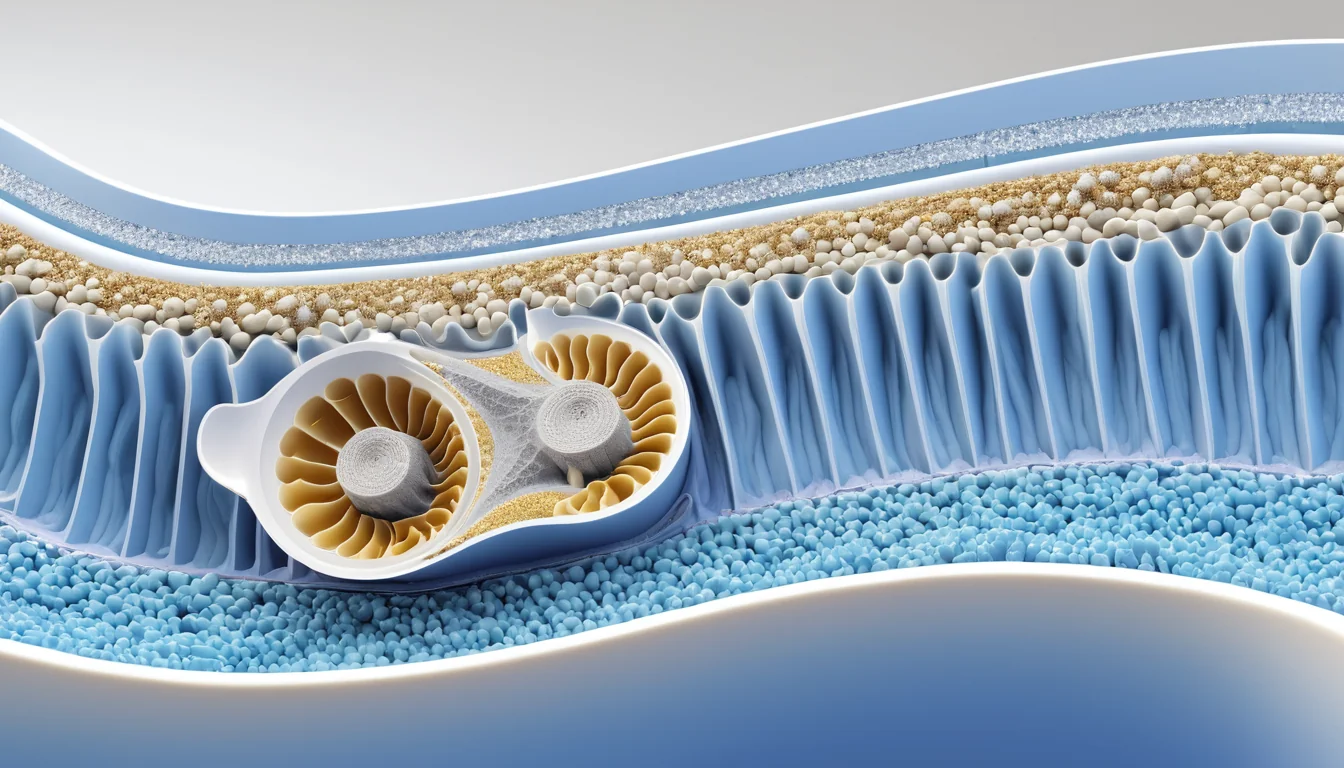
BPPV vertigo is one of the most common causes of sudden dizziness experienced by Canadians, affecting thousands of people across the country each year. This inner ear condition — formally known as benign paroxysmal positional vertigo — creates a false sense of spinning or movement when you change the position of your head. Episodes are usually brief, lasting less than a minute, but they can range from mildly unsettling to severely disorienting.
Understanding BPPV Vertigo: What Every Canadian Should Know
Understanding the causes and treatment options for inner ear dizziness in Canada is essential for getting fast relief. BPPV occurs when tiny calcium crystals inside the ear become dislodged and drift into the semicircular canals, disrupting your normal balance signals. The good news is that this condition is not life-threatening and is highly treatable — often with simple repositioning manoeuvres that can be performed by a healthcare provider or even at home.
What Is BPPV?
| Treatment Option | How It Works | Benefits | Considerations |
|---|---|---|---|
| Epley Manoeuvre | Series of guided head movements that reposition displaced calcium crystals in the inner ear | 80–90% success rate; non-invasive; can resolve symptoms in one session; performed by physiotherapists and physicians across Canada | May cause temporary dizziness during procedure; may require repeat sessions for some patients |
| Semont Manoeuvre | Rapid side-to-side positional movements to dislodge otoconia from the semicircular canals | Effective alternative when Epley is not tolerated; quick procedure lasting under 5 minutes | Less commonly performed in Canada; not suitable for patients with severe neck or back conditions |
| Vestibular Rehabilitation Therapy (VRT) | Customized exercise program delivered by trained physiotherapists to improve balance and reduce dizziness | Addresses residual dizziness and balance deficits; widely available through provincial physiotherapy programs | Requires multiple sessions over weeks; progress depends on patient adherence to home exercises |
| Brandt-Daroff Exercises | Self-administered positional exercises performed at home to habituate the brain to movement-triggered dizziness | No clinical visit required; empowers patients to self-manage; low cost; accessible across all Canadian provinces | Lower success rate than Epley manoeuvre; requires consistent daily practice; results may take 1–2 weeks |
| Medication (Vestibular Suppressants) | Drugs such as dimenhydrinate (Gravol) reduce nausea and dizziness symptoms temporarily | Provides short-term symptom relief; available over-the-counter at Canadian pharmacies | Does not treat the underlying cause of BPPV; not recommended for long-term use; may cause drowsiness |
BPPV stands for benign paroxysmal positional vertigo. “Benign” means it is not life-threatening. “Paroxysmal” means it comes on suddenly. “Positional” means it is triggered by changes in head position.
The condition affects the inner ear, which plays a key role in your sense of balance. When something disrupts the inner ear, it sends confusing signals to your brain. As a result, you feel like the room is spinning — even when you are completely still.
According to Mayo Clinic’s overview of BPPV, this condition is the most frequent cause of vertigo and is very treatable.
What Causes BPPV?
Inside your inner ear, tiny calcium crystals help your brain detect movement and gravity. In BPPV, these crystals break loose and drift into the wrong part of the inner ear — specifically, into the semicircular canals. This disrupts your normal balance signals and triggers vertigo.
Researchers have not yet found one single cause for why the crystals break free. However, several factors are known to increase the risk.
Common Risk Factors for BPPV
- Older age — the condition becomes more common as you get older
- A previous head injury or concussion
- Inflammation of the vestibular nerve (called vestibular neuritis)
- Previous ear surgery
- Certain medications that affect the inner ear
BPPV can affect anyone, at any age. It affects men and women equally. Furthermore, if you have had one episode of BPPV, there is a higher chance it may come back in the future.
Recognising the Symptoms of BPPV
The main symptom of BPPV is vertigo — a sudden false sensation of spinning, tilting, or movement. This feeling is triggered by specific head movements, not by ongoing motion.
For example, vertigo can occur when you roll over in bed, tilt your head back to look up, bend forward to pick something up, or turn your head quickly to one side.
Other Symptoms to Watch For
- Nausea or vomiting during or after a dizzy spell
- A feeling of unsteadiness or imbalance
- Involuntary rapid eye movements (called nystagmus)
Most episodes last less than one minute. Interestingly, if you repeat the same head movement three or four times, the vertigo may lessen or stop temporarily. This is called adaptation. However, after a few hours, the same movement can trigger vertigo again.
It is important to note that BPPV does not usually cause constant dizziness. If you feel dizzy all the time, speak with your doctor, as this may point to a different condition.
How Is BPPV Diagnosed?
Your doctor diagnoses BPPV through a physical examination and a review of your medical history. Diagnosis can sometimes be challenging, because other conditions — such as medication side effects or brain disorders — can also cause dizziness.
The Dix-Hallpike Test
The most common test for BPPV is called the Dix-Hallpike test. Your doctor will move your head and body into specific positions while watching your eye movements. The pattern of involuntary eye movement (nystagmus) helps confirm whether your vertigo comes from the inner ear, a nerve, or the brain.
Other Diagnostic Tests
In some cases, your doctor may order additional tests to rule out other causes. These can include:
- Electronystagmography (ENG): Small electrodes are placed near the eyes to measure eye movements while the inner ear is stimulated. This helps identify whether the problem is in the inner ear or the central nervous system.
- MRI or CT scan: These imaging tests check for any structural problems in the brain that may be causing symptoms.
- Hearing tests: Hearing loss combined with vertigo can sometimes suggest a different condition, such as Ménière’s disease or labyrinthitis, rather than BPPV.
For more detail on how vertigo is assessed, Healthline’s guide to benign positional vertigo offers a helpful patient-friendly overview.
When to See a Doctor
Many Canadians experience a dizzy spell at some point and wonder whether it is serious. BPPV is generally not dangerous. However, dizziness can sometimes be a sign of something more serious, so it is always wise to get checked out.
Visit your family doctor, a walk-in clinic, or call Health 811 (available in most provinces) if you notice any of the following:
- Vertigo that is happening for the first time
- Frequent or severe dizzy spells that interfere with your daily life
- Dizziness that feels different from previous episodes
- Ringing, buzzing, or whistling sounds in your ears (tinnitus)
- Sudden complete hearing loss in one ear
- You need medication to control nausea or vomiting from dizziness
Seek emergency care right away if your dizziness comes along with any of these warning signs:
- Weakness in your arm or leg
- Blurred or double vision
- Difficulty speaking or understanding speech
- Persistent numbness anywhere in your body
- A recent head injury
These symptoms can sometimes indicate a stroke or other serious neurological event. Do not wait — call 911 or go to your nearest emergency department.
In Canada, your family doctor is usually the best starting point. They can refer you to a specialist such as an ear, nose and throat (ENT) doctor, a neurologist, or an audiologist depending on your symptoms. If you do not have a family doctor, a walk-in clinic can assess you and arrange referrals as needed. You can also check your provincial health plan’s coverage for specialist care. Health Canada’s information on accessing health care services can help you navigate your options.
Treatment Options for BPPV
The good news is that BPPV often goes away on its own without treatment. In many cases, the dislodged calcium crystals settle on their own within a few weeks.
However, if your symptoms are severe or disrupt your daily routine, effective treatment is available.
The Epley Manoeuvre
The most effective treatment for BPPV is a simple head-repositioning procedure called the Epley manoeuvre. A trained healthcare provider guides your head through a series of specific movements. The goal is to move the loose calcium crystals out of the semicircular canal and back to where they belong. Most people feel significant relief after one or two sessions.
Vestibular Rehabilitation
For some patients, a programme of vestibular rehabilitation exercises can help retrain the brain to compensate for inner ear changes. A physiotherapist trained in vestibular disorders can guide you through these exercises. This approach is especially helpful if you have recurring episodes of BPPV or ongoing balance problems.
Medications
Medications do not treat the underlying cause of BPPV, but they can help manage nausea and dizziness during episodes. Your doctor may recommend anti-nausea medications on a short-term basis. Always follow your doctor’s guidance before starting or stopping any medication.
What to Do at Home
While you recover, a few simple changes can help keep you safe:
- Move your head slowly and deliberately
- Use a night light to reduce fall risk if you get up at night
- Sit up slowly when getting out of bed
- Avoid driving or operating machinery during a severe episode
Keep in mind that BPPV can sometimes disappear for months or even years, then return later. If symptoms come back, the same treatments are usually effective again.
Frequently Asked Questions About BPPV
How long does BPPV last?
Individual BPPV episodes usually last less than one minute. The overall condition can resolve on its own within a few weeks, although it may come back months or years later. Treatment with the Epley manoeuvre often speeds up recovery significantly.
Can BPPV go away on its own?
Yes, BPPV often resolves without treatment as the calcium crystals in the inner ear settle back into place on their own. This can take a few days to several weeks. However, if your symptoms are affecting your daily life, your doctor can offer effective treatment to speed up recovery.
What triggers a BPPV episode?
BPPV episodes are triggered by specific changes in head position rather than continuous movement. Common triggers include rolling over in bed, tilting your head back, bending forward, or turning your head quickly to one side. Avoiding sudden head movements can help reduce the frequency of episodes.
Is BPPV the same as Ménière’s disease?
No, BPPV and Ménière’s disease are different conditions, although both affect the inner ear and cause vertigo. Ménière’s disease typically also involves hearing loss, a feeling of fullness in the ear, and prolonged episodes of dizziness. Your doctor can run tests to tell the two conditions apart.
Can a walk-in clinic help with BPPV?
Yes, a walk-in clinic can be a good first step if you do not have a family doctor or cannot get a quick appointment. The doctor can evaluate your symptoms, perform the Dix-Hallpike test, and refer you to a specialist if needed. Many BPPV cases can be managed effectively at the primary care level.
Is BPPV dangerous?
BPPV itself is not dangerous or life-threatening — that is what “benign” in its name means. However, dizziness and balance problems do increase the risk of falls, which can be especially serious for older adults. If you are experiencing BPPV, speak with your healthcare provider about fall prevention strategies.
Key Takeaways
- BPPV is a common, treatable inner ear condition that causes brief episodes of spinning dizziness triggered by head movement.
- It is caused by loose calcium crystals in the inner ear that disrupt normal balance signals.
- Episodes usually last less than one minute and may be accompanied by nausea.
- The Dix-Hallpike test is the standard way to diagnose BPPV in a clinical setting.
- The Epley manoeuvre is a highly effective, non-invasive treatment that can provide fast relief.
- BPPV often resolves on its own, but treatment helps when symptoms are severe or disruptive.
- See a family doctor or visit a walk-in clinic if it is your first episode, if symptoms are worsening, or if dizziness comes with neurological warning signs.
According to Mayo Clinic’s guide to vertigo diagnosis and treatment, this information is supported by current medical research.
For more information, read our guide on loss of appetite and related symptoms in Canada.
This article is for informational purposes only and does not replace professional medical advice. Always consult your family doctor or a qualified healthcare provider if you are experiencing dizziness, vertigo, or any related symptoms. They can provide a proper diagnosis and recommend the right treatment for your situation.
Frequently Asked Questions
What is BPPV vertigo?
BPPV (Benign Paroxysmal Positional Vertigo) is the most common cause of vertigo, triggered when tiny calcium crystals in your inner ear become dislodged and move into the wrong canal. This causes brief but intense spinning sensations with certain head movements. It affects millions of Canadians and is generally harmless but treatable.
What are the symptoms of BPPV vertigo?
BPPV symptoms include sudden, intense spinning sensations lasting under a minute, triggered by head movements like rolling over in bed or looking up. You may also experience nausea, unsteadiness, and involuntary eye movements called nystagmus. Symptoms can disappear and return unpredictably, significantly affecting daily activities and balance.
How is BPPV treated in Canada?
The primary treatment for BPPV is the Epley manoeuvre, a series of guided head repositioning movements performed by a physiotherapist or physician that relocates dislodged ear crystals. Most Canadians experience significant relief within one to three sessions. Vestibular rehabilitation therapy and, rarely, surgical options are available for persistent cases.
Can BPPV be prevented from coming back?
BPPV cannot always be fully prevented, but recurrence risk can be reduced by sleeping with your head slightly elevated, avoiding sudden head movements, and performing prescribed vestibular exercises regularly. Treating underlying conditions like osteoporosis and vitamin D deficiency may also help, as these are recognized risk factors for recurring BPPV in Canada.
When should you see a doctor for vertigo in Canada?
See a doctor immediately if vertigo is accompanied by sudden severe headache, vision changes, difficulty speaking, weakness, or loss of coordination, as these may signal a stroke. For typical BPPV symptoms like brief spinning with head movements, consult your family doctor or a Canadian vestibular physiotherapist within a few days for proper diagnosis and treatment.

About the Author
Dr. Linda Chen, RD, PhDDr. Linda Chen is a registered dietitian and PhD in Nutritional Sciences from the University of British Columbia. With expertise in clinical nutrition, sports dietetics, and gut health, she has worked with leading Canadian hospitals and sports organizations. Dr. Chen is a member of Dietitians of Canada and regularly contributes to national nutrition policy discussions.
View all articles →