
Dates Fruit Benefits: Nutrition & Health Guide Canada

Share
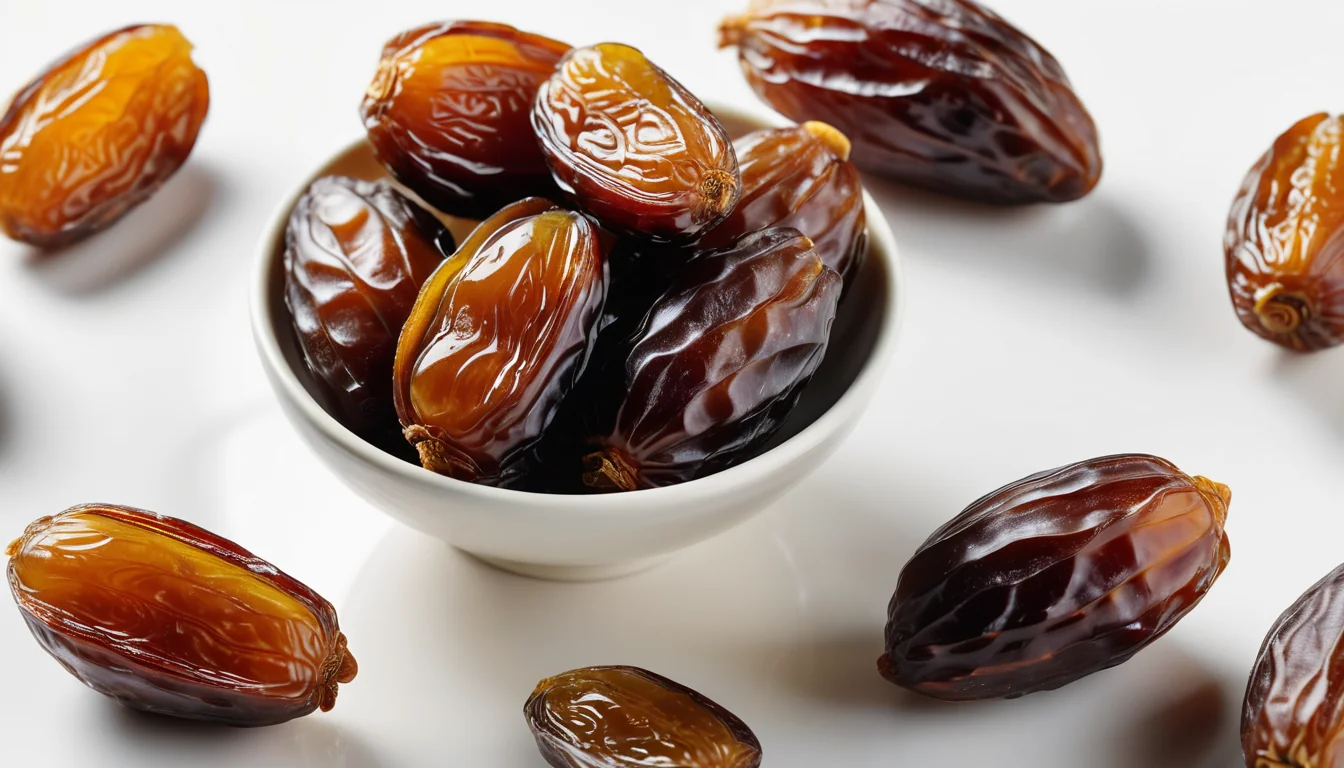
Dates fruit benefits make this ancient food one of the most nutrient-dense snacks you can add to your daily routine. Packed with natural sugars, essential minerals, fibre, and powerful antioxidants, dates have been enjoyed for thousands of years across the Middle East, Asia, and Africa. Today, they are widely available in grocery stores and health food shops throughout Canada.
Top Dates Fruit Benefits for Your Health
Whether you are looking for a natural energy boost or want to learn more about dates nutrition facts, this guide covers everything you need to know. From digestive support to heart health, adding dates to your diet may offer real, evidence-based advantages for Canadians seeking whole-food nutrition.
What Is Dates Fruit?
| Dried Fruit (per 100g) | Key Nutrients | Primary Health Benefits | Considerations for Canadians |
|---|---|---|---|
| Dates (Medjool) | Potassium 696mg, Fibre 6.7g, Magnesium 54mg, Iron 0.9mg | Supports heart health, digestive regularity, bone strength, and natural energy; rich in antioxidants linked to reduced inflammation | High natural sugar content (66g); suitable for most adults in moderation; those managing diabetes should monitor portion size |
| Raisins | Potassium 749mg, Fibre 3.7g, Iron 1.9mg, Calcium 50mg | Supports iron levels; beneficial for individuals at risk of iron-deficiency anemia, common in Canadian women of childbearing age | High sugar content (59g); may contribute to dental cavities; rinse mouth after consumption |
| Dried Apricots | Potassium 1160mg, Fibre 7.3g, Vitamin A 180mcg RAE, Iron 2.7mg | Excellent source of beta-carotene; supports eye health and immune function; high potassium aids blood pressure management | Sulfite preservatives in some brands may trigger reactions in sulfite-sensitive individuals; choose unsulfured varieties when possible |
| Dried Cranberries | Fibre 5.3g, Vitamin C 0.2mg, Manganese 0.3mg, Antioxidants (proanthocyanidins) | May reduce urinary tract infection risk; provides antioxidants supporting immune defence, relevant during Canadian cold and flu season | Most commercial varieties contain added sugar (up to 72g total); look for unsweetened options available at Canadian health food retailers |
| Dried Figs | Calcium 162mg, Fibre 9.8g, Potassium 680mg, Magnesium 68mg | Among the highest plant-based calcium sources; supports bone density, particularly important for Canadians at risk of osteoporosis | High oxalate content may be a concern for individuals prone to kidney stones; consult a healthcare provider if history of kidney stones exists |
The date palm tree belongs to the palm family. It thrives in hot, dry climates and is cultivated for its sweet, edible fruit. Globally, around 100 million date palm trees are planted, producing approximately 7.5 million tonnes of dates each year.
Dates come in many varieties, each with a unique flavour and texture. If you have only tried one type and did not enjoy it, it is worth exploring others. You may find a variety that suits your taste perfectly.
Common Varieties of Dates Fruit
Dates are generally grouped into three categories: soft, semi-dry, and dry. Here are some of the most popular varieties you may find in Canada:
- Medjool: Large, soft, and fleshy. These are among the most popular dates and work well in recipes and baking.
- Mazafati: Soft with a creamy interior and slightly firmer skin. Considered the sweetest variety available.
- Ajwa: Semi-dry with a strong, unique aroma and fine sweetness. Grown on black volcanic fields in Saudi Arabia, these are among the rarest dates in the world. They contain higher levels of calcium, magnesium, and zinc.
- Safawi: Semi-dry and aromatic with a fine sweetness. Similar in quality to Ajwa but meatier in texture.
- Deglet Nour: Semi-dry and mildly sweet. Often used in snacks and baked goods, and can substitute for refined sugar in recipes.
- Sukkari: Soft, creamy, and very sweet with a caramel-like flavour. The name means sugar in Arabic. Commonly used to sweeten tea.
- Wanan: Soft with a mild, slightly spicy sweetness reminiscent of cinnamon.
Dates Fruit Nutrition Facts
Dates fruit is one of the most energy-dense fruits you can eat. A 100-gram serving provides up to 314 kilocalories. Most of that energy comes from natural sugars, specifically glucose, fructose, and sucrose.
Fresh dates contain roughly 43 grams of carbohydrates per 100 grams. Dried dates can contain up to 64 grams per 100 grams. For this reason, portion size matters, especially for people managing blood sugar levels.
Minerals in Dates Fruit
Dates fruit may be the richest source of minerals among commonly eaten fruits. A single serving can contain up to 15 different minerals. The most notable include:
- Potassium: Dates contain between 656 and 696 mg of potassium per 100 grams. This is nearly double the potassium found in bananas, which contain about 358 mg per 100 grams.
- Calcium and magnesium: Both support bone health and help regulate blood pressure.
- Iron: Important for healthy red blood cell production.
- Zinc, selenium, phosphorus, copper, and manganese: All present in meaningful amounts.
Dates are also naturally low in sodium. This combination of high potassium and low sodium is particularly good for heart and blood pressure health.
Vitamins in Dates Fruit
Dates contain a moderate amount of vitamins. B vitamins are most prominent, including B1 (thiamine), B2 (riboflavin), niacin, and B6. A 100-gram serving can provide up to 9% of the recommended daily intake of these vitamins for an adult.
Dates also contain small amounts of vitamin C and vitamin A. While these levels are modest, they still contribute to your overall daily intake.
Fibre Content
Fibre is one of the standout nutrients in dates fruit. Fresh dates contain between 6.9 and 8.6 grams of fibre per 100 grams. Semi-dry and dried dates contain between 3.6 and 13.5 grams per 100 grams, depending on variety and drying method.
A 100-gram serving of dates can provide up to 34% of the recommended daily fibre intake for adults. Health Canada recommends adults consume 21 to 38 grams of dietary fibre per day, depending on age and sex. Dates are an easy and delicious way to help meet that goal.
In addition to fibre, dates also contain antioxidants, carotenoids, polyphenols, phytosterols, and anthocyanins. These plant compounds support overall health in various ways.
Health Benefits of Dates Fruit
Research and traditional use both support several health benefits of dates fruit. However, most studies have been conducted in laboratory or animal settings. More large-scale human trials are still needed. That said, the nutritional profile of dates strongly supports their role in a healthy diet.
Supports Digestive Health
Dates fruit is rich in dietary fibre, which helps keep your digestive system moving. The high fibre content gives dates a natural laxative effect. Therefore, eating dates regularly may help relieve constipation and support regular bowel movements.
Furthermore, fibre feeds the beneficial bacteria in your gut. A healthy gut microbiome is linked to better immunity, mood, and digestion. The Mayo Clinic explains how dietary fibre supports digestive health and reduces the risk of digestive conditions.
May Support Heart Health
Dates fruit may help reduce several risk factors for cardiovascular disease. The high potassium and low sodium content supports healthy blood pressure. Calcium and magnesium, both found in meaningful amounts in dates, also contribute to blood pressure regulation.
In addition, dates are low in fat and high in fibre. They also contain phytosterols, which are plant compounds that can help lower LDL (bad) cholesterol levels. As a result, eating dates as part of a balanced diet may support long-term heart health.
Dates have been used for centuries in parts of Africa as a traditional remedy for high blood pressure. While traditional use is not the same as clinical proof, the nutritional science behind this practice is well supported.
May Help With Iron-Deficiency Anaemia
Iron-deficiency anaemia is common in Canada, particularly among women of childbearing age, children, and older adults. Dates fruit contains a notable amount of iron, which plays a key role in producing healthy red blood cells.
Adding dates to your diet is a simple and natural way to boost your iron intake. However, if you suspect you have anaemia, always speak with your family doctor or visit a walk-in clinic for proper testing and diagnosis.
Potential Antibacterial and Antiviral Properties
Dates are rich in phenolic compounds. These natural plant chemicals have demonstrated antibacterial, antifungal, and antiviral properties in laboratory studies. Historically, dates have been used in traditional medicine to ease bronchitis, coughs, and respiratory infections.
A traditional preparation involves simmering 100 grams of dates in water or plant-based milk over low heat for 10 to 15 minutes, then consuming both the fruit and the liquid. While this remedy is not a replacement for medical treatment, it may offer soothing support for mild symptoms.
Possible Role in Cancer Prevention
Some experimental research suggests that dates fruit may have a preventive role against certain cancers. This possible effect is linked to their antioxidant content, selenium, and dietary fibre. Antioxidants help protect cells from oxidative damage, which is one factor involved in cancer development.
It is important to be clear: dates are not a cancer treatment, and the evidence is still preliminary. However, as part of a diet rich in plant foods, they may contribute to long-term cellular health. The World Health Organization notes that diet plays an important role in cancer risk reduction.
How to Add Dates Fruit to Your Diet
Dates fruit is incredibly versatile. You can enjoy them on their own as a quick snack, or use them in a wide variety of recipes. Here are some easy ways to include dates in your daily routine:
- Eat 2 to 3 dates as a natural afternoon energy boost.
- Blend dates into smoothies for natural sweetness without added sugar.
- Use chopped dates in oatmeal, yogurt, or overnight oats.
- Substitute dates for refined sugar in baked goods and energy balls.
- Stuff dates with almond butter or a walnut for a satisfying snack.
- Add dates to salads for a touch of sweetness and extra nutrients.
Because dates are high in natural sugars and calories, a typical serving is 2 to 4 dates (about 30 to 50 grams). This is enough to enjoy their benefits without overloading on sugar. People with diabetes or those managing blood sugar should speak with their doctor or a registered dietitian before adding large amounts of dates to their diet.
When to See a Doctor
Dates fruit is a healthy food for most people, but it is not a medicine. If you are experiencing ongoing digestive problems, fatigue, high blood pressure, or other symptoms mentioned in this article, please see a healthcare provider. Your family doctor is your best first contact for any new or persistent health concern.
If you do not have a family doctor, a walk-in clinic can provide an initial assessment. Many provincial health plans across Canada cover these visits. Your doctor can run blood tests, check for conditions like anaemia or high cholesterol, and recommend a nutrition plan suited to your needs.
If you are pregnant, diabetic, or taking medications for blood pressure or heart conditions, talk to your doctor before making significant changes to your diet. Dates are nutritious, but high potassium intake may interact with certain medications.
Frequently Asked Questions About Dates Fruit
How many dates fruit should I eat per day?
Most nutrition experts suggest eating 2 to 4 dates per day as a healthy portion. Dates fruit is naturally high in sugar and calories, so moderation is important. If you have diabetes or are watching your weight, speak with your doctor or dietitian for personalised guidance.
Are dates fruit good for people with high blood pressure?
Yes, dates fruit may support healthy blood pressure because they are high in potassium and low in sodium. Potassium helps relax blood vessel walls and reduces tension in the cardiovascular system. However, people taking blood pressure medications should check with their doctor, as high potassium intake can interact with certain drugs.
Can dates fruit help with constipation?
Dates fruit is an excellent source of dietary fibre, which promotes regular bowel movements and can relieve constipation. Eating a few dates daily, along with drinking plenty of water, supports healthy digestion. If constipation is severe or persistent, visit your family doctor or a walk-in clinic.
Are dates fruit high in sugar?
Yes, dates fruit is naturally high in sugar, primarily glucose, fructose, and sucrose. Dried dates can contain up to 64 grams of carbohydrates per 100 grams. Despite this, their high fibre content helps slow sugar absorption, making them a better choice than refined sweets for most people.
Where can I buy dates fruit in Canada?
Dates fruit is widely available across Canada in most major grocery chains, Middle Eastern and South Asian grocery stores, and health food shops. Medjool and Deglet Nour are the varieties most commonly found in Canadian supermarkets. You can also find a wider selection of specialty varieties online or at larger specialty food retailers.
Is dates fruit safe to eat during pregnancy?
According to Mayo Clinic’s guide to dietary fibre, this information is supported by current medical research.
For more information, read our guide on potassium and heart health for Canadians.
Dates fruit is generally considered safe and nutritious during pregnancy, providing iron, fibre, and energy. Some research suggests that eating dates in the final weeks of pregnancy may support cervical ripening, though more evidence is needed. Always consult your obstetrician or midwife before making dietary changes during pregnancy.
Key Takeaways
- Dates fruit is one of the most nutrient-dense fruits available, rich in natural sugars, minerals, fibre, and antioxidants.
- A 100-gram serving provides up to 34% of your daily recommended fibre intake and nearly double the potassium of bananas.
- Regular consumption may support digestive health, heart health, healthy blood pressure, and iron levels.
- Dates contain B vitamins, small amounts of vitamins C and A, and up to 15 different minerals.
- They are versatile in the kitchen and can replace refined sugar in many recipes.
- Enjoy 2 to 4 dates per day as part of a balanced diet. People with diabetes, high blood pressure, or other health conditions should speak with their family doctor or a registered dietitian first.
- If you have health concerns related to digestion, anaemia, or cardiovascular health, your family doctor or local walk-in clinic is the right place to start.
Frequently Asked Questions
What are the main dates fruit benefits for your health?
Dates fruit benefits include improved digestion, enhanced energy levels, better bone health, and reduced inflammation. Rich in fibre, potassium, magnesium, and antioxidants, dates support heart health, regulate blood sugar, and may improve brain function. They are a naturally sweet, nutrient-dense food suitable for most Canadians.
How many dates should you eat per day in Canada?
Most nutrition experts recommend eating 3 to 5 dates per day as part of a balanced diet. This portion provides beneficial fibre, natural sugars, and essential minerals without excessive calorie intake. Canadians with diabetes or blood sugar concerns should consult a registered dietitian before increasing their daily intake.
What are the dates fruit benefits for digestion and gut health?
Dates are high in soluble and insoluble dietary fibre, promoting healthy bowel movements and relieving constipation. They contain natural compounds that support beneficial gut bacteria, reducing bloating and inflammation. Regular consumption may lower colorectal cancer risk, making dates an excellent digestive health food for Canadians.
Can eating dates help with energy and fatigue symptoms?
Yes. Dates contain natural sugars — glucose, fructose, and sucrose — providing quick, sustained energy. They also supply iron and B vitamins that combat fatigue and support red blood cell production. Dates are a healthy alternative to processed snacks for Canadians experiencing low energy during busy days or physical activity.
When should Canadians avoid eating dates or see a doctor?
Canadians should limit dates if they have diabetes, irritable bowel syndrome, or fructose intolerance, as high natural sugar and fibre content may worsen symptoms. Consult a doctor or dietitian if you experience bloating, blood sugar spikes, allergic reactions, or unexplained weight changes after regularly consuming dates.

About the Author
Dr. James Okafor, MD, PhDDr. James Okafor holds an MD and PhD in Neurological Sciences from McGill University. With 12 years of experience in clinical neurology and mental health research, he has contributed to landmark studies on depression, anxiety, and cognitive health. Dr. Okafor is a Fellow of the Royal College of Physicians and Surgeons of Canada and serves on the editorial board of two peer-reviewed journals.
View all articles →