5-Nucleotidase Blood Test: Liver Guide for Canadians

Share
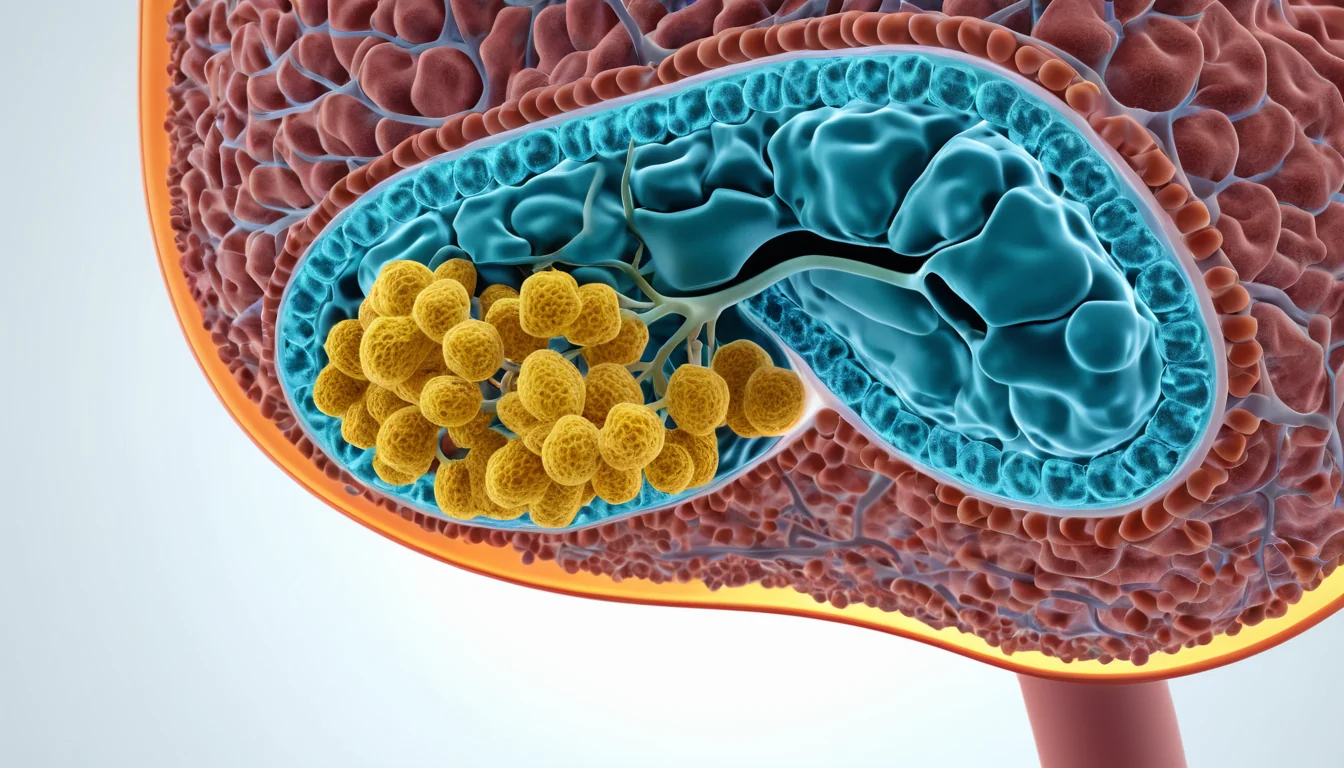
The 5-nucleotidase blood test is a specialized liver enzyme test that Canadian doctors use to evaluate liver and bile duct health. This lab test measures the level of 5′-nucleotidase, an enzyme that plays a key role in producing adenosine — a molecule essential for energy and many biological processes. When liver cells are damaged or bile ducts become blocked, the enzyme spills into the bloodstream, signalling a potential problem.
Why Canadian Doctors Order the 5-Nucleotidase Blood Test
Understanding your results is important, especially if your doctor has also checked for alkaline phosphatase elevated levels or other hepatobiliary tract function markers. In Canada, this test is commonly ordered alongside other liver panels to give physicians a clearer picture of what is happening inside your liver and bile ducts. This guide explains everything Canadian patients need to know about the test, from preparation to interpreting results.
What Is the 5′-Nucleotidase Blood Test?
| Result Level | Reference Range (U/L) | Possible Causes | Recommended Management |
|---|---|---|---|
| Normal | 0–17 U/L (adults) | Healthy liver and biliary function; no significant hepatic or biliary disease | No further testing required; routine health maintenance recommended |
| Mildly Elevated | 18–50 U/L | Early-stage cholestasis, non-alcoholic fatty liver disease (NAFLD), mild bile duct inflammation | Repeat testing in 4–6 weeks; lifestyle modifications; monitor with liver function panel |
| Moderately Elevated | 51–150 U/L | Intrahepatic or extrahepatic cholestasis, primary biliary cholangitis (PBC), hepatitis | Referral to gastroenterologist or hepatologist; abdominal ultrasound; additional liver enzyme testing |
| Significantly Elevated | 151–300 U/L | Advanced biliary obstruction, primary sclerosing cholangitis (PSC), liver cirrhosis | Urgent specialist referral; MRCP or ERCP imaging; comprehensive liver disease workup |
| Critically Elevated | Above 300 U/L | Malignant biliary obstruction, metastatic liver disease, severe acute liver injury | Immediate specialist consultation; CT scan or MRI; possible biopsy; hospital admission may be required |
The 5′-nucleotidase blood test measures the level of a specific protein produced by your liver. Under normal conditions, only small amounts of this enzyme appear in the blood. However, when something goes wrong in the liver or bile ducts, levels rise noticeably.
This test is often ordered alongside other liver enzyme tests, such as alkaline phosphatase (ALP) and gamma-glutamyl transferase (GGT). Together, these tests give your doctor a clearer picture of what is happening inside your liver and bile ducts. For more background on liver enzyme testing, visit the Mayo Clinic’s guide to liver function tests.
What Does the Hepatobiliary Tract Have to Do With It?
Your hepatobiliary tract is a network that includes your liver, bile ducts, and gallbladder. These organs work together to produce and move bile, a fluid that helps you digest fats. When bile ducts become blocked or inflamed, 5′-nucleotidase levels in the blood rise significantly.
This is why the test is especially useful for identifying cholestatic liver disease — a condition where bile cannot flow properly from the liver. In addition, the enzyme activity often rises before bilirubin levels increase, meaning this test can flag problems early.
Why Is the 5′-Nucleotidase Blood Test Ordered?
Your doctor may order this test for several important reasons. Most commonly, it helps determine whether elevated ALP levels come from liver damage or from bone disease. This distinction matters because ALP rises in both liver and bone conditions, but 5′-nucleotidase only rises with liver and bile duct problems — not bone disorders.
In addition, the test helps diagnose obstructive jaundice, a condition where a blockage in the bile ducts causes yellowing of the skin and eyes. Furthermore, it can help monitor patients who take medications that may harm the liver over time.
Liver Disease Versus Bone Disease
This is one of the most important uses of the 5′-nucleotidase blood test. When both ALP and 5′-nucleotidase are elevated at the same time, liver disease — including possible liver metastases — becomes more likely. However, when only ALP is elevated and 5′-nucleotidase remains normal, bone conditions such as Paget’s disease or bone fractures are the more probable cause.
This distinction saves patients from unnecessary additional testing and helps doctors arrive at the right diagnosis faster. It is especially helpful in older Canadians, who may have both liver and bone health concerns at the same time.
Monitoring Liver-Toxic Medications
Many common medications can stress the liver over time. Your doctor may use the 5′-nucleotidase blood test to keep an eye on your liver health if you take certain drugs regularly. This kind of monitoring is a normal part of managing long-term health conditions in Canada, often coordinated through your family doctor or a specialist referral.
What Conditions Can This Test Detect?
A high 5′-nucleotidase result can point to a range of conditions affecting the liver and bile ducts. Your doctor will always look at your full set of results, your symptoms, and your medical history before drawing any conclusions.
Elevated levels of 5′-nucleotidase in the blood may indicate the following conditions:
- Cholestatic liver disease — a condition where bile flow is reduced or blocked
- Bile duct obstruction — a physical blockage in the ducts carrying bile
- Cholestasis — bile buildup inside the liver
- Hepatitis — inflammation of the liver, often caused by a virus
- Liver cirrhosis — scarring of the liver from long-term damage
- Liver tumours or hepatic metastases — cancer that has spread to the liver
- Early biliary cirrhosis — a chronic liver disease affecting the bile ducts
- Hepatic ischaemia — reduced blood supply to the liver
- Inflammatory arthritis — joint inflammation that can sometimes affect liver enzymes
- Breast cancer and secondary tumours — certain cancers can raise 5′-nucleotidase levels
- Hepatic lymphoma — lymphoma that involves the liver
- Use of liver-damaging medications — some drugs can raise enzyme levels as a side effect
It is worth noting that in acute hepatitis, 5′-nucleotidase levels rise only slightly. The biggest increases are seen in cholestatic and obstructive conditions. For a general overview of liver health, Healthline’s guide to liver diseases offers helpful background information.
What About Low 5′-Nucleotidase Levels?
While high levels get the most attention, low levels can also carry meaning. Decreased 5′-nucleotidase activity may be useful in assessing the outlook for prostate cancer. Reduced activity can also appear in certain cases of beta-thalassaemia, particularly in patients who have lead poisoning.
Furthermore, 5′-nucleotidase is found in red blood cells as well. An inherited deficiency of this enzyme in red blood cells can cause a form of haemolytic anaemia, which may lead to episodes of jaundice. This is a rare but important consideration in some patients.
Understanding the Connection to Cancer
The 5′-nucleotidase blood test has a meaningful role in cancer monitoring. In patients with liver tumours or hepatic metastases, enzyme activity rises significantly. Research shows a close relationship between 5′-nucleotidase activity and the degree of metastatic invasion in the liver.
In breast cancer specifically, elevated 5′-nucleotidase levels have been found to return to normal following mastectomy in some patients. A connection has also been noted with brain metastases from breast cancer. As a result, this test can be one useful tool among many when oncologists monitor cancer progression or treatment response.
It is important to remember that no single test confirms cancer on its own. Your healthcare team will always use a combination of imaging, other blood tests, and clinical evaluation together.
How to Prepare for the 5′-Nucleotidase Blood Test
Preparation for this test is straightforward. You will need to fast — meaning no food or drink except water — before your blood is drawn. Your doctor or the lab will tell you exactly how many hours to fast beforehand, typically eight to twelve hours.
The test uses an enzymatic method to measure 5′-nucleotidase levels in a standard blood sample. The blood draw itself takes only a few minutes and is done at a lab, hospital, or diagnostic centre. In Canada, this test is usually ordered through your family doctor or a specialist and processed through your provincial health plan.
Medications and Other Factors That Affect Results
Several common medications can raise 5′-nucleotidase levels and affect your results. It is important to tell your doctor about everything you are taking before the test.
Medications that may increase 5′-nucleotidase levels include:
- Anabolic steroids
- Antibiotics
- Aspirin
- Codeine and morphine
- Hepatotoxic (liver-damaging) drugs
- Tricyclic antidepressants
- Indomethacin
- Meperidine
- Phenothiazines
- Phenytoin
- Thiazide diuretics (water pills)
In addition, pregnancy can interfere with test results. If you are pregnant or think you might be, let your doctor know before the test is ordered. For information on how medications affect liver enzymes, the Health Canada drugs and health products page is a trusted Canadian resource.
When to See a Doctor About Your Liver Health
You should speak with your family doctor if you notice symptoms that suggest liver or bile duct problems. These symptoms include yellowing of the skin or eyes (jaundice), dark urine, pale stools, persistent fatigue, upper right abdominal pain, or unexplained itching.
If you do not have a family doctor, a walk-in clinic can assess your symptoms and order initial blood work, including liver enzyme tests. Many provincial health plans in Canada cover standard liver function testing when it is medically necessary. Your doctor will decide whether a 5′-nucleotidase test is appropriate based on your specific situation.
Do not try to interpret your blood test results on your own. Always follow up with a qualified healthcare provider who can look at your full clinical picture. This article is for general information only and is not a substitute for professional medical advice.
Frequently Asked Questions
What does the 5′-nucleotidase blood test measure?
The 5′-nucleotidase blood test measures the level of a liver enzyme called 5′-nucleotidase in your blood. This enzyme is normally produced by liver cells and helps create adenosine, which the body needs for energy. Elevated levels can signal liver disease, bile duct obstruction, or other hepatobiliary conditions.
Why would a doctor order a 5′-nucleotidase test instead of just an ALP test?
A doctor may order the 5′-nucleotidase blood test alongside ALP because it helps tell the difference between liver disease and bone disease. ALP rises in both conditions, but 5′-nucleotidase only rises when the liver or bile ducts are affected — not with bone disorders. This makes the two tests more informative when used together.
Do I need to fast before a 5′-nucleotidase blood test?
Yes, you are generally required to fast before the 5′-nucleotidase blood test, meaning no food or drink except water. Your doctor or the laboratory will give you specific fasting instructions, usually eight to twelve hours beforehand. Always follow the instructions provided by your healthcare provider.
What medications can affect 5′-nucleotidase test results?
Several medications can raise 5′-nucleotidase levels and affect your test results, including aspirin, codeine, morphine, antibiotics, anabolic steroids, and certain antidepressants. Pregnancy can also interfere with results. Always tell your doctor about any medications or supplements you are taking before having this test done.
Is an elevated 5′-nucleotidase result a sign of cancer?
An elevated 5′-nucleotidase blood test result does not automatically mean cancer, but high levels can be associated with liver tumours, hepatic metastases, and certain cancers such as breast cancer. However, many non-cancerous conditions — including hepatitis and bile duct blockage — can also raise levels. Your doctor will always consider your full medical picture before reaching any diagnosis.
Is the 5′-nucleotidase blood test covered by provincial health plans in Canada?
According to Mayo Clinic’s guide to liver function tests, this information is supported by current medical research.
For more information, read our guide on dehydration in children and its impact on liver enzyme levels.
Coverage for the 5′-nucleotidase blood test varies by province and depends on whether it is considered medically necessary in your situation. In most cases, when ordered by a family doctor or specialist for a specific clinical reason, liver enzyme tests are covered under provincial health insurance plans. Check with your provincial health authority or family doctor for details specific to your region.
Key Takeaways
- The 5′-nucleotidase blood test measures a liver enzyme that rises when the liver or bile ducts are damaged or blocked.
- It is most useful for telling the difference between liver disease and bone disease when ALP levels are elevated.
- High levels may indicate cholestasis, bile duct obstruction, hepatitis, cirrhosis, liver tumours, or hepatic metastases.
- Certain medications — including aspirin, codeine, and antibiotics — can raise levels and affect results.
- You must fast before this test, and pregnancy can also affect results.
- The test is often ordered with ALP and GGT for a more complete view of liver and bile duct health.
- Always discuss your results with your family doctor, walk-in clinic provider, or specialist — never interpret blood tests on your own.
Frequently Asked Questions
What is a 5-nucleotidase blood test?
A 5-nucleotidase blood test measures the level of the enzyme 5-nucleotidase in your blood, which is primarily found in the liver. It helps doctors assess liver function and detect liver or bile duct disorders. Normal levels are typically below 17 U/L, though reference ranges may vary slightly between Canadian laboratories.
What are the symptoms that indicate you need a 5-nucleotidase blood test?
Your doctor may order this test if you experience jaundice, persistent fatigue, upper right abdominal pain, dark urine, pale stools, or unexplained itching. These symptoms can indicate liver disease or bile duct obstruction. Elevated enzyme levels help distinguish liver-related conditions from bone disorders, improving diagnostic accuracy.
What do abnormal 5-nucleotidase blood test results mean?
Elevated 5-nucleotidase levels typically indicate liver or bile duct problems, including cholestasis, hepatitis, cirrhosis, or liver cancer. Unlike alkaline phosphatase, this enzyme is liver-specific, so high results strongly suggest hepatic disease rather than bone conditions. Your doctor will recommend follow-up imaging or additional blood tests to confirm a diagnosis.
Can you prevent abnormal 5-nucleotidase levels?
You can reduce your risk of liver disease by limiting alcohol consumption, maintaining a healthy weight, eating a balanced diet, exercising regularly, and avoiding unnecessary medications that stress the liver. Getting vaccinated against hepatitis A and B is also recommended. These lifestyle choices help maintain optimal liver health and normal enzyme levels.
When should you see a doctor about your 5-nucleotidase blood test results in Canada?
See your doctor promptly if results come back elevated or if you experience jaundice, severe abdominal pain, or persistent fatigue. In Canada, you can consult your family physician, visit a walk-in clinic, or request a referral to a gastroenterologist. Early diagnosis of liver conditions significantly improves treatment outcomes and long-term prognosis.

About the Author
Dr. Sarah Mitchell, MDDr. Sarah Mitchell is a board-certified family physician with over 15 years of clinical experience. She completed her MD at the University of Toronto and her residency at Toronto General Hospital. Dr. Mitchell specializes in preventive medicine and chronic disease management. She is a member of the College of Family Physicians of Canada (CFPC) and has published over 30 peer-reviewed articles on preventive health care.
View all articles →