A urine HVA test measures the amount of homovanillic acid in your child’s urine and is one of the most important tools Canadian doctors use when they suspect neuroblastoma, a cancer that primarily affects young children. If your pediatrician or family doctor has requested this test, understanding what it involves and what the results mean can help ease your concerns and prepare you for the next steps.
What Is a Urine HVA Test and Why Do Canadian Doctors Order It?
Homovanillic acid is a byproduct created when the body breaks down dopamine, a chemical produced by catecholamine-producing nerve cells. When these cells become cancerous, HVA levels in the urine often rise significantly above normal. In Canada, the urine HVA test is almost always ordered alongside a VMA test to give doctors a more complete picture of your child’s health, helping guide diagnosis and treatment decisions quickly and accurately.
What Is a Urine HVA Test?
Conditions Detected by a Urine HVA Test: Types and Key Characteristics
| Condition | Characteristics | Typical HVA Finding | Management Approach |
|---|---|---|---|
| Neuroblastoma | Most common extracranial solid tumour in children; often affects the adrenal glands or sympathetic nerve tissue | Significantly elevated HVA (often alongside elevated VMA) | Surgery, chemotherapy, radiation; managed through Canadian pediatric oncology centres |
| Ganglioneuroblastoma | Intermediate tumour between neuroblastoma and ganglioneuroma; partially differentiated nerve cells | Moderately to significantly elevated HVA | Surgical resection with possible adjuvant chemotherapy; ongoing monitoring |
| Ganglioneuroma | Benign, well-differentiated tumour of the sympathetic nervous system; slow-growing | Mildly to moderately elevated HVA | Surgical removal; typically favourable prognosis with regular follow-up |
| Pheochromocytoma | Rare tumour of the adrenal medulla causing excess catecholamine production; can cause high blood pressure | Elevated HVA along with elevated epinephrine metabolites | Surgical removal after medical stabilization; requires specialist care at a Canadian tertiary centre |
| Normal / Non-tumour Result | HVA levels within age-adjusted reference range; symptoms may be caused by other conditions | HVA within normal limits (varies by age and lab) | Further diagnostic workup as needed; reassurance and monitoring by a paediatrician |
HVA stands for homovanillic acid. It is a chemical that your body produces when it breaks down dopamine, a substance made by certain nerve cells called catecholamine-producing cells.
When these nerve cells become cancerous — as in neuroblastoma — they often produce far too much dopamine. As a result, levels of HVA in the urine rise well above normal. Measuring HVA in the urine gives doctors a window into what those nerve cells are doing.
The test is almost always ordered alongside another urine test called the VMA test (vanillylmandelic acid). Together, the urine HVA test and VMA test give doctors a more complete picture. You can learn more about how these markers work at Mayo Clinic’s guide to catecholamine urine tests.
Why Would a Doctor Order a Urine HVA Test?
Your child’s doctor will most likely order a urine HVA test if they notice signs or symptoms that could point to neuroblastoma. Neuroblastoma is a cancer that starts in immature nerve cells. It most often affects children under the age of five.
However, the test can also help monitor children who have already been diagnosed with neuroblastoma. In those cases, rising or falling HVA levels can show whether treatment is working.
Common Reasons a Doctor Orders This Test
A lump or swelling in the abdomen, chest, or neck
Unexplained bone pain or a child refusing to walk
Unusual bruising around the eyes (sometimes called “raccoon eyes”)
Persistent fever with no clear cause
Unexplained weight loss or poor appetite in a young child
High blood pressure in a child with no clear reason
None of these symptoms alone confirms neuroblastoma. Therefore, the urine HVA test is just one part of a larger diagnostic process. Your child’s doctor will always combine it with physical exams and likely imaging tests as well.
Understanding Neuroblastoma: A Brief Overview
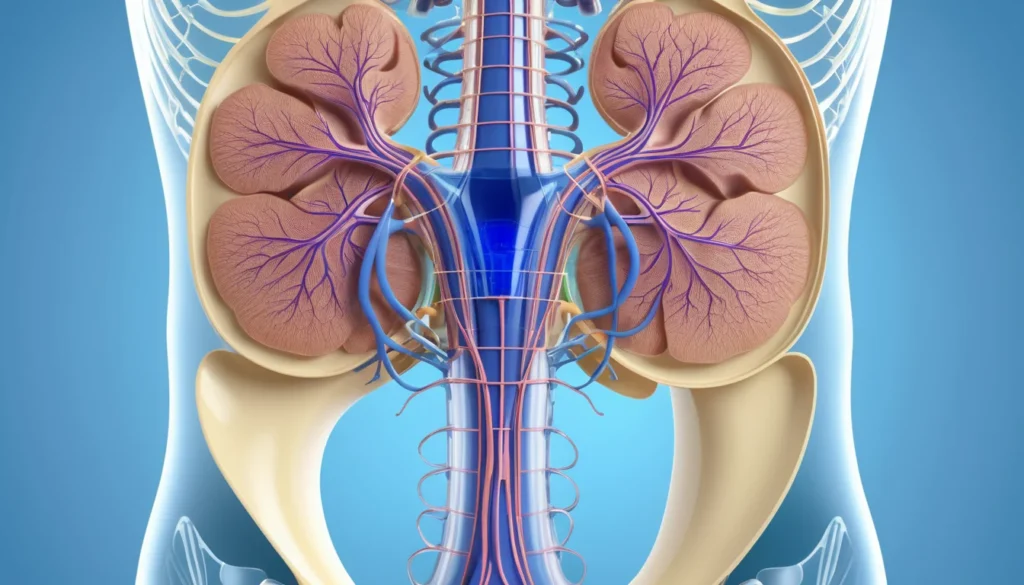
Neuroblastoma is one of the most common solid tumours in children. It develops from nerve tissue and most often forms in or near the adrenal glands, which sit on top of the kidneys. It can also form along the spine, in the chest, or in the neck.
In Canada, neuroblastoma accounts for about 7 to 8 percent of all childhood cancers. Most children diagnosed are under five years old, though it can occasionally appear in older children.
The good news is that when neuroblastoma is caught early, treatment outcomes can be very positive. This is exactly why the urine HVA test is such a valuable diagnostic tool — it can signal a problem before symptoms become severe. For more background on neuroblastoma, Healthline’s neuroblastoma resource offers a helpful, easy-to-read overview.
How Neuroblastoma Relates to HVA Levels
Neuroblastoma tumours behave like overactive factories. They produce far more dopamine and other catecholamines than the body needs. These extra chemicals break down into HVA and VMA, which then leave the body through the urine.
Furthermore, the higher the tumour burden — meaning the more cancer cells present — the higher the HVA level tends to be. This makes the urine HVA test useful not just for diagnosis, but also for tracking how well treatment is working over time.
How Is the Urine HVA Test Done?
The urine HVA test is non-invasive and relatively simple to perform. There are no needles involved for the test itself. Instead, your child (or you, if the test is ordered for an adult) collects urine over a 24-hour period.
The medical team will give you a large container and clear instructions. All urine produced over 24 hours must be collected and stored in that container, usually kept cool in the refrigerator. You then return the container to the lab or clinic.
Preparing for the Test
Preparation matters quite a bit for accurate results. Certain foods and medications can raise or lower HVA levels, which could lead to a false result.
In the days before and during the collection period, your child’s doctor may ask you to avoid giving certain foods. Common items that can affect results include:
Vanilla-flavoured foods and drinks
Chocolate and cocoa products
Bananas and citrus fruits
Coffee and tea (relevant for adults or older children)
Certain medications, including aspirin and some antidepressants
Always ask your family doctor or the ordering physician for a complete list of foods and medications to avoid. Following these instructions carefully helps ensure the urine HVA test results are as accurate as possible.
What Do the Results Mean?
Once the lab analyses the 24-hour urine sample, the results will show the concentration of HVA in the urine. Results are usually reported in micrograms per milligram of creatinine (a standard way to adjust for how dilute the urine is).
Normal HVA levels vary depending on a child’s age. Younger children naturally have different reference ranges than older children or adults. Your doctor will interpret the results based on your child’s specific age group.
High HVA Levels
A high HVA level on a urine HVA test suggests that the body is producing too much dopamine. This is a red flag for neuroblastoma or, less commonly, other tumours that produce catecholamines (called pheochromocytoma or paraganglioma).
However, a high result does not automatically confirm cancer. Stress, certain medications, or lab errors can occasionally cause elevated readings. As a result, doctors always follow up an abnormal urine HVA test with further investigations, such as imaging scans (CT or MRI) and sometimes a biopsy.
Normal HVA Levels
A normal result is reassuring, but it does not always fully rule out neuroblastoma. A small percentage of neuroblastoma tumours do not produce significant amounts of HVA. Therefore, if your child’s symptoms are still concerning, the doctor may order additional tests even if the urine HVA test comes back within normal range.
Monitoring After Diagnosis
For children already being treated for neuroblastoma, the urine HVA test is repeated regularly. Falling HVA levels typically mean the treatment is working well. In contrast, rising levels can signal that the tumour is growing again, which allows doctors to adjust the treatment plan promptly.
When to See a Doctor
You should speak with your family doctor as soon as possible if your child develops any of the warning signs mentioned earlier in this article. Early detection makes a significant difference in neuroblastoma outcomes.
If you do not have a family doctor, a walk-in clinic can provide an initial assessment. Depending on your province or territory, you may also be able to access a nurse practitioner or paediatric clinic through your provincial health plan. In Ontario, for example, you can find a healthcare provider through Health Care Connect. Most provinces have similar programmes to help you find care.
Do not wait to see if symptoms improve on their own if your child has a visible lump, unexplained bruising around the eyes, or persistent bone pain. These symptoms warrant prompt medical attention. Health Canada’s official health resources can also help you navigate the Canadian healthcare system and find services near you.
Always consult your doctor or a qualified healthcare professional before drawing any conclusions from test results. Only a trained physician can properly interpret a urine HVA test in the context of your child’s full medical history.
Frequently Asked Questions About the Urine HVA Test
What is a urine HVA test used for?
A urine HVA test measures homovanillic acid levels in the urine to help diagnose neuroblastoma and other tumours that produce catecholamines. Doctors also use it to monitor how well treatment is working in children already diagnosed with neuroblastoma. It is a non-invasive test that involves collecting urine over a 24-hour period.
What are normal HVA levels in a urine test?
Normal HVA levels on a urine HVA test depend on a child’s age, since reference ranges differ between infants, young children, and adults. Your doctor or the laboratory will compare your child’s result to the age-appropriate reference range. Always ask your physician to explain what the numbers mean for your specific child.
Can foods affect the urine HVA test results?
Yes, certain foods can raise or lower HVA levels and affect the accuracy of the urine HVA test. Foods like vanilla, chocolate, bananas, and citrus fruits are commonly known to interfere with results. Your doctor will give you a specific list of foods and medications to avoid in the days before and during the 24-hour urine collection.
Is neuroblastoma only found in young children?
Neuroblastoma most commonly affects children under the age of five, but it can occasionally occur in older children and, rarely, in adults. In Canada, it accounts for roughly 7 to 8 percent of all childhood cancers. The urine HVA test is one of the key tools used to detect this cancer early.
Does a high HVA result always mean cancer?
No, a high result on a urine HVA test does not automatically confirm cancer. Stress, certain medications, and even dietary factors can sometimes elevate HVA levels temporarily. However, a significantly elevated result will prompt your doctor to order further tests, such as imaging scans, to investigate the cause properly.
How long does it take to get urine HVA test results?
According to Mayo Clinic’s guide to catecholamine urine tests, this information is supported by current medical research.
For more information, read our guide on dehydration in children and how it can affect test results.
Results from a urine HVA test typically take a few business days to come back from the laboratory, though this can vary depending on the province and the specific lab. Your family doctor or specialist will contact you to discuss the results and any next steps. If you are concerned about the wait time, do not hesitate to call your doctor’s office.
Key Takeaways
The urine HVA test measures homovanillic acid, a breakdown product of dopamine, in a 24-hour urine sample.
Doctors primarily order this test when neuroblastoma — a childhood cancer of the nerve cells — is suspected.
It is almost always ordered together with the VMA test for a more accurate assessment.
Certain foods and medications can interfere with results, so preparation instructions must be followed carefully.
A high HVA level requires further investigation but does not automatically confirm a cancer diagnosis.
The test is also used to monitor how well treatment is working in children already diagnosed with neuroblastoma.
If your child shows warning signs such as a visible lump, unexplained bruising around the eyes, or persistent bone pain, see your family doctor or visit a walk-in clinic promptly.
Always speak with a qualified healthcare professional to interpret your child’s test results in context.
Frequently Asked Questions
What is a urine HVA test?
A urine HVA (homovanillic acid) test measures levels of homovanillic acid, a dopamine breakdown product, in your child’s urine. Canadian doctors use it to help diagnose neuroblastoma and other catecholamine-secreting tumours. Elevated HVA levels may indicate a tumour producing excess dopamine, making it an important diagnostic screening tool.
What symptoms indicate a child needs a urine HVA test?
Doctors may order this test if your child has unexplained abdominal swelling, persistent high blood pressure, unintentional weight loss, bone pain, or a palpable abdominal mass. Other warning signs include excessive sweating, diarrhea, and skin flushing. These symptoms may suggest a catecholamine-secreting tumour requiring prompt medical investigation.
How is a urine HVA test done for children in Canada?
The urine HVA test typically involves collecting all urine over a 24-hour period in a special container provided by a Canadian lab or hospital. The sample is refrigerated during collection. Some centres accept a single urine sample. No needles are involved, making it a non-invasive and relatively stress-free procedure for children.
What happens if my child’s urine HVA test results are abnormal?
Abnormal urine HVA test results don’t confirm a diagnosis alone. Your child’s doctor will likely order additional tests, including imaging like ultrasound or MRI, and possibly a urine VMA test. Early follow-up is critical, as elevated levels can indicate neuroblastoma, a treatable childhood cancer with better outcomes when caught early.
When should I take my child to a doctor for HVA-related concerns?
See a Canadian doctor promptly if your child has a visible or felt abdominal lump, persistent unexplained pain, rapid weight loss, or chronic high blood pressure. Don’t wait if multiple symptoms appear together. Early medical evaluation, including a urine HVA test when appropriate, significantly improves treatment outcomes for tumour-related conditions.