Delta-Aminolevulinic Acid Urine Test: Guide for Canada

Share
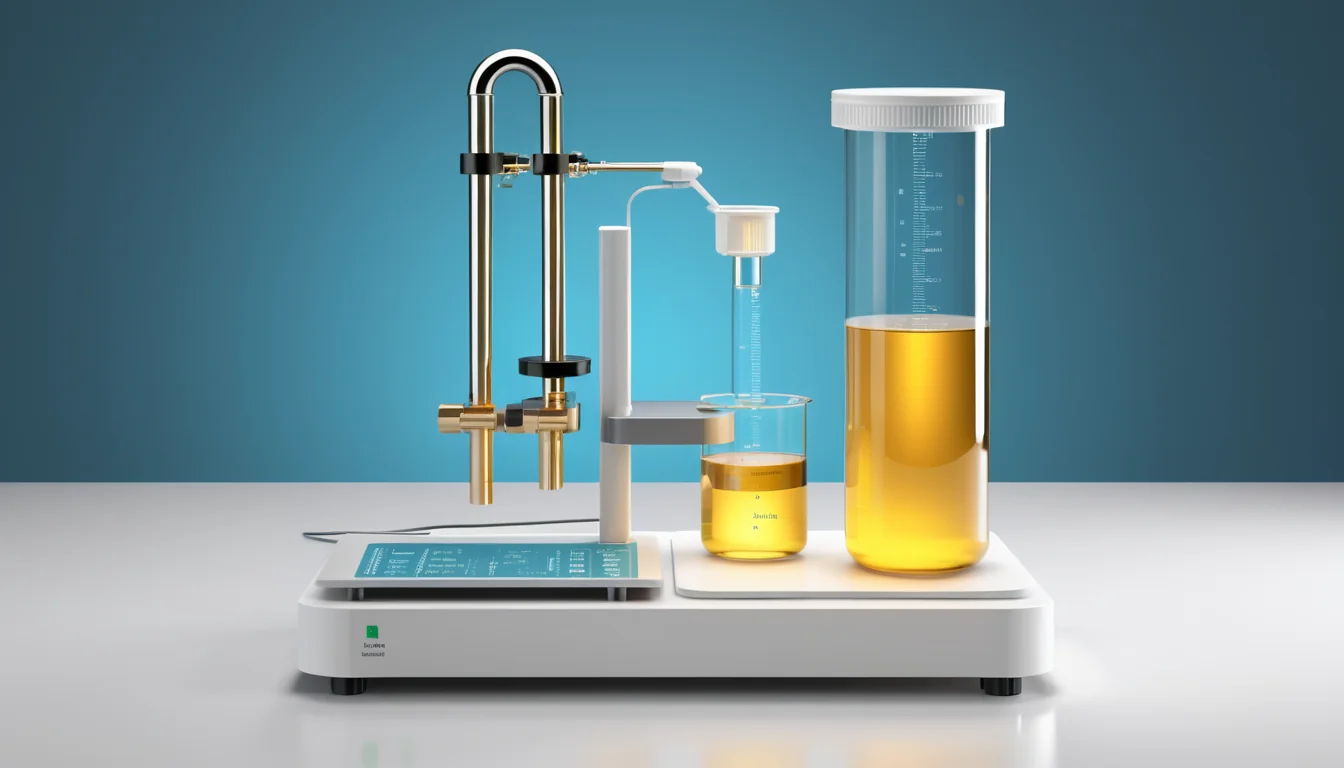
The delta-aminolevulinic acid urine test is a specialized diagnostic tool that measures a key chemical compound in your urine, helping doctors identify serious health conditions. Used widely across Canadian hospitals and laboratories, this test plays a crucial role in diagnosing porphyria, screening for heavy metal poisoning, and evaluating unexplained symptoms.
How the Delta-Aminolevulinic Acid Urine Test Works in Canada
If your doctor has recommended an ALA urine test in Canada, understanding what it involves can help ease any concerns. This test measures delta-aminolevulinic acid levels, a natural compound produced during your body’s haem biosynthesis pathway. When something disrupts this process, such as lead exposure or a genetic disorder, ALA accumulates and spills into the urine at abnormally high levels. Knowing what to expect before, during, and after the test empowers you to take an active role in your health care.
What Is the Delta-Aminolevulinic Acid Urine Test?
| Condition | Characteristics | ALA Level in Urine | Management |
|---|---|---|---|
| Acute Intermittent Porphyria (AIP) | Episodic attacks of severe abdominal pain, neurological symptoms, and autonomic dysfunction | Markedly elevated (10–100× normal) during acute attacks | High-carbohydrate diet, IV hemin (Panhematin), pain management, avoid triggers |
| Lead Poisoning (Plumbism) | Fatigue, cognitive impairment, abdominal cramping, anaemia; elevated risk in older Canadian homes with lead pipes | Moderately to markedly elevated; ALA dehydratase inhibited by lead | Remove lead source, chelation therapy (DMSA or EDTA), environmental assessment |
| Hereditary Coproporphyria (HCP) | Similar to AIP but milder; may include photosensitivity alongside neurological symptoms | Elevated during acute episodes; may be normal between attacks | Avoid precipitating drugs and fasting, hemin therapy during acute attacks |
| ALA Dehydratase Deficiency Porphyria (ADP) | Rare autosomal recessive disorder; severe neurological and abdominal symptoms from childhood | Severely elevated; one of the highest ALA excretion levels among porphyrias | Supportive care, hemin infusions, liver transplant considered in severe cases |
| Tyrosinaemia Type I | Liver and kidney dysfunction in infants and children; secondary inhibition of ALA dehydratase by succinylacetone | Elevated due to enzyme inhibition, not primary porphyria | Nitisinone (NTBC) therapy, low-phenylalanine and low-tyrosine diet, liver transplant if needed |
Delta-aminolevulinic acid, often called ALA, is a natural compound your body makes as part of a process called the haem biosynthesis pathway. This pathway helps your body produce haemoglobin, the protein in red blood cells that carries oxygen.
When something disrupts this process, ALA can build up in your body. High levels of ALA in your urine can signal a medical problem. For example, certain rare genetic conditions and toxic exposures can cause ALA to rise well above normal.
The delta-aminolevulinic acid urine test measures exactly how much ALA is present in a urine sample. It gives your doctor important clues about what may be going wrong in your body. According to Mayo Clinic, testing for compounds like ALA is a key step in diagnosing disorders that affect how your body processes certain chemicals.
Why Is This Test Ordered?
Your doctor may order the delta-aminolevulinic acid urine test for several specific reasons. It is not a routine test, so receiving a referral for it usually means your doctor suspects something worth investigating further.
Diagnosing Porphyria
Porphyria is a group of rare disorders that affect the nervous system or skin. These conditions happen when your body cannot properly complete the haem production process. As a result, certain chemicals, including ALA, build up to harmful levels.
Symptoms of porphyria can include severe abdominal pain, neurological problems, and skin sensitivity to light. However, these symptoms can also mimic many other conditions. Therefore, the ALA urine test helps doctors narrow down the diagnosis more accurately.
It is important to know that the test may return a normal result even when porphyria is present. This can happen during a latent phase, when the condition is not currently active. Your doctor may order additional tests to get a full picture.
Detecting Lead or Mercury Poisoning
Exposure to heavy metals like lead or mercury is a serious health concern. Lead poisoning, in particular, interferes with the haem biosynthesis pathway. As a result, ALA levels in the urine rise significantly when lead is present in the body.
In addition to elevated ALA, lead poisoning also causes increases in coproporphyrin and free erythrocyte protoporphyrin. These markers together help confirm a diagnosis. Health Canada recognizes lead exposure as a significant public health issue, particularly for children and people who work in certain industries.
Mercury poisoning can also trigger abnormal ALA levels. Your doctor will consider your work history, living environment, and symptoms when deciding whether to order this test.
Evaluating Neurological Symptoms with Abdominal Pain
Some patients experience a puzzling combination of neurological symptoms and abdominal pain. This combination can point to acute intermittent porphyria or other related disorders. The delta-aminolevulinic acid urine test is a valuable tool in evaluating these cases.
Furthermore, the test plays a role in photodynamic therapy for certain cancers. ALA-based compounds are used in photodynamic surgery to help visualize bladder cancer and other tumours. This is a more specialized medical application performed in hospital settings.
How to Prepare for the Test
Preparation for the delta-aminolevulinic acid urine test will depend on your individual situation. Your doctor or healthcare provider will give you specific instructions tailored to your needs. Always follow their guidance carefully.
General Preparation Tips
In most cases, you will need to collect a urine sample, often over a 24-hour period. Your doctor or lab technician will explain the collection process clearly. It is important to follow the instructions exactly to avoid an inaccurate result.
Some medications and supplements may affect your results. Therefore, let your doctor know about everything you are currently taking. This includes prescription drugs, over-the-counter medicines, and herbal supplements.
In Canada, your provincial health plan may cover this test when ordered by a licensed physician. Check with your provincial health authority or call your doctor’s office to confirm coverage before your appointment.
How the Test Works
The laboratory measures ALA levels using a method called spectrophotometry. This technique uses light to measure the concentration of specific substances in a sample. It is a well-established and reliable method used in labs across Canada.
A trained lab technician processes your urine sample and generates a report. Your doctor then reviews the results in the context of your symptoms, medical history, and other test findings. Results are rarely interpreted in isolation.
The turnaround time for results can vary by province and laboratory. Some results may be available within a few days, while others may take longer depending on whether the sample is sent to a specialized facility.
Understanding Your Results
Normal ALA levels in adults are generally low. When levels are elevated, it suggests that the haem production pathway has been disrupted in some way. However, a single abnormal result does not automatically confirm a diagnosis.
What High ALA Levels May Mean
Elevated ALA can point to several possible conditions, including:
- Acute porphyria: A flare-up of a porphyria disorder causing a sudden rise in ALA.
- Lead poisoning: Chronic or acute exposure to lead disrupts ALA metabolism.
- Mercury poisoning: Heavy metal toxicity from environmental or occupational exposure.
- Liver disease: In some cases, liver conditions can affect ALA processing.
- Hereditary tyrosinaemia: A rare inherited metabolic disorder that can also elevate ALA.
Your doctor will use your full clinical picture to interpret these results. Furthermore, follow-up tests may be ordered to confirm the underlying cause.
What Normal ALA Levels May Mean
A normal result does not always rule out porphyria. As mentioned, the test can appear normal during a latent phase of the condition. In addition, timing of the sample collection matters, since ALA levels fluctuate.
If your symptoms persist despite a normal result, speak with your doctor about further testing. According to Healthline, diagnosing porphyria often requires a combination of urine, blood, and genetic tests for accuracy.
When to See a Doctor
You should speak with your family doctor if you experience unexplained abdominal pain combined with neurological symptoms, such as weakness, tingling, or confusion. These symptoms together are unusual and deserve proper medical evaluation.
If you believe you have been exposed to lead or mercury, do not wait for symptoms to appear. Contact your family doctor or visit a walk-in clinic as soon as possible. Early detection of heavy metal poisoning leads to better health outcomes.
In Canada, your family doctor is the best starting point for ordering the delta-aminolevulinic acid urine test. If you do not have a family doctor, a walk-in clinic can assess your symptoms and refer you to a specialist if needed. Many provinces also have nurse practitioner-led clinics that can help.
If your symptoms are severe, such as intense abdominal pain, seizures, or muscle paralysis, go to your nearest emergency department right away. These may be signs of an acute porphyria attack requiring immediate care.
Please consult your doctor or a qualified healthcare professional before making any decisions about your health based on this article. This information is for educational purposes only and does not replace professional medical advice.
What is the delta-aminolevulinic acid urine test used for?
The delta-aminolevulinic acid urine test is used to help diagnose porphyria, a group of rare metabolic disorders, and to detect heavy metal poisoning from lead or mercury. It is also used in some cancer-related procedures, such as photodynamic therapy for bladder cancer. Your doctor will order this test based on your specific symptoms and medical history.
What does high ALA in urine mean?
High levels of delta-aminolevulinic acid in urine can indicate conditions such as acute porphyria, lead poisoning, mercury poisoning, or certain liver disorders. Elevated ALA means that the normal chemical process your body uses to make haemoglobin has been disrupted. Your doctor will order additional tests to determine the exact cause.
Can the delta-aminolevulinic acid urine test be normal if I have porphyria?
Yes, the delta-aminolevulinic acid urine test can return a normal result even in people who have porphyria, especially during a latent or inactive phase of the condition. This is why doctors often use a combination of urine, blood, and genetic tests to confirm a porphyria diagnosis. If your symptoms continue, speak with your doctor about further testing options.
Does lead poisoning affect delta-aminolevulinic acid levels?
Yes, lead poisoning directly interferes with the haem biosynthesis pathway, causing ALA levels in urine to rise significantly. In addition to elevated ALA, lead exposure also increases coproporphyrin and free erythrocyte protoporphyrin levels. These combined markers help doctors confirm a diagnosis of lead poisoning.
How do I prepare for a delta-aminolevulinic acid urine test in Canada?
Preparation for the delta-aminolevulinic acid urine test varies by patient and will be explained by your doctor or lab. In many cases, you will need to collect urine over a 24-hour period using a special container provided by the lab. Always inform your doctor about any medications or supplements you are taking, as these may affect your results.
Is the ALA urine test covered by provincial health plans in Canada?
According to Mayo Clinic’s guidelines on porphyria diagnosis, this information is supported by current medical research.
For more information, read our guide on signs of dehydration in children.
In many provinces, the delta-aminolevulinic acid urine test may be covered by your provincial health plan when it is ordered by a licensed physician for a medically necessary reason. Coverage can vary depending on your province and the specific circumstances of your referral. Contact your provincial health authority or your doctor’s office to confirm what is covered under your plan.
Key Takeaways
- The delta-aminolevulinic acid urine test measures ALA levels in urine to help diagnose porphyria and heavy metal poisoning.
- Elevated ALA can indicate lead or mercury poisoning, acute porphyria, or liver-related conditions.
- The test may return a normal result during a latent phase of porphyria, so further testing may be needed.
- Laboratory analysis uses spectrophotometry, a reliable and established scientific method.
- Preparation varies by patient and should follow your doctor’s specific instructions.
- In Canada, your family doctor or a walk-in clinic can order this test and help interpret your results.
- Always consult a qualified healthcare professional before acting on any medical test information.
Frequently Asked Questions
What is a delta-aminolevulinic acid urine test?
A delta-aminolevulinic acid urine test measures ALA levels in your urine to help diagnose porphyria or lead poisoning. Elevated ALA indicates a disruption in heme production. Canadian labs typically collect a 24-hour urine sample, which is then analyzed to detect abnormal concentrations associated with metabolic or toxic conditions.
What symptoms indicate you need a delta-aminolevulinic acid urine test?
You may need this test if you experience severe abdominal pain, neurological symptoms, muscle weakness, dark or reddish urine, confusion, or sensitivity to light. These symptoms can signal acute porphyria or heavy metal toxicity. A Canadian doctor will typically order this test after ruling out more common conditions.
What are the signs of high delta-aminolevulinic acid levels in the body?
High ALA levels may cause nausea, vomiting, rapid heart rate, high blood pressure, seizures, and psychiatric symptoms like anxiety or hallucinations. In lead poisoning cases, fatigue and cognitive difficulties are common. These symptoms often appear in episodes and can be mistaken for other conditions, delaying diagnosis.
How is an elevated delta-aminolevulinic acid level treated in Canada?
Treatment depends on the underlying cause. Acute porphyria is managed with intravenous hemin therapy and high-carbohydrate diets, available through Canadian specialty clinics. Lead poisoning treatment involves chelation therapy and removing the exposure source. Avoiding porphyria triggers like certain medications, fasting, alcohol, and stress is essential for long-term management.
When should you see a doctor about abnormal urine ALA test results?
See a doctor immediately if results show significantly elevated ALA levels alongside symptoms like severe abdominal pain, neurological changes, or dark urine. In Canada, your family physician may refer you to a hematologist or metabolic specialist for further evaluation. Early diagnosis prevents serious complications, including permanent nerve damage or organ failure.

About the Author
Dr. Linda Chen, RD, PhDDr. Linda Chen is a registered dietitian and PhD in Nutritional Sciences from the University of British Columbia. With expertise in clinical nutrition, sports dietetics, and gut health, she has worked with leading Canadian hospitals and sports organizations. Dr. Chen is a member of Dietitians of Canada and regularly contributes to national nutrition policy discussions.
View all articles →