Alpha-1 Antitrypsin Test: Results & Guide for Canadians

Share
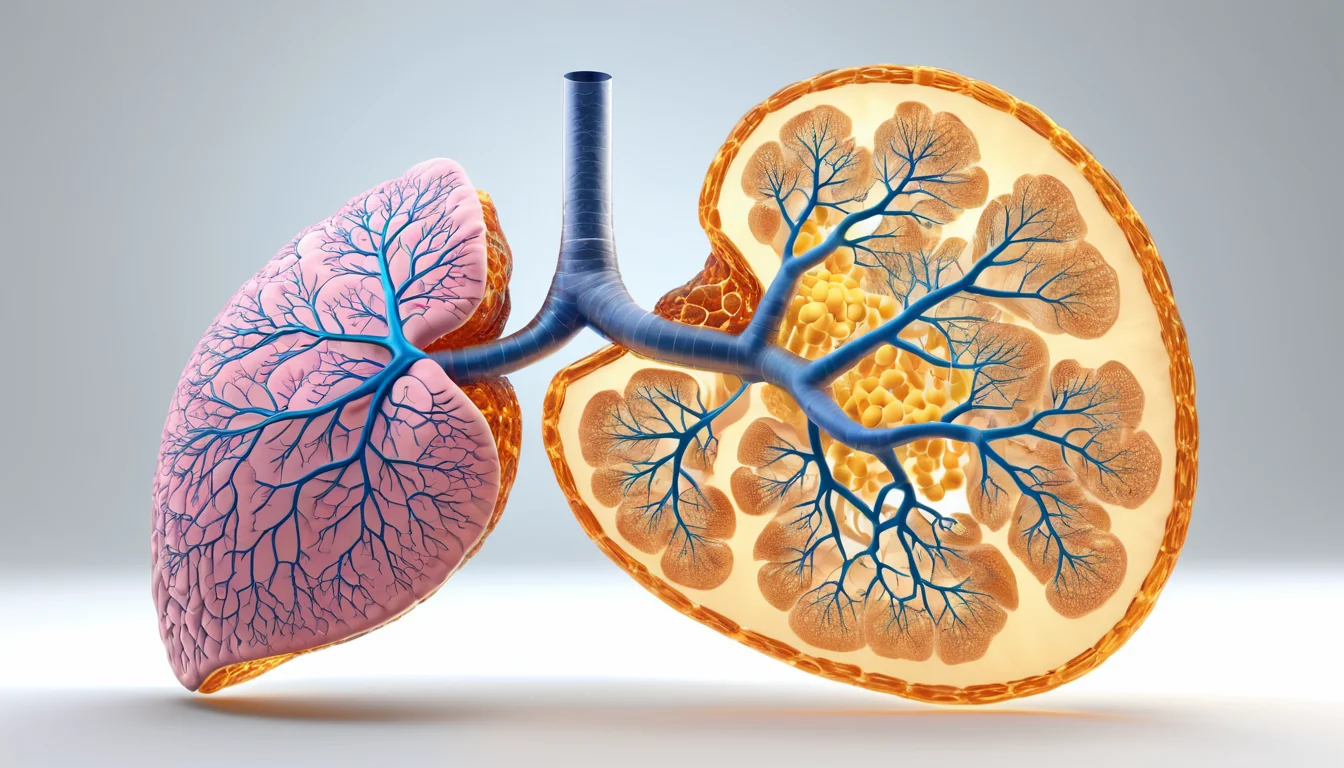
The alpha-1 antitrypsin test is a simple blood test that measures a vital protein your liver produces to protect your lungs and other organs from damage. If your levels come back too low, you could be at serious risk for lung and liver disease — making early detection essential for Canadians of all ages.
How the Alpha-1 Antitrypsin Test Works in Canada
Alpha-1 antitrypsin deficiency, also known as AAT deficiency, is an inherited condition that often goes undiagnosed for years. Understanding what this test checks for and how to interpret your alpha-1 antitrypsin levels can help you and your family doctor take action before irreversible damage occurs.
What Is Alpha-1 Antitrypsin?
| AAT Genotype (Phenotype) | AAT Level & Characteristics | Associated Health Risks | Management Approach |
|---|---|---|---|
| MM (Normal) | Normal AAT levels (20–53 µmol/L); full protective function against lung enzyme damage | No increased risk of AAT-related lung or liver disease | Routine health monitoring; no specific AAT-related intervention required |
| MZ (Carrier/Intermediate) | Mildly reduced AAT levels (~60% of normal); one deficient allele | Slightly elevated risk of COPD, especially with smoking; mild liver involvement possible | Smoking cessation strongly advised; lung function monitoring; genetic counselling recommended in Canada |
| SS (Intermediate Deficiency) | Moderately reduced AAT levels (~60% of normal); two S alleles | Low-to-moderate risk of emphysema; liver disease risk generally minimal | Avoid smoking and occupational lung irritants; periodic spirometry testing; follow-up with respirologist |
| SZ (Moderate Deficiency) | Significantly reduced AAT levels (~40% of normal); combination of S and Z alleles | Elevated risk of early-onset emphysema and chronic liver disease; symptoms may emerge in 40s–50s | Smoking cessation critical; pulmonary rehab; liver enzyme monitoring; referral to specialist centres across Canada |
| ZZ (Severe Deficiency) | Severely reduced AAT levels (<11 µmol/L); most common severe form in Canadians of European descent | High risk of early-onset COPD, emphysema, and liver cirrhosis; symptoms often appear before age 45 | Augmentation therapy (Prolastin-C available in Canada); pulmonary and hepatology specialist care; lung transplant evaluation if severe |
Alpha-1 antitrypsin (also called AAT) is a protein produced in the liver. Once made, it travels through your bloodstream to your lungs and other tissues. Its main job is to block certain enzymes that can damage your body’s cells.
Think of AAT as a natural shield. Without enough of it, harmful enzymes can attack lung tissue over time. This leads to serious conditions like emphysema, even in people who have never smoked.
AAT deficiency is the most common genetic cause of liver disease in children in Canada. It can also cause early-onset lung disease in adults. For this reason, the alpha-1 antitrypsin test is an important diagnostic tool for both young and older patients.
Why Would Your Doctor Order an Alpha-1 Antitrypsin Test?
Your family doctor or specialist may recommend this blood test in several situations. It is not a routine screening test, so there is usually a specific reason behind the order.
Signs of Early Emphysema
Emphysema is a lung condition that makes it hard to breathe. Most people think of it as a smoker’s disease. However, emphysema that starts before age 45 — especially in someone who has never smoked — can point to AAT deficiency.
If you or your doctor notice early signs of emphysema, the alpha-1 antitrypsin test can help find out why. Getting a diagnosis early gives you more treatment options. It also helps your doctor plan the right care through your provincial health plan.
Signs of Unexplained Liver Disease
AAT deficiency can cause the liver to store abnormal proteins. Over time, this leads to liver damage. In children, this may show up as jaundice, poor growth, or abnormal liver enzyme results.
In adults, it can progress to cirrhosis. If your doctor finds liver disease without an obvious cause, they may order this test to rule out AAT deficiency.
Family History of AAT Deficiency
AAT deficiency is a genetic condition. This means it runs in families. If a close relative — such as a parent or sibling — has been diagnosed with AAT deficiency, your doctor may recommend testing you as well.
Early testing allows for lifestyle changes that can slow the progression of lung and liver disease. For example, avoiding smoking and certain environmental triggers can make a significant difference in your long-term health.
How the Alpha-1 Antitrypsin Test Works
The test itself is straightforward. A healthcare provider draws a small sample of blood, usually from a vein in your arm. The sample is then sent to a lab for analysis.
No Special Preparation Needed
One of the advantages of this test is that it requires no special preparation. You do not need to fast beforehand. Simply follow any instructions your doctor or nurse gives you before your appointment.
The lab uses an immunological method to measure the amount of AAT protein in your blood. This is a highly accurate technique used in labs across Canada. Results are usually available within a few days.
Understanding Your Results
Normal AAT levels fall within a specific reference range set by your laboratory. If your levels are below 30% of the normal range, this is considered a significant deficiency. The lower your levels, the higher your risk of developing emphysema.
Your doctor will interpret your results in the context of your symptoms and medical history. A single low result does not automatically mean you have a serious condition. However, it does warrant further investigation and follow-up.
According to Mayo Clinic’s overview of alpha-1 antitrypsin deficiency, people with very low AAT levels face a much higher lifetime risk of emphysema, especially if they smoke or are exposed to lung irritants.
What Affects Your Alpha-1 Antitrypsin Levels?
Several factors can raise or lower your AAT levels. Knowing these factors helps your doctor interpret your results more accurately.
Physiological Conditions That Change AAT Levels
AAT levels are naturally low at birth. This is normal and not a cause for concern in healthy newborns. However, in children with a family history of AAT deficiency, low newborn levels should be monitored closely.
During pregnancy, AAT levels often rise above normal. This is also a natural response and does not indicate disease. Your doctor will take your pregnancy status into account when reviewing your results.
Medical Conditions That Lower AAT
Certain health conditions can cause AAT levels to drop. These include malnutrition and nephrotic syndrome, a kidney disorder that causes the body to lose important proteins through urine.
If your doctor finds low AAT levels, they will also look for these underlying conditions. Treatment of the root cause may help bring levels back toward normal. As a result, a thorough medical history is essential when interpreting this test.
Medications That Raise AAT Levels
Some medications can increase AAT levels in the blood. These include estrogens, oral contraceptives, oxymetholone (an anabolic steroid), and tamoxifen (used in breast cancer treatment).
Always tell your doctor about all medications and supplements you take before any blood test. This information helps ensure your results are interpreted correctly.
Rare Laboratory Interferences
In very rare cases, certain antibody conditions in the blood can interfere with test accuracy. One example is Waldenström’s macroglobulinaemia, a type of blood cancer that produces large amounts of a specific antibody called IgM.
If your doctor suspects a laboratory interference, they may order the test again or use a different method to confirm the results. This ensures you receive the most accurate diagnosis possible.
For more background on how genetic protein deficiencies affect health, visit Healthline’s guide to alpha-1 antitrypsin deficiency.
Alpha-1 Antitrypsin Deficiency and Your Long-Term Health
An AAT deficiency diagnosis can feel overwhelming. However, knowing your status gives you and your healthcare team the information needed to protect your health over time.
Lung Health Risks
People with low AAT levels face a significantly higher risk of emphysema and chronic obstructive pulmonary disease (COPD). The risk increases further with smoking or regular exposure to dust, fumes, or pollution.
If you are diagnosed with AAT deficiency, your doctor will strongly advise you not to smoke. They may also recommend pulmonary function tests to monitor your lung health over time. In some cases, augmentation therapy — a treatment that adds AAT protein to the bloodstream — may be an option.
Liver Health Risks
In AAT deficiency, the liver produces an abnormal form of the protein. This abnormal protein gets stuck inside liver cells instead of being released into the blood. Over time, this build-up damages the liver.
Children with AAT deficiency may develop liver disease early in life. Adults may develop cirrhosis or even liver cancer in severe cases. Regular monitoring through your provincial health plan can help catch these changes early.
Genetic Implications for Your Family
Because AAT deficiency is inherited, a diagnosis in one family member has implications for others. Your doctor may recommend that close relatives get tested as well.
Genetic counselling is also available in Canada through referral from your family doctor. This service helps families understand the hereditary nature of the condition and plan accordingly. Furthermore, early testing of children in affected families can help prevent serious complications through lifestyle changes and monitoring.
Health Canada provides resources on managing chronic genetic conditions. You can learn more through the Health Canada official website.
When to See a Doctor
You should speak with your family doctor if you have any of the following: shortness of breath that seems unusual for your age or fitness level, unexplained liver problems, or a family member diagnosed with AAT deficiency.
You do not need a specialist referral to start the conversation. Your family doctor can order the alpha-1 antitrypsin test directly. If you do not have a family doctor, a walk-in clinic can assess your symptoms and refer you for testing if needed.
Do not wait for symptoms to become severe before seeking care. Early detection of AAT deficiency gives you the best chance to slow the progression of lung and liver disease. Provincial health plans across Canada generally cover diagnostic blood tests when ordered by a physician.
Always consult your doctor or a qualified healthcare professional before drawing any conclusions from your test results. This article is for informational purposes only and does not replace professional medical advice.
Frequently Asked Questions About the Alpha-1 Antitrypsin Test
What does the alpha-1 antitrypsin test check for?
The alpha-1 antitrypsin test measures the level of AAT protein in your blood. This protein is made by your liver and protects your lungs from damage. Low levels can indicate a genetic condition called alpha-1 antitrypsin deficiency, which increases your risk of emphysema and liver disease.
Do I need to fast before an alpha-1 antitrypsin blood test?
No fasting is required before the alpha-1 antitrypsin test. It is a straightforward blood draw that requires no special preparation. Simply follow any instructions given by your doctor or the laboratory handling the test.
What does a low alpha-1 antitrypsin level mean?
A low alpha-1 antitrypsin level — below 30% of the normal range — suggests a possible AAT deficiency. The lower the level, the greater your risk of developing emphysema or liver disease. Your doctor will interpret the results alongside your symptoms and medical history before making a diagnosis.
Is alpha-1 antitrypsin deficiency hereditary?
Yes, alpha-1 antitrypsin deficiency is a genetic condition passed down through families. If one of your close relatives has been diagnosed, you may also be at risk. Ask your family doctor about getting the alpha-1 antitrypsin test and whether genetic counselling is appropriate for your family.
Can medications affect my alpha-1 antitrypsin test results?
Yes, certain medications can raise AAT levels in your blood. These include estrogens, oral contraceptives, tamoxifen, and oxymetholone. Always tell your doctor about all medications and supplements you take before having the alpha-1 antitrypsin test to ensure accurate results.
Is the alpha-1 antitrypsin test covered by provincial health plans in Canada?
According to Mayo Clinic’s overview of alpha-1 antitrypsin deficiency, this information is supported by current medical research.
For more information, read our guide on ALT blood test for liver function.
In most provinces, diagnostic blood tests ordered by a physician are covered under provincial health plans. The alpha-1 antitrypsin test is typically ordered when there is a clinical reason, such as unexplained emphysema or a family history of AAT deficiency. Check with your provincial health authority or family doctor to confirm coverage in your province.
Key Takeaways
- The alpha-1 antitrypsin test is a blood test that measures a liver-produced protein essential for protecting your lungs.
- Low AAT levels — below 30% of normal — indicate a deficiency that raises your risk of emphysema and liver disease.
- AAT deficiency is the most common genetic cause of liver disease in children in Canada.
- No special preparation is needed before the test.
- Medications such as estrogens, oral contraceptives, and tamoxifen can raise AAT levels and affect results.
- Pregnancy naturally raises AAT levels, while malnutrition and nephrotic syndrome can lower them.
- If you have a family history of AAT deficiency, speak with your family doctor or visit a walk-in clinic to discuss testing.
- Early diagnosis allows for lifestyle changes and monitoring that can slow the progression of both lung and liver disease.
Frequently Asked Questions
What is an alpha-1 antitrypsin test?
An alpha-1 antitrypsin test is a blood test that measures the level of alpha-1 antitrypsin (AAT) protein in your blood. It helps diagnose AAT deficiency, a genetic condition that increases your risk of developing serious lung disease (COPD, emphysema) and liver disease. It is available through Canadian healthcare providers.
What are the symptoms of alpha-1 antitrypsin deficiency in Canadians?
Common symptoms include shortness of breath, chronic cough, wheezing, frequent respiratory infections, and fatigue — often mistaken for asthma or COPD. Liver-related symptoms may include jaundice or abdominal swelling. Symptoms typically appear in adults aged 20–50, especially in smokers or those with a family history.
When should you get an alpha-1 antitrypsin test?
Canadians should consider testing if they have unexplained COPD or emphysema, especially under age 45, a family history of AAT deficiency, chronic liver disease without a clear cause, or persistent respiratory symptoms unresponsive to standard treatment. Your family doctor or pulmonologist can order this simple blood test.
How is alpha-1 antitrypsin deficiency treated in Canada?
Treatment focuses on managing symptoms and slowing disease progression. Options include bronchodilators, pulmonary rehabilitation, and augmentation therapy — intravenous infusions of AAT protein — available through Canadian specialist centres. Quitting smoking is critically important. Liver disease cases may require specialist monitoring or, in severe cases, transplantation.
Can alpha-1 antitrypsin deficiency be prevented?
AAT deficiency itself cannot be prevented as it is an inherited genetic condition. However, lung damage can be significantly reduced by avoiding smoking, secondhand smoke, and occupational dust or fume exposure. Early diagnosis through the alpha-1 antitrypsin test allows Canadians to take protective steps before serious organ damage occurs.

About the Author
Dr. James Okafor, MD, PhDDr. James Okafor holds an MD and PhD in Neurological Sciences from McGill University. With 12 years of experience in clinical neurology and mental health research, he has contributed to landmark studies on depression, anxiety, and cognitive health. Dr. Okafor is a Fellow of the Royal College of Physicians and Surgeons of Canada and serves on the editorial board of two peer-reviewed journals.
View all articles →