Asthma in Children: Symptoms, Causes & Care in Canada

Share
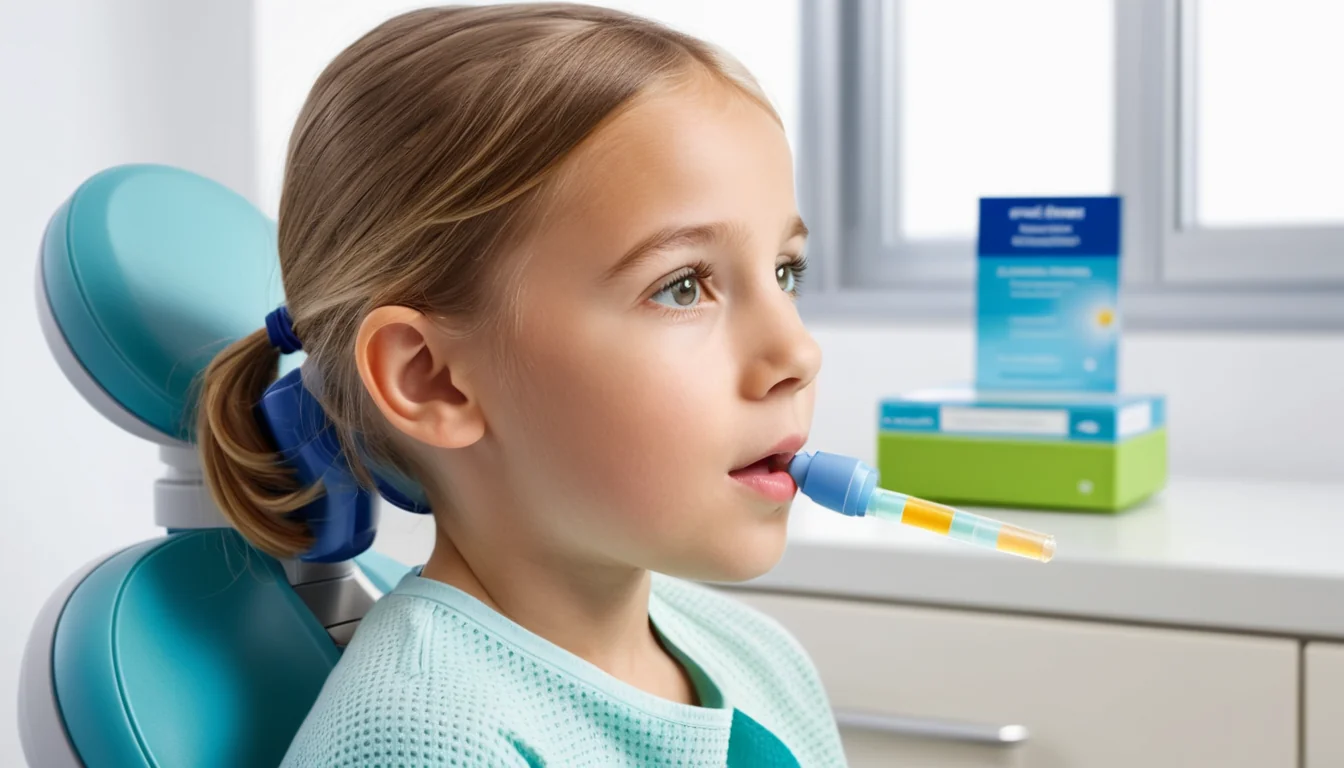
Asthma in children is one of the most common chronic health conditions affecting Canadian kids, causing breathing difficulties that range from mild and occasional to severe and daily. With proper diagnosis and an effective treatment plan, most children with asthma can enjoy active, healthy lives — even in Canada’s challenging seasonal climates.
Understanding Asthma in Children: What Canadian Parents Need to Know
Understanding childhood asthma symptoms early is crucial for parents and caregivers. When you know what to look for and how to respond, you can help your child avoid serious flare-ups and breathe easier every day. This comprehensive guide explains what causes asthma in kids, how it is diagnosed, and what Canadian families can do to manage it effectively.
What Is Asthma in Children?
| Symptom | Description | Severity Level | When to Seek Care |
|---|---|---|---|
| Wheezing | A high-pitched whistling sound when breathing, especially during exhalation; often the most recognizable sign of asthma in children | Mild to Severe | Contact your doctor if wheezing is new or worsening; call 911 if breathing is severely laboured |
| Persistent Cough | Frequent coughing that worsens at night, during exercise, or with cold air exposure; may be the only symptom in some children | Mild to Moderate | See a doctor if cough lasts more than 3 weeks or disrupts sleep regularly |
| Shortness of Breath | Child reports feeling unable to get enough air; may avoid physical activity or tire more easily than peers | Moderate to Severe | Seek urgent care if the child cannot speak in full sentences or lips appear bluish |
| Chest Tightness | Child describes a feeling of pressure or squeezing in the chest; younger children may say their chest “hurts” or feels “funny” | Mild to Moderate | Consult your doctor; visit an emergency department if tightness is severe or accompanied by rapid breathing |
| Rapid or Noisy Breathing | Visibly faster breathing rate than normal; nostrils may flare and neck or chest muscles strain with each breath | Moderate to Severe | Go to the nearest emergency department or call 911 immediately |
Asthma is a long-term (chronic) condition that affects the airways — the tubes that carry air in and out of the lungs. In children with asthma, these airways become inflamed and swollen. Over time, the muscles around the airways can tighten, making it harder to breathe.
This tightening is called a bronchospasm. It narrows the airways and can block airflow, leading to what doctors call an asthma episode, attack, or flare-up. These episodes can be mild or severe, and they can happen rarely or very often.
Even when a child feels fine and has no symptoms, their airways may still be inflamed. For this reason, ongoing treatment is important — not just during flare-ups. Without proper care, long-term inflammation can permanently change the airways and raise the risk of other conditions like bronchitis and pneumonia.
What Causes Asthma in Children?
The exact cause of asthma in children is not fully understood. However, doctors believe that a combination of genetic, environmental, and immune system factors plays a role. Understanding these factors can help parents reduce their child’s risk of flare-ups.
Family History and Genetics
Asthma often runs in families. If a parent or sibling has asthma, a child is more likely to develop it too. Children from these families tend to have airways that are more sensitive and prone to long-term inflammation.
Allergies and the Immune System
In some children, immune cells overreact to everyday substances called allergens. Common allergens include dust mites, cockroaches, pet dander, and mould. This immune overreaction triggers inflammation in the airways.
Children with allergies — sometimes called atopic children — are at a higher risk of developing asthma. However, not every child with allergies will develop asthma. In addition, research shows that early exposure to certain allergens may increase the risk, especially in genetically susceptible children.
Environmental Factors
Where a child lives and grows up matters. Air pollution, second-hand smoke, and chemical irritants in the environment can all contribute to asthma development. Some researchers believe that overly clean environments — with less exposure to certain bacteria and germs — may actually make the immune system more likely to develop allergies and asthma. This is sometimes called the hygiene hypothesis.
For more information on environmental contributors to childhood asthma, visit Health Canada’s official health resources.
Recognising the Symptoms of Asthma in Children
Symptoms of asthma in children can vary widely. Some children have mild symptoms only once in a while. Others experience severe symptoms every day. Most children fall somewhere in between. It is also important to know that symptoms can change over time.
Common Asthma Symptoms
- Wheezing: A whistling or squeaky sound when breathing, caused by narrowed airways.
- Coughing: Often dry (without mucus) and worse at night. Sometimes coughing is the only symptom.
- Chest tightness: A feeling of pressure or squeezing in the chest.
- Shortness of breath: Breathing that is fast, shallow, or laboured.
- Sleep problems: Waking up at night due to coughing or difficulty breathing.
- Tiring quickly during exercise: Children with asthma may struggle to keep up with peers during physical activity.
Having one or two of these symptoms does not automatically mean a child has asthma. However, the more symptoms a child shows, the more likely asthma is the cause. A proper diagnosis from a healthcare provider is always needed.
Nighttime Symptoms
Many children with asthma feel worse at night. Lung function naturally changes during the sleep cycle, and children with asthma feel this shift more strongly. Coughing or shortness of breath that wakes a child from sleep is a sign that their asthma is not well controlled. Parents should take note of these nighttime patterns and discuss them with their child’s doctor.
Common Asthma Triggers in Children
A trigger is anything that irritates the airways and causes asthma symptoms to worsen. Identifying and avoiding triggers is one of the most effective ways to manage asthma in children. Triggers vary from child to child.
Respiratory Infections
Colds, the flu, and other viral infections are among the most common asthma triggers in children. Canadian winters bring many respiratory illnesses, making this a particularly important trigger for families to watch. Keeping your child’s vaccinations up to date — including the annual flu shot — can help reduce this risk.
Physical Activity
Exercise can trigger asthma symptoms, especially when the air is cold and dry. This is called exercise-induced asthma. However, this does not mean children with asthma should avoid physical activity. With the right treatment, most kids can participate fully in sports and play.
Environmental Irritants
- Second-hand cigarette smoke
- Air pollution and smog
- Dust and dust mites
- Pet dander (skin flakes from animals)
- Mould and mildew
- Strong scents and chemical fumes
Other Triggers
Hormonal changes during puberty can affect asthma symptoms, particularly in girls at the start of menstruation. Certain medications, including ASA (Aspirin) and non-steroidal anti-inflammatory drugs (NSAIDs), can also trigger asthma episodes in some children. Always tell your child’s doctor about all medications they take.
For a comprehensive overview of asthma triggers, the Mayo Clinic’s asthma resource provides reliable, evidence-based information.
How Is Childhood Asthma Diagnosed and Managed?
Diagnosing asthma in children involves a review of symptoms, a physical examination, and sometimes breathing tests. One common tool is the peak flow metre, which measures how fast a child can breathe out. This reading helps doctors track how well the lungs are working over time.
The Asthma Action Plan
Most children with asthma are given a written asthma action plan by their doctor. This plan tells parents and caregivers exactly what to do depending on how severe the symptoms are. Doctors often use a colour-coded zone system:
- Green zone: No symptoms. Continue regular medications.
- Yellow zone: Mild to moderate symptoms. Follow the caution steps in the plan.
- Red zone: Severe symptoms. Seek medical attention right away.
This system makes it easier for families to act quickly and confidently during a flare-up.
Medications for Childhood Asthma
There are two main types of asthma medications. Relievers (also called rescue inhalers) work quickly to open the airways during an episode. Controllers are taken daily to reduce inflammation and prevent symptoms. Your child’s doctor will recommend the right combination based on the severity of their asthma.
Most asthma medications in Canada are covered (fully or partially) through provincial health plans or employer benefits. Check with your provincial health authority or benefits provider to understand your coverage.
When to See a Doctor About Asthma in Children
If you suspect your child has asthma, book an appointment with your family doctor as soon as possible. A family doctor can assess your child’s symptoms, rule out other conditions (such as sinusitis or vocal cord problems), and refer you to a paediatric specialist if needed.
If you do not have a family doctor, a walk-in clinic is a good first step. Walk-in clinics across Canada can evaluate symptoms and start an initial management plan. You can also visit your provincial health authority’s website to find a healthcare provider near you.
Go to Emergency Immediately If Your Child Has:
- Severe difficulty breathing or is struggling to speak
- Lips or fingernails turning blue or grey
- No improvement after using a rescue inhaler
- Rapid worsening of symptoms over a short period
Severe asthma attacks can be life-threatening. Do not wait if your child is in the red zone of their action plan. Call 911 or go to your nearest emergency department right away.
The World Health Organization’s asthma fact sheet also offers useful global context on managing this condition in children and adults.
Always consult your family doctor or a qualified healthcare provider before starting, stopping, or changing any treatment for your child’s asthma. The information in this article is for educational purposes only and is not a substitute for professional medical advice.
Frequently Asked Questions About Asthma in Children
Can asthma in children be cured?
There is currently no cure for asthma in children. However, symptoms can be very well controlled with the right medications and by avoiding triggers. Some children find their symptoms improve significantly as they grow older, though the condition can continue into adulthood.
What are the first signs of asthma in a child?
The first signs of asthma in children often include a persistent dry cough (especially at night), wheezing, and getting tired quickly during play or exercise. Chest tightness and shortness of breath are also early warning signs. If you notice these symptoms in your child, speak with your family doctor.
Is asthma common in Canadian children?
Yes, asthma in children is one of the most common chronic conditions in Canada. It affects hundreds of thousands of Canadian kids and is a leading reason for school absences and paediatric emergency visits. Fortunately, most cases can be managed effectively with proper care.
Can a child with asthma play sports?
Yes, most children with asthma can and should participate in sports and physical activity. Exercise is important for overall health. With a proper asthma action plan and the right medications, including a rescue inhaler on hand, most kids can be fully active. Talk to your child’s doctor about exercise-induced asthma and how to manage it.
What triggers asthma attacks in children the most?
The most common triggers for asthma attacks in children include viral respiratory infections (like colds and the flu), exposure to allergens (such as pet dander, dust mites, and mould), second-hand smoke, and cold air during exercise. Keeping a trigger diary can help parents identify and avoid their child’s specific triggers.
Does asthma in children go away on its own?
According to Government of Canada’s public health information on asthma, this information is supported by current medical research.
For more information, read our guide on managing fatigue and health during pregnancy in Canada.
Some children with mild asthma see their symptoms improve or even disappear as they reach adulthood. However, asthma in children does not always go away, and for many people it remains a lifelong condition. Regular check-ins with your family doctor are important to monitor your child’s lung health over time.
Key Takeaways
- Asthma in children is a chronic condition that causes airway inflammation and breathing difficulties.
- It cannot be cured, but it can be effectively managed with medication and by avoiding triggers.
- Common symptoms include wheezing, dry cough, chest tightness, and shortness of breath.
- Triggers include viral infections, allergens, cold air, smoke, and certain medications.
- Every child with asthma should have a written asthma action plan from their doctor.
- Most asthma medications are at least partially covered by Canadian provincial health plans.
- If you suspect your child has asthma, start with your family doctor or a walk-in clinic.
- Call 911 or go to emergency immediately if your child is having a severe asthma attack.
Frequently Asked Questions
What is asthma in children?
Asthma in children is a chronic lung condition that causes airway inflammation, narrowing, and excess mucus production. This makes breathing difficult and triggers recurring episodes of wheezing, coughing, and chest tightness. It is one of the most common chronic childhood illnesses in Canada, affecting approximately 1 in 10 Canadian children.
What are the symptoms of asthma in children?
Common symptoms of asthma in children include persistent coughing (especially at night), wheezing, shortness of breath, chest tightness, and frequent respiratory infections. Symptoms may worsen during physical activity, cold weather, or allergen exposure. Some children only cough without classic wheezing, making asthma harder to recognize early.
How is childhood asthma treated in Canada?
Childhood asthma is treated using a stepwise approach including reliever inhalers (like salbutamol) for quick symptom relief and controller medications (like inhaled corticosteroids) for long-term management. Canadian pediatricians may also recommend allergy testing, asthma action plans, and spacer devices to improve inhaler effectiveness in young children.
Can asthma in children be prevented?
While asthma cannot always be prevented, triggers can be minimized by reducing exposure to cigarette smoke, pet dander, mould, dust mites, and outdoor air pollution. Breastfeeding and avoiding prenatal smoke exposure may lower risk. Following a personalized asthma action plan helps prevent flare-ups and emergency episodes.
When should I take my child to the doctor for asthma symptoms?
Take your child to a doctor if they experience frequent coughing, wheezing, or breathing difficulty, especially if symptoms disrupt sleep or physical activity. Seek emergency care immediately if your child has severe breathlessness, blue lips, cannot speak in full sentences, or does not respond to their reliever inhaler within 10 minutes.

About the Author
Dr. Michael Ross, MD, FRCSCDr. Michael Ross is a fellowship-trained orthopedic surgeon at the University of Alberta Hospital, specializing in joint replacement and sports medicine. A Fellow of the Royal College of Surgeons of Canada (FRCSC), he has over 18 years of surgical experience and has authored multiple textbook chapters on musculoskeletal health. Dr. Ross is passionate about patient education and evidence-based medicine.
View all articles →