Barbiturate Abuse: Risks, Signs & Getting Help in Canada

Share
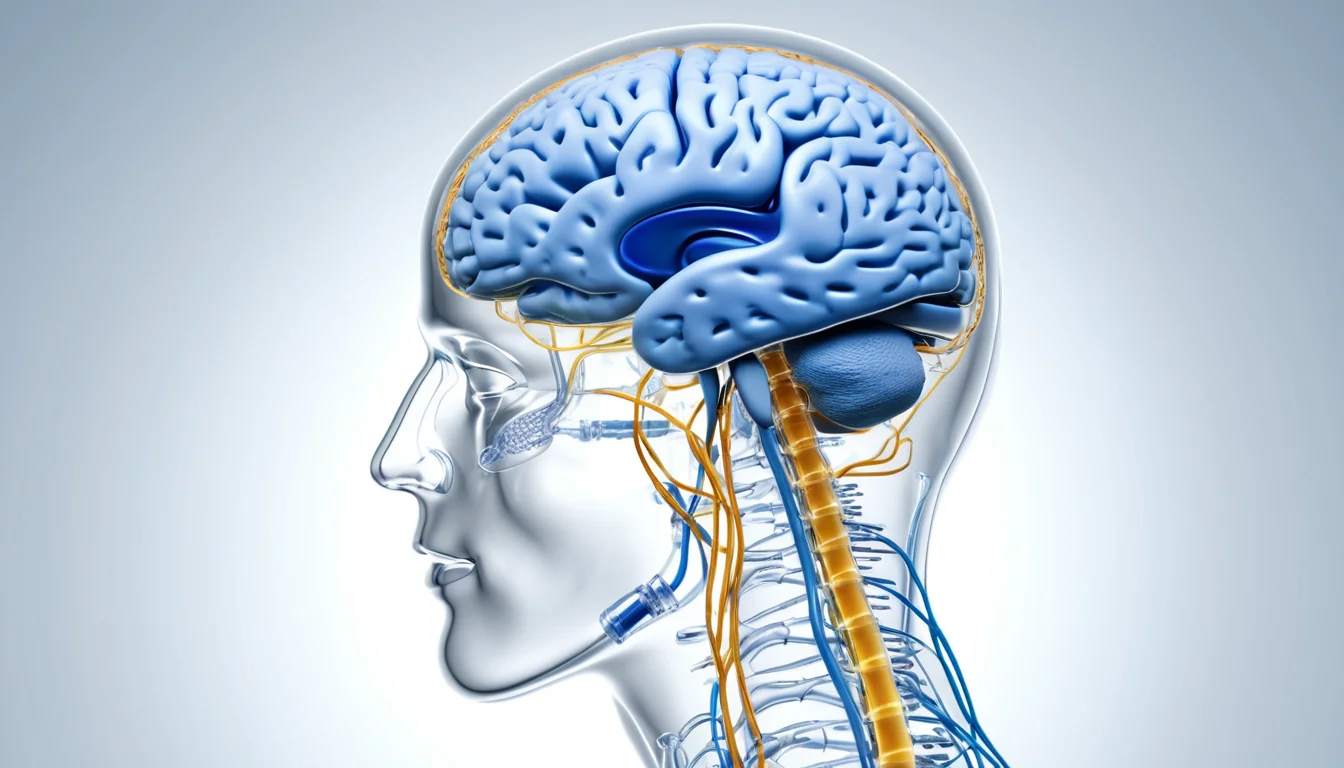
Barbiturate abuse is a serious and potentially life-threatening health concern that continues to affect Canadians across all age groups. These powerful sedative drugs depress the central nervous system, and misusing them can lead to coma, organ failure, and death. Although barbiturate prescriptions have declined sharply since the 1970s, abuse of these substances persists — particularly among young people seeking to self-medicate or enhance the effects of other drugs.
Understanding Barbiturate Abuse and Why It Happens
Understanding the warning signs of barbiturate dependence treatment options available in Canada is essential for saving lives. Whether you or someone you know is struggling with sedative drug misuse, early recognition and professional intervention can make the difference between recovery and tragedy. This guide covers what barbiturates are, why people misuse them, the symptoms of overdose and withdrawal, and where Canadians can access help.
What Are Barbiturates?
| Symptom | Description | Severity Level |
|---|---|---|
| Excessive Sedation | Persistent drowsiness, difficulty staying awake, slurred speech, and impaired coordination that interfere with daily functioning | Moderate |
| Respiratory Depression | Slowed or shallow breathing, reduced oxygen intake; a hallmark danger of barbiturate abuse that can become life-threatening at high doses | Severe |
| Cognitive Impairment | Confusion, memory lapses, poor judgment, and inability to concentrate; may resemble alcohol intoxication | Moderate |
| Mood Disturbances | Irritability, anxiety, depression, or emotional instability, particularly during periods of reduced use or withdrawal | Moderate to Severe |
| Physical Dependence & Withdrawal | Tremors, seizures, sweating, and rapid heart rate upon stopping use; barbiturate withdrawal can be medically dangerous and requires supervised detox | Severe |
| Overdose Signs | Unresponsiveness, severely slowed breathing, bluish lips or fingernails (cyanosis), and loss of consciousness; requires immediate 911 emergency response | Life-Threatening |
Barbiturates are a class of drugs that depress the central nervous system. Doctors once used them widely to treat anxiety, insomnia, and epilepsy. Today, they are rarely prescribed because safer options are available.
These drugs work by boosting the effects of chemicals in the brain that slow nerve activity. As a result, they produce feelings of calm, drowsiness, and sedation. At higher doses, they can cause unconsciousness.
Common barbiturates include:
- Phenobarbital — long-acting (6–12 hours)
- Amobarbital — intermediate-acting (3–6 hours)
- Secobarbital — short-acting (up to 3 hours)
- Pentobarbital — short-acting, often misused
- Thiopental — used in medical settings only
Short-acting barbiturates enter the bloodstream quickly. They are fat-soluble, which means they affect the brain fast and are fully broken down by the liver. Long-acting types are less fat-soluble and leave the body more slowly, partly through urine.
In Canada, barbiturates are controlled substances. They require a special prescription and are only available under strict medical supervision. Health Canada provides guidance on controlled substances and their regulation.
Why Does Barbiturate Abuse Happen?
Even though prescriptions for barbiturates have dropped significantly, barbiturate abuse still happens for several reasons. Understanding these causes can help families and healthcare providers spot problems early.
Countering the Effects of Stimulants
One common reason people misuse barbiturates is to offset the effects of stimulant drugs like cocaine or methamphetamine. Stimulants cause intense energy and agitation. Barbiturates bring those feelings down quickly.
Research suggests that the rise in stimulant drug use has contributed to renewed interest in barbiturates as a “come-down” drug. This pattern is especially common among young adults.
Self-Medicating Anxiety and Insomnia
Some people turn to barbiturates to manage anxiety or sleep problems on their own. Without a doctor’s guidance, this is extremely risky. The difference between a sedating dose and a dangerous dose is very small.
Furthermore, barbiturates cause both physical and psychological dependence. This means the body starts to rely on them to function normally. Stopping suddenly can trigger severe withdrawal.
Suicide Risk
Barbiturates have historically been used in suicide attempts because high doses are lethal. If you or someone you know is struggling with thoughts of self-harm, please contact the 988 Suicide Crisis Helpline by calling or texting 988, available across Canada.
Pregnancy and Barbiturate Use
Using barbiturates during pregnancy is especially dangerous. These drugs can cross the placenta and harm the developing baby. They have been linked to facial and skull abnormalities and developmental delays in newborns.
Babies born to mothers who used barbiturates regularly may also experience withdrawal symptoms after birth. If you are pregnant and concerned about substance use, speak with your family doctor or midwife right away.
Signs and Symptoms of Barbiturate Abuse
Barbiturates affect the body similarly to alcohol. In fact, barbiturate abuse produces many of the same effects as heavy drinking. Knowing what to look for can help you get someone the care they need sooner.
Mild to Moderate Use
At lower doses, a person misusing barbiturates may:
- Appear drowsy or unusually relaxed
- Slur their words
- Move or think slowly
- Seem uninhibited or disconnected
- Have trouble with memory or concentration
These signs can be easy to mistake for alcohol intoxication. However, the risks are just as serious — and can escalate quickly.
Severe Symptoms and Overdose
At higher doses, barbiturate abuse becomes life-threatening. Symptoms of a serious overdose include:
- Loss of coordination (ataxia)
- Dangerously slow or stopped breathing (respiratory depression or apnea)
- Very low blood pressure (hypotension)
- Low body temperature (hypothermia)
- Rapid or irregular heartbeat
- Confusion, paranoia, or delirium
- Deep unconsciousness or coma
In addition, some people who overdose on barbiturates develop blistering skin sores, usually on the palms, buttocks, knees, and ankles. These blisters appear in about 5–10% of overdose cases.
Late-stage overdose effects include pulmonary oedema (fluid in the lungs) and brain swelling. Both are medical emergencies. The Mayo Clinic explains how substance dependence develops and what to expect.
Dependence and Withdrawal
One of the most dangerous aspects of barbiturate abuse is how quickly dependence develops. The body adapts to the drug and needs it to feel normal. When someone stops taking barbiturates suddenly, withdrawal can be severe — and even fatal.
Symptoms of Barbiturate Withdrawal
Withdrawal from barbiturates is considered one of the most dangerous of any substance. Symptoms can begin within hours of the last dose and may include:
- Severe anxiety and restlessness
- Tremors and muscle twitching
- Nausea and vomiting
- High fever
- Seizures
- Hallucinations
- Cardiovascular collapse in extreme cases
Because of these risks, anyone dependent on barbiturates should never stop taking them without medical supervision. A slow, medically guided taper is the safest approach.
Barbiturates vs. Benzodiazepines
Since the 1970s, benzodiazepines (such as diazepam or lorazepam) have largely replaced barbiturates. They are considered safer because the margin between a therapeutic dose and a lethal dose is wider. However, benzodiazepines also carry addiction risk and should only be used short-term under a doctor’s care.
Canadian provincial health plans may cover treatment for both types of dependence. Talk to your family doctor about what options are available in your province. The World Health Organization outlines global approaches to drug use disorders and treatment.
Treatment Options for Barbiturate Addiction in Canada
Recovery from barbiturate addiction is possible with the right support. Canada has a range of resources to help people struggling with substance use.
Medical Detox
The first step is usually a medically supervised detox. Doctors gradually reduce the dose to prevent dangerous withdrawal. This is often done in a hospital or residential treatment centre.
Your family doctor can refer you to the right programme. If you do not have a family doctor, a walk-in clinic can connect you with local addiction services.
Counselling and Behavioural Support
After detox, counselling plays a key role in recovery. Cognitive behavioural therapy (CBT) helps people understand the thoughts and behaviours that led to substance use. Group programmes and peer support also make a big difference.
Many provinces offer publicly funded addiction treatment. Ask your provincial health authority about coverage in your area.
Ongoing Monitoring
Recovery is a long-term process. Regular check-ins with a family doctor or addiction specialist help prevent relapse. Some people also benefit from ongoing support groups or community programmes.
When to See a Doctor
If you think you or someone you love is misusing barbiturates, do not wait. This is a medical emergency in many cases. Call 911 immediately if someone is unconscious, not breathing, or having a seizure.
For non-emergency concerns, start by speaking with your family doctor. They can assess the situation without judgement and refer you to the right care. If you do not have a family doctor, a walk-in clinic is a good first step.
You can also contact your provincial health line (such as 811 in many provinces) for guidance on local addiction resources. Getting help early leads to better outcomes. There is no shame in asking for support.
Frequently Asked Questions About Barbiturate Abuse
What is barbiturate abuse?
Barbiturate abuse means using these powerful sedative drugs without a prescription, in higher doses than prescribed, or for non-medical reasons. Barbiturate abuse can quickly lead to physical dependence, overdose, and life-threatening complications. In Canada, barbiturates are strictly controlled substances.
What are the signs of a barbiturate overdose?
Signs of a barbiturate overdose include extreme drowsiness, slurred speech, slowed or stopped breathing, a drop in blood pressure, and loss of consciousness. In serious cases, a person may fall into a coma. If you suspect an overdose, call 911 immediately — this is a medical emergency.
Are barbiturates still prescribed in Canada?
Yes, but very rarely. Phenobarbital is sometimes still used to treat certain types of epilepsy. Most other barbiturates have been replaced by safer medications like benzodiazepines. Any barbiturate prescription in Canada requires strict medical oversight and a special controlled-substance prescription.
How dangerous is barbiturate withdrawal?
Barbiturate withdrawal is considered one of the most dangerous types of drug withdrawal — even more so than opioid withdrawal. It can cause seizures, hallucinations, high fever, and cardiovascular collapse. Anyone dependent on barbiturates must taper off slowly under medical supervision, never stopping suddenly on their own.
Can barbiturate abuse affect a pregnancy?
Yes, barbiturate abuse during pregnancy is very dangerous. These drugs cross the placenta and can cause birth defects, including craniofacial abnormalities and developmental delays. Newborns may also experience withdrawal symptoms after birth. Always speak with your doctor or midwife if you have concerns about substance use during pregnancy.
Where can I get help for barbiturate addiction in Canada?
Start by speaking with your family doctor or visiting a walk-in clinic — they can connect you with local addiction services without judgement. You can also call 811 (available in most provinces) for health guidance, or contact your provincial addiction helpline. Many provinces offer publicly funded treatment programmes for substance use disorders.
Key Takeaways
- Barbiturate abuse is dangerous and can be fatal, even at doses slightly above the therapeutic range.
- These drugs affect the central nervous system similarly to alcohol, causing sedation, slowed thinking, and breathing problems.
- Common signs of misuse include drowsiness, slurred speech, poor coordination, and memory problems.
- Dependence develops quickly, and withdrawal can be life-threatening — always seek medical help to stop.
- In Canada, barbiturates are controlled substances and require a special prescription.
- Safer alternatives exist, but all sedative medications carry risk and should only be used under a doctor’s care.
- If you or someone you know needs help, speak with a family doctor, visit a walk-in clinic, or call 811.
According to Health Canada’s substance use resources, this information is supported by current medical research.
For more information, read our guide on health risks every Canadian should know about.
This article is for informational purposes only and does not replace professional medical advice. Always consult a qualified healthcare provider for guidance specific to your situation.
Frequently Asked Questions
What is barbiturate abuse?
Barbiturate abuse occurs when someone misuses prescription sedative medications like phenobarbital or secobarbital beyond their prescribed dose or purpose. These central nervous system depressants are highly addictive, and repeated misuse leads to physical dependence, tolerance, and serious health risks including overdose and death.
What are the signs of barbiturate abuse?
Signs of barbiturate abuse include excessive drowsiness, slurred speech, poor coordination, confusion, and mood swings. Users may appear intoxicated without alcohol involvement. Other warning signs include doctor shopping for prescriptions, withdrawal from social activities, and continuing use despite negative consequences to health or relationships.
How is barbiturate addiction treated in Canada?
Barbiturate addiction treatment in Canada typically involves medically supervised detox, since withdrawal can be life-threatening. Treatment includes gradual tapering of the drug, inpatient or outpatient rehabilitation, cognitive behavioural therapy, and ongoing support programs. Canadians can access help through provincial health services or organizations like CAMH.
Can barbiturate abuse be prevented?
Barbiturate abuse can be reduced by following prescriptions exactly as directed, never sharing medications, and communicating openly with your doctor about dependency concerns. Healthcare providers can help by prescribing safer alternatives like benzodiazepines or newer sleep aids and regularly reviewing patients’ medication use.
When should you see a doctor about barbiturate use?
See a doctor immediately if you experience difficulty stopping barbiturate use, increasing your dose to feel the same effect, or withdrawal symptoms like anxiety, tremors, or seizures. Emergency care is required for suspected overdose. Early medical intervention significantly improves recovery outcomes and prevents life-threatening complications.

About the Author
Dr. James Okafor, MD, PhDDr. James Okafor holds an MD and PhD in Neurological Sciences from McGill University. With 12 years of experience in clinical neurology and mental health research, he has contributed to landmark studies on depression, anxiety, and cognitive health. Dr. Okafor is a Fellow of the Royal College of Physicians and Surgeons of Canada and serves on the editorial board of two peer-reviewed journals.
View all articles →