HDL Cholesterol: What Your Numbers Really Mean (Canada)

Share
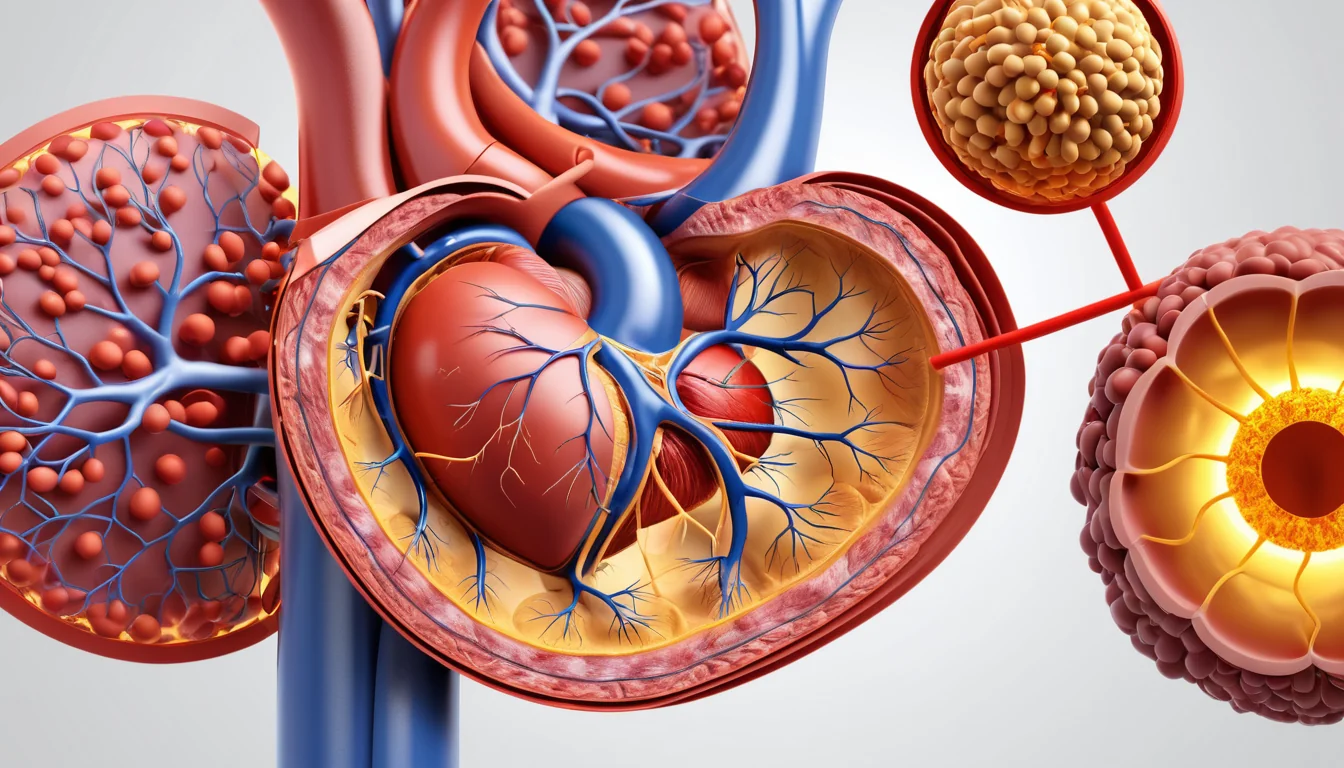
HDL cholesterol — often called “good” cholesterol — plays a critical role in protecting your heart and reducing your risk of cardiovascular disease. Your body relies on HDL to carry harmful cholesterol away from your arteries and transport it back to your liver, where it is safely removed. For Canadians, understanding your HDL cholesterol level is one of the most important steps you can take toward better heart health.
Understanding Your HDL Cholesterol Results in Canada
Whether you’ve just received your HDL cholesterol test results or you’re looking for ways to improve your good cholesterol levels in Canada, this guide breaks down exactly what your numbers mean. You’ll learn the normal ranges used by Canadian healthcare providers, what factors can raise or lower your HDL, and practical strategies to boost your levels starting today.
What Is HDL Cholesterol?
| HDL Cholesterol Level (mmol/L) | Classification | Cardiovascular Risk Impact | Recommended Action |
|---|---|---|---|
| Less than 1.0 mmol/L (men) / Less than 1.3 mmol/L (women) | Low — Below Optimal | Significantly increased risk of heart disease and stroke; associated with metabolic syndrome | Consult your doctor promptly; lifestyle changes including increased physical activity, smoking cessation, and dietary review are strongly recommended |
| 1.0–1.5 mmol/L (men) / 1.3–1.5 mmol/L (women) | Borderline / Acceptable | Moderate cardiovascular risk; may indicate room for improvement in heart-protective factors | Focus on regular aerobic exercise (150 minutes/week as per Canadian guidelines), reduce refined carbohydrates, and maintain a healthy weight |
| 1.5–1.9 mmol/L | Desirable / Healthy Range | Associated with lower risk of heart disease; good protective effect on arterial health | Maintain current healthy habits; continue regular check-ups with your healthcare provider every 1–2 years |
| 2.0 mmol/L and above | High — Optimal Protective Level | Strongest protective effect against cardiovascular disease; helps remove LDL cholesterol from arteries | Continue heart-healthy lifestyle; note that very high levels (above 2.5 mmol/L) should be discussed with a physician as emerging research suggests possible risks |
HDL stands for high-density lipoprotein. Lipoproteins are tiny particles that travel through your bloodstream carrying fats, including cholesterol. Your liver produces HDL particles, which are made up of proteins, cholesterol, and triglycerides (a type of fat).
The two most important proteins inside HDL particles are called Apolipoprotein A-1 (Apo-A1) and Apolipoprotein A-2 (Apo-A2). These proteins give HDL its structure and help it do its job. Think of HDL as a clean-up crew that sweeps excess cholesterol out of your blood vessels.
HDL cholesterol is different from LDL cholesterol (low-density lipoprotein), which is known as “bad” cholesterol. LDL deposits cholesterol on artery walls, while HDL removes it. In other words, higher HDL levels are generally better for your heart health.
Why HDL Cholesterol Matters for Heart Health
HDL cholesterol acts as a protective force against cardiovascular disease. It collects free cholesterol from cells throughout your body and transports it back to your liver. Your liver then processes and removes this cholesterol through bile — a digestive fluid.
This process is called reverse cholesterol transport. It helps prevent a dangerous build-up of cholesterol in your arteries, which can lead to a condition called atherosclerosis (hardening and narrowing of the arteries). Atherosclerosis increases the risk of heart attacks and strokes.
According to Health Canada, cardiovascular disease remains one of the leading causes of death among Canadians. Monitoring your HDL cholesterol level is a simple and effective way to assess your heart disease risk. Furthermore, many provincial health plans cover routine cholesterol testing, so speak with your family doctor about whether you are due for a check.
HDL Cholesterol Test: What to Expect
How the Test Is Done
An HDL cholesterol test is part of a standard lipid panel (also called a lipid profile). A healthcare provider draws a small sample of blood, usually from a vein in your arm. The sample is then analysed in a laboratory using a colorimetric method — a technique that measures colour changes in the sample to calculate cholesterol levels accurately.
The test is quick and straightforward. Most Canadians can get this test ordered by their family doctor or through a walk-in clinic. Results are typically available within a few days, depending on the laboratory your province uses.
Do You Need to Fast Before the Test?
Yes — for accurate results, you should fast before your HDL cholesterol test. This means no food or drink (except water) for at least 9 to 12 hours before your blood is drawn. Fasting helps ensure that recent meals do not affect your triglyceride levels, which are measured at the same time as your HDL.
If you are unsure how long to fast, ask your family doctor or the clinic where you are getting tested. They will give you clear instructions based on your specific situation.
Understanding Your HDL Cholesterol Results
What Are Normal HDL Cholesterol Levels?
HDL cholesterol is measured in millimoles per litre (mmol/L) in Canada. Here is a general guide to understanding your results:
- Low (increased heart risk): Less than 1.0 mmol/L for men; less than 1.3 mmol/L for women
- Acceptable: 1.0–1.5 mmol/L for men; 1.3–1.5 mmol/L for women
- Optimal (protective): 1.5 mmol/L or higher for both men and women
Higher HDL cholesterol numbers are generally better. However, extremely high levels (above 2.3 mmol/L) may not provide additional benefit and could sometimes indicate an underlying condition. Always discuss your specific results with your doctor.
For more detailed guidance on cholesterol ranges and heart health, visit the Mayo Clinic’s cholesterol testing overview.
What Affects Your HDL Cholesterol Level?
Several factors can raise or lower your HDL cholesterol. Some are within your control, and some are not. Understanding these factors helps you take meaningful steps to protect your heart.
Factors that can lower your HDL cholesterol include:
- Smoking
- Being overweight or obese
- A sedentary (inactive) lifestyle
- A diet high in trans fats and refined carbohydrates
- Type 2 diabetes
- Certain medications, such as beta-blockers or anabolic steroids
Factors that can raise your HDL cholesterol include:
- Regular physical activity
- Losing excess weight
- Quitting smoking
- Moderate alcohol consumption (more on this below)
- Eating healthy fats, such as those found in olive oil, nuts, and avocados
How to Improve Your HDL Cholesterol Naturally
The good news is that your lifestyle choices have a real impact on your HDL cholesterol level. Small, consistent changes can lead to meaningful improvements over time. Here are evidence-based strategies that work.
Get Moving
Regular aerobic exercise is one of the most effective ways to raise HDL cholesterol. Activities like brisk walking, cycling, swimming, and jogging can increase your HDL levels noticeably. Aim for at least 150 minutes of moderate-intensity activity per week — that is about 30 minutes, five days a week. This aligns with the physical activity guidelines recommended for Canadian adults.
Quit Smoking
Smoking damages blood vessels and lowers HDL cholesterol. However, quitting smoking can raise your HDL level within weeks. There are many free resources available to Canadians who want to quit, including provincial quit-smoking programmes and the national Smokers’ Helpline. Talk to your family doctor about the best quitting strategy for you.
Maintain a Healthy Weight
Carrying extra weight — especially around your abdomen — tends to lower HDL cholesterol. Losing even a modest amount of weight (5 to 10% of your body weight) can improve your HDL levels. Focus on sustainable changes, such as eating more whole foods and moving more, rather than crash diets.
Eat Heart-Healthy Fats
Not all fats are bad. Replacing trans fats and saturated fats with unsaturated fats can improve your HDL cholesterol. Good sources of healthy fats include olive oil, avocados, fatty fish (like salmon and mackerel), nuts, and seeds. Adding more soluble fibre to your diet — found in oats, beans, and fruits — also supports overall cholesterol balance.
Consider Moderate Alcohol Consumption
Some research suggests that moderate alcohol consumption is linked to higher HDL cholesterol levels. In Canada, moderate drinking is generally defined as up to two standard drinks per day for men and one for women. However, alcohol carries other health risks, and experts do not recommend starting to drink for the sake of heart health. If you do drink, keep it moderate and speak with your doctor.
For a broader look at lifestyle and cholesterol, Healthline’s guide to HDL vs. LDL cholesterol offers a helpful breakdown.
Special Considerations: Pregnancy and Medications
HDL Cholesterol During Pregnancy
HDL cholesterol levels naturally fluctuate during pregnancy. This is normal and expected due to hormonal changes in the body. For this reason, cholesterol test results taken during pregnancy may not reflect your true baseline level.
It is recommended that women wait at least six weeks after giving birth before checking their HDL cholesterol. This gives hormone levels time to stabilise and provides a more accurate reading. If you are pregnant and concerned about your cholesterol, discuss the timing of any testing with your healthcare provider.
Medications That Can Affect Results
Certain medications and substances can interfere with HDL cholesterol test results. For example, high levels of acetaminophen (found in common pain relievers like Tylenol) and its metabolites may lower HDL readings. N-acetylcysteine (a supplement or medication used for various conditions) and metamizole (a pain reliever not commonly used in Canada) can also affect results.
Always tell your doctor about all medications, supplements, and vitamins you are taking before your cholesterol test. This helps your doctor interpret your results accurately and adjust for any potential interference.
When to See a Doctor About HDL Cholesterol
You should speak with a healthcare provider if you have not had your cholesterol checked recently — especially if you are over 40, have a family history of heart disease, or have other risk factors like high blood pressure or diabetes. In Canada, routine cholesterol screening is widely available through your family doctor or a local walk-in clinic.
Your doctor may recommend a full lipid panel as part of a regular health check-up. If your HDL cholesterol is low, they can help you create a plan to improve it through lifestyle changes or, if necessary, medication. Do not wait for symptoms — cardiovascular disease often develops silently over many years.
If you do not have a family doctor, walk-in clinics across Canada can order basic blood tests, including cholesterol panels. Many provincial health plans cover these tests at no direct cost to you. Check your province’s health insurance website for details on coverage in your area.
Frequently Asked Questions About HDL Cholesterol
What is a good HDL cholesterol level in Canada?
In Canada, a healthy HDL cholesterol level is generally 1.5 mmol/L or higher for both men and women. Levels below 1.0 mmol/L for men and 1.3 mmol/L for women are considered low and may increase the risk of heart disease. Talk to your family doctor about what level is right for you based on your overall health.
What foods raise HDL cholesterol naturally?
Foods rich in healthy unsaturated fats can help raise HDL cholesterol levels. These include olive oil, avocados, fatty fish like salmon, nuts such as almonds and walnuts, and seeds. Reducing your intake of trans fats and refined sugars is equally important for improving your overall cholesterol profile.
Can exercise increase HDL cholesterol?
Yes — regular aerobic exercise is one of the most effective ways to raise HDL cholesterol. Activities like brisk walking, swimming, and cycling, done for at least 150 minutes per week, can produce meaningful improvements in your HDL levels. Even moderate increases in physical activity can make a positive difference over time.
Is HDL cholesterol the same as total cholesterol?
No — HDL cholesterol is just one component of your total cholesterol. A full lipid panel also measures LDL (bad) cholesterol, triglycerides, and total cholesterol. Your doctor looks at all of these numbers together, not just your HDL cholesterol, to assess your overall heart health and risk.
How often should I get my HDL cholesterol tested?
Most Canadian guidelines recommend cholesterol testing every one to three years for adults over 40, or more frequently if you have risk factors such as diabetes, high blood pressure, or a family history of heart disease. Your family doctor can advise on the right testing schedule for your age and health profile.
Does smoking lower HDL cholesterol?
According to Health Canada’s guidelines on heart disease prevention, this information is supported by current medical research.
For more information, read our guide on learn more about blood test results in Canada.
Yes — smoking is one of the key lifestyle factors that lowers HDL cholesterol levels. The good news is that quitting smoking can raise your HDL cholesterol relatively quickly, often within a few weeks to months. Speak with your doctor or a pharmacist about quitting programmes available through your provincial health system.
Key Takeaways
- HDL cholesterol is known as “good” cholesterol because it removes harmful cholesterol from your bloodstream and carries it to the liver for disposal.
- In Canada, an optimal HDL cholesterol level is 1.5 mmol/L or higher. Low levels increase the risk of heart disease.
- HDL cholesterol is measured through a simple blood test called a lipid panel. You must fast beforehand for accurate results.
- You can raise your HDL cholesterol by exercising regularly, quitting smoking, losing excess weight, and eating heart-healthy fats.
- Pregnancy can affect HDL cholesterol levels. Women should wait at least six weeks after giving birth before testing.
- Certain medications, including high doses of acetaminophen, can interfere with test results. Always tell your doctor what you are taking.
- Canadians can access cholesterol testing through their family doctor or a walk-in clinic, often at no cost through provincial health plans.
- Always consult your doctor to understand your personal results and to create a heart-health plan that is right for you.
Frequently Asked Questions
What is HDL cholesterol and why does it matter?
HDL cholesterol, known as ‘good’ cholesterol, helps remove harmful LDL cholesterol from your arteries and transport it to the liver for elimination. Higher HDL levels reduce your risk of heart disease and stroke. In Canada, a healthy HDL level is 1.0 mmol/L or higher for men and 1.3 mmol/L or higher for women.
What are the symptoms of low HDL cholesterol?
Low HDL cholesterol typically causes no noticeable symptoms, making it a silent risk factor. Most Canadians discover low HDL levels only through routine blood tests. However, chronically low HDL is associated with increased risk of heart disease, chest pain, and cardiovascular events over time without proper management.
How can you raise your HDL cholesterol levels naturally?
You can raise HDL cholesterol through regular aerobic exercise, quitting smoking, maintaining a healthy weight, and eating heart-healthy fats like olive oil, avocados, and nuts. Reducing refined carbohydrates and trans fats also helps. Even modest lifestyle changes can meaningfully improve HDL levels within a few months.
What HDL cholesterol level is considered too low in Canada?
Canadian cardiovascular guidelines consider HDL cholesterol below 1.0 mmol/L in men and below 1.3 mmol/L in women as low and a significant heart disease risk factor. Low HDL combined with high LDL or triglycerides substantially increases cardiovascular risk and warrants discussion with your healthcare provider about intervention strategies.
When should you see a doctor about your cholesterol levels?
Canadians should see a doctor for cholesterol testing starting at age 40, or earlier if you have diabetes, high blood pressure, obesity, or a family history of heart disease. Seek medical advice immediately if you experience chest pain, shortness of breath, or if routine bloodwork reveals abnormal HDL or LDL results.

About the Author
Dr. Linda Chen, RD, PhDDr. Linda Chen is a registered dietitian and PhD in Nutritional Sciences from the University of British Columbia. With expertise in clinical nutrition, sports dietetics, and gut health, she has worked with leading Canadian hospitals and sports organizations. Dr. Chen is a member of Dietitians of Canada and regularly contributes to national nutrition policy discussions.
View all articles →