Heat Rash: Causes, Symptoms & Treatment in Canada

Share
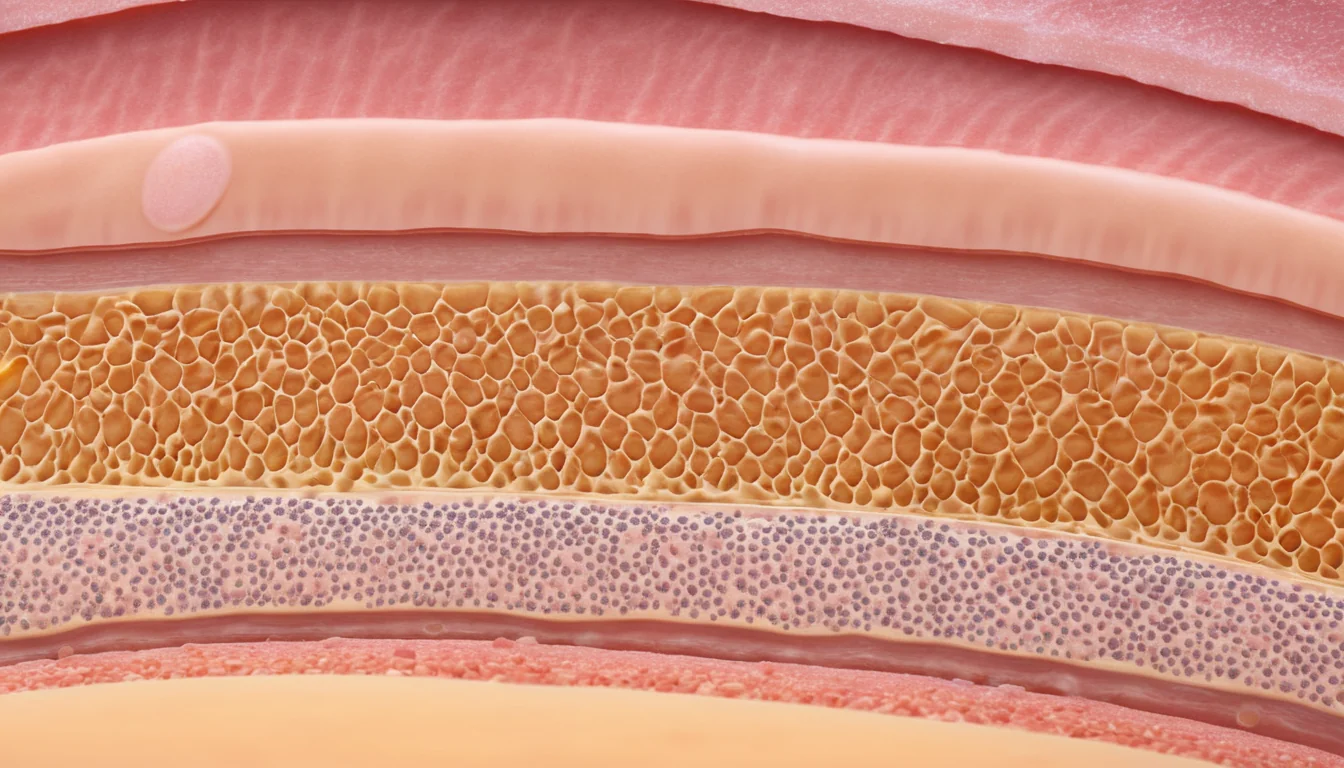
Heat rash is one of the most common skin conditions Canadians experience during the warm summer months, causing red or pink bumps when sweat glands become blocked and inflamed. Also known as miliaria or prickly heat, this irritating condition traps sweat beneath the skin’s surface and can affect anyone — from newborns to older adults across every province.
What Causes Heat Rash and Who Is Most at Risk?
While most cases of prickly heat treatment can be managed at home and symptoms clear up within a few days, the condition can cause significant discomfort, especially for babies and young children who cannot communicate what they are feeling. Understanding the causes, recognising the symptoms early, and knowing when to seek medical attention will help you keep your family comfortable and safe throughout Canada’s hot, humid summers.
What Is Heat Rash?
| Type of Heat Rash | Characteristics | Who Is Most Affected | Management |
|---|---|---|---|
| Miliaria Crystallina (Mild) | Tiny, clear, fluid-filled blisters on the skin surface; no itching or inflammation; blisters break easily | Newborns and infants; adults after fever or sunburn | Cool the skin, move to air-conditioned space; resolves on its own within hours to days |
| Miliaria Rubra (Common) | Red, itchy bumps or blisters; prickling or stinging sensation; appears in skin folds, chest, back, and groin | Adults in hot, humid climates; infants aged 1–3 weeks | Avoid heat and humidity; wear loose, breathable clothing; cool compresses; calamine lotion for itch relief |
| Miliaria Pustulosa | Pustules (pus-filled lesions) that may appear inflamed; develops from untreated miliaria rubra | Adults with prolonged sweat duct blockage; people with skin folds | Keep area clean and dry; topical antibiotics if infection is suspected; consult a healthcare provider |
| Miliaria Profunda (Severe) | Flesh-coloured, firm lesions deep in the skin; minimal itching but may cause anhidrosis (inability to sweat) | Adults with repeated episodes of heat rash; military personnel; outdoor workers | Medical evaluation required; rest in cool environment; avoid heat exposure; physician may prescribe retinoids in severe cases |
| Miliaria Profunda with Heat Exhaustion | Severe heat rash combined with dizziness, nausea, heavy sweating, and weakness; a medical emergency | Outdoor workers, athletes, elderly individuals during Canadian heat waves | Call 911 or visit the nearest emergency department; immediate cooling measures; IV fluids may be required |
Heat rash — also called miliaria or prickly heat — is a skin irritation caused by blocked sweat ducts. When sweat cannot escape through the skin, it builds up and causes small, itchy bumps or blisters. The rash often appears in areas covered by clothing, where sweat has no way to evaporate.
Most cases of heat rash are harmless and clear up on their own within a few days. However, it can cause real discomfort, especially for babies who cannot tell you what is wrong. Understanding the condition helps you act quickly and keep your family comfortable.
According to Mayo Clinic’s guide on heat rash, the condition is most common in hot, humid climates — or whenever the body sweats more than usual.
Common Causes of Heat Rash
Heat rash develops when sweat ducts become blocked. Sweat then leaks into the surrounding skin tissue instead of evaporating from the surface. This triggers inflammation, redness, and that familiar itchy or prickly feeling.
Several situations can trigger heat rash in both children and adults. These include:
- Overdressing babies or young children — well-meaning parents sometimes dress their babies in too many layers, especially in warm weather
- Hot and humid weather — Canadian summers in regions like Southern Ontario and British Columbia can bring the heat and humidity that trigger the condition
- Intense physical activity — exercise that causes heavy sweating can block pores quickly
- Tight or synthetic clothing — fabrics that do not breathe trap heat and moisture against the skin
- Sleeping in an overheated room — this is a particularly common cause in young children
- Heavy creams or ointments — thick skin products can block pores and make heat rash worse
A Note for Parents: Dressing Your Child in Summer
Many parents dress their babies too warmly out of caution. A helpful rule of thumb is to dress your child in the same number of layers you are wearing to feel comfortable. If you are comfortable in a T-shirt, your child likely is too.
Cold hands and feet in a baby do not always mean the baby is cold. Blood flow naturally concentrates around the core and digestive system after feeding, leaving the hands and feet feeling cooler. This is normal and not a sign that your baby needs more clothing.
Recognising Heat Rash Symptoms
Heat rash symptoms vary slightly depending on the type and severity. In most cases, you will notice a cluster of small red or pink bumps on the skin. The affected area may feel itchy, prickly, or mildly sore.
In babies and young children, heat rash most often appears on the:
- Head and neck
- Shoulders and upper chest
- Skin folds, such as the armpits and groin
In adults, heat rash tends to appear on body parts covered by clothing — such as the back, chest, and stomach. Tight waistbands and bra straps are common culprits.
Types of Heat Rash
There are a few different types of heat rash, ranging from mild to more uncomfortable. The most common is miliaria rubra, which causes the classic red, itchy bumps most people recognise. A milder form called miliaria crystallina produces clear, fluid-filled blisters that break easily. A deeper and more uncomfortable form, miliaria profunda, is less common and tends to affect adults after repeated heat exposure.
For a detailed breakdown of rash types and appearance, visit Healthline’s overview of heat rash types and symptoms.
How to Treat Heat Rash at Home
The good news is that most cases of heat rash improve on their own once the skin cools down. You do not usually need medication or a trip to the clinic. Simple home care steps are often all it takes.
Here is what tends to help:
- Move to a cool environment — bring your child indoors, into the shade, or to an air-conditioned space
- Remove excess clothing — loosen or remove layers to allow the skin to breathe
- Apply a cool, damp cloth — gently place a cool towel on the affected area to reduce inflammation
- Give a cool bath — a lukewarm or slightly cool bath can calm the skin and wash away sweat
- Let the skin air dry — avoid rubbing with a towel, as this can further irritate the skin; let air do the work instead
- Use a fan or air conditioning — keeping the air moving helps sweat evaporate and prevents further blockage
Can You Use Creams or Lotions?
Avoid heavy moisturisers, oils, or thick creams on heat rash. These products can further block the sweat ducts and make the rash worse. If the skin is mildly irritated, a low-strength hydrocortisone cream (0.5% or 1%) may help reduce itching. However, you should speak with your family doctor or pharmacist before applying any cream to a baby’s skin.
Calamine lotion can also provide relief from itching in older children and adults. Again, check with a healthcare professional if you are unsure what is appropriate for your child’s age.
How to Prevent Heat Rash
Prevention is straightforward once you understand what causes heat rash. The goal is to keep the skin cool, dry, and able to breathe. A few simple habits can make a big difference, especially during Canada’s summer months.
- Dress lightly in warm weather — choose loose-fitting, breathable fabrics like cotton
- Keep sleeping areas cool — use a fan or air conditioning in your child’s bedroom during hot nights
- Avoid overdressing babies — follow the one-layer rule mentioned above
- Stay hydrated — drinking enough water helps regulate body temperature
- Take breaks from heat — if your child is playing outside on a hot day, bring them inside to cool down regularly
- Pat skin dry after sweating — gently drying sweaty areas helps prevent pore blockage
Gradual Re-Exposure After Recovery
Once the heat rash clears, try to re-introduce your child to warmer temperatures gradually. This gives the skin time to adapt and reduces the chance of another rash developing right away. Start with short periods outdoors before building back up to normal activity.
When to See a Doctor
Most cases of heat rash clear up within three to four days with basic home care. However, sometimes the rash signals something more serious. You should contact your family doctor or visit a walk-in clinic if any of the following apply.
Watch for these signs of a possible skin infection:
- The rash does not improve after three to four days — or gets worse
- Increasing pain, swelling, or warmth around the affected area
- Red streaks spreading outward from the rash
- Pus or discharge coming from the skin
- Swollen lymph nodes in the neck, armpits, or groin
- A fever of 37.8°C (100°F) or higher, especially with chills
These symptoms may point to a secondary skin infection that needs medical treatment, such as antibiotics. Do not wait too long to seek care if your child seems unwell. Most provincial health plans cover visits to your family doctor or a walk-in clinic, so do not hesitate to go.
If you are unsure whether a rash needs medical attention, you can also call Health 811 (available in most provinces) to speak with a registered nurse at no cost. For more guidance on skin conditions and when to seek care, the Health Canada website is a reliable place to start.
As always, if you are ever in doubt about your child’s health or your own, speak with a qualified healthcare provider. This article provides general information only and is not a substitute for professional medical advice.
Frequently Asked Questions About Heat Rash
How long does heat rash last?
Most cases of heat rash clear up within three to four days once the skin is kept cool and dry. In mild cases, the rash may disappear within 24 hours. If the heat rash persists beyond four days or appears to worsen, it is a good idea to visit your family doctor or a walk-in clinic.
Is heat rash contagious?
No, heat rash is not contagious. It is caused by blocked sweat ducts and is not related to a virus or bacteria you can pass to another person. You cannot catch heat rash from someone else, and there is no need to isolate a child who has it.
What does heat rash look like on a baby?
In babies, heat rash typically appears as clusters of small red or pink bumps on the head, neck, and shoulders. The bumps may look similar to tiny pimples or blisters. The affected skin may appear irritated, and your baby may seem fussier than usual due to the discomfort.
What is the fastest way to get rid of heat rash?
The fastest way to treat heat rash is to cool the skin down as quickly as possible. Move to a cool, shaded, or air-conditioned space, remove excess clothing, and apply a cool damp cloth to the affected area. Letting the skin air dry instead of rubbing it with a towel also speeds up recovery.
Can adults get heat rash?
Yes, adults can absolutely get heat rash, especially during hot and humid weather or after intense physical activity. Heat rash in adults often appears on the back, chest, or wherever clothing traps sweat against the skin. Treatment is the same as for children — keep the area cool, dry, and free from heavy creams.
Should I use calamine lotion for heat rash?
According to Mayo Clinic’s guide on heat rash symptoms and causes, this information is supported by current medical research.
For more information, read our guide on heat stroke symptoms and emergency first aid for Canadians.
Calamine lotion can help relieve the itching associated with heat rash in older children and adults. It is generally considered safe and easy to find at most Canadian pharmacies without a prescription. However, speak with your pharmacist or family doctor before using any lotion on a baby’s skin, as some products may not be suitable for very young children.
Key Takeaways
- Heat rash is caused by blocked sweat ducts and is common in hot, humid conditions — including Canadian summers
- It appears as red or pink bumps, most often on the neck, shoulders, and areas covered by clothing
- Babies and young children are most at risk, especially when overdressed
- Most cases clear up within a few days with simple home care: cool the skin, remove excess clothing, and let the skin air dry
- Avoid heavy creams or lotions, which can block pores and make the rash worse
- See your family doctor or visit a walk-in clinic if the rash lasts more than four days, spreads, or shows signs of infection such as pus, fever, or red streaks
- You can call Health 811 in most provinces for free nursing advice if you are unsure what to do
- For more information, refer to WHO health fact sheets and trusted Canadian health resources
Frequently Asked Questions
What is heat rash?
Heat rash (also called miliaria or prickly heat) is a skin condition caused when sweat ducts become blocked, trapping perspiration beneath the skin. It appears as small red bumps, blisters, or pimple-like lesions, typically in skin folds or areas covered by clothing. It’s common in hot, humid weather.
What are the symptoms of heat rash?
Heat rash symptoms include clusters of small red or pink bumps, intense itching or a prickling sensation, mild swelling, and skin that feels irritated or inflamed. Symptoms most commonly appear on the neck, chest, groin, armpits, and elbow creases — areas prone to sweating and friction.
How do you treat heat rash at home?
Treat heat rash by moving to a cool, air-conditioned environment and wearing loose, breathable clothing. Apply a cool compress or take a cool shower to soothe irritated skin. Calamine lotion or hydrocortisone cream can relieve itching. Avoid heavy creams or ointments, as these can further block sweat ducts.
How can you prevent heat rash in Canada’s summer heat?
Prevent heat rash by wearing lightweight, moisture-wicking fabrics and avoiding prolonged exposure to heat and humidity. Stay in air-conditioned spaces during heat waves, shower after sweating, and keep skin dry. Babies should be dressed in light layers and kept out of direct sun during peak summer temperatures.
When should you see a doctor for heat rash?
See a doctor if heat rash symptoms worsen after a few days, show signs of infection such as increased pain, swelling, pus, or fever, or if large areas of skin are affected. Infants, elderly individuals, and people with weakened immune systems should seek medical attention sooner if symptoms don’t improve quickly.

About the Author
Dr. James Okafor, MD, PhDDr. James Okafor holds an MD and PhD in Neurological Sciences from McGill University. With 12 years of experience in clinical neurology and mental health research, he has contributed to landmark studies on depression, anxiety, and cognitive health. Dr. Okafor is a Fellow of the Royal College of Physicians and Surgeons of Canada and serves on the editorial board of two peer-reviewed journals.
View all articles →