Hypothyroidism Symptoms: Causes & Treatment in Canada

Share
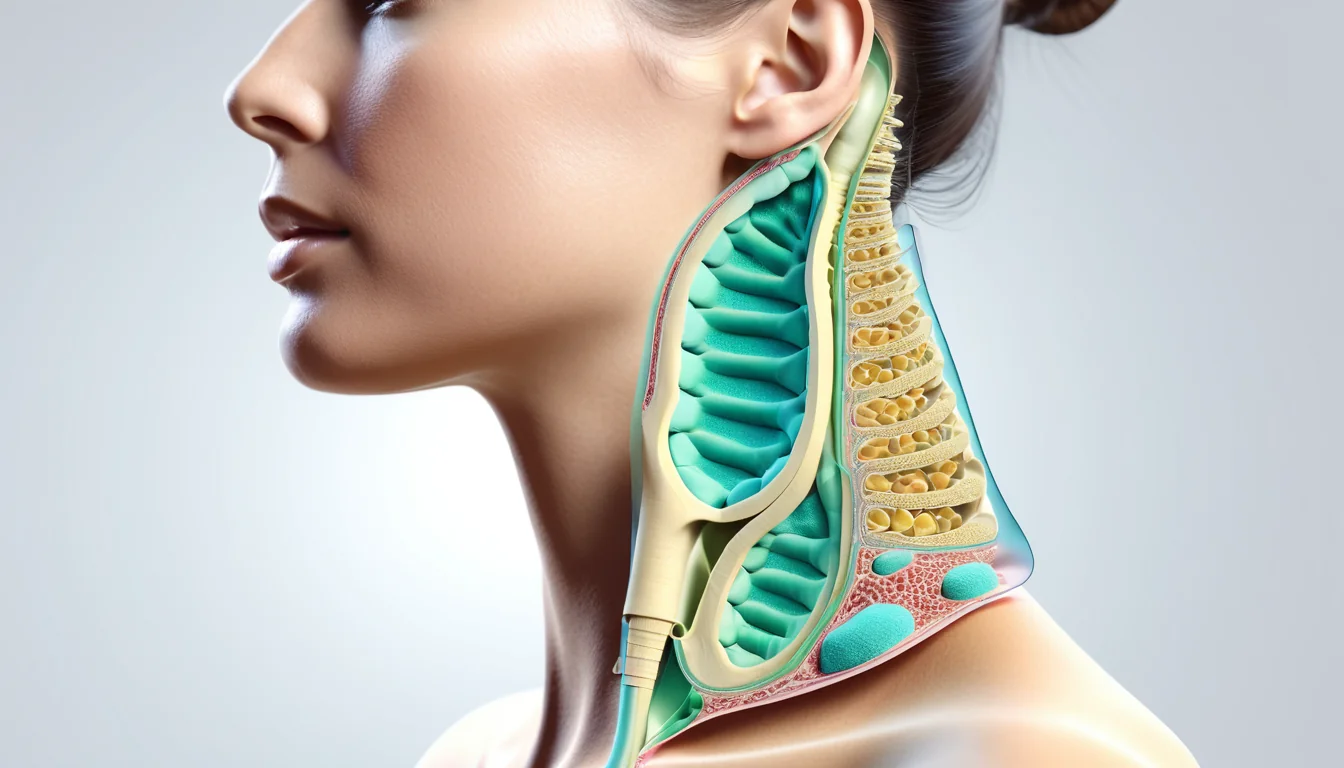
Hypothyroidism symptoms can be subtle at first, but understanding them early is the key to getting the right treatment. Hypothyroidism — also called an underactive thyroid — occurs when your thyroid gland does not produce enough thyroid hormone, causing many of your body’s functions to slow down. It is more common in women, older adults, and those with a family history of thyroid problems. The good news is that this condition is very treatable, and most people live completely normal, healthy lives with proper care.
Recognising the Most Common Hypothyroidism Symptoms
The thyroid is a small, butterfly-shaped gland in the front of your neck that controls how your body uses energy. When it fails to produce adequate hormones, your metabolism, heart rate, and even your thinking can slow down. Underactive thyroid causes are varied and range from autoimmune disease to iodine deficiency. In Canada, thyroid conditions are among the most commonly diagnosed hormonal disorders, yet many cases go undetected for years because the early signs are easy to overlook.
What Is Hypothyroidism?
| Symptom | Description | Severity | When to See a Doctor |
|---|---|---|---|
| Fatigue and Low Energy | Persistent exhaustion that does not improve with rest; feeling sluggish throughout the day even after adequate sleep | Mild to Severe | If fatigue significantly interferes with daily activities or work |
| Unexplained Weight Gain | Gradual increase in body weight despite no significant changes in diet or physical activity levels | Mild to Moderate | If you gain more than 4–5 kg without an identifiable cause |
| Cold Intolerance | Increased sensitivity to cold temperatures; feeling cold when others around you are comfortable | Mild to Moderate | If cold sensitivity is persistent and affecting quality of life |
| Depression and Cognitive Changes | Low mood, difficulty concentrating, memory problems, and slowed thinking often referred to as “brain fog” | Moderate to Severe | Promptly if experiencing significant mood changes or memory concerns |
| Dry Skin and Hair Loss | Skin becomes rough, dry, and pale; hair may thin, become brittle, or fall out more than usual | Mild to Moderate | If hair loss is pronounced or skin changes are accompanied by other symptoms |
| Slow Heart Rate (Bradycardia) | Heart beats slower than the normal range of 60–100 beats per minute, sometimes causing dizziness or shortness of breath | Moderate to Severe | Seek prompt medical attention, especially if accompanied by chest discomfort |
Your thyroid is a small, butterfly-shaped gland in the front of your neck. It produces hormones that control how your body uses energy. When it does not produce enough of these hormones, everything starts to slow down — your metabolism, your heart rate, even your thinking.
Hypothyroidism is one of the most common thyroid disorders in Canada. It affects women more often than men. Your risk also increases as you get older, especially after age 50.
According to Health Canada, thyroid conditions are among the most frequently diagnosed hormonal disorders in the country. Many cases go undetected for years because the early symptoms are easy to overlook.
What Causes Hypothyroidism?
Several things can cause your thyroid to stop working properly. The most common cause in Canada is an autoimmune condition called Hashimoto’s thyroiditis. In this condition, your immune system mistakenly attacks your own thyroid gland.
Other causes include iodine deficiency, certain medications, and inflammation of the thyroid after pregnancy. Some people are born with thyroid problems or develop them after thyroid surgery or radiation treatment.
Medications That Can Affect Thyroid Function
Some medications can interfere with how your thyroid works. These include:
- Amiodarone — used to treat irregular heartbeats
- Lithium — used for certain mental health conditions
- Interferon and ribavirin — used to treat viral hepatitis
If you take any of these medications, ask your doctor whether you should have your thyroid checked regularly.
Temporary Forms of Hypothyroidism
Not all hypothyroidism is permanent. Postpartum thyroiditis can develop after giving birth. Subacute thyroiditis can follow a viral infection and often causes a painful, tender thyroid gland. Both conditions may resolve on their own over time.
Recognising the Symptoms of Hypothyroidism
Hypothyroidism symptoms develop slowly. Many people do not notice them right away. In the early stages — called subclinical hypothyroidism — your body compensates by producing more TSH (thyroid-stimulating hormone). You may feel fine at first. However, over time, the symptoms become harder to ignore.
One important point: each symptom on its own can point to many different conditions. However, when several of these symptoms appear together, hypothyroidism becomes a stronger possibility.
Common Symptoms to Watch For
- Fatigue and low energy, even after a full night of sleep
- Feeling cold all the time, especially in your hands and feet
- Unexplained weight gain despite a reduced appetite
- Dry, rough, or thickened skin
- Brittle hair and nails
- Slow heartbeat (under 50 beats per minute)
- Muscle aches and weakness
- Constipation
- Depression or low mood
- Slow thinking, trouble concentrating, or memory problems
- Slow or slurred speech
- Heavy or irregular periods
- Difficulty getting pregnant or recurrent miscarriages
In rare cases, severe untreated hypothyroidism can lead to a dangerous condition called myxoedema coma. This is a medical emergency. It is rare, but it is life-threatening in more than half of cases even with full emergency care.
Hypothyroidism in Pregnancy
Undiagnosed or under-treated hypothyroidism during pregnancy is a serious concern. It can affect a baby’s brain development and growth. Women who are pregnant — or planning to become pregnant — should have their thyroid checked. This is especially important if they have a personal or family history of thyroid problems.
Who Should Get Their Thyroid Checked?
Your family doctor or walk-in clinic can order a simple blood test to check your thyroid. The Mayo Clinic recommends regular thyroid screening for people at higher risk. In Canada, talk to your doctor if any of the following apply to you.
You should consider thyroid testing if you:
- Are a woman over age 50
- Are pregnant or trying to get pregnant
- Have two or more symptoms from the list above
- Have a family history of thyroid disease
- Have a personal history of an autoimmune condition
- Take medications known to affect thyroid function
It is worth noting that weight gain alone is not a reliable sign of hypothyroidism. Many people request thyroid tests because of weight gain. However, if weight gain is happening because of excess calories and low activity, a thyroid problem is usually not the cause. This leads to unnecessary testing. On the other hand, thyroid problems in older adults are often missed because symptoms are blamed on ageing or other health conditions.
How Is Hypothyroidism Diagnosed?
Diagnosis starts with a physical exam and a blood test. The most important test is your TSH level. TSH stands for thyroid-stimulating hormone. It is produced by your brain to tell the thyroid to make more hormone. When your thyroid is underactive, your TSH rises. This is often the first detectable sign — even before symptoms appear.
If your TSH is high, your doctor will also check your levels of T3 and T4 — the actual thyroid hormones. Additional tests may include thyroid antibodies (to check for Hashimoto’s) and a thyroid ultrasound. These tests help identify the cause of your hypothyroidism and guide your treatment plan.
Understanding Your TSH Results
A TSH result above the normal range suggests your thyroid is not keeping up with your body’s needs. Your doctor will interpret your results in the context of your symptoms and overall health. A single high TSH result may be repeated before a diagnosis is confirmed.
As explained by Healthline’s guide to hypothyroidism, subclinical hypothyroidism — where TSH is elevated but T3 and T4 are still normal — is also monitored carefully, especially in pregnancy.
How Is Hypothyroidism Treated?
The standard treatment for hypothyroidism is a daily medication called levothyroxine. This is a synthetic version of the thyroid hormone your body is not making enough of. It is identical to the natural hormone your thyroid produces. Most people take one small pill every morning.
Levothyroxine is affordable and widely available in Canada. Most provincial health plans cover it when prescribed. The key to making it work well is consistency.
How to Take Levothyroxine Properly
For best results, take levothyroxine on an empty stomach, at least 30 to 60 minutes before eating. Take it at the same time every day. Keep it away from other medications, supplements, and even coffee, as these can reduce how well your body absorbs it.
For most people, levothyroxine treatment is lifelong. Your doctor will check your TSH levels at regular intervals to make sure your dose is right. When hypothyroidism is well managed, there are no side effects. Your quality of life and life expectancy are not reduced.
Monitoring Your Treatment
Your doctor will adjust your dose based on blood test results, not just how you feel. It can take several weeks after a dose change before you feel the full effect. Do not adjust your dose on your own. Always follow your doctor’s guidance.
When to See a Doctor
You should talk to your family doctor if you have two or more symptoms of hypothyroidism, especially if they have been present for several weeks or months. You do not need a referral to ask for a TSH blood test — your family doctor or a walk-in clinic can order one for you.
If you are pregnant or trying to conceive and have any concerns about your thyroid, do not wait. Bring it up at your next prenatal appointment or see your family doctor as soon as possible. Early detection makes a real difference for both you and your baby.
In the rare event that someone with known hypothyroidism becomes unresponsive, extremely cold, or shows signs of extreme confusion, call 911 immediately. This could be a sign of myxoedema coma, which is a medical emergency.
Always speak with a qualified healthcare provider before starting, stopping, or changing any treatment. The information in this article is for general educational purposes only.
What are the most common symptoms of hypothyroidism?
The most common symptoms of hypothyroidism include fatigue, weight gain, feeling cold, dry skin, constipation, and low mood or depression. Because these symptoms overlap with many other conditions, hypothyroidism is often missed. A simple blood test for TSH is the best way to find out if your thyroid is underactive.
Can hypothyroidism be cured?
Hypothyroidism cannot usually be cured, but it can be very effectively managed with daily medication called levothyroxine. Most people with hypothyroidism take this medication for life. With the right dose and regular monitoring, you can feel completely well and live a normal, healthy life.
Is hypothyroidism covered by provincial health plans in Canada?
In most Canadian provinces, the blood tests used to diagnose hypothyroidism are covered under provincial health insurance when ordered by a doctor. Levothyroxine, the standard treatment for hypothyroidism, is typically covered by provincial drug benefit programmes for eligible patients. Check with your provincial health plan or pharmacist for specific coverage details.
Does hypothyroidism cause weight gain?
Hypothyroidism can cause modest weight gain, usually because a slow metabolism reduces how quickly your body burns calories. However, significant weight gain is more often related to diet and activity levels than to thyroid problems. If weight gain is your only symptom, your doctor will consider all possible causes before ordering thyroid tests.
Can hypothyroidism affect pregnancy?
Yes — untreated or under-treated hypothyroidism during pregnancy can affect a baby’s brain development and growth, and may increase the risk of miscarriage or premature birth. Women who are pregnant or planning to become pregnant should discuss thyroid screening with their family doctor. Properly managed hypothyroidism does not prevent a healthy pregnancy.
What is the difference between hypothyroidism and hyperthyroidism?
According to Health Canada’s guidelines on hormonal disorders, this information is supported by current medical research.
For more information, read our guide on thyroid disorders and their causes in Canada.
Hypothyroidism means your thyroid is underactive and produces too little hormone, causing symptoms like fatigue, weight gain, and feeling cold. Hyperthyroidism is the opposite — your thyroid is overactive and produces too much hormone, leading to symptoms like rapid heartbeat, weight loss, and anxiety. Both conditions are diagnosed with a blood test and treated differently.
Key Takeaways
- Hypothyroidism means your thyroid gland is not making enough hormone, slowing down many body functions.
- It is more common in women, people over 50, and those with a family history of thyroid disease.
- Symptoms include fatigue, weight gain, feeling cold, dry skin, constipation, depression, and slow thinking.
- A blood test for TSH is the key diagnostic tool — available through your family doctor or walk-in clinic.
- Treatment with levothyroxine is safe, effective, and affordable — most provincial health plans provide coverage.
- With proper treatment and regular monitoring, hypothyroidism does not shorten your life or reduce your quality of life.
- Pregnant women and those trying to conceive should be screened for hypothyroidism as early as possible.
- Always consult your doctor if you are concerned about thyroid symptoms or your test results.
Frequently Asked Questions
What is hypothyroidism?
Hypothyroidism is a condition where the thyroid gland doesn’t produce enough thyroid hormone. This slows down many bodily functions, including metabolism, heart rate, and digestion. It’s one of the most common hormonal disorders in Canada, particularly affecting women over 60, and is typically managed with daily medication.
What are the most common hypothyroidism symptoms in women?
The most common hypothyroidism symptoms in women include persistent fatigue, unexplained weight gain, feeling cold, dry skin, hair thinning, constipation, brain fog, and irregular or heavy periods. Symptoms develop gradually and are often mistaken for stress or aging, making early diagnosis through a TSH blood test important.
What are the early warning signs of hypothyroidism symptoms?
Early hypothyroidism symptoms are often subtle and include mild fatigue, slight weight gain, feeling unusually cold, low mood, and mild constipation. Many Canadians dismiss these signs as stress or lifestyle-related. A simple TSH blood test ordered by your family doctor can confirm whether your thyroid is underactive.
How is hypothyroidism treated in Canada?
Hypothyroidism is treated with a daily synthetic thyroid hormone tablet called levothyroxine (Synthroid), available by prescription across Canada. Dosage is individualized based on TSH blood test results. Most patients require lifelong treatment. Regular monitoring every 6–12 months ensures hormone levels remain balanced and symptoms are well controlled.
When should you see a doctor about thyroid symptoms in Canada?
See your family doctor if you experience persistent fatigue, unexplained weight gain, hair loss, cold sensitivity, or depression lasting more than a few weeks. Canadians with a family history of thyroid disease, autoimmune conditions, or previous thyroid issues should request routine TSH screening, even without obvious symptoms.

About the Author
Dr. Michael Ross, MD, FRCSCDr. Michael Ross is a fellowship-trained orthopedic surgeon at the University of Alberta Hospital, specializing in joint replacement and sports medicine. A Fellow of the Royal College of Surgeons of Canada (FRCSC), he has over 18 years of surgical experience and has authored multiple textbook chapters on musculoskeletal health. Dr. Ross is passionate about patient education and evidence-based medicine.
View all articles →