Knee Tendon Injury: Tendinitis & Rupture Guide Canada

Share
A knee tendon injury can range from mild inflammation to a complete tear, and it is one of the most common musculoskeletal complaints seen by doctors across Canada. These injuries affect the tendons connecting your muscles to your kneecap, making everyday activities like walking, climbing stairs, or even standing up from a chair painful and difficult.
How Is a Knee Tendon Injury Diagnosed in Canada?
Whether you are dealing with patellar tendinitis from sports or a sudden quadriceps tendon tear, understanding the causes, symptoms, and treatment options available to Canadian patients can help you recover faster and protect your long-term joint health. From physiotherapy covered under provincial plans to surgical options at Canadian hospitals, this guide walks you through everything you need to know.
What Is a Knee Tendon Injury?
| Type of Injury | Key Characteristics | Common Symptoms | Recommended Management |
|---|---|---|---|
| Patellar Tendinitis (Jumper’s Knee) | Overuse inflammation of the patellar tendon connecting kneecap to shinbone; common in athletes | Gradual onset pain below kneecap, stiffness after rest, tenderness with activity | Rest, physiotherapy, NSAIDs, eccentric strengthening exercises; surgery rarely required |
| Quadriceps Tendinitis | Inflammation of the quadriceps tendon above the kneecap; often affects adults over 40 | Pain and swelling above kneecap, weakness when straightening knee, discomfort climbing stairs | RICE method, physiotherapy, corticosteroid injections in some cases; activity modification |
| Partial Tendon Tear | Incomplete rupture of patellar or quadriceps tendon; caused by sudden force or chronic degeneration | Sharp pain, localized swelling, reduced range of motion, weakness with weight-bearing | Immobilization with knee brace, physiotherapy; surgical repair considered based on severity |
| Complete Patellar Tendon Rupture | Full tear of the patellar tendon; often results from direct trauma or sudden forceful movement | Immediate severe pain, inability to straighten knee, visible indentation below kneecap, significant swelling | Surgical repair typically required within weeks; followed by 6–12 months of structured rehabilitation |
| Complete Quadriceps Tendon Rupture | Full tear above kneecap; more common in men over 40 and those with underlying health conditions | Audible pop at injury, immediate loss of knee extension, swelling, inability to bear weight | Surgical reattachment recommended; post-operative physiotherapy essential for full recovery in Canada |
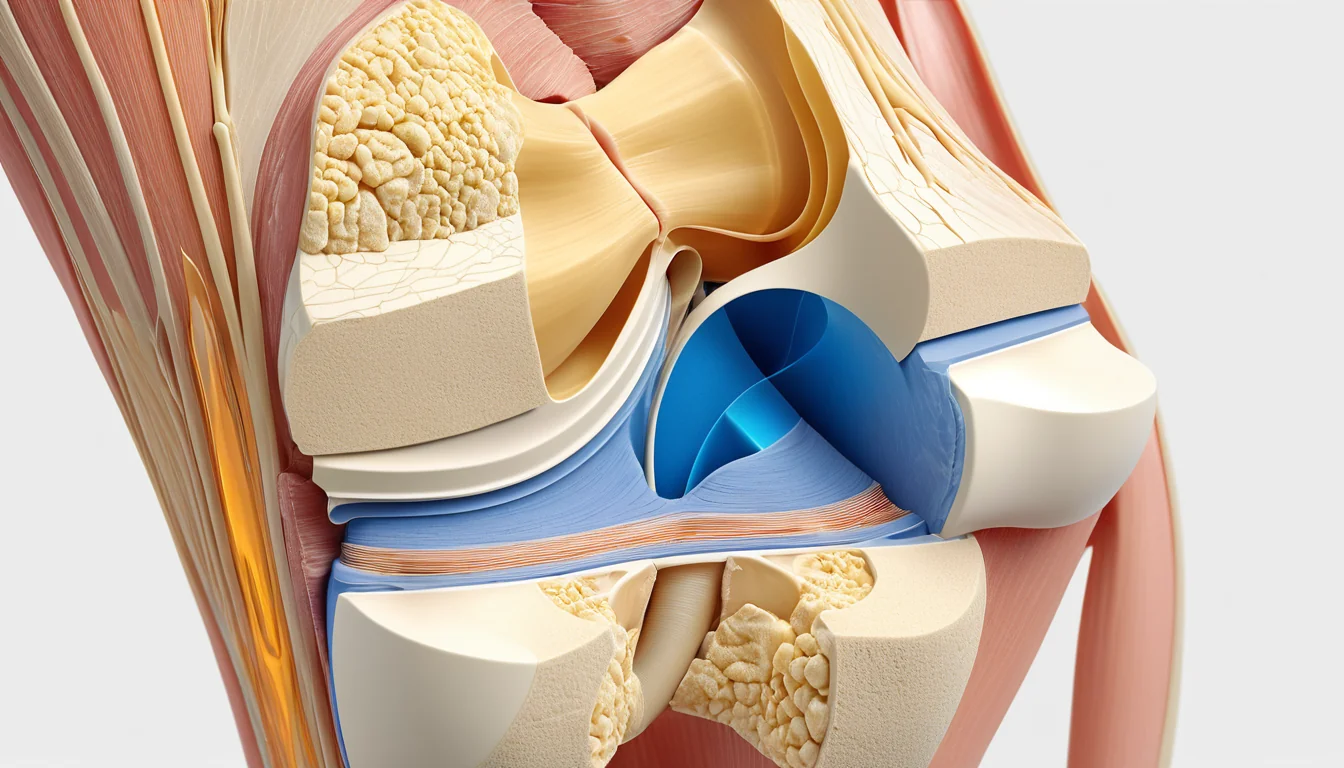
Tendons are strong, cord-like tissues that connect muscles to bones. Around the knee, two key tendons are most commonly injured: the quadriceps tendon, which sits above the kneecap, and the patellar tendon, which sits below it.
A knee tendon injury can take two main forms. The first is tendinitis, which means the tendon has become inflamed and irritated. The second is a tendon rupture, which means the tendon has partially or fully torn.
According to Mayo Clinic’s overview of patellar tendinitis, these injuries are common in people who regularly perform jumping or running activities.
Common Causes of Knee Tendon Injuries
Overuse is one of the most frequent causes of a knee tendon injury. Activities like cycling, running, and dancing put repeated stress on the tendons. Over time, this stress causes the tendon to stretch and become inflamed.
Sudden, forceful movements can also cause serious damage. For example, trying to catch yourself during a fall can cause the quadriceps muscle to contract too hard, too fast. This can tear the quadriceps tendon above the kneecap or the patellar tendon below it.
Who Is Most at Risk?
Older adults face a higher risk of tendon ruptures. As we age, tendons naturally weaken and lose some of their flexibility. This makes them less able to handle sudden stress.
Athletes in jumping sports like basketball and volleyball are also at high risk. The repeated force of landing after a jump puts enormous strain on the patellar tendon. This condition is so common in these sports that doctors often call it jumper’s knee.
In addition, people with certain health conditions — such as diabetes, lupus, or those who take fluoroquinolone antibiotics — may have a higher risk of tendon problems. Talk to your family doctor if you fall into one of these categories.
Symptoms to Watch For
Symptoms of a knee tendon injury depend on whether the damage is mild inflammation or a complete rupture. Knowing the difference can help you decide how quickly you need medical care.
Symptoms of Tendinitis
With tendinitis, you will often notice swelling at the point where the tendon attaches to the bone. You may feel pain during fast movements like running, brisk walking, or jumping. The area around the tendon may also feel warm or tender to the touch.
However, tendinitis pain often comes and goes at first. Many people ignore it until it becomes more persistent. It is important not to push through the pain, as this can make the injury worse.
Symptoms of a Tendon Rupture
A partial or complete tendon rupture is much more serious. You will likely feel a sudden, sharp pain in the knee at the moment of injury. Some people also hear or feel a popping sensation.
After a rupture, bending, straightening, or lifting the leg becomes very difficult or impossible. There is often significant swelling around the knee. In many cases, you will not be able to bear weight on the affected leg without pain.
For a broader overview of knee pain and its many causes, visit Healthline’s guide to knee pain.
How Is a Knee Tendon Injury Diagnosed?
Your doctor will begin with a physical examination of the knee. If the swelling is not too severe, they may be able to feel a gap or defect in the tendon near the injury site. They will also test your ability to extend and flex the knee.
Imaging Tests
An X-ray can reveal important clues about the type of rupture. In a quadriceps tendon rupture, the kneecap sits lower than normal. In a patellar tendon rupture, the kneecap sits higher than normal. These positional shifts help confirm the diagnosis.
Furthermore, your doctor may order an MRI (magnetic resonance imaging) scan. An MRI gives a detailed picture of soft tissues and can confirm whether the tear is partial or complete. This information is essential for choosing the right treatment plan.
Treatment Options for Knee Tendon Injuries
Treatment for a knee tendon injury depends on the severity of the damage. Mild cases of tendinitis can often be managed without surgery. More serious ruptures usually require an operation followed by a structured rehabilitation programme.
Non-Surgical Treatment
For tendinitis and minor injuries, your doctor will likely recommend rest, ice, and elevation of the leg. Over-the-counter anti-inflammatory medications like ibuprofen or aspirin can help reduce pain and swelling. Always follow the dosage instructions and check with your pharmacist if you take other medications regularly.
A partial tendon rupture may also be treated without surgery. In these cases, your doctor may immobilise the knee in a cast or brace for several weeks. This allows the tendon to heal in the correct position.
Surgical Treatment
A complete rupture of the quadriceps or patellar tendon almost always requires surgery. During the procedure, a surgeon reattaches the torn ends of the tendon. The surgery is typically performed under regional or general anaesthesia.
After surgery, the leg is placed in a cast or brace for roughly three to six weeks. You will also use crutches during this period to keep weight off the knee. Following your surgeon’s instructions closely during this time is very important for a good recovery.
Rehabilitation and Recovery
Whether you have surgery or not, a rehabilitation programme is a key part of recovery from a knee tendon injury. A physiotherapist will guide you through exercises that restore strength, flexibility, and range of motion in the knee.
The rehabilitation programme for a tendon rupture is similar in approach to the one used for knee ligament injuries, though it is generally less intensive. The goal is to restore full movement and prevent future injuries. Full recovery can take up to six months, although most patients are able to return to many normal activities well before that point.
The Health Canada wellness resources offer guidance on staying active and safe during recovery from musculoskeletal injuries.
When to See a Doctor
You should see a doctor if knee pain does not improve after a few days of rest and ice. If you feel or hear a pop in your knee during activity, seek medical care right away. A complete tendon rupture is a medical emergency that needs prompt attention.
In Canada, you have several options for getting care. If you have a family doctor, call their office to book an appointment. For more urgent concerns, a walk-in clinic can assess your knee and refer you to an orthopaedic specialist if needed. In cases of sudden severe injury, go to your nearest emergency department.
Your provincial health plan covers most assessments and imaging related to knee tendon injuries when referred by a physician. Check with your provincial or territorial health authority for details about coverage in your region.
What is the difference between knee tendinitis and a tendon rupture?
Tendinitis is inflammation of the tendon caused by overuse, while a tendon rupture is a partial or complete tear of the tendon. A knee tendon injury from tendinitis usually causes gradual pain and swelling, whereas a rupture often causes sudden, severe pain and loss of movement. A doctor can tell the difference through a physical exam and imaging tests like an MRI or X-ray.
How long does it take to recover from a knee tendon injury?
Recovery time depends on the severity of the knee tendon injury. Mild tendinitis may improve within a few weeks with rest and physiotherapy. A complete tendon rupture that requires surgery can take up to six months for full recovery, though many patients return to daily activities before that point.
Can a torn knee tendon heal without surgery?
A partial tendon rupture may heal without surgery if the knee is properly immobilised in a cast or brace. However, a complete knee tendon injury — where the tendon is fully torn — almost always requires surgical repair to restore normal function. Your doctor will recommend the best approach based on your imaging results and overall health.
What is jumper’s knee and who gets it?
Jumper’s knee is a common term for patellar tendinitis, a knee tendon injury caused by repeated stress on the patellar tendon below the kneecap. It most often affects athletes in sports that involve frequent jumping, such as basketball or volleyball. The condition causes pain and swelling just below the kneecap, especially during activity.
Should I go to a walk-in clinic or emergency room for a knee tendon injury?
If your knee pain came on gradually and you can still bear some weight, a walk-in clinic or your family doctor is a good first step. However, if you felt a sudden pop, cannot straighten or bend your knee, or cannot bear weight at all, you should go to an emergency room right away. A serious knee tendon injury needs prompt diagnosis and treatment to avoid long-term damage.
Is physiotherapy covered by provincial health plans in Canada?
According to Mayo Clinic’s overview of patellar tendinitis, this information is supported by current medical research.
For more information, read our guide on MRI vs CT scan differences for diagnosing knee tendon pain.
Coverage for physiotherapy varies by province and territory across Canada. Some provincial health plans cover physiotherapy when it follows a surgery or is provided in a hospital setting, but many outpatient physiotherapy visits require private insurance or out-of-pocket payment. It is best to check with your provincial health authority or a social worker at your treatment centre to understand your coverage options.
Key Takeaways
- Knee tendon injuries range from tendinitis (inflammation) to partial or complete ruptures of the quadriceps or patellar tendon.
- Overuse from activities like running, cycling, and jumping is a leading cause. Sudden forceful movements can also cause serious tears.
- Symptoms include swelling, tenderness, and difficulty moving the knee. A complete rupture causes sudden, severe pain and loss of function.
- Diagnosis involves a physical exam, X-ray, and often an MRI to confirm the extent of the injury.
- Treatment ranges from rest, ice, and anti-inflammatory medication for mild cases, to surgery and a rehabilitation programme for complete ruptures.
- Full recovery from a serious knee tendon injury can take up to six months with a structured physiotherapy programme.
- If you experience sudden knee pain or a popping sensation, see your family doctor, visit a walk-in clinic, or go to an emergency department. Always consult a healthcare professional before starting any treatment plan.
Frequently Asked Questions
What is a knee tendon injury?
A knee tendon injury occurs when the tendons connecting muscles to bones around the knee become inflamed (tendinitis) or tear partially or completely (rupture). Common examples include patellar and quadriceps tendon injuries. They typically result from overuse, sudden force, or age-related tendon weakening, causing pain, swelling, and reduced mobility.
What are the symptoms of a knee tendon injury?
Common symptoms include sharp or aching pain around the kneecap, swelling, tenderness when pressing on the tendon, stiffness after rest, and weakness when climbing stairs or jumping. A complete rupture may cause sudden severe pain, a popping sensation, and inability to straighten or bear weight on the knee.
How is a knee tendon injury treated in Canada?
Treatment depends on severity. Mild tendinitis is managed with rest, ice, physiotherapy, and anti-inflammatory medications. Severe tendinitis may require corticosteroid injections or shockwave therapy. Complete tendon ruptures typically require surgical repair followed by several months of physiotherapy. Most Canadians access treatment through their family doctor or a sports medicine clinic.
Can you prevent knee tendon injuries from happening?
Yes. Prevention includes warming up properly before exercise, gradually increasing training intensity, strengthening quadriceps and hamstring muscles, maintaining a healthy weight, and wearing supportive footwear. Stretching regularly and avoiding training on hard surfaces also reduces risk. Athletes should allow adequate recovery time between intense sessions to protect tendons.
When should you see a doctor for knee tendon pain?
See a doctor if knee pain persists beyond a few days despite rest, worsens with activity, causes significant swelling, or limits daily movement. Seek emergency care immediately if you heard a popping sound, cannot straighten your knee, or are unable to bear weight — these signs may indicate a tendon rupture requiring urgent treatment.

About the Author
Dr. James Okafor, MD, PhDDr. James Okafor holds an MD and PhD in Neurological Sciences from McGill University. With 12 years of experience in clinical neurology and mental health research, he has contributed to landmark studies on depression, anxiety, and cognitive health. Dr. Okafor is a Fellow of the Royal College of Physicians and Surgeons of Canada and serves on the editorial board of two peer-reviewed journals.
View all articles →