Oral Health: Common Problems & Treatment in Canada

Share
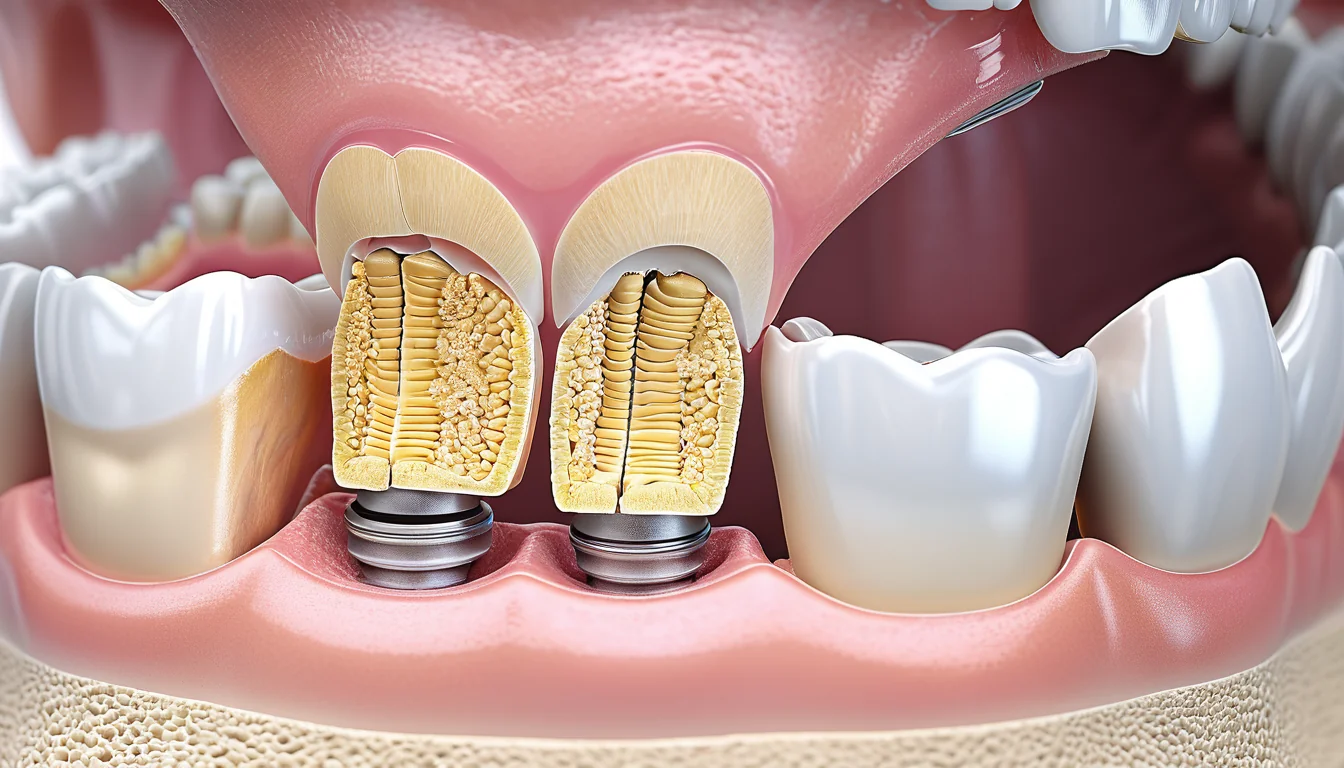
Your oral health affects far more than just your smile — it plays a critical role in your overall well-being. The condition of your mouth, including your teeth, gums, jaw, and surrounding tissues, can signal or even worsen serious health conditions elsewhere in your body. For millions of Canadians, understanding how to care for their mouth is an essential part of staying healthy.
Why Oral Health Matters for Your Whole Body
In fact, common oral health problems like cavities, gum disease symptoms, and dry mouth are among the most widespread chronic conditions in Canada. This guide covers what causes these issues, the warning signs to watch for, and the simple daily steps you can take to protect yourself and your family.
What Is Oral Health and Why Does It Matter?
| Condition | Key Symptoms | Severity Level | Recommended Management |
|---|---|---|---|
| Dental Caries (Tooth Decay) | Tooth sensitivity, visible holes, dark spots, toothache when eating or drinking | Mild to Severe | Dental fillings, crowns, or root canal therapy; fluoride treatments for early stages |
| Gingivitis | Red, swollen, or bleeding gums, especially during brushing or flossing | Mild (reversible) | Professional dental cleaning, improved brushing and flossing routine, antiseptic mouthwash |
| Periodontitis | Receding gums, persistent bad breath, loose teeth, deep gum pockets | Moderate to Severe | Scaling and root planing, antibiotic therapy, possible surgical intervention by a periodontist |
| Oral Thrush (Candidiasis) | White creamy patches on tongue or inner cheeks, soreness, difficulty swallowing | Mild to Moderate | Antifungal medications (e.g., nystatin or fluconazole) prescribed by a dentist or physician |
| Temporomandibular Disorder (TMD) | Jaw pain or clicking, headaches, difficulty chewing, facial muscle tenderness | Mild to Severe | Night guards, physiotherapy, anti-inflammatory medications, stress management techniques |
| Oral Cancer | Persistent sores, red or white patches, unexplained bleeding, difficulty swallowing | Severe (requires urgent care) | Immediate referral to an oral surgeon or oncologist; treatment may include surgery, radiation, or chemotherapy |
Oral health refers to the health of your entire mouth, not just your teeth. This includes your gums, tongue, jaw, and the soft tissues inside your cheeks and throat. Keeping your mouth healthy helps you eat, speak, and feel well.
Poor oral health has been linked to serious conditions like heart disease, diabetes, and respiratory infections. Therefore, taking care of your mouth is an important part of looking after your whole body. The World Health Organization considers oral health a key part of overall health.
The Most Common Oral Health Problems
Most Canadians will experience at least one oral health issue in their lifetime. The good news is that many of these conditions are preventable or treatable. Here are the most common ones to know about.
Cavities (Tooth Decay)
Cavities are one of the most widespread oral health problems in Canada. Bacteria live naturally in your mouth and feed on the sugars in food and drinks. As a result, they produce acids that slowly wear away the hard outer layer of your teeth.
Over time, this leads to small holes in the teeth, known as cavities. If left untreated, cavities can cause pain, infection, and even tooth loss. Brushing twice a day, flossing daily, and cutting back on sugary foods and drinks are the best ways to prevent them.
Gum Disease (Gingivitis and Periodontitis)
Gum disease is an infection of the tissues that hold your teeth in place. It happens when bacteria mix with mucus and food particles to form a sticky layer called plaque on your teeth. If plaque is not removed, it hardens into tartar, which is much harder to clean.
Gingivitis is the mild form of gum disease. Signs include red, swollen gums that bleed when you brush or floss. However, gingivitis is treatable. Daily brushing, flossing, and regular cleanings at your dental office can clear it up.
If gingivitis is not treated, it can progress to periodontitis, a more serious form of gum disease. In periodontitis, the gums pull away from the teeth, infections develop, and teeth may eventually loosen and fall out. This condition requires professional dental treatment.
Your risk of gum disease is higher if you:
- Smoke or use tobacco
- Have diabetes or HIV
- Use certain drugs, including methamphetamine
- Have a weakened immune system
Oral Health Issues You May Not Know About
Beyond cavities and gum disease, several other conditions can affect your oral health. Some are minor, while others need medical attention.
Bad Breath (Halitosis)
Bad breath, also called halitosis, is very common. It can be embarrassing, but in most cases, it is easy to address. Common causes include:
- Poor oral hygiene
- Certain foods like garlic or onions
- Dentures that are not cleaned properly
- Gum disease or dry mouth
- Smoking or chewing tobacco
- Digestive or respiratory conditions
- Some medications
Brushing your teeth and tongue, flossing, staying hydrated, and avoiding tobacco can all help reduce bad breath. If the problem persists, speak with your dentist or family doctor, as it may point to an underlying condition.
Canker Sores (Mouth Ulcers)
Canker sores are small, painful sores inside the mouth. They appear as white or grey ulcers with a red border. Women tend to get them more often than men, though the exact cause is not fully understood.
Known triggers include stress, fatigue, menstruation, minor injuries inside the mouth, food allergies, celiac disease, and Crohn’s disease. Most canker sores heal on their own within one to three weeks.
To ease discomfort, avoid hot or spicy foods, rinse with a mild salt water or lightly minty mouthwash, and use over-the-counter pain relief if needed. However, if a sore is larger than one centimetre or does not heal within three weeks, see your dentist.
Cold Sores (Herpes Simplex Virus)
Cold sores are caused by the herpes simplex virus type 1. Once you are exposed to this virus, it stays in your body and can reactivate years later. Common triggers include sun exposure, stress, a cold or infection, and hormonal changes.
Cold sores usually appear on or around the lips, sometimes under the nose or on the chin. They are contagious and can spread through close contact. Most cold sores heal within seven to ten days without scarring.
Over-the-counter pain relievers can help with discomfort. Furthermore, if you get cold sores frequently, your doctor may prescribe antiviral medication to shorten healing time and reduce outbreaks.
Dry Mouth (Xerostomia)
Dry mouth happens when your mouth does not produce enough saliva. Saliva is essential — it helps you chew, swallow, speak, and protects your teeth from decay. Without enough of it, your risk of cavities and infection goes up.
Common causes of dry mouth include side effects from medications, certain health conditions, and blocked salivary glands. To relieve dry mouth, try sugar-free candies or gum to stimulate saliva, use artificial saliva products, avoid alcohol and tobacco, and use a humidifier at home.
Burning Mouth Syndrome
Burning mouth syndrome causes a burning or scalding feeling on the tongue, lips, or throughout the mouth. It is most common in women going through menopause. The exact cause is often unknown, which can make it frustrating to treat.
If you experience this sensation regularly, speak with your family doctor or dentist. They can help rule out other causes and suggest ways to manage the discomfort.
Oral Thrush (Oral Candidiasis)
Oral thrush is a fungal infection caused by Candida albicans, a yeast that lives naturally in the mouth. Under normal conditions, your immune system keeps it in check. However, certain factors can cause it to overgrow.
It appears as white or yellowish patches or slightly raised spots in the mouth or throat. Oral thrush is more common in infants, older adults, people with weakened immune systems, and those taking antibiotics or corticosteroids. A dentist or doctor can diagnose and treat it, usually with antifungal medication.
Oral Cancer: Know the Warning Signs
Oral cancer can develop in any part of the mouth or the back of the throat. It is more common after age 40. People who smoke, chew tobacco, or drink heavily are at much higher risk. However, oral cancer can also occur in people who have never smoked.
Early detection greatly improves outcomes. Watch for these warning signs:
- A white, red, or inflamed patch anywhere in the mouth
- A sore that bleeds easily or does not heal
- A lump or thickening in the mouth or throat
- Changes in the colour of mouth tissues
- Difficulty chewing, swallowing, or speaking
- Numbness, pain, or tenderness in the mouth or lips
- Changes in how your teeth fit together
If you notice any of these signs, do not wait. See your dentist or doctor as soon as possible. Health Canada offers guidance on oral cancer risks and prevention.
How to Protect Your Oral Health Every Day
Good oral health habits do not have to be complicated. A simple daily routine goes a long way in preventing most common mouth problems.
Here are the basics every Canadian should follow:
- Brush your teeth at least twice a day with fluoride toothpaste
- Floss once a day to remove plaque between teeth
- Clean your tongue when you brush
- Drink plenty of water, especially fluoridated tap water
- Eat a balanced diet and limit sugary snacks and drinks
- Avoid smoking and tobacco products
- Limit alcohol consumption
- Replace your toothbrush every three to four months
In addition, visiting your dentist regularly — typically twice a year — is essential for catching problems early. Many provincial health plans in Canada offer some dental coverage, particularly for children and lower-income Canadians. Check what your provincial health plan or the Canadian Dental Care Plan covers in your area.
When to See a Doctor or Dentist
Many oral health issues can be managed at home. However, some symptoms need professional attention. See your family doctor, dentist, or visit a walk-in clinic if you notice any of the following:
- A sore or ulcer that does not heal within three weeks
- Persistent bad breath that does not improve with good hygiene
- Gums that bleed regularly or are very swollen
- Tooth pain or sensitivity that lasts more than a couple of days
- White or red patches in your mouth that do not go away
- Difficulty swallowing, chewing, or opening your mouth
- A lump or swelling in your mouth, jaw, or neck
Do not ignore symptoms that feel unusual or persistent. Your dentist and family doctor work together as part of your overall healthcare team. If you do not have a regular dentist, a walk-in dental clinic can help you get started. As always, this article is for general information only — please speak with a qualified healthcare provider for advice about your specific situation.
Frequently Asked Questions About Oral Health
How does oral health affect overall health?
Poor oral health has been linked to serious conditions including heart disease, diabetes, and respiratory infections. Bacteria from gum disease can enter the bloodstream and affect other parts of the body. Maintaining good oral health is an important part of your overall wellbeing.
How often should I visit the dentist for good oral health?
Most dental professionals recommend a check-up and cleaning every six months to maintain good oral health. However, your dentist may suggest more frequent visits if you have gum disease, a history of cavities, or other risk factors. Check if your provincial health plan or the Canadian Dental Care Plan covers routine visits.
What are the early signs of gum disease?
Early gum disease, called gingivitis, often shows up as red, swollen gums that bleed when you brush or floss. You may also notice persistent bad breath. The good news is that gingivitis is reversible with proper brushing, flossing, and a professional dental cleaning.
Can bad breath be a sign of a serious health problem?
In most cases, bad breath is caused by poor oral hygiene, certain foods, or dry mouth. However, persistent bad breath can sometimes point to gum disease, digestive issues, or other underlying health conditions. If good oral hygiene does not help, it is worth discussing with your family doctor or dentist.
Is oral cancer covered under Canadian provincial health plans?
Diagnosis and treatment of oral cancer is generally covered under provincial health insurance plans in Canada, as it is considered a medical condition. However, the dental screenings that may catch it early are not always covered. Talk to your family doctor about whether an oral cancer screening is right for you.
What is the best way to prevent cavities?
According to Health Canada’s guidelines on oral health, this information is supported by current medical research.
For more information, read our guide on extended health benefits in Canada that may cover dental care.
The best way to prevent cavities is to brush twice daily with fluoride toothpaste, floss once a day, and limit sugary foods and drinks. Drinking fluoridated tap water also helps strengthen tooth enamel. Regular dental check-ups allow your dentist to catch early signs of decay before they become serious oral health problems.
Key Takeaways
- Oral health includes your teeth, gums, tongue, jaw, and soft mouth tissues — not just your teeth.
- Cavities and gum disease are the most common oral health problems in Canada, but both are largely preventable.
- Gingivitis is the early, treatable stage of gum disease. Left untreated, it can become serious periodontitis.
- Other conditions like bad breath, canker sores, dry mouth, and cold sores are common and usually manageable at home.
- Oral cancer is serious but treatable when caught early — know the warning signs and act quickly.
- Brush twice daily, floss every day, eat well, avoid tobacco, and see your dentist regularly.
- If you have concerns, speak with your family doctor, dentist, or visit a walk-in clinic — do not wait.
Frequently Asked Questions
What is oral health and why is it important?
Oral health refers to the condition of your teeth, gums, tongue, and mouth overall. It’s important because poor oral health is linked to serious systemic conditions including heart disease, diabetes, and respiratory infections. Maintaining good oral health through brushing, flossing, and regular dental checkups protects both your mouth and your general wellbeing.
What are the most common oral health problems in Canada?
The most common oral health problems Canadians face include tooth decay (cavities), gum disease (gingivitis and periodontitis), tooth sensitivity, bad breath (halitosis), and oral cancer. Tooth decay affects nearly 96% of Canadian adults at some point, making it the most widespread dental condition across all age groups.
What are the symptoms of gum disease?
Common symptoms of gum disease include red, swollen, or bleeding gums, persistent bad breath, receding gums, loose teeth, and pain when chewing. Early-stage gingivitis may cause minimal discomfort, which is why regular dental exams are essential. Left untreated, gum disease can progress to periodontitis and cause permanent tooth loss.
How can I prevent cavities and tooth decay at home?
Prevent cavities by brushing twice daily with fluoride toothpaste, flossing once a day, limiting sugary foods and drinks, drinking fluoridated tap water, and using an antibacterial mouthwash. Dental sealants and professional fluoride treatments, available through your Canadian dentist, provide additional protection especially for children and high-risk adults.
When should I see a dentist for an oral health concern?
See a dentist immediately if you experience severe tooth pain, swollen jaw, bleeding that won’t stop, loose adult teeth, or sores that don’t heal within two weeks. Canadians should also attend routine checkups every six months. Early professional intervention prevents minor issues from becoming costly, painful, or potentially life-threatening conditions.

About the Author
Dr. Linda Chen, RD, PhDDr. Linda Chen is a registered dietitian and PhD in Nutritional Sciences from the University of British Columbia. With expertise in clinical nutrition, sports dietetics, and gut health, she has worked with leading Canadian hospitals and sports organizations. Dr. Chen is a member of Dietitians of Canada and regularly contributes to national nutrition policy discussions.
View all articles →