
Anxiety Disorders: 20 Ways to Manage Stress (Canada)

Share
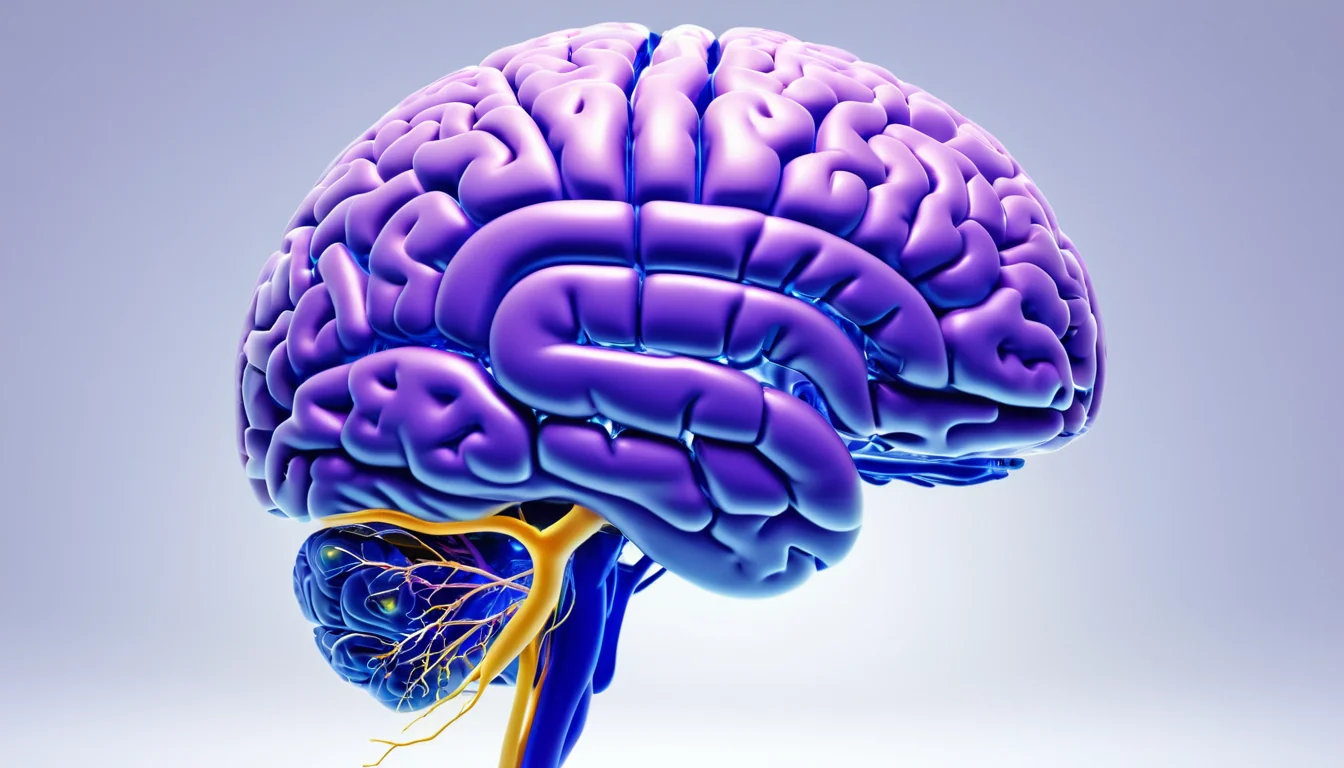
Anxiety disorders affect millions of Canadians every year, making daily life feel overwhelming, exhausting, and difficult to navigate. Whether you experience constant worry, sudden panic, or a lingering sense of dread, understanding your condition is the first step toward feeling better.
20 Proven Ways to Manage Anxiety Disorders and Stress
The good news is that there are effective ways to manage anxiety and stress, from simple lifestyle changes to professional treatments covered under Canadian health plans. This guide explains the causes and symptoms of anxiety, walks you through 20 practical strategies for relief, and helps you know when it is time to speak with your family doctor or a mental health professional.
What Are Anxiety Disorders?
| Type of Anxiety Disorder | Key Characteristics | Prevalence in Canada | Management Approach |
|---|---|---|---|
| Generalized Anxiety Disorder (GAD) | Persistent, excessive worry about everyday situations lasting 6+ months; difficulty controlling worry; physical symptoms such as fatigue and muscle tension | Affects approximately 2–3% of Canadians; more common in women | Cognitive Behavioural Therapy (CBT), mindfulness, stress reduction techniques, and medication such as SSRIs when prescribed by a physician |
| Panic Disorder | Recurrent unexpected panic attacks with intense physical symptoms including racing heart, shortness of breath, and dizziness; persistent fear of future attacks | Affects approximately 1–2% of Canadians; often begins in early adulthood | CBT with exposure therapy, breathing techniques, lifestyle changes, and medications such as SSRIs or benzodiazepines under medical supervision |
| Social Anxiety Disorder | Intense fear of social situations and being judged or embarrassed; avoidance of social interactions that interferes with daily functioning | One of the most common anxiety disorders, affecting roughly 8% of Canadians at some point in their lives | CBT, gradual exposure therapy, social skills training, and SSRIs prescribed through a Canadian healthcare provider |
| Post-Traumatic Stress Disorder (PTSD) | Develops after exposure to traumatic events; symptoms include flashbacks, nightmares, hypervigilance, and emotional numbness lasting more than one month | Affects approximately 9% of Canadians over their lifetime; higher rates among veterans and first responders | Trauma-focused CBT, Eye Movement Desensitization and Reprocessing (EMDR), peer support programs, and medications as directed by a physician |
| Specific Phobias | Marked, persistent fear of a specific object or situation (e.g., heights, needles, animals) that is disproportionate to the actual danger and causes significant distress | Affects approximately 7–9% of Canadians; most common anxiety-related condition overall | Exposure-based CBT, systematic desensitization, relaxation strategies, and self-help resources available through provincial mental health programs |
Think of your mind like a garden. If you ignore the weeds, they take over. But if you tend to it with care, it can flourish. Anxiety disorders are what happen when worry, fear, and stress grow out of control.
Anxiety is more than just everyday stress. It is a recognized mental health condition that can affect your thoughts, your body, and your behaviour. According to Health Canada, mental health conditions like anxiety are among the most common health challenges Canadians face.
Common Causes of Anxiety Disorders
Anxiety can have many different causes. Sometimes it comes from a mental health condition. Other times, a physical illness or medication can trigger it. Often, it is a mix of both.
Your doctor’s first job is to figure out what is driving your anxiety. This matters because treatment depends on the cause.
Medical Causes of Anxiety
Several medical conditions can cause or worsen anxiety. These include:
- Panic disorder — causes sudden surges of intense fear, heart palpitations, dizziness, and a feeling of suffocation
- Generalized anxiety disorder (GAD) — constant, hard-to-control worry about everyday things
- Phobias — intense fear of specific objects or situations
- Post-traumatic stress disorder (PTSD) — anxiety triggered by a past trauma
- Overactive thyroid — can mimic anxiety symptoms
- Heart arrhythmias — irregular heartbeat that can feel like a panic attack
- Low blood sugar (hypoglycaemia) — can cause shakiness and fear
Interestingly, one study found that nearly 43% of patients who came in with chest pain — suspected to be heart-related — were actually experiencing panic attacks. This shows how important a proper diagnosis is.
External Triggers and Life Stressors
Life events can also trigger anxiety disorders. Common external causes include:
- Work-related stress or job loss
- Financial pressure
- Relationship difficulties, including marriage problems
- Grief or the loss of a loved one
- School stress, especially for students
- A serious illness or injury
- Side effects from certain medications
- Use of stimulants like energy drinks or caffeine in large amounts
- Illicit drug use
- Low oxygen levels from conditions like emphysema or pulmonary embolism
How Are Anxiety Disorders Diagnosed?
A psychiatrist, clinical psychologist, or your family doctor can diagnose anxiety. They will take a full medical history, do a physical exam, and may order blood tests. There is no single lab test for anxiety. However, tests help rule out physical causes.
To be diagnosed with generalized anxiety disorder, a person typically must show the following for at least six months:
- Excessive worry about events or activities that is hard to control
- At least three of these symptoms: fatigue, restlessness, irritability, muscle tension, sleep problems, or difficulty concentrating
If you are unsure where to start, your family doctor or a walk-in clinic can refer you to the right specialist. Many provincial health plans in Canada cover visits to psychiatrists with a referral.
Recognizing Depression and Stress Symptoms
Anxiety often goes hand-in-hand with depression and stress. Knowing the signs can help you seek help sooner. According to the World Health Organization, depression is one of the leading causes of disability worldwide.
Signs You May Be Experiencing Depression
Depression is more than feeling sad for a few days. Look out for these signs:
- Sleeping too much or not enough
- Difficulty concentrating on tasks that used to feel easy
- Feeling hopeless or helpless
- Unable to stop negative thoughts
- Loss of appetite or overeating
- Feeling more irritable or aggressive than usual
- Drinking more alcohol or engaging in risky behaviour
- Thoughts that life is not worth living — if you experience this, seek help immediately
How Stress Shows Up in Your Body
Stress affects everyone differently. However, common physical symptoms include muscle tension, headaches, sleep problems, stomach issues, and fatigue. Emotional symptoms may include nervousness, mood swings, loss of energy, and changes in eating habits.
Under stress, many people turn to unhealthy coping habits — like drinking, smoking, or skipping exercise. These habits make stress worse over time. They create a cycle that is hard to break without support.
20 Ways to Manage Anxiety Disorders and Stress
The good news is that anxiety disorders are very treatable. Many people see significant improvement with the right tools and support. Here are 20 evidence-based strategies to help you take back control.
Lifestyle and Daily Habits
- 1. Exercise regularly. Even a 30-minute walk can lower anxiety. Physical activity releases mood-boosting chemicals in your brain.
- 2. Prioritize sleep. Aim for 7 to 9 hours a night. Poor sleep makes anxiety and stress much worse.
- 3. Limit caffeine and alcohol. Both can trigger or worsen anxiety symptoms. Try cutting back gradually.
- 4. Eat a balanced diet. A diet rich in fibre, vegetables, and whole grains supports both your brain and body.
- 5. Reduce screen time. Too much news or social media can fuel anxiety. Set daily limits on your devices.
Mind and Mental Health Practices
- 6. Try deep breathing. Slow, deep breaths activate your body’s calming response. Even five minutes a day helps.
- 7. Practice mindfulness or meditation. Mindfulness teaches you to observe anxious thoughts without reacting to them.
- 8. Challenge negative thoughts. Ask yourself: is this thought based on facts or fear? Cognitive techniques can help reframe thinking.
- 9. Keep a worry journal. Write down your anxious thoughts. This helps you process them rather than replay them.
- 10. Focus on what you can control. Let go of things outside your control. Direct your energy to what you can actually change.
Social and Emotional Support
- 11. Talk to someone you trust. Sharing your feelings with a friend or family member reduces the weight of anxiety.
- 12. Join a support group. Many communities across Canada offer free or low-cost mental health support groups.
- 13. Set healthy boundaries. Learn to say no. Overcommitting leads to burnout and more stress.
- 14. Spend time in nature. Research shows that time outdoors lowers cortisol, the body’s stress hormone.
- 15. Volunteer or help others. Focusing outward can shift your mindset and reduce self-directed anxiety.
Professional and Medical Strategies
- 16. Seek therapy (CBT). Cognitive behavioural therapy is one of the most effective treatments for anxiety disorders. Ask your doctor for a referral.
- 17. Consider medication if needed. Your doctor may recommend medication. This is a valid and often effective part of treatment.
- 18. Explore relaxation techniques. Progressive muscle relaxation and guided imagery can calm your nervous system.
- 19. Use a structured routine. A consistent daily schedule reduces uncertainty, which is a major anxiety trigger.
- 20. Learn about your anxiety. Understanding what triggers your anxiety is a powerful first step. Knowledge reduces fear.
For a deeper look at evidence-based approaches, Mayo Clinic’s anxiety treatment guide offers excellent resources.
When to See a Doctor
You should not have to manage anxiety disorders alone. If your symptoms are affecting your work, relationships, or daily life, it is time to get professional support.
Start by booking an appointment with your family doctor. If you do not have one, a walk-in clinic can help. Your doctor can assess your symptoms, rule out medical causes, and refer you to a mental health specialist. Most provincial health plans in Canada cover mental health services, including psychiatry with a referral.
If you are having thoughts of harming yourself, please call or text 9-8-8, Canada’s Suicide Crisis Helpline, available 24 hours a day, 7 days a week.
Frequently Asked Questions About Anxiety Disorders
What are the most common symptoms of anxiety disorders?
Common symptoms of anxiety disorders include excessive worry, restlessness, muscle tension, trouble sleeping, and difficulty concentrating. Physical symptoms like a racing heart, shortness of breath, and dizziness are also common. If these symptoms last more than six months and disrupt your daily life, speak with your doctor.
Can anxiety disorders be cured?
Anxiety disorders are highly treatable, though the word “cured” depends on the individual. Many people manage their anxiety very well with therapy, lifestyle changes, and sometimes medication. With the right support, most people lead full, healthy lives.
What is the difference between a panic attack and an anxiety disorder?
A panic attack is a sudden, intense episode of fear that causes physical symptoms like chest pain, dizziness, and shortness of breath. An anxiety disorder is an ongoing condition where anxiety regularly interferes with your life. Panic attacks can be part of an anxiety disorder, but not always.
How do I know if I have anxiety or just everyday stress?
Everyday stress is usually tied to a specific situation and fades once the situation resolves. Anxiety disorders involve worry that feels constant, hard to control, and out of proportion to the actual situation. If your worry lasts for weeks or months, it is worth talking to a healthcare professional.
Is therapy or medication better for anxiety disorders?
Both therapy and medication are effective for treating anxiety disorders, and many people benefit from a combination of both. Cognitive behavioural therapy (CBT) is considered one of the most effective forms of therapy. Your family doctor can help you decide what approach is right for your situation.
Are anxiety disorders covered by Canadian provincial health plans?
In Canada, visits to a psychiatrist are generally covered by provincial health plans when referred by a family doctor. However, coverage for psychologists and therapists varies by province. Check with your provincial health authority or employer benefits plan to understand what mental health services are available to you.
Key Takeaways
- Anxiety disorders are common, real, and very treatable conditions that affect Canadians of all ages.
- Anxiety can have both medical and lifestyle causes — a proper diagnosis from your doctor is the first step.
- Depression and stress often occur alongside anxiety, and their symptoms can overlap.
- Lifestyle changes like exercise, sleep, and healthy eating make a meaningful difference.
- Cognitive behavioural therapy (CBT) is one of the most effective treatments available.
- Your family doctor, a walk-in clinic, or a mental health centre can connect you to the right support.
- If you are in crisis, call or text 9-8-8 anytime, day or night.
According to Health Canada’s mental health resources, this information is supported by current medical research.
For more information, read our guide on how brain structures influence mental health in Canada.
This article is for informational purposes only and does not replace professional medical advice. Please consult your family doctor or a qualified healthcare provider to discuss your symptoms and treatment options.
Frequently Asked Questions
What are anxiety disorders?
Anxiety disorders are mental health conditions characterized by excessive, persistent fear or worry that interferes with daily life. They include generalized anxiety disorder, panic disorder, social anxiety disorder, and phobias. In Canada, anxiety disorders affect approximately 1 in 4 people at some point in their lifetime, making them the most common mental health conditions.
What are the most common symptoms of anxiety disorders?
Common symptoms include persistent worry, restlessness, racing heart, shortness of breath, muscle tension, sweating, difficulty concentrating, and sleep disturbances. Physical symptoms are often mistaken for medical conditions. Emotional symptoms include excessive fear, irritability, and feeling a sense of impending doom that seems disproportionate to actual circumstances.
How are anxiety disorders treated in Canada?
Anxiety disorders are treated through cognitive behavioural therapy (CBT), medication such as SSRIs or SNRIs, or a combination of both. Lifestyle strategies including regular exercise, mindfulness, limiting caffeine, and stress management also help significantly. Treatment is widely available through family doctors, psychologists, and provincial mental health programs across Canada.
Can anxiety disorders be prevented or managed without medication?
While anxiety disorders cannot always be fully prevented, symptoms can be significantly reduced without medication. Effective strategies include regular physical activity, deep breathing exercises, maintaining consistent sleep schedules, limiting alcohol and caffeine, building strong social connections, and practising mindfulness. Therapy, especially CBT, is highly effective as a non-medication treatment option.
When should you see a doctor for anxiety disorders?
See a doctor if anxiety persists for six months or more, significantly disrupts work, relationships, or daily activities, or causes physical symptoms like chest pain or dizziness. You should also seek immediate help if you experience thoughts of self-harm. Canadian family doctors can provide referrals to mental health professionals and discuss appropriate treatment plans.

About the Author
Dr. Michael Ross, MD, FRCSCDr. Michael Ross is a fellowship-trained orthopedic surgeon at the University of Alberta Hospital, specializing in joint replacement and sports medicine. A Fellow of the Royal College of Surgeons of Canada (FRCSC), he has over 18 years of surgical experience and has authored multiple textbook chapters on musculoskeletal health. Dr. Ross is passionate about patient education and evidence-based medicine.
View all articles →

