PTSD Symptoms: Causes & Treatment in Canada (2025)

Share
PTSD symptoms can develop after a person experiences or witnesses a deeply traumatic event, and they affect thousands of Canadians of all ages and backgrounds every year. Post-traumatic stress disorder, commonly known as PTSD, is a serious mental health condition that can significantly disrupt daily life when left unaddressed.
Recognizing Common PTSD Symptoms in Canadians
Understanding the signs of PTSD early is essential for getting timely help through Canada’s healthcare system. This comprehensive guide explains what causes PTSD, how to recognize its symptoms, who is most at risk, and what effective treatment options are available to Canadians, including psychotherapy and medication covered under provincial health plans.
What Is PTSD?
| PTSD Symptom Cluster | Common Examples | Description | Severity |
|---|---|---|---|
| Intrusion Symptoms | Flashbacks, nightmares, intrusive memories | Unwanted re-experiencing of the traumatic event, often feeling as though the trauma is happening again in the present moment | Moderate to Severe |
| Avoidance | Avoiding people, places, thoughts, or feelings related to trauma | Deliberate efforts to stay away from trauma-related reminders, which can significantly limit daily functioning and social engagement | Moderate to Severe |
| Negative Alterations in Cognition and Mood | Persistent guilt, shame, emotional numbness, memory gaps | Distorted negative beliefs about oneself or the world, persistent negative emotions, and difficulty experiencing positive feelings | Moderate to Severe |
| Hyperarousal and Reactivity | Hypervigilance, exaggerated startle response, sleep disturbances, irritability | A state of heightened alertness and physiological activation that can cause difficulty concentrating, sleeping, and regulating emotional responses | Moderate to Severe |
| Dissociative Symptoms | Depersonalization, derealization, emotional detachment | Feeling detached from one’s own body or surroundings; present in a PTSD subtype recognized in the DSM-5 and commonly assessed by Canadian clinicians | Severe |
PTSD develops when a person is exposed to an extreme stressor — such as a serious accident, physical or sexual assault, the sudden death of a loved one, or a natural disaster. The condition is diagnosed when symptoms last for at least one month and significantly interfere with daily life.
It is important to understand that PTSD is not a sign of weakness. It is a recognised medical condition that responds well to treatment. Health Canada acknowledges PTSD as a major public health concern affecting thousands of Canadians every year.
What Causes PTSD?
Doctors do not fully understand why some people develop PTSD after trauma while others do not. However, research points to several contributing factors.
- The number and severity of traumatic events a person has experienced over their lifetime
- A personal or family history of anxiety or depression
- Individual temperament and personality traits
- How the brain manages stress hormones and chemicals like cortisol and adrenaline
In addition, people who lack strong social support after a traumatic event may face a higher risk. Early intervention often makes a significant difference in outcomes.
Who Is Most at Risk?
PTSD can affect anyone, but certain groups face higher exposure to trauma. These include first responders, military veterans, survivors of abuse, and people who have experienced serious accidents or violent crimes. However, it is worth noting that most people who go through trauma do not develop long-term PTSD.
Common PTSD Symptoms
PTSD symptoms can vary widely from person to person. They may appear within one month of a traumatic event, or they may not surface until several years later. Symptoms often cause serious problems at work, in relationships, and in everyday life.
According to the Mayo Clinic’s guide to PTSD symptoms, the condition generally falls into four main categories.
Re-experiencing the Trauma
A person with PTSD may relive the traumatic event through flashbacks, vivid nightmares, or intrusive memories. These episodes can feel very real and frightening. Certain sights, sounds, or smells may trigger these reactions unexpectedly.
Avoidance Behaviours
Many people with PTSD try to avoid anything that reminds them of the trauma. This includes avoiding certain places, activities, conversations, or even specific people. Over time, this avoidance can lead to significant social isolation.
Negative Changes in Mood and Thinking
PTSD can cause persistent feelings of hopelessness, emotional numbness, or detachment from loved ones. A person may lose interest in activities they once enjoyed. Feelings of guilt or shame are also very common, particularly in survivors of abuse or assault.
Changes in Physical and Emotional Reactions
People with PTSD are often easily startled or feel constantly on edge. They may experience difficulty sleeping, trouble concentrating, irritability, or angry outbursts. These symptoms can make it very hard to function at work or in social settings.
PTSD Symptoms in Young Children
Children under the age of six or seven may show PTSD differently than adults. Watch for re-enactment of traumatic scenes through play or drawings, spontaneous nightmares, and overwhelming feelings of guilt or shame. If you notice these signs in your child, speak with your family doctor as soon as possible.
PTSD Treatment Options in Canada
The good news is that PTSD responds well to treatment. Most people who receive proper care recover fully. Treatment usually works best when it combines psychotherapy and medication, though the right approach depends on the individual.
In Canada, treatment is available through your family doctor, a referral to a psychiatrist or psychologist, or through provincial mental health programmes. Many provinces also offer walk-in mental health clinics and community-based support services.
Psychotherapy for PTSD
Psychotherapy is often the first line of treatment, especially for mild to moderate PTSD. It is also recommended when medication is not suitable — for example, during pregnancy or when a patient prefers not to take medication.
Several types of therapy have proven effective for PTSD:
- Cognitive Behavioural Therapy (CBT): Helps a person identify and change negative thought patterns about the traumatic event and its consequences.
- Exposure Therapy: Gradually and safely exposes a person to memories and situations related to the trauma, helping to reduce fear and avoidance over time.
- Anxiety Management: Teaches practical coping strategies to manage stress responses in daily life.
Therapy can be delivered one-on-one or in a group setting. Group therapy can be especially helpful because it connects people with others who have had similar experiences. Furthermore, both formats have shown strong results in clinical studies.
Medication for PTSD
A psychiatrist may prescribe medication to help manage PTSD symptoms. Common options include the following:
- Antidepressants: These are often the first medication prescribed. They help reduce depression, anxiety, and sleep problems. Selective serotonin reuptake inhibitors (SSRIs) are frequently used.
- Anti-anxiety medications: These can help with severe anxiety symptoms. However, some types — such as benzodiazepines — carry a risk of dependence and are generally used for short periods only.
It is essential that you never take prescription medications without guidance from a licensed healthcare provider. The right medication and dose depend on your specific situation. As a result, always follow your doctor’s recommendations closely.
Treatment benefits may take some time to appear. However, with patience and the right support, the majority of people with PTSD improve significantly.
Prevention and Coping Strategies
While it is not always possible to prevent PTSD, there are steps that can reduce the risk of developing the condition after a traumatic event. Getting timely support is one of the most important things a person can do.
According to the World Health Organization’s fact sheet on PTSD, early psychological support after trauma can prevent normal stress reactions from becoming a long-term disorder.
The following strategies can support recovery and reduce risk:
- Talk to a trusted friend, family member, or mental health professional about what happened
- Stay connected with supportive people and avoid isolating yourself
- Maintain a regular routine with adequate sleep and a balanced diet
- Avoid alcohol, cannabis, and other substances, which can worsen anxiety and mood
- Limit caffeine and nicotine, as both can increase feelings of anxiety
- Engage in gentle physical activity, which helps regulate stress hormones
- Seek professional help early if symptoms begin to appear
Family and friends play a vital role in recovery. Listening without judgement, offering practical support, and encouraging the person to seek professional help can all make a meaningful difference.
When to See a Doctor
If you or someone you care about has experienced a traumatic event and is struggling with any of the symptoms described above, it is important to reach out for help. You do not need to wait until symptoms become severe.
Start by speaking with your family doctor. They can assess your symptoms, provide an initial diagnosis, and refer you to a mental health specialist such as a psychologist or psychiatrist. If you do not have a family doctor, a walk-in clinic can be a good first step. Many provinces also offer dedicated mental health crisis lines available around the clock.
In Ontario, you can contact the Good 2 Talk line or the Distress Centres of Greater Toronto. Most provinces have similar resources. Your provincial health plan covers many mental health services, so ask your doctor what is available in your area.
If you or someone else is in immediate danger, call 9-1-1 or go to your nearest emergency department right away. Early help leads to better outcomes — please do not wait.
What are the main symptoms of PTSD?
The main symptoms of PTSD include flashbacks, nightmares, severe anxiety, emotional numbness, and avoidance of reminders of the traumatic event. People with PTSD may also experience irritability, sleep problems, and difficulty concentrating. Symptoms can appear within a month of the trauma or sometimes years later.
How is PTSD treated in Canada?
In Canada, PTSD is treated through a combination of psychotherapy and medication, depending on the individual’s needs. Cognitive Behavioural Therapy (CBT) and exposure therapy are among the most effective approaches. You can access treatment through your family doctor, a referral to a psychiatrist, or provincial mental health programmes.
Can PTSD go away on its own without treatment?
Some people do recover from PTSD without formal treatment, especially with strong social support and healthy coping habits. However, for many people, PTSD symptoms persist or worsen without professional help. Seeking early treatment significantly improves the chances of a full recovery.
What triggers PTSD episodes?
PTSD episodes are often triggered by sights, sounds, smells, or situations that remind a person of the original traumatic event. For example, a car accident survivor might feel intense anxiety when hearing screeching tyres. Learning to identify and manage these triggers is an important part of PTSD treatment.
How do I know if I have PTSD or just stress?
Normal stress after a traumatic event usually fades within a few days or weeks. PTSD is diagnosed when symptoms last longer than one month and significantly interfere with daily life, relationships, or work. If you are unsure, speak with your family doctor or visit a walk-in clinic for a proper assessment.
Does PTSD affect children differently than adults?
According to Health Canada’s mental health resources, this information is supported by current medical research.
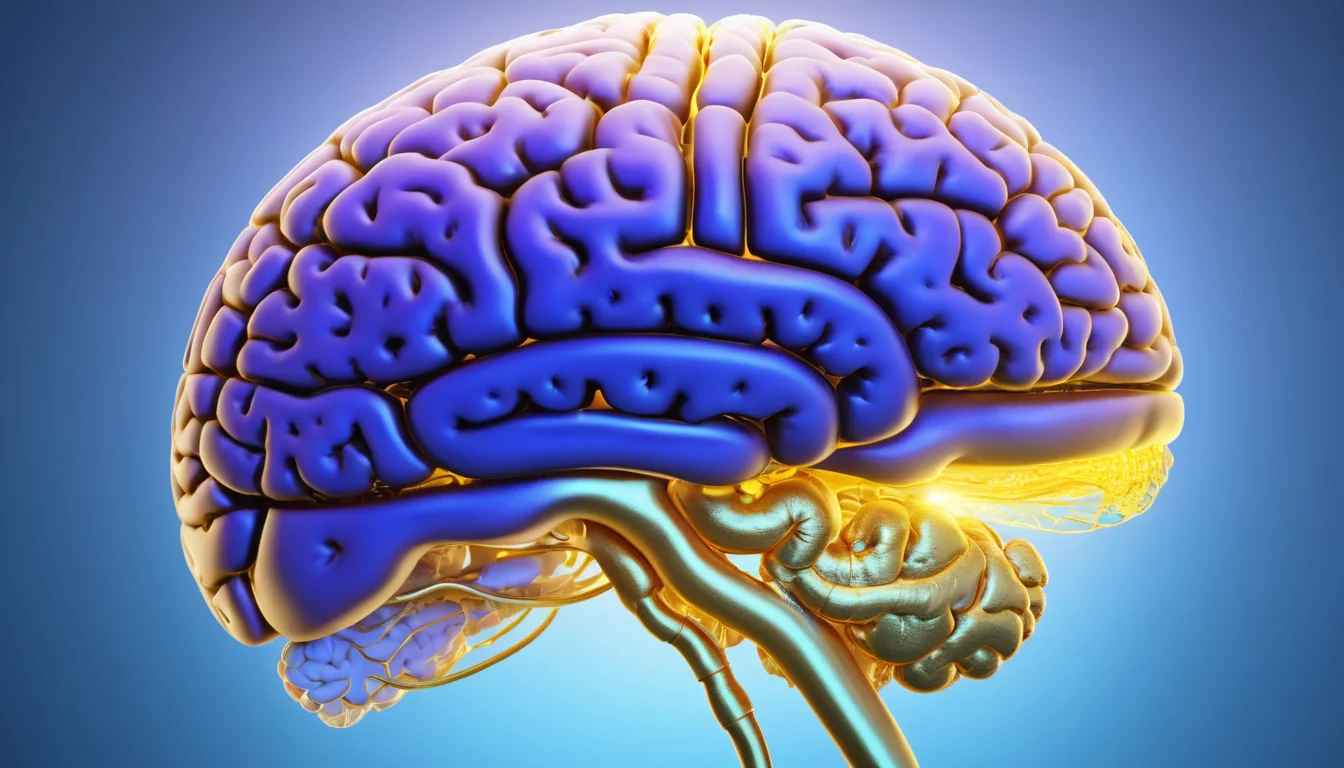
For more information, read our guide on how brain structures relate to trauma and mental health.
Yes, PTSD can look quite different in young children. Instead of flashbacks, children under seven may re-enact traumatic scenes through play or drawings and experience spontaneous nightmares. They may also show intense feelings of guilt or shame that seem out of place for their age.
Key Takeaways
- PTSD is a recognised mental health condition that can develop after experiencing or witnessing a traumatic event.
- Symptoms include flashbacks, avoidance behaviours, emotional numbness, sleep problems, and anxiety.
- PTSD can affect anyone, including children, and symptoms may appear months or even years after the trauma.
- Effective treatment combines psychotherapy — such as CBT and exposure therapy — with medication when needed.
- Most people with PTSD recover fully with the right support and treatment.
- Early help is key. Talk to your family doctor, visit a walk-in clinic, or contact a provincial mental health line if you need support.
- Always consult a qualified healthcare professional before starting any treatment for PTSD.
Frequently Asked Questions
What is PTSD?
PTSD (Post-Traumatic Stress Disorder) is a mental health condition triggered by experiencing or witnessing a traumatic event. It causes persistent psychological distress that interferes with daily functioning. In Canada, approximately 9% of people will develop PTSD in their lifetime, affecting veterans, first responders, assault survivors, and others exposed to trauma.
What are the main PTSD symptoms in adults?
Common PTSD symptoms include intrusive flashbacks, nightmares, and severe anxiety about the traumatic event. People may avoid trauma-related triggers, experience emotional numbness, hypervigilance, sleep disturbances, irritability, and difficulty concentrating. Symptoms typically persist for more than one month and significantly impact relationships, work, and overall quality of life.
How are PTSD symptoms treated in Canada?
PTSD treatment in Canada includes Cognitive Behavioural Therapy (CBT), Prolonged Exposure therapy, and EMDR (Eye Movement Desensitization and Reprocessing). Medications like SSRIs may also be prescribed. Canadians can access care through provincial health plans, Veterans Affairs Canada, or organizations like the Canadian Mental Health Association.
Can PTSD be prevented after a traumatic event?
PTSD cannot always be prevented, but early intervention significantly reduces risk. Seeking social support, accessing trauma-informed counselling promptly after an event, and practicing healthy coping strategies like mindfulness can help. Canadian programs such as crisis debriefing and community mental health services offer early support to reduce long-term PTSD development.
When should you see a doctor for PTSD symptoms?
See a doctor if PTSD symptoms persist longer than four weeks, worsen over time, or interfere with daily functioning, relationships, or work. Seek immediate help if you experience thoughts of self-harm or suicide. Canadian residents can contact their family physician, a walk-in clinic, or crisis lines like Crisis Services Canada at 1-833-456-4566.

About the Author
Dr. Michael Ross, MD, FRCSCDr. Michael Ross is a fellowship-trained orthopedic surgeon at the University of Alberta Hospital, specializing in joint replacement and sports medicine. A Fellow of the Royal College of Surgeons of Canada (FRCSC), he has over 18 years of surgical experience and has authored multiple textbook chapters on musculoskeletal health. Dr. Ross is passionate about patient education and evidence-based medicine.
View all articles →