Fear and Anxiety: What Your Body Is Telling You (2025)

Share
Fear and anxiety are two of the most powerful emotions humans experience, yet many Canadians struggle to tell them apart. Fear is your body’s built-in alarm system — it activates instantly when you face danger and helps keep you safe. But when that alarm keeps sounding without a clear threat, it can evolve into something more persistent and harder to shake.
How to Manage Fear and Anxiety Effectively
Understanding the difference between fear and anxiety is the first step toward regaining control of your mental health. Anxiety affects millions of Canadians each year, making it one of the most common mental health concerns across the country. In this article, you will learn how the fight or flight response works, what triggers anxiety, and practical evidence-based strategies to manage both so you can feel calmer and more in control of your daily life.
What Is Fear?
| Symptom | Description | Severity Level | When to Seek Help |
|---|---|---|---|
| Rapid heartbeat (palpitations) | The heart beats faster or irregularly as adrenaline is released during the body’s fight-or-flight response | Mild to Moderate | Seek care if chest pain accompanies palpitations or they occur without a clear trigger |
| Shortness of breath | Breathing becomes shallow or rapid; some people feel they cannot get enough air, even when physically at rest | Mild to Severe | Contact a healthcare provider if breathing difficulties are persistent or worsen over time |
| Muscle tension and headaches | Chronic stress from fear and anxiety causes muscles to remain contracted, leading to pain in the neck, shoulders, and head | Mild to Moderate | Consult a doctor if tension headaches occur daily or interfere with work and daily activities |
| Gastrointestinal upset | Nausea, stomach cramps, diarrhea, or loss of appetite caused by the gut-brain connection responding to stress signals | Mild to Moderate | See a physician if symptoms persist beyond two weeks or are accompanied by significant weight loss |
| Sleep disturbances | Difficulty falling or staying asleep due to racing thoughts, hypervigilance, or an overactive nervous system | Moderate to Severe | Speak with a healthcare provider if poor sleep lasts more than a month or impairs daily functioning |
| Persistent worry and irritability | Uncontrollable, excessive worry about everyday situations, often accompanied by mood changes and difficulty concentrating | Moderate to Severe | Reach out to a mental health professional or call Canada’s mental health helpline (1-833-456-4566) if worry is constant |
Fear is an emotion triggered by a real or perceived danger. Interestingly, we often don’t realize how frightened we were until after the threat has passed. Fear has a universal facial expression — eyes and mouth open wide, eyebrows raised high.
Fear is not just in your head. It causes very real physical changes throughout your body. These changes are driven by your sympathetic nervous system and two key chemicals: adrenaline and noradrenaline.
What Happens in Your Body When You Feel Fear
When fear kicks in, your heart rate speeds up and your breathing quickens. Your muscles tighten, your hands may tremble and feel cold, and you may get goosebumps. These reactions exist for a reason — they prepare your body to either run from danger or stay and face it.
Fear can also freeze you in place. Your behaviour in a fearful moment depends on the situation and your own temperament. Sometimes fear gives you a burst of courage. Other times, it stops you completely.
Fear and Anxiety: Understanding the Key Differences
Many people use the words fear and anxiety interchangeably. However, they are not the same thing. Knowing the difference can help you understand what you are experiencing and how to respond.
Fear is a reaction to a real, present danger. Anxiety is the anticipation of a danger that may or may not happen. For example, being startled by a car nearly hitting you is fear. Worrying for weeks that you might get into a car accident is anxiety.
Key Differences at a Glance
- Duration: Fear is short-lived. Anxiety can become chronic and ongoing.
- Cause: Fear has a clear, identifiable source. Anxiety often does not.
- Symptoms: Fear is mostly physical — racing heart, shaking. Anxiety is mostly psychological — worry, restlessness, unease.
- Where it leads: Unmanaged fear can develop into a phobia (an intense, uncontrollable fear in specific situations). Unmanaged anxiety can develop into generalized anxiety disorder (constant, uncontrollable worry in daily life).
According to the World Health Organization, anxiety disorders are among the most common mental health conditions worldwide. In Canada, they affect roughly one in four people at some point in their lives.
The Most Common Fears in Adults
Some fears appear in nearly every culture and throughout history. Researchers call these universal fears. They likely developed because our ancestors faced these dangers every day.
The most common fears among adults include:
- Fear of animals (insects, mice, snakes)
- Fear of heights (balconies, steep roads, scaffolding)
- Fear of blood (needles, infections, seeing blood)
- Fear of enclosed spaces (elevators, locked rooms, windowless spaces)
- Fear of water (swimming in deep water, submerging the head)
- Fear of storms (thunder, lightning)
It is worth noting that most of these fears relate to things that genuinely threatened our ancestors. Therefore, experiencing one of these fears does not mean something is wrong with you.
What Happens in the Brain During Fear
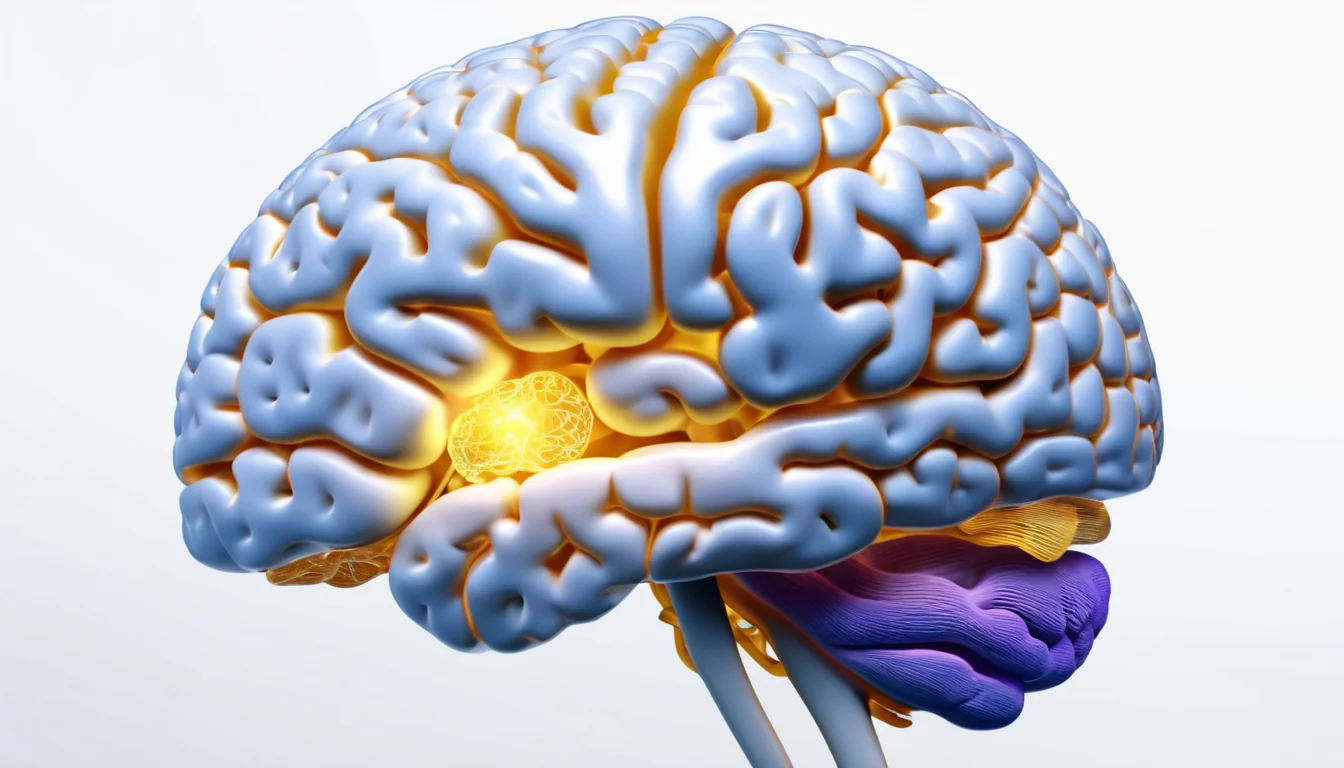
Scientists have studied fear and anxiety extensively. Neurobiologists have identified the temporal lobe as a key coordination centre for fear responses. In research studies, removing the temporal lobes in animals caused almost all fear reactions to disappear.
Furthermore, researchers pinpointed a specific structure inside the temporal lobe: the amygdala. The amygdala acts like a smoke detector for your brain. It scans for threats and triggers your fear response.
Why Some People Feel Fear More Intensely
When the amygdala is stimulated in animals, it causes exaggerated fear reactions. As a result, researchers believe that people who are extremely sensitive to fear may have a more easily activated amygdala. This is not a personal failing — it is biology.
People with a highly reactive amygdala often show other biological signs too. These can include a higher resting heart rate that does not change much depending on circumstances. Children who are hypersensitive in their first three years of life are more likely to become anxious adults. However, this is not a fixed outcome — early support makes a real difference.
You can read more about how the brain processes emotions at Mayo Clinic’s overview of anxiety.
Where Do Our Fears Come From?
Some fears are learned. Others may be built into us from birth. Understanding where your fear comes from can help you manage it more effectively.
Evolutionary psychologists suggest that natural selection may have shaped which fears we carry. The most persistent fears tend to involve things that were genuinely dangerous to our ancestors — animals, darkness, heights, and water.
Three Ways We Learn Fear Through Experience
- A single traumatic event — for example, being in a car accident.
- Repeated small stressful experiences — for example, several turbulent flights that never resulted in a crash but built up anxiety about flying over time.
- Retroactive fear — realizing after the fact that you were in danger, even though you did not feel it at the time.
In addition, children often learn fear by watching adults close to them. If a child regularly sees a trusted adult react with strong fear to something specific, they are likely to develop that same fear. This is a normal part of childhood development.
Some temperaments are simply more prone to fear. This is not a weakness — it is part of human diversity.
How to Manage Fear and Anxiety
Managing fear and anxiety does not mean eliminating them completely. In fact, some fear is healthy and protective. The goal is to reduce the intensity so that fear no longer controls your choices or limits your daily life.
1. Accept Your Fear
There is no shame in feeling afraid. Fear within normal limits is a healthy warning signal. Do not try to suppress it entirely. Instead, try to reduce its intensity until it becomes manageable and no longer interferes with your everyday life.
2. Build Your Sense of Control
Fear often grows when we feel out of control. One of the most effective ways to reduce fear is to learn more about what frightens you. Knowledge reduces the unknown, and the unknown is often where fear grows strongest.
Learning a relaxation technique is also very helpful. Deep breathing, progressive muscle relaxation, and mindfulness are all evidence-based tools. You can use them the moment you notice fear or anxiety rising. Healthline offers practical tips for coping with anxiety that are a good starting point.
3. Face Your Fears Gradually
Avoiding what you fear can make the fear stronger over time. One of the most effective approaches — used widely in cognitive behavioural therapy — is gradual exposure. This means facing your fear in small, manageable steps.
For example, if you fear animals, you might start by looking at photographs. Then you could watch a video. Later, you might visit a farm or animal sanctuary. This step-by-step approach must always be on your own terms and at your own pace. Confrontation is only helpful when you choose it and feel ready for it.
It is important that each exposure is long enough for your anxiety to naturally decrease before you stop. Leaving too soon can reinforce the fear rather than reduce it.
When to See a Doctor
If fear or anxiety is affecting your sleep, relationships, work, or daily activities, it is time to reach out for support. You do not have to manage this alone. In Canada, you can start by speaking with your family doctor or visiting a walk-in clinic. Most provincial health plans cover visits to a general practitioner for mental health concerns.
Your doctor can refer you to a psychologist, therapist, or psychiatrist through your provincial health system. Many Canadians also access mental health support through their employer’s Employee Assistance Programme (EAP), which is often free. If you are in crisis, contact the Canada Suicide Crisis Helpline by calling or texting 988, available 24 hours a day.
Always speak with a qualified healthcare provider before starting any treatment for fear, anxiety, or phobias. A professional can help you find the right approach for your specific situation.
Frequently Asked Questions About Fear and Anxiety
What is the difference between fear and anxiety?
Fear is a response to a real, present danger, while anxiety is worry about something that might happen in the future. Fear and anxiety share some physical symptoms, but anxiety tends to last longer and does not always have a clear cause. If anxiety persists for weeks or months, it may be worth speaking with your family doctor.
Can fear and anxiety be cured?
Fear and anxiety cannot always be “cured” in the traditional sense, but they can be managed very effectively with the right support. Cognitive behavioural therapy (CBT), relaxation techniques, and in some cases medication can significantly reduce symptoms. Many Canadians find that working with a therapist through their provincial health plan makes a lasting difference.
What part of the brain controls fear?
The amygdala, a small structure inside the temporal lobe of the brain, is the main centre for processing fear. It acts like an alarm system, detecting potential threats and triggering your body’s fear response. People with a highly reactive amygdala may experience fear and anxiety more intensely than others.
What are the most common fears in adults?
The most common fears in adults include fear of animals (particularly insects and snakes), heights, blood or needles, enclosed spaces, water, and storms. These fears appear across cultures and throughout history, which suggests they may be linked to dangers our ancestors faced. Most common fears can be managed with gradual exposure and professional support if needed.
How do I stop fear and anxiety from controlling my life?
The most effective strategies include accepting your fear rather than fighting it, learning relaxation techniques like deep breathing, and gradually facing what frightens you in a safe and controlled way. Building knowledge about what triggers your fear and anxiety can also reduce their power. Speaking with a healthcare provider is always a good first step if these feelings are interfering with daily life.
Is fear something you are born with or something you learn?
According to Government of Canada mental health resources, this information is supported by current medical research.
For more information, read our guide on brain structures involved in the fight or flight response.
Both. Some fears appear to be built into us through evolution — we are naturally more prone to fearing things like snakes or heights because these were genuine threats to our ancestors. However, fear and anxiety can also be learned through personal experience or by watching others, especially trusted adults during childhood. Genetics and temperament also play a role.
Key Takeaways
- Fear is a short-term response to a real danger. Anxiety is ongoing worry about a possible future threat.
- Fear triggers physical symptoms driven by adrenaline. Anxiety is more psychological — worry, restlessness, and unease.
- The amygdala in the brain is the main centre for fear responses. Some people have a more reactive amygdala than others.
- Fears can be learned through experience or inherited through temperament and biology.
- Effective strategies include accepting fear, building knowledge, practising relaxation, and facing fears gradually.
- If fear and anxiety are interfering with your daily life, speak with your family doctor or a walk-in clinic. Help is available through provincial health plans across Canada.
Frequently Asked Questions
What is the difference between fear and anxiety?
Fear is an immediate response to a known, present threat, triggering your body’s fight-or-flight reaction. Anxiety is a persistent worry about future or uncertain events, even without a clear danger. Both activate similar physical responses, but anxiety tends to linger longer and can interfere with daily functioning.
What are the physical symptoms of fear and anxiety?
Common physical symptoms include rapid heartbeat, shortness of breath, chest tightness, sweating, trembling, dizziness, and stomach upset. These are caused by stress hormones like adrenaline and cortisol. If symptoms are frequent or severe, they may indicate an anxiety disorder requiring professional medical attention.
How is anxiety treated in Canada?
Anxiety is commonly treated through cognitive behavioural therapy (CBT), medication such as SSRIs, or a combination of both. Many Canadians access treatment through family doctors, community mental health centres, or provincial telehealth services. Lifestyle changes including regular exercise, sleep hygiene, and mindfulness also significantly reduce symptoms.
Can you prevent fear and anxiety from becoming a disorder?
While not always preventable, early intervention significantly reduces risk. Regular physical activity, limiting caffeine and alcohol, maintaining social connections, and practising stress-management techniques like deep breathing help. Addressing worry patterns early with a therapist prevents anxiety from escalating into a diagnosable disorder.
When should I see a doctor about anxiety in Canada?
See a doctor if anxiety persists for six months or more, interferes with work, relationships, or daily activities, or causes panic attacks. Canadian family physicians can provide referrals to mental health professionals. Emergency care is recommended if you experience chest pain or feel at risk of harming yourself.

About the Author
Dr. Linda Chen, RD, PhDDr. Linda Chen is a registered dietitian and PhD in Nutritional Sciences from the University of British Columbia. With expertise in clinical nutrition, sports dietetics, and gut health, she has worked with leading Canadian hospitals and sports organizations. Dr. Chen is a member of Dietitians of Canada and regularly contributes to national nutrition policy discussions.
View all articles →