Natural Anxiety Relief: Remedies That Work (Canada 2025)

Share
Natural anxiety relief is one of the most searched health topics in Canada today, and for good reason. Millions of Canadians experience worry, restlessness, or a persistent sense of being on edge, and many are looking for safe, practical ways to feel better without reaching for a prescription first.
Proven Natural Anxiety Relief Remedies You Can Try at Home
While some anxiety is perfectly normal and can even sharpen your focus, it becomes a real problem when it disrupts sleep, relationships, or your ability to get through the day. This guide explores how to reduce anxiety naturally using simple, evidence-informed remedies you can try at home, plus clear guidance on when it is time to talk to your family doctor or a mental health professional in Canada.
What Is Anxiety and When Does It Become a Problem?
| Natural Remedy | Key Benefits | Evidence Level | Important Considerations |
|---|---|---|---|
| Mindfulness-Based Stress Reduction (MBSR) | Reduces cortisol levels, improves emotional regulation, decreases generalized anxiety symptoms | Strong – supported by multiple randomized controlled trials | Available through many Canadian hospitals and community health centres; typically an 8-week program |
| Regular Aerobic Exercise | Increases endorphins and serotonin, reduces muscle tension, improves sleep quality | Strong – recommended by the Canadian Mental Health Association | 150 minutes of moderate activity per week recommended; consult a physician before starting if sedentary |
| Ashwagandha (Withania somnifera) | May lower cortisol levels, reduces perceived stress, supports adrenal function | Moderate – promising clinical trials, more research needed | Check for interactions with thyroid medications or immunosuppressants; not recommended during pregnancy |
| Magnesium Supplementation | Supports nervous system regulation, may reduce anxiety symptoms linked to magnesium deficiency | Moderate – evidence strongest for deficiency-related anxiety | Health Canada recommends 310–420 mg/day for adults; excess intake may cause gastrointestinal upset |
| Lavender Aromatherapy (Silexan) | Shown to reduce generalized anxiety, promotes relaxation, improves sleep | Moderate – oral lavender oil preparations show strongest evidence | Topical use is generally safe; oral supplements should be discussed with a healthcare provider |
| Cognitive Behavioural Therapy (CBT) with Relaxation Techniques | Long-lasting reduction in anxiety symptoms, teaches coping skills, addresses root thought patterns | Very Strong – gold standard endorsed by the Canadian Psychological Association | Available through provincial health plans in some regions; also accessible via online therapy platforms across Canada |
Anxiety is a feeling of unease, fear, or worry about something that might happen. In small doses, it is actually helpful. It can sharpen your focus and improve your performance at work or school.
However, anxiety becomes a problem when those feelings spiral out of control without a clear reason. When anxiety disrupts your sleep, your relationships, or your ability to get through the day, it is time to take action. The World Health Organization recognizes anxiety disorders as among the most common mental health conditions worldwide.
The good news is that there are many natural approaches that can help you manage anxiety day to day. These strategies work best alongside professional care, not instead of it.
Natural Anxiety Relief Remedies You Can Try at Home
Aromatherapy
Aromatherapy is one of the most accessible forms of natural anxiety relief. It simply means using scented essential oils to help calm your mind and body. You can use a diffuser, add a few drops to a warm bath, or gently inhale the scent directly from the bottle.
Lavender oil is the most well-studied option for anxiety. Jasmine and sandalwood are also popular choices. Many Canadians find that a short aromatherapy session before bed helps them unwind after a stressful day.
Breathing and Meditation
You do not need a yoga studio or a special app to meditate. Simply close your eyes, breathe in slowly for four counts, hold for two, and breathe out for six. Repeat this five to ten times whenever you feel anxious.
This technique works because slow, deep breathing signals your nervous system to calm down. It is a powerful tool you can use anywhere — at your desk, on the bus, or in a waiting room. In addition, regular meditation practice can lower your overall anxiety levels over time.
Physical Activity
Exercise is one of the most effective forms of natural anxiety relief available. When you move your body, it releases endorphins — chemicals that naturally improve your mood and reduce stress. Even a brisk 30-minute walk can make a noticeable difference.
You do not need a gym membership. A daily walk through your neighbourhood, a bike ride, or a home workout video all count. The key is consistency. Aim to move your body most days of the week for the best results.
Water, Tea, and Simple Comfort
When stress hits suddenly, a simple glass of cold water can help ground you. Drinking water quickly can interrupt the spiral of anxious thoughts and give your body a small reset. Furthermore, staying well-hydrated supports your overall brain health.
A warm cup of herbal tea — such as chamomile or peppermint — is another gentle option. The act of making tea and sitting quietly with it can itself become a calming ritual. These small habits add up over time.
Cold and Warm Water Therapy
If you feel a wave of anxiety coming on, a shower can help. Some people find a cool or cold shower sharpens their focus and breaks the anxiety cycle quickly. Others prefer a warm bath to relax tense muscles.
Try both and see what works best for you. There is no single right answer — the best remedy is the one that helps you feel better in the moment.
Diet and Nutrition for Managing Anxiety
There is no specific diet that cures anxiety. However, what you eat every day has a real effect on how you feel. Many Canadians notice a clear difference in their mood and stress levels when they adjust their eating habits.
Foods and Habits That Help
Focus on eating plenty of whole foods — fruits, vegetables, whole grains, and lean proteins. These foods give your brain and body the nutrients they need to stay balanced. A diet rich in fibre also supports gut health, which is closely linked to mental well-being.
Drink plenty of water throughout the day. Dehydration, even mild dehydration, can worsen feelings of anxiety and fatigue. Therefore, keeping a water bottle nearby is one of the easiest healthy habits you can build.
B vitamins in particular play an important role in brain health. A deficiency in B vitamins has been linked to increased anxiety and low mood. Eating foods like eggs, leafy greens, legumes, and fortified cereals can help. Your doctor can recommend a B-complex supplement if needed.
Foods and Habits to Limit
Alcohol, caffeine, and tobacco are three of the biggest triggers for anxiety. Although a cup of coffee or a glass of wine might feel calming in the moment, they can actually increase anxiety over time.
Alcohol disrupts sleep and alters brain chemistry. Caffeine stimulates your nervous system in ways that can mimic or worsen anxiety symptoms. Tobacco, meanwhile, is often used as a stress reliever — but research consistently shows it increases anxiety in the long run. Healthline explains how caffeine can trigger and worsen anxiety symptoms.
You do not have to give everything up at once. Try cutting back gradually and notice how you feel after a week or two. Small changes can lead to meaningful improvements in your mental health.
Emotional Eating and Comfort Food
It is tempting to reach for a burger or chips when you are stressed. This is called emotional eating, and it is very common. While comfort food may feel good in the moment, it rarely addresses the root cause of anxiety.
Instead, try reaching for a handful of berries, a banana, or some nuts. These snacks satisfy hunger while also providing nutrients that support your brain. Over time, healthier comfort habits can replace less helpful ones.
Lifestyle Changes That Support Natural Anxiety Relief
Beyond specific remedies, your overall lifestyle plays a big role in managing anxiety. Small, consistent changes in your daily routine can have a lasting impact on your mental health.
Prioritize sleep. Most adults need seven to nine hours of quality sleep each night. Poor sleep makes anxiety worse, and anxiety makes sleep harder — it becomes a cycle. Try going to bed and waking up at the same time every day, even on weekends.
Limit screen time before bed. The blue light from phones and tablets can interfere with melatonin production, making it harder to fall asleep. Try a relaxing wind-down routine instead — reading, gentle stretching, or listening to calm music.
Stay connected with people you trust. Social support is one of the strongest protective factors against anxiety and depression. Even a short phone call with a friend or family member can help you feel less alone. The Mayo Clinic outlines evidence-based approaches to treating anxiety, including lifestyle changes.
When to See a Doctor About Anxiety
Natural remedies are a great starting point, but they are not a replacement for professional care. If your anxiety is severe, persistent, or getting in the way of your daily life, it is important to speak with a healthcare provider.
In Canada, your first stop should be your family doctor. They can assess your symptoms, rule out any physical causes, and refer you to a mental health specialist if needed. If you do not have a family doctor, a walk-in clinic can help connect you with support. Many provinces also offer mental health resources through their provincial health plans — check your province’s health authority website for options near you.
Your doctor may suggest two main approaches for treating anxiety:
- Counselling: Talking with a psychologist or registered counsellor can help you understand the root causes of your anxiety. Cognitive behavioural therapy (CBT) is one of the most effective evidence-based treatments available. It helps you identify and change unhelpful thought patterns and behaviours.
- Medication: In some cases, your doctor may recommend medication such as antidepressants or short-term sedatives. These can be very effective but do come with potential side effects, including dependency with some medications. Always take medication only under your doctor’s supervision, and only after other approaches have been explored.
Remember, asking for help is a sign of strength — not weakness. Mental health care is health care, and you deserve support.
Frequently Asked Questions About Natural Anxiety Relief
What is the fastest natural anxiety relief when anxiety strikes suddenly?
Deep breathing is one of the quickest forms of natural anxiety relief you can use anywhere. Inhale slowly for four counts, hold briefly, then exhale for six counts. Repeating this several times can calm your nervous system within minutes.
Can diet really affect anxiety levels?
Yes, your diet has a real impact on your mental health and anxiety levels. Reducing caffeine, alcohol, and processed foods while eating more whole foods and staying hydrated can make a noticeable difference. B vitamins in particular are important for brain health and managing anxiety.
Does exercise help with anxiety?
Exercise is one of the most effective natural remedies for anxiety. Physical activity releases endorphins, which improve mood and reduce stress hormones in the body. Even a 30-minute walk most days of the week can significantly lower your anxiety levels over time.
Is aromatherapy actually effective for anxiety?
Aromatherapy, especially lavender essential oil, has shown promise as a gentle natural anxiety relief tool. While it is not a cure on its own, it can be a helpful part of a broader self-care routine. Many people use it before bed or during stressful moments to help calm their minds.
When should I see a doctor for anxiety in Canada?
You should see a doctor if your anxiety is persistent, severe, or interfering with your daily life. In Canada, your family doctor or a walk-in clinic is a good first step. Many provincial health plans also cover mental health services, so ask about referrals to counsellors or psychologists in your area.
Can I manage anxiety without medication?
According to Government of Canada mental health resources, this information is supported by current medical research.
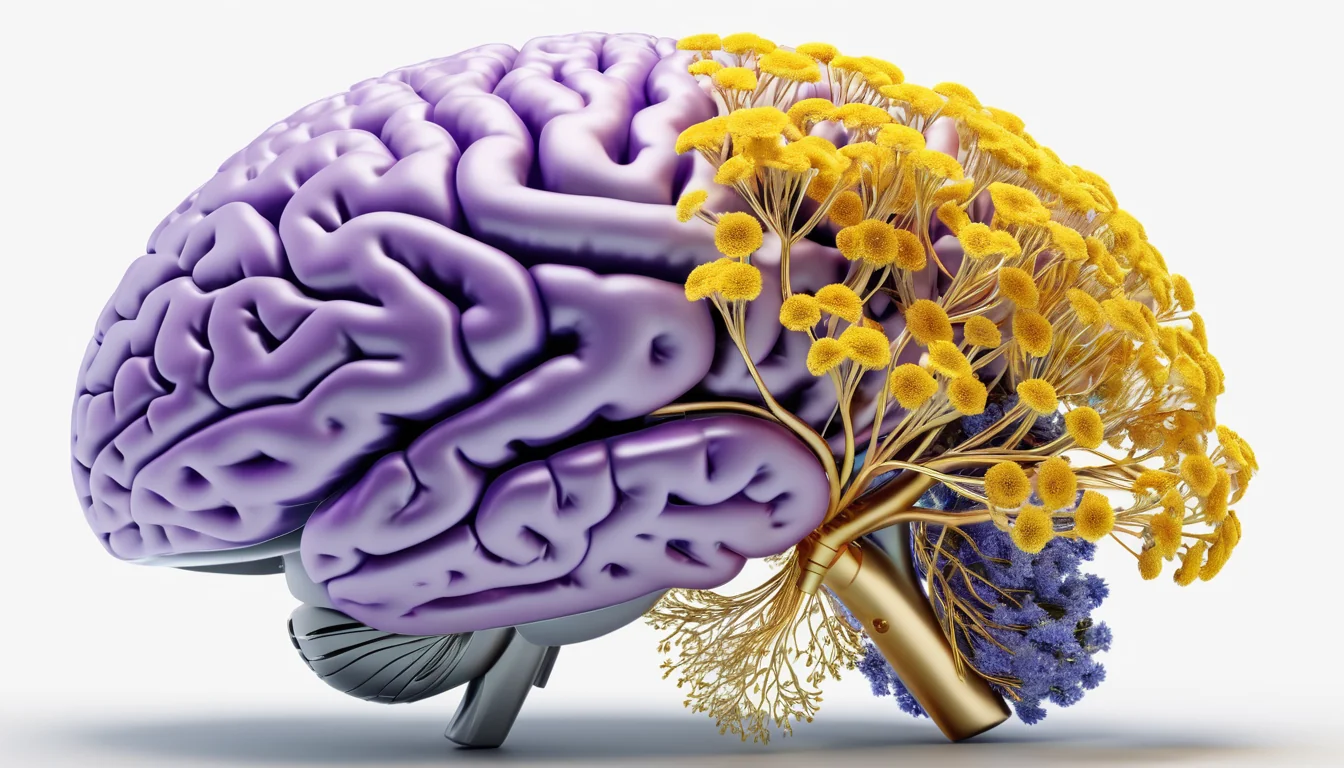
For more information, read our guide on how your brain structures influence anxiety and stress responses.
Many people manage mild to moderate anxiety successfully through natural approaches like exercise, meditation, dietary changes, and counselling. However, for severe anxiety, medication may be an important part of treatment. Always speak with your family doctor before deciding whether medication is right for you.
Key Takeaways
- Some anxiety is normal, but it becomes a problem when it disrupts your daily life.
- Natural anxiety relief options include aromatherapy, deep breathing, meditation, regular exercise, and hydration.
- Reducing caffeine, alcohol, and tobacco can have a meaningful impact on your anxiety levels.
- A balanced diet rich in B vitamins, fibre, and whole foods supports better mental health.
- Simple habits like quality sleep, social connection, and limiting screen time all contribute to lower anxiety.
- If anxiety is severe or persistent, speak with your family doctor or visit a walk-in clinic. Professional counselling and, when appropriate, medication can be very effective.
- Always consult your doctor before starting any new supplement or making significant changes to your health routine.
Frequently Asked Questions
What is natural anxiety relief?
Natural anxiety relief refers to non-prescription approaches that reduce anxiety symptoms, including mindfulness meditation, deep breathing exercises, regular physical activity, herbal supplements like ashwagandha, and dietary changes. These evidence-based methods help regulate the nervous system and lower cortisol levels without the side effects associated with pharmaceutical medications.
What are the most common symptoms of anxiety Canadians should watch for?
Common anxiety symptoms include persistent worry, racing heartbeat, chest tightness, shortness of breath, difficulty sleeping, muscle tension, and trouble concentrating. Many Canadians also experience irritability, digestive issues, and excessive fear about everyday situations. Symptoms lasting more than six months may indicate Generalized Anxiety Disorder requiring professional evaluation.
What are the best natural anxiety relief remedies that actually work?
The most effective natural anxiety relief remedies include regular aerobic exercise, mindfulness-based stress reduction (MBSR), magnesium supplementation, chamomile tea, lavender aromatherapy, and cognitive behavioural techniques. Limiting caffeine and alcohol while maintaining consistent sleep schedules also significantly reduces anxiety. These approaches are well-supported by clinical research and Health Canada safety standards.
How can Canadians prevent anxiety from getting worse naturally?
Preventing anxiety escalation involves building consistent healthy habits: exercising at least 150 minutes weekly, practicing daily mindfulness, maintaining strong social connections, limiting news consumption, eating a balanced diet rich in omega-3 fatty acids, and prioritizing 7-9 hours of sleep nightly. Stress journaling and scheduled worry time also help manage anxious thoughts proactively.
When should you see a doctor in Canada instead of trying natural anxiety remedies?
Consult a Canadian healthcare provider if anxiety severely impacts daily functioning, relationships, or work for longer than two weeks. Seek immediate help if you experience panic attacks, suicidal thoughts, or substance use to cope. Natural remedies can complement but should never replace professional treatment for moderate-to-severe anxiety disorders. Most provincial health plans cover mental health consultations.

About the Author
Dr. James Okafor, MD, PhDDr. James Okafor holds an MD and PhD in Neurological Sciences from McGill University. With 12 years of experience in clinical neurology and mental health research, he has contributed to landmark studies on depression, anxiety, and cognitive health. Dr. Okafor is a Fellow of the Royal College of Physicians and Surgeons of Canada and serves on the editorial board of two peer-reviewed journals.
View all articles →