
Abdominal Compartment Syndrome: Causes & Treatment (2025)

Share
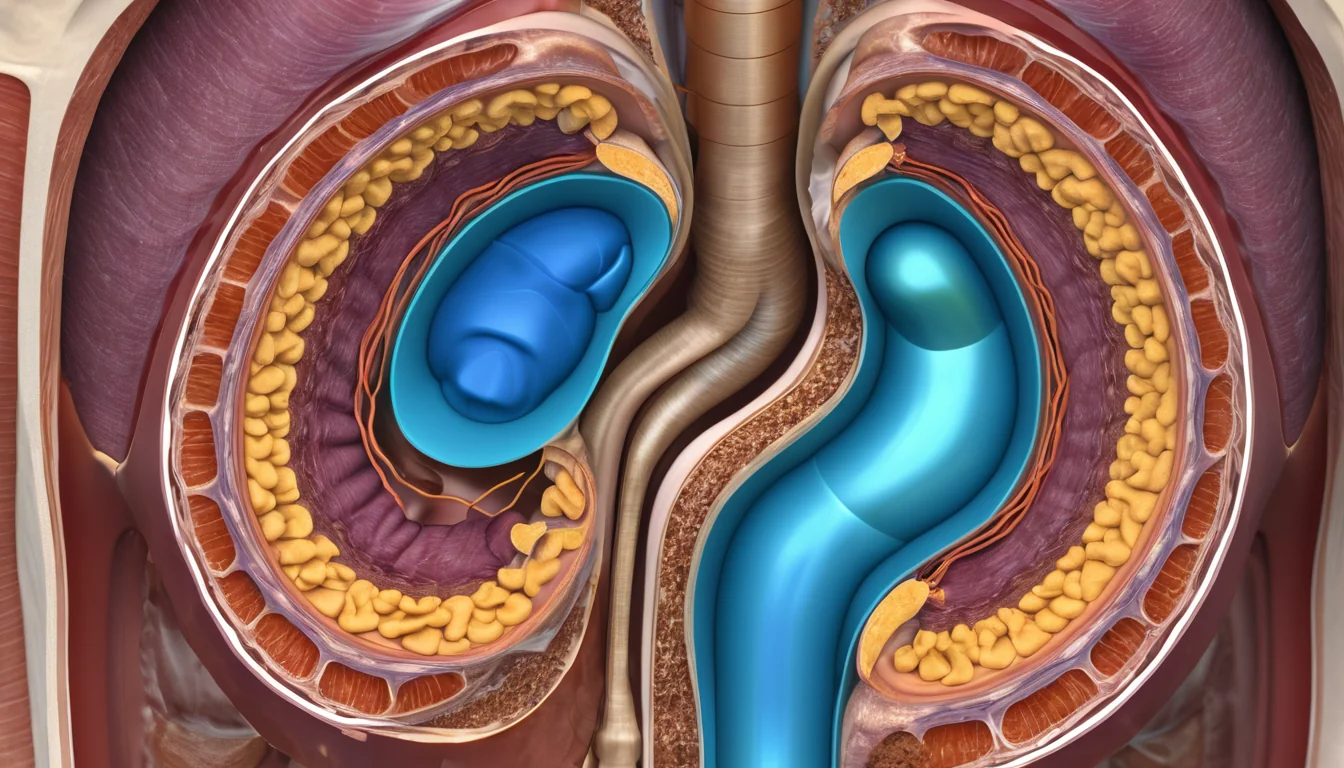
Abdominal compartment syndrome is a rare but life-threatening medical emergency that requires immediate recognition and intervention. It develops when pressure inside the abdomen rises to dangerous levels, cutting off blood flow and oxygen to vital organs such as the kidneys, liver, and intestines. This condition most often affects critically ill patients in intensive care units across Canada.
What Is Abdominal Compartment Syndrome and Why Is It Dangerous?
Without prompt treatment, intra-abdominal hypertension can rapidly progress to multi-organ failure and death. Canadian emergency physicians and ICU teams rely on early diagnosis and evidence-based protocols to manage this critical condition. Understanding the causes, warning signs, and treatment options can help patients and caregivers advocate for timely, life-saving care.
What Is Abdominal Compartment Syndrome?
| Grade / IAP Range | Classification | Clinical Characteristics | Management Approach |
|---|---|---|---|
| Grade I (12–15 mmHg) | Intra-abdominal Hypertension | Mild abdominal distension, reduced urine output, early respiratory changes; patient may be asymptomatic | Non-surgical: optimize fluid resuscitation, nasogastric decompression, body positioning (head of bed <30°), close monitoring in ICU |
| Grade II (16–20 mmHg) | Intra-abdominal Hypertension | Increased abdominal rigidity, oliguria, elevated airway pressures, reduced cardiac output | Non-surgical interventions intensified; consider neuromuscular blockade, percutaneous drainage if ascites present, reassess hourly |
| Grade III (21–25 mmHg) | Abdominal Compartment Syndrome | Organ dysfunction emerging — acute kidney injury, respiratory failure, bowel ischemia, elevated intracranial pressure | Surgical decompression (decompressive laparotomy) strongly considered; multidisciplinary team involvement including surgery and critical care |
| Grade IV (>25 mmHg) | Severe Abdominal Compartment Syndrome | Multi-organ failure, refractory hemodynamic instability, severe hypoxia, anuria, possible bowel necrosis | Emergency decompressive laparotomy with open abdomen management; temporary abdominal closure (e.g., vacuum-assisted wound therapy); intensive ICU support |
| Secondary / Recurrent | Secondary or Recurrent ACS | Develops without primary abdominal injury (e.g., sepsis, massive resuscitation); may recur after initial surgical decompression | Treat underlying cause; repeat surgical intervention if recurrence confirmed; planned abdominal re-exploration with staged closure when clinically stable |
Your abdomen is a closed space containing your stomach, intestines, liver, and kidneys. Normally, the pressure inside this space stays very low — between 0 and 5 mmHg (millimetres of mercury).
When bleeding or swelling occurs inside the abdomen, that pressure can rise sharply. Doctors recognize two stages of rising pressure:
- Intra-abdominal hypertension: pressure between 12 and 20 mmHg
- Abdominal compartment syndrome: pressure above 20 mmHg, with signs of organ damage
Once pressure exceeds 20 mmHg, blood flow to the heart, lungs, and kidneys becomes restricted. As a result, multiple organs can begin to fail. This is why abdominal compartment syndrome is treated as a medical emergency.
However, this condition is rare. It almost always occurs in patients who are already hospitalized and critically ill. It is not something that typically develops at home.
Common Causes of Abdominal Compartment Syndrome
This syndrome develops when bleeding or swelling inside the abdomen causes pressure to build rapidly. Several conditions and medical procedures can trigger this dangerous rise in pressure.
Common causes include:
- Intra-abdominal infection or abscess
- Bowel obstruction (blockage of the intestines)
- Major abdominal surgery
- Severe burns covering large areas of the body
- Massive blood transfusions
- Large amounts of intravenous (IV) fluids given during treatment for sepsis or trauma
- Pancreatitis (severe inflammation of the pancreas)
- A ruptured abdominal aortic aneurysm — a dangerous bulge in the body’s main artery that can cause massive internal bleeding
- Direct blunt trauma to the abdomen
In many cases, the cause is not a single event but a combination of factors. For example, a trauma patient receiving large volumes of IV fluids during surgery faces a higher risk than someone with just one of these factors alone.
Who Is at Risk?
The biggest risk factor for abdominal compartment syndrome is being a patient in an intensive care unit. Research suggests that up to 35% of critically ill ICU patients may develop this condition.
It is important to understand that the ICU itself is not the danger. Rather, it is the severe underlying illnesses and aggressive treatments — such as large-volume fluid resuscitation — that raise the risk.
Additional risk factors include:
- Obesity
- Pregnancy
- Excessive alcohol use or substance use disorders
- Severe abdominal trauma
- Sepsis (a life-threatening response to infection)
Furthermore, patients with multiple risk factors at the same time face a significantly higher chance of developing this syndrome. ICU teams monitor these patients very closely as a result.
Signs and Symptoms to Know
One of the challenges of abdominal compartment syndrome is that clear symptoms often appear late — sometimes only after organ damage has already begun. This is why ICU teams monitor at-risk patients continuously rather than waiting for symptoms to appear.
Physical Symptoms
When symptoms do occur, they tend to appear suddenly and severely. Key signs include:
- Abdominal distension: the belly appears visibly swollen and feels hard or rigid when touched
- Severe abdominal pain: both spontaneous and when the abdomen is pressed
- Difficulty breathing: rising abdominal pressure pushes upward against the diaphragm
- Low blood pressure (hypotension): a sign that circulation is being compromised
- Reduced urine output (oliguria): the kidneys are not receiving enough blood flow
Signs Doctors Watch For
Medical teams also look for rising mechanical ventilation pressures in patients on breathing machines. In addition, worsening kidney function on blood tests can signal that pressure is climbing dangerously. These clinical clues often prompt doctors to measure abdominal pressure directly.
How Is Abdominal Compartment Syndrome Diagnosed?
Diagnosis requires more than symptoms alone. The only reliable way to confirm abdominal compartment syndrome is to measure the pressure inside the abdomen directly.
Measuring Intra-Abdominal Pressure
Doctors currently use bladder pressure as a safe and accurate way to estimate abdominal pressure. Here is how the procedure works:
- A thin, flexible catheter (tube) is inserted through the urethra into the bladder
- A small amount of sterile fluid is injected into the bladder
- The pressure is then measured through the catheter and recorded in mmHg
This test is repeated regularly so the medical team can track how pressure changes over time. A reading above 20 mmHg, combined with evidence of organ stress, confirms the diagnosis.
Additional Tests
Doctors also order other tests to assess how the organs are functioning:
- Blood tests: these check markers of kidney, liver, and heart function
- Imaging tests: abdominal ultrasound or CT scans provide detailed pictures of the organs and can reveal fluid buildup or bleeding
- Pulse oximetry: a small device clipped to the finger measures blood oxygen levels continuously
According to Mayo Clinic, prompt and accurate measurement of organ function is critical in managing conditions that can progress to multi-organ failure.
Treatment Options for Abdominal Compartment Syndrome
Treatment depends on how severe the pressure elevation is and whether organ damage has already started. There are both non-surgical and surgical approaches.
Non-Surgical Management
When pressure is rising but has not yet reached full syndrome levels, doctors try to bring it down without surgery. These measures also serve as prevention for at-risk patients. Non-surgical treatments include:
- Frequent repositioning of the patient’s body to reduce pressure
- Diuretic medications to help the body eliminate excess fluid
- Draining fluid from the abdomen using a drain tube
- Pain management with appropriate analgesic medications
- Controlling any active bleeding
- Restricting the amount of IV fluid given
Therefore, when medical teams catch rising pressure early, they can often prevent the full syndrome from developing. This is why continuous monitoring of ICU patients is so important.
Surgical Treatment
Once abdominal compartment syndrome is confirmed, surgery is the most effective treatment. The procedure is called a decompressive laparotomy.
During this operation, a surgeon makes an incision through the abdominal wall. This opening allows the built-up pressure to release. The abdomen may be left temporarily open and covered with a sterile dressing while the patient stabilizes.
Pressure inside the abdomen typically begins to fall within the first few hours after surgery. However, it can take several days to return to normal levels. Some patients require more than one decompression procedure. For more information on surgical approaches to abdominal emergencies, visit Healthline’s overview of abdominal compartment syndrome.
When to See a Doctor
Because abdominal compartment syndrome develops almost exclusively in hospital settings among critically ill patients, it is not something you would typically self-diagnose at home. If you or a loved one is in an ICU, the medical team will already be monitoring for this condition.
However, if you experience sudden, severe abdominal pain, a visibly swollen and rigid belly, difficulty breathing, or a dramatic drop in urine output, seek emergency care immediately. Call 911 or go to your nearest emergency department right away.
If you have concerns about abdominal health after a recent hospital stay or surgery, speak with your family doctor or visit a walk-in clinic. Under your provincial health plan, these visits are covered, and your doctor can arrange further testing if needed. You can also find general guidance on digestive health through Health Canada.
Always consult a qualified healthcare provider for any medical concerns. The information in this article is for educational purposes only and does not replace professional medical advice.
What is abdominal compartment syndrome?
Abdominal compartment syndrome is a serious medical emergency where pressure inside the abdomen rises above 20 mmHg, restricting blood flow to vital organs. It most commonly affects critically ill patients in intensive care units. Without rapid treatment, it can lead to multi-organ failure and death.
What causes abdominal compartment syndrome?
The condition is caused by severe bleeding or swelling inside the abdominal cavity, which drives up internal pressure. Common triggers include major abdominal surgery, severe infection, pancreatitis, bowel obstruction, and large volumes of IV fluids given during critical care. A ruptured aortic aneurysm can also cause this dangerous pressure rise.
How is abdominal compartment syndrome treated?
The primary treatment for confirmed abdominal compartment syndrome is a surgical procedure called a decompressive laparotomy, where surgeons open the abdominal wall to release pressure. In earlier stages, non-surgical methods such as diuretics, fluid restriction, and abdominal drainage may help prevent the syndrome from developing. Treatment always takes place in a hospital setting.
What are the symptoms of abdominal compartment syndrome?
Key symptoms include a visibly swollen and rigid abdomen, severe abdominal pain, difficulty breathing, low blood pressure, and reduced urine output. Symptoms tend to appear suddenly and worsen quickly. Because signs often appear late, ICU teams monitor at-risk patients continuously rather than waiting for symptoms.
Can abdominal compartment syndrome be prevented?
In many cases, abdominal compartment syndrome can be prevented by carefully managing rising intra-abdominal pressure before it reaches dangerous levels. ICU teams use strategies such as body repositioning, diuretics, fluid restriction, and abdominal drainage to keep pressure under control. Early and continuous monitoring of high-risk patients is the most important prevention tool.
Is abdominal compartment syndrome common in Canada?
According to Mayo Clinic’s overview of abdominal emergencies, this information is supported by current medical research.
For more information, read our guide on kidney anatomy, structure, and function.
Abdominal compartment syndrome is rare in the general population but occurs in up to 35% of critically ill ICU patients. It is not something that typically develops outside of a hospital setting. Canadian ICUs follow established protocols to monitor and manage intra-abdominal pressure in high-risk patients.
Key Takeaways
- Abdominal compartment syndrome is a rare but life-threatening emergency caused by dangerous pressure buildup inside the abdomen.
- It almost always occurs in critically ill patients already receiving hospital care, most often in an ICU.
- Causes include severe bleeding, infection, major surgery, pancreatitis, and large amounts of IV fluids.
- Symptoms include a hard, swollen abdomen, severe pain, breathing difficulty, low blood pressure, and reduced urine output.
- Diagnosis is confirmed by measuring bladder pressure, which reflects abdominal pressure.
- Surgical decompression (decompressive laparotomy) is the most effective treatment once the syndrome is confirmed.
- Non-surgical methods can help prevent the syndrome when pressure is caught early in ICU patients.
- If you have concerns about abdominal health after a hospital stay, speak with your family doctor or visit a walk-in clinic under your provincial health plan.
Frequently Asked Questions
What is abdominal compartment syndrome?
Abdominal compartment syndrome is a dangerous condition where pressure inside the abdominal cavity rises above 20 mmHg, impairing blood flow to vital organs. It typically develops after severe trauma, major surgery, or critical illness, and can cause rapid organ failure if not treated immediately in a hospital setting.
What are the symptoms of abdominal compartment syndrome?
Symptoms include a tense, distended abdomen, decreased urine output, difficulty breathing, low blood pressure, and rising intra-abdominal pressure readings. Patients may also experience reduced oxygen levels and worsening organ function. Because many patients are critically ill, symptoms are often monitored in an intensive care unit.
How is abdominal compartment syndrome treated?
Treatment for abdominal compartment syndrome focuses on reducing intra-abdominal pressure. Mild cases may be managed with drainage of fluids, sedation, or positioning. Severe cases require emergency surgical decompression called a decompressive laparotomy, where the abdomen is opened to relieve pressure and protect kidney, lung, and bowel function.
Can abdominal compartment syndrome be prevented?
Prevention involves careful fluid management during surgery and critical care, avoiding excessive IV fluids, and early monitoring of intra-abdominal pressure in high-risk patients. Canadians recovering from major abdominal surgery or trauma should be closely monitored in an ICU, as early intervention significantly reduces the risk of serious complications.
When should you see a doctor for abdominal compartment syndrome?
Seek emergency care immediately if you or someone else experiences a severely distended, rigid abdomen alongside difficulty breathing, reduced urination, or confusion following surgery, trauma, or critical illness. Abdominal compartment syndrome is life-threatening and requires urgent hospital treatment — do not wait to call 911 or visit an emergency room.

About the Author
Dr. Michael Ross, MD, FRCSCDr. Michael Ross is a fellowship-trained orthopedic surgeon at the University of Alberta Hospital, specializing in joint replacement and sports medicine. A Fellow of the Royal College of Surgeons of Canada (FRCSC), he has over 18 years of surgical experience and has authored multiple textbook chapters on musculoskeletal health. Dr. Ross is passionate about patient education and evidence-based medicine.
View all articles →