Pituitary Adenoma: Symptoms, Causes & Treatment Canada

Share
A pituitary adenoma is a benign (non-cancerous) tumour that develops on the pituitary gland, a small but powerful gland located at the base of your brain. These growths are the most common type of pituitary tumour, and while the diagnosis may sound alarming, the vast majority are not life-threatening and respond well to modern treatment. Understanding this condition is the first step toward getting the right care.
How Is a Pituitary Adenoma Diagnosed and Treated in Canada?
For Canadians navigating a new diagnosis, knowing the pituitary tumour symptoms to watch for and the treatment options available through our healthcare system can provide real peace of mind. This article explains what causes a pituitary adenoma, how doctors in Canada diagnose it, and the full range of treatments — from watchful waiting to surgery — so you can make informed decisions about your health.
What Is the Pituitary Gland?
| Type of Pituitary Adenoma | Key Characteristics | Common Symptoms | Primary Management |
|---|---|---|---|
| Prolactinoma | Most common type; secretes excess prolactin; more frequent in women aged 20–50 | Irregular periods, galactorrhea, infertility, reduced libido | Dopamine agonist medications (cabergoline, bromocriptine); surgery if medication fails |
| Growth Hormone-Secreting Adenoma | Causes acromegaly in adults or gigantism in children; often diagnosed late due to gradual onset | Enlarged hands and feet, coarsened facial features, joint pain, excessive sweating | Transsphenoidal surgery; somatostatin analogues (octreotide); radiation therapy |
| ACTH-Secreting Adenoma | Triggers excess cortisol production; leads to Cushing’s disease; often small and difficult to detect on imaging | Weight gain (especially abdominal), stretch marks, high blood pressure, easy bruising | Transsphenoidal surgery as first-line; steroidogenesis inhibitors; radiation if surgery is incomplete |
| Non-Functioning Adenoma | Does not secrete active hormones; often detected incidentally or when large enough to cause mass effect | Headaches, vision changes, hypopituitarism symptoms due to compression | Watchful waiting for small tumours; surgery for large or symptomatic cases; regular MRI monitoring |
| TSH-Secreting Adenoma | Rarest functioning type; causes secondary hyperthyroidism; may be misdiagnosed as primary thyroid disease | Palpitations, weight loss, tremor, heat intolerance, goitre | Somatostatin analogues to reduce TSH secretion; transsphenoidal surgery; thyroid function normalization |
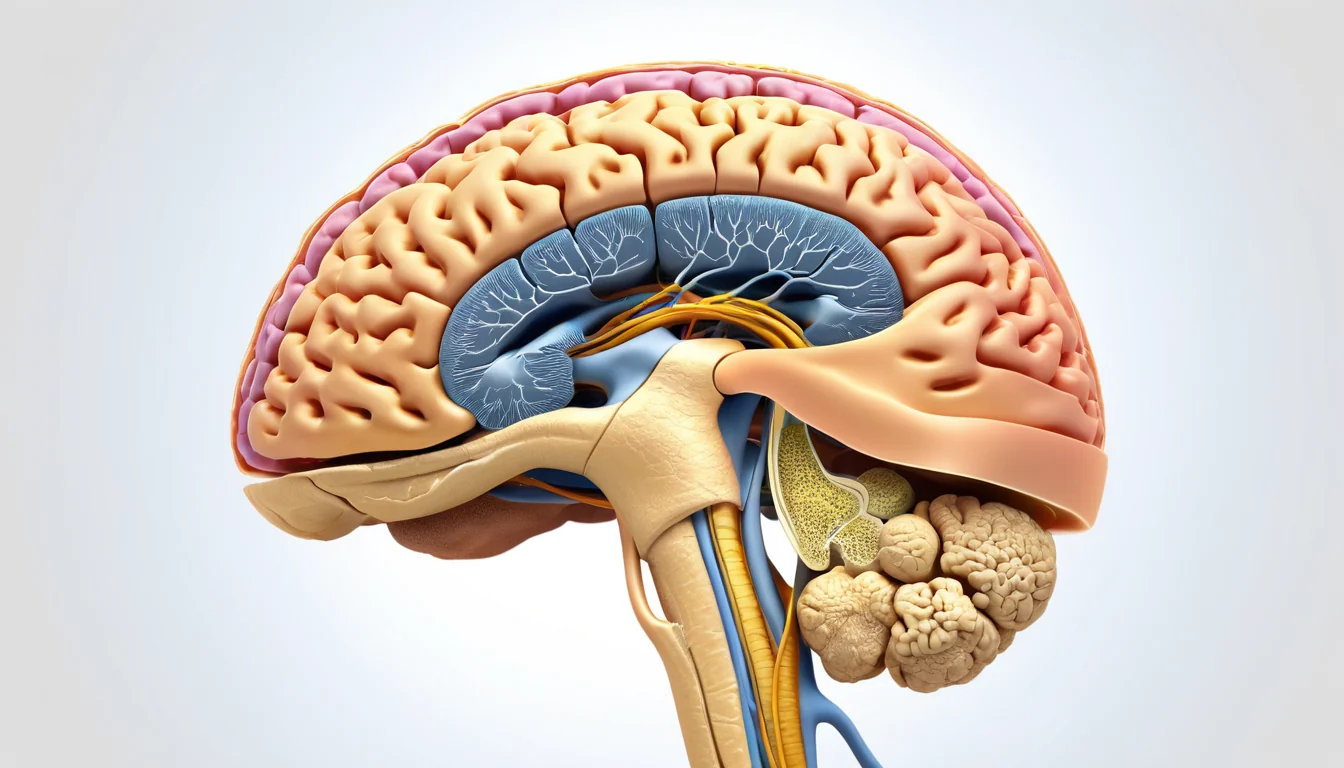
The pituitary gland is about the size of a pea. It sits at the base of your brain, just behind your nose. Despite its small size, it is sometimes called the “master gland” because it controls many other hormone-producing glands throughout your body.
The pituitary gland works closely with a brain region called the hypothalamus. Together, they regulate your entire hormonal system. The gland produces several key hormones, including:
- Prolactin (PRL) — supports breast milk production
- TSH (thyroid-stimulating hormone) — controls the thyroid gland
- GH (growth hormone) — regulates growth and metabolism
- ACTH (adrenocorticotropic hormone) — controls stress hormones
- LH (luteinizing hormone) — involved in reproduction
- FSH (follicle-stimulating hormone) — involved in reproduction
When a tumour grows on this gland, it can disrupt the normal production of these hormones. This disruption leads to a wide range of symptoms throughout the body.
What Is a Pituitary Adenoma?
A pituitary adenoma is a tumour made of abnormal pituitary cells that multiply without control. These tumours do not spread to other parts of the body. However, they can still cause serious health problems by pressing on nearby brain structures or by overproducing hormones.
Doctors classify pituitary adenomas by their size:
- Microadenoma — smaller than 1 centimetre in diameter
- Macroadenoma — larger than 1 centimetre in diameter
They are also classified as secreting (they produce excess hormones) or non-secreting (they do not produce hormones but may still cause problems by pressing on nearby tissue). According to the Mayo Clinic’s overview of pituitary tumours, these growths are quite common and are often found incidentally during brain imaging done for other reasons.
Causes and Risk Factors
What Causes a Pituitary Adenoma?
The exact cause of a pituitary adenoma is not fully understood. Researchers believe that changes (mutations) in the DNA of pituitary cells cause them to grow out of control. These mutations mean the cells no longer respond to the body’s normal signals to stop dividing.
In most cases, these DNA changes happen randomly. They are not caused by anything the person did or did not do.
Known Risk Factors
Certain conditions can increase your chances of developing a pituitary adenoma. These include:
- Multiple Endocrine Neoplasia Type 1 (MEN1) — a genetic condition that causes tumours in multiple hormone-producing glands
- Carney Complex — a rare genetic disorder linked to tumours and skin changes
- Familial isolated pituitary adenoma (FIPA) — a hereditary tendency to develop pituitary tumours
- McCune-Albright Syndrome — a condition affecting bones, skin, and hormones
If you have a family history of any of these conditions, talk to your family doctor. They may refer you to an endocrinologist for monitoring. You can also learn more about hormonal disorders from Health Canada’s official health information resources.
Symptoms of a Pituitary Adenoma
Symptoms of a pituitary adenoma vary widely. They depend on the tumour’s size, whether it produces hormones, and which hormone it produces. Importantly, a small secreting tumour can cause more noticeable symptoms than a large non-secreting one.
Symptoms Caused by Tumour Size (Mass Effect)
When a tumour grows large enough, it presses on the pituitary gland and nearby brain structures. This pressure can cause:
- Headaches
- Blurred or double vision
- Loss of side (peripheral) vision
- Facial nerve weakness or paralysis
- Drooping eyelid (ptosis)
- Clear fluid draining from the nose
Symptoms from Excess Prolactin
About 40% of secreting pituitary adenomas produce too much prolactin. In women, this can cause:
- Unexpected breast milk production (not related to breastfeeding)
- Irregular or absent periods
- Vaginal dryness
- Reduced bone density or osteoporosis
In both men and women, high prolactin can lower sex drive. Men may also notice fertility problems or breast tissue growth.
Symptoms from Excess Growth Hormone
Too much growth hormone causes different effects depending on your age. In adults, it leads to acromegaly — a condition where hands, feet, and facial features gradually enlarge. In children, it can cause gigantism, meaning abnormally rapid growth in height. Other symptoms include excessive sweating and high blood sugar (hyperglycaemia).
Symptoms from Excess ACTH (Corticotropin)
When a pituitary adenoma produces too much ACTH, it triggers the adrenal glands to overproduce cortisol. This leads to a condition called Cushing’s disease. Symptoms include:
- Weight gain, especially around the abdomen and upper back (sometimes called a “buffalo hump”)
- A round, puffy face (sometimes called “moon face”)
- High blood pressure
- Easy bruising and thin skin
- Irregular periods
- Rapidly rising blood sugar levels
Symptoms from Excess TSH (Thyrotropin)
A pituitary adenoma that produces too much TSH overstimulates the thyroid gland. This leads to hyperthyroidism. Symptoms include rapid heartbeat, tremors, anxiety, weight loss, insomnia, and an enlarged thyroid gland (goitre).
Symptoms from Pituitary Insufficiency
A large tumour can compress the pituitary gland and actually reduce hormone production. This is called hypopituitarism. Symptoms of this hormone deficiency include:
- Slowed or stopped growth in children
- Delayed puberty
- Loss of facial hair in men
- Absence of pubic hair
- Inability to produce breast milk after delivery
- Low blood pressure
- Unexplained weight gain
- Difficulty concentrating
- Low blood sugar (hypoglycaemia)
How Is a Pituitary Adenoma Diagnosed?
Diagnosing a pituitary adenoma involves several steps. Your doctor will first review your medical history and symptoms. They will also perform a physical examination to look for signs of hormonal imbalance.
Blood and Hormone Tests
Blood tests measure the levels of hormones produced by the pituitary gland and related glands. These may include prolactin, TSH, free T4 (FT4), IGF-1, growth hormone, ACTH, testosterone, estradiol, and blood sugar levels. Abnormal results can point to a secreting tumour.
Imaging Tests
MRI (Magnetic Resonance Imaging) is the gold standard for diagnosing pituitary tumours. It gives detailed images of the gland and the surrounding brain tissue. A CT scan (computed tomography) may also be used to provide additional detail about the tumour’s structure and its relationship to nearby structures.
For more information on how these tests work, Healthline’s guide to pituitary tumours offers a helpful overview written for general readers.
Treatment Options for Pituitary Adenoma
Treating a pituitary adenoma usually involves a team of specialists. In Canada, this team typically includes an endocrinologist, a neurosurgeon, and an ophthalmologist. Your provincial health plan generally covers referrals to these specialists through your family doctor.
Watchful Waiting
Not every pituitary adenoma needs immediate treatment. If the tumour is small and not causing symptoms, your doctors may recommend monitoring it over time. This involves regular blood tests and repeat MRI scans. If symptoms worsen or the tumour grows, your care team will move to active treatment.
Medication
Medication is often the first line of treatment, especially for prolactin-producing tumours. The goals of medication are to:
- Reduce or stop the tumour’s hormone production
- Replace hormones that the compressed pituitary gland can no longer produce
- Shrink the tumour to relieve pressure on surrounding structures
Common medications include dopamine agonists (such as cabergoline or bromocriptine) for prolactinomas. Other drug types are used depending on which hormone is being overproduced.
Radiation Therapy
Radiation therapy may be recommended in specific situations. Your care team may suggest it when:
- Surgery cannot remove the entire tumour
- The tumour returns after surgery
- Medication does not shrink the tumour enough
- The tumour is in a location that makes surgery too risky
Modern techniques such as stereotactic radiosurgery (Gamma Knife) allow precise targeting of the tumour while minimising damage to healthy brain tissue.
Surgery
Surgery is the most common active treatment for pituitary adenomas that are causing significant symptoms. In most cases, surgeons use a minimally invasive approach called transsphenoidal surgery. They reach the tumour through the nose and sinuses, avoiding the need to open the skull. Recovery time is generally shorter with this approach. Open brain surgery is rarely needed but may be considered for very large or complex tumours.
When to See a Doctor
You should speak with your family doctor if you experience any of the symptoms described in this article, especially unexplained vision changes, persistent headaches, irregular periods, or sudden weight changes. These symptoms do not always mean you have a pituitary adenoma, but they deserve proper evaluation.
If you do not have a family doctor, a walk-in clinic is a good first step. The doctor there can arrange initial blood tests and refer you to a specialist if needed. Most provincial health plans in Canada cover specialist referrals, including visits to endocrinologists, at no direct cost to patients.
Seek emergency care immediately if you suddenly develop severe headache, sudden vision loss, or signs of extreme hormone disruption. These may indicate a rare but serious complication called pituitary apoplexy, where the tumour bleeds or loses its blood supply. Always consult your doctor before making any decisions about your health based on what you read online.
Frequently Asked Questions About Pituitary Adenoma
Is a pituitary adenoma the same as brain cancer?
No, a pituitary adenoma is not brain cancer. These tumours are benign, meaning they do not spread to other parts of the body. However, a pituitary adenoma can still cause serious health problems if it grows large or produces excess hormones, so treatment is often necessary.
Can a pituitary adenoma go away on its own?
Some very small pituitary adenomas, particularly microadenomas, may remain stable or even shrink without treatment. However, this is not predictable, and doctors typically recommend regular monitoring with blood tests and MRI scans. Your endocrinologist will guide you on the best approach for your specific situation.
What are the early warning signs of a pituitary adenoma?
Early signs of a pituitary adenoma can include unexplained headaches, gradual changes in vision, irregular menstrual periods, unexpected breast milk production, or changes in weight and energy levels. Because these symptoms overlap with many other conditions, it is important to see your family doctor for proper evaluation and blood tests.
How is a pituitary adenoma treated in Canada?
According to Mayo Clinic’s overview of pituitary tumours, this information is supported by current medical research.
For more information, read our guide on accessing telehealth services in Canada for ongoing support.
In Canada, treatment for a pituitary adenoma is covered under provincial health plans and typically involves a team of specialists, including an endocrinologist and a neurosurgeon. Treatment options include watchful waiting, medications, radiation therapy, or minimally invasive surgery, depending on the tumour’s size and hormone activity. Your family doctor can provide a referral to get the process started.
Does a pituitary adenoma affect fertility?
Frequently Asked Questions
What is a pituitary adenoma?
A pituitary adenoma is a benign (non-cancerous) tumour that develops in the pituitary gland, a small structure at the base of the brain. These tumours are relatively common and can affect hormone production. Most are slow-growing and rarely spread, but they can cause significant health issues depending on their size and hormone activity.
What are the symptoms of a pituitary adenoma?
Common symptoms include persistent headaches, vision problems (especially peripheral vision loss), unexplained weight gain or loss, fatigue, and hormonal imbalances. Hormone-secreting tumours may cause irregular periods, erectile dysfunction, abnormal growth, or Cushing’s syndrome. Some pituitary adenomas produce no symptoms and are discovered incidentally during brain imaging.
How is a pituitary adenoma treated in Canada?
Treatment options in Canada include medication to shrink hormone-producing tumours, surgery (typically minimally invasive transsphenoidal surgery through the nose), and radiation therapy. The approach depends on tumour size, type, and symptoms. Many Canadians are managed by endocrinologists and neurosurgeons at specialized centres covered under provincial health plans.
Can a pituitary adenoma be prevented?
Currently, there is no known way to prevent a pituitary adenoma. Most cases occur sporadically without a clear cause. A small percentage are linked to inherited conditions like Multiple Endocrine Neoplasia Type 1 (MEN1). Genetic counselling may be recommended for those with a strong family history of related endocrine disorders.
When should you see a doctor about pituitary adenoma symptoms?
See a doctor promptly if you experience sudden severe headaches, sudden vision changes or loss, or signs of hormonal imbalance such as unusual weight changes, fatigue, or sexual dysfunction. Sudden vision loss or a severe ‘thunderclap’ headache requires emergency care, as it may indicate pituitary apoplexy, a serious complication.

About the Author
Dr. Linda Chen, RD, PhDDr. Linda Chen is a registered dietitian and PhD in Nutritional Sciences from the University of British Columbia. With expertise in clinical nutrition, sports dietetics, and gut health, she has worked with leading Canadian hospitals and sports organizations. Dr. Chen is a member of Dietitians of Canada and regularly contributes to national nutrition policy discussions.
View all articles →