Stroke Causes: Risk Factors & Warning Signs in Canada

Share
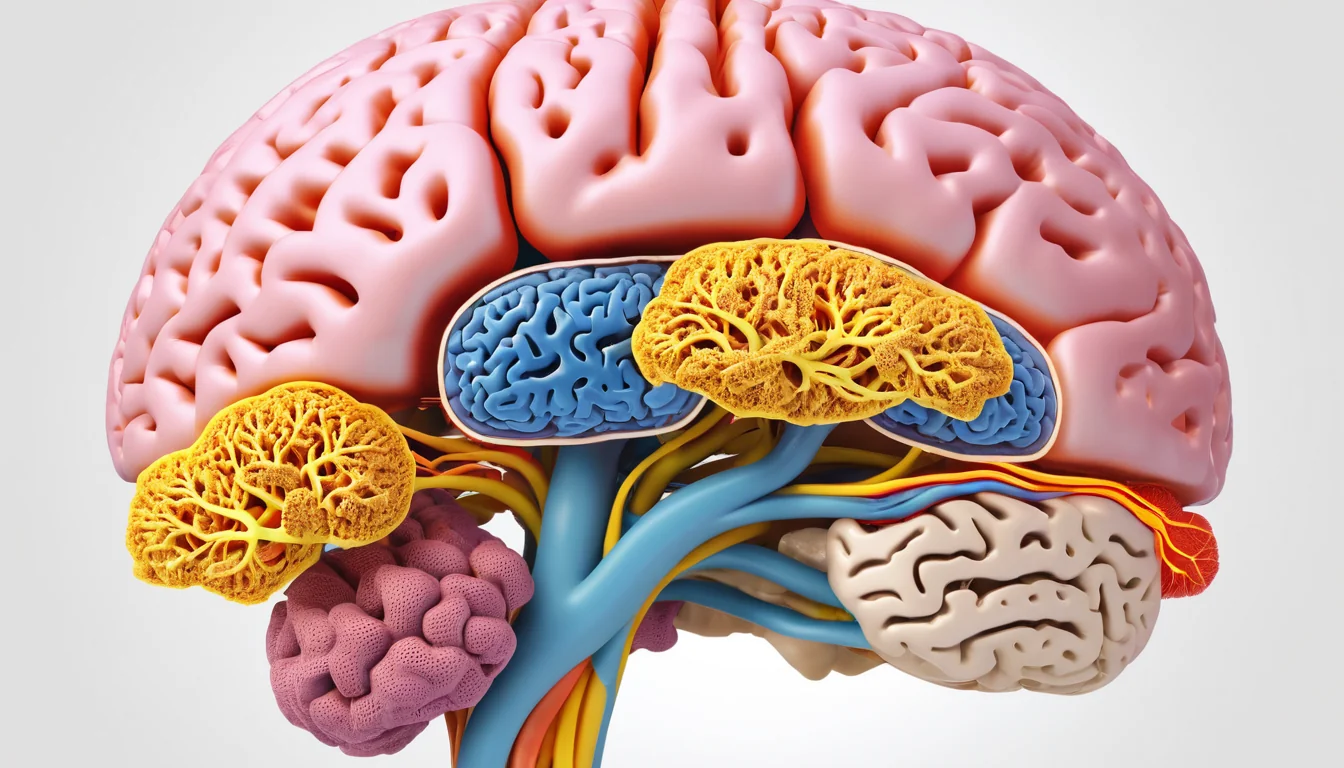
Understanding stroke causes is essential for every Canadian — a stroke is a medical emergency that occurs when blood flow to part of the brain is cut off or when a blood vessel in the brain bursts. It is the third leading cause of death in Canada and the number one cause of long-term disability, making it one of the most serious health threats facing Canadians today.
What Are the Main Stroke Causes?
The good news is that knowing the stroke warning signs and risk factors can help you act fast and protect your health. Every minute counts during a stroke, and early recognition can dramatically improve survival and recovery outcomes. In this guide, we break down the types, causes, and prevention strategies so you can be prepared.
What Is a Stroke?
| Warning Sign | Description | Severity | Immediate Action |
|---|---|---|---|
| Sudden Face Drooping | One side of the face droops or feels numb; an uneven smile is a key indicator | Critical | Call 9-1-1 immediately |
| Arm Weakness | Sudden weakness or numbness in one or both arms; one arm may drift downward when raised | Critical | Call 9-1-1 immediately |
| Speech Difficulty | Slurred, garbled, or inability to speak; difficulty understanding speech or repeating simple phrases | Critical | Call 9-1-1 immediately |
| Sudden Vision Changes | Blurred, double, or complete loss of vision in one or both eyes without pain | Severe | Call 9-1-1 immediately |
| Severe Headache | A sudden, intense “thunderclap” headache unlike any experienced before, often with no clear cause | Severe | Call 9-1-1 immediately |
| Sudden Loss of Balance | Unexplained dizziness, loss of coordination, or trouble walking; may be accompanied by nausea | Moderate to Severe | Call 9-1-1 immediately |
A stroke occurs when a blood vessel that supplies the brain gets blocked by a clot or ruptures and bleeds. Without a steady blood supply, brain cells begin to die within minutes. That is why a stroke is treated as a medical emergency — just like a heart attack.
The faster you get treatment, the better your chances of recovery. Every minute counts. If you or someone nearby shows stroke symptoms, call 9-1-1 immediately. Do not wait to see if symptoms improve on their own.
According to Health Canada, stroke is one of the most serious cardiovascular events a person can experience. Understanding what a stroke is can help Canadians respond quickly and effectively.
Types of Stroke
There are two main types of stroke: ischemic and hemorrhagic. Each type has different causes, but both require urgent medical care.
Ischemic Stroke
An ischemic stroke is the most common type, accounting for about 85% of all strokes. It happens when a blood clot blocks an artery that carries blood to the brain. The clot can form inside a narrowed artery in the brain, or it can travel from the heart or another part of the body.
Blood clots often form because of other conditions that affect normal blood flow. These include hardening of the artery walls (atherosclerosis), irregular heart rhythms such as atrial fibrillation, and damaged or artificial heart valves. Less often, low blood pressure can also cause an ischemic stroke by reducing blood flow to the brain.
Hemorrhagic Stroke
A hemorrhagic stroke happens when a blood vessel in or around the brain ruptures and bleeds. There are two kinds. The first is an intracerebral hemorrhage, which means bleeding inside the brain itself. The second is a subarachnoid hemorrhage, which means bleeding in the space surrounding the brain.
Long-term high blood pressure is the most common cause of bleeding inside the brain. A ruptured aneurysm — a weak, balloon-like bulge in a blood vessel — is a common cause of bleeding around the brain. Other less common causes include inflamed blood vessels, blood clotting disorders such as hemophilia, and head or neck injuries.
Causes of Stroke
Understanding what causes a stroke helps you and your doctor take steps to prevent one. The causes differ depending on the type of stroke.
Causes of Ischemic Stroke
Blood clots that trigger an ischemic stroke usually form because of an underlying problem in the body. Common causes include:
- Atherosclerosis: This is the hardening and narrowing of artery walls. High blood pressure, diabetes, and high cholesterol all contribute to this condition.
- Atrial fibrillation: This is an irregular heartbeat that can cause blood to pool and clot inside the heart. The clot can then travel to the brain.
- Heart valve problems: Conditions such as mitral valve prolapse, valve stenosis, or an artificial heart valve can increase clot risk.
- Endocarditis: This is an infection of the heart valves that can also lead to clot formation.
- Patent foramen ovale (PFO): This is a small hole between the two upper chambers of the heart that did not close properly after birth.
- Blood clotting disorders: Certain conditions make the blood more likely to clot than normal.
- Vasculitis: This is inflammation of the blood vessels, which can interfere with normal blood flow.
- Heart attack: A previous heart attack can damage the heart muscle and increase stroke risk.
Causes of Hemorrhagic Stroke
Bleeding strokes have their own set of causes. These include:
- Uncontrolled high blood pressure: This is the leading cause of bleeding inside the brain.
- Ruptured aneurysm: A weak spot in a blood vessel wall can burst under pressure.
- Blood vessel inflammation: Infections such as syphilis or tuberculosis can inflame blood vessels.
- Blood clotting disorders: Conditions like hemophilia prevent normal clotting and can lead to dangerous bleeding.
- Head or neck injuries: Trauma can damage blood vessels directly.
- Cerebral amyloid angiopathy: This is a degenerative condition that weakens blood vessel walls over time.
Stroke Risk Factors
Some risk factors for stroke can be changed or managed. Others cannot. Knowing both types helps you focus your energy in the right places.
Risk Factors You Can Control
Taking action on these risk factors can significantly lower your stroke risk. Work with your family doctor or a walk-in clinic to manage these conditions:
- High blood pressure (hypertension): This is the second most important risk factor after age. Keeping it under control is one of the best things you can do.
- Diabetes: About one in four people with diabetes dies from a stroke. Diabetes doubles your stroke risk by damaging blood vessels.
- High cholesterol: High blood cholesterol leads to artery disease and heart attacks, which in turn raise stroke risk.
- Heart conditions: Atrial fibrillation, endocarditis, heart valve disease, PFO, and cardiomyopathy all raise your risk.
- Smoking: This includes second-hand smoke. Smoking damages blood vessels and speeds up atherosclerosis.
- Physical inactivity: A sedentary lifestyle raises blood pressure, cholesterol, and weight — all stroke risk factors.
- Obesity: Carrying excess weight strains the heart and blood vessels.
- Heavy alcohol use: Drinking excessively — especially binge drinking (more than five drinks in a short time) — greatly increases stroke risk.
- Cocaine and illegal drug use: These substances can trigger a stroke, even in young, otherwise healthy people.
- Certain medications: Oral contraceptives, especially in women who smoke or have clotting disorders, can raise stroke risk. Always discuss your medications with your doctor.
Risk Factors You Cannot Change
These factors are fixed, but knowing about them helps you stay alert and get regular check-ups:
- Age: Stroke risk doubles every decade after age 55. At least two-thirds of all stroke patients are over 65.
- Race and ethnicity: Some groups face higher risk due to higher rates of high blood pressure, diabetes, and other conditions. Talk to your doctor about your personal risk.
- Sex: Stroke affects both men and women, though risk and outcomes can differ between them.
- Family history: If a close relative has had a stroke, your own risk may be higher.
- Previous stroke or TIA: A transient ischemic attack (TIA), sometimes called a mini-stroke, is a strong warning sign of a future stroke.
For a comprehensive overview of stroke risk, the Mayo Clinic’s stroke resource page offers trusted, detailed information.
Recognising Stroke Warning Signs
Recognising a stroke quickly can save a life or prevent permanent disability. In Canada, health authorities use the acronym FAST to help people remember the main warning signs.
- F – Face drooping: One side of the face droops or feels numb. Ask the person to smile. Is their smile uneven?
- A – Arm weakness: One arm is weak or numb. Ask them to raise both arms. Does one drift downward?
- S – Speech difficulty: Speech is slurred, hard to understand, or the person cannot speak at all.
- T – Time to call 9-1-1: Call 9-1-1 immediately if you notice any of these signs.
Other warning signs include sudden severe headache with no known cause, sudden vision problems in one or both eyes, and sudden trouble with balance or coordination. Do not drive to the hospital yourself. Call 9-1-1 so paramedics can begin treatment on the way.
The World Health Organization recognises stroke as a leading global cause of death and disability, reinforcing why fast action matters so much.
When to See a Doctor
If you think you or someone else is having a stroke, call 9-1-1 right away. Do not wait for symptoms to pass. Time lost is brain lost.
However, stroke prevention also starts with your regular healthcare provider. Book an appointment with your family doctor to have your blood pressure, cholesterol, and blood sugar checked. If you do not have a family doctor, your local walk-in clinic can help with these basic screenings.
Your provincial health plan covers many stroke-related tests and follow-up visits. Ask your doctor about your personal stroke risk and what steps make the most sense for your situation. Managing conditions like high blood pressure, diabetes, and atrial fibrillation can make a real difference.
If you have already had a TIA or mini-stroke, see a doctor the same day. A TIA is a serious warning sign that a full stroke may follow. Early treatment can prevent it.
What are the first signs of a stroke?
The most common early signs of a stroke include sudden face drooping on one side, weakness or numbness in one arm, and slurred or confused speech. Use the FAST acronym — Face, Arms, Speech, Time — to remember what to look for. If you notice any of these signs, call 9-1-1 immediately.
What is the difference between an ischemic and hemorrhagic stroke?
An ischemic stroke happens when a blood clot blocks an artery supplying the brain, cutting off blood flow. A hemorrhagic stroke happens when a blood vessel in or around the brain bursts and bleeds. Both types of stroke are medical emergencies that require immediate treatment.
Can a stroke be prevented?
Many strokes can be prevented by managing key risk factors such as high blood pressure, diabetes, high cholesterol, and atrial fibrillation. Quitting smoking, reducing alcohol intake, staying active, and maintaining a healthy weight also lower your stroke risk significantly. Talk to your family doctor about a prevention plan that suits you.
What causes a stroke in a young person?
Strokes can occur in younger adults, often due to causes such as illegal drug use (especially cocaine), blood clotting disorders, a heart defect called patent foramen ovale, or undiagnosed high blood pressure. Migraine with aura and some oral contraceptives have also been linked to stroke in younger women. If you are concerned about your risk, speak with a healthcare provider.
Is a TIA (mini-stroke) serious?
Yes, a transient ischemic attack (TIA), often called a mini-stroke, is a serious medical warning. A TIA causes the same symptoms as a stroke but they pass within minutes to hours. However, a TIA means your risk of having a full stroke in the days or weeks that follow is very high, so you should seek medical care the same day.
Does high blood pressure cause stroke?
According to Health Canada’s cardiovascular health resources, this information is supported by current medical research.
For more information, read our guide on gum disease, which is linked to cardiovascular risk factors.
High blood pressure is one of the most important and controllable risk factors for stroke. Over time, uncontrolled high blood pressure damages artery walls, making them more likely to narrow, harden, or rupture. Keeping your blood pressure within a healthy range — with lifestyle changes and medication if needed — is one of the most effective ways to reduce your stroke risk.
Key Takeaways
- A stroke happens when blood flow to the brain is blocked or a blood vessel bursts. It is a medical emergency.
- There are two main types: ischemic stroke (caused by a blood clot) and hemorrhagic stroke (caused by bleeding).
- Major risk factors include high blood pressure, diabetes, high cholesterol, atrial fibrillation, smoking, and physical inactivity — many of which can be managed.
- Use the FAST acronym to recognise warning signs: Face drooping, Arm weakness, Speech difficulty, Time to call 9-1-1.
- Call 9-1-1 immediately if you suspect a stroke. Do not wait or drive yourself to the hospital.
- Your family doctor or a local walk-in clinic can help you assess and manage your stroke risk. Many tests are covered by provincial health plans.
- Always consult your doctor before making changes to your medications or treatment plan. This article is for general information only and does not replace professional medical advice.
Frequently Asked Questions
What are the most common stroke causes in Canada?
The most common stroke causes include high blood pressure, atrial fibrillation, diabetes, high cholesterol, smoking, and obesity. Ischemic strokes occur when a blood clot blocks a brain artery, while hemorrhagic strokes result from a ruptured blood vessel. Uncontrolled hypertension remains the single leading risk factor for Canadians.
What are the warning signs of a stroke?
Warning signs of a stroke follow the FAST acronym: Face drooping, Arm weakness, Speech difficulty, and Time to call 9-1-1. Additional symptoms include sudden severe headache, vision loss, dizziness, and loss of balance. Symptoms appear suddenly and require immediate emergency attention to minimize brain damage.
What is a stroke and how does it affect the brain?
A stroke occurs when blood supply to part of the brain is interrupted or reduced, depriving brain cells of oxygen and nutrients. Cells begin dying within minutes. Depending on the affected area, a stroke can impair speech, movement, memory, and cognition. It is a medical emergency requiring immediate treatment.
Can stroke causes be prevented with lifestyle changes?
Yes, up to 80% of strokes are preventable through lifestyle changes. Managing blood pressure, quitting smoking, exercising regularly, eating a heart-healthy diet, limiting alcohol, and controlling diabetes significantly reduce stroke risk. Regular medical check-ups help identify and treat underlying conditions before they trigger a stroke.
When should you call 9-1-1 for a stroke?
Call 9-1-1 immediately if anyone shows sudden stroke symptoms, including facial drooping, arm weakness, slurred speech, vision changes, or severe unexplained headache. Never drive yourself or wait to see if symptoms improve. In Canada, clot-dissolving treatment is most effective within 4.5 hours of symptom onset.

About the Author
Dr. Michael Ross, MD, FRCSCDr. Michael Ross is a fellowship-trained orthopedic surgeon at the University of Alberta Hospital, specializing in joint replacement and sports medicine. A Fellow of the Royal College of Surgeons of Canada (FRCSC), he has over 18 years of surgical experience and has authored multiple textbook chapters on musculoskeletal health. Dr. Ross is passionate about patient education and evidence-based medicine.
View all articles →