Brain Aneurysm: Causes, Symptoms & Treatment Canada

Share
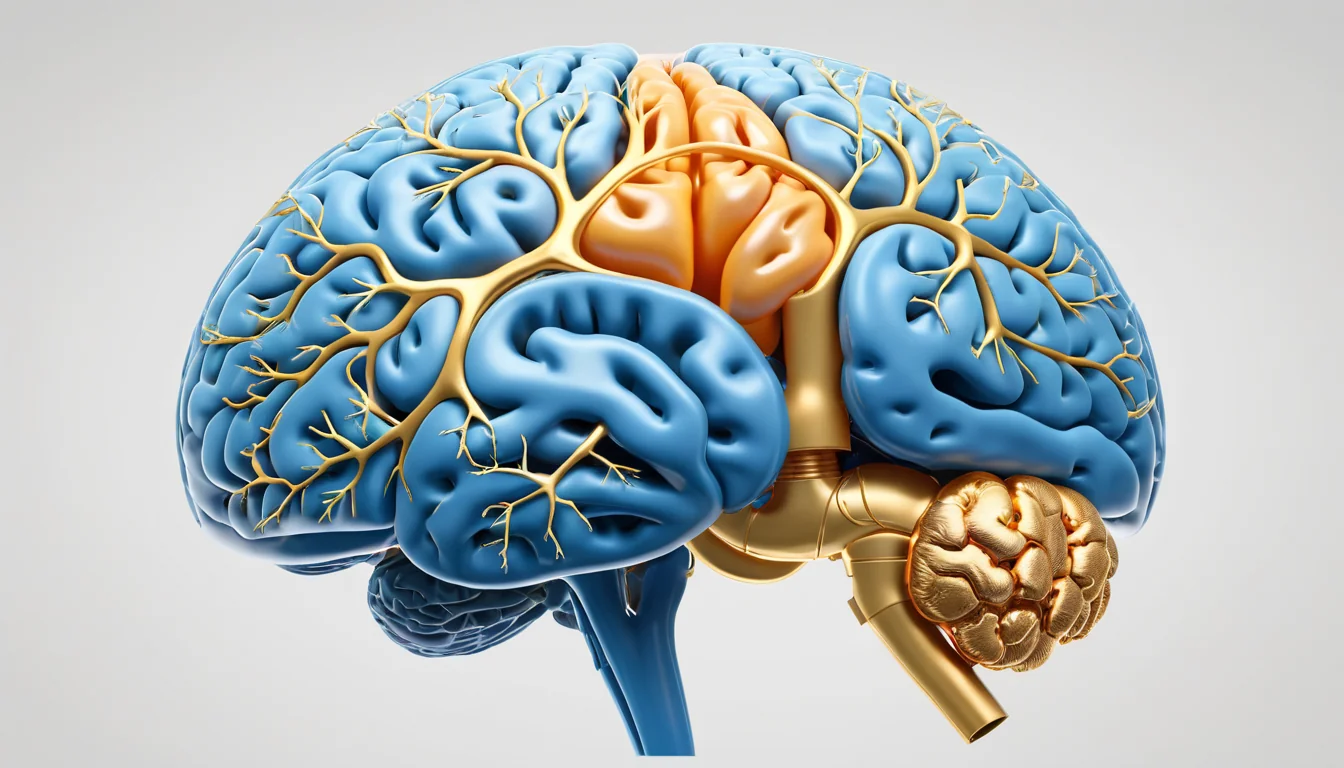
A brain aneurysm is a weak, bulging spot on the wall of an artery in the brain that affects thousands of Canadians each year. Most of the time, a brain aneurysm causes no symptoms at all and many people live their entire lives without ever knowing they have one. However, if it ruptures, it can lead to a life-threatening subarachnoid hemorrhage — a serious type of stroke that requires immediate emergency care.
Understanding Brain Aneurysm Causes and Risk Factors
Recognizing brain aneurysm symptoms early can make the difference between life and death. Whether you are concerned about your own risk or caring for a loved one, understanding the causes, warning signs, and treatment options available in Canada can help you make informed decisions about your health and know exactly when to seek medical attention.
What Is a Brain Aneurysm?
| Type of Brain Aneurysm | Characteristics | Common Location | Management Approach |
|---|---|---|---|
| Saccular (Berry) Aneurysm | Round, pouch-like bulge attached by a neck to an artery; most common type, accounting for up to 90% of cases | Circle of Willis; junction of communicating arteries at the base of the brain | Surgical clipping or endovascular coiling; monitoring with imaging if small and unruptured |
| Fusiform Aneurysm | Bulging on all sides of the artery without a distinct neck; less common and rarely ruptures | Vertebral and basilar arteries at the back of the brain | Conservative monitoring with MRI/MRA; stent-assisted coiling in select cases |
| Mycotic (Infectious) Aneurysm | Caused by bacterial infection weakening arterial walls; uncommon but high rupture risk | Peripheral branches of the middle cerebral artery | Intravenous antibiotics; surgical or endovascular intervention if enlarging or ruptured |
| Dissecting Aneurysm | Tear between layers of the arterial wall allows blood to pool; can cause ischemic stroke or hemorrhage | Vertebral and internal carotid arteries | Antithrombotic therapy; endovascular stenting or surgical repair for complex cases |
| Giant Aneurysm | Diameter greater than 25 mm; high rupture risk and may compress surrounding brain tissue causing neurological symptoms | Internal carotid artery, middle cerebral artery | Microsurgical clipping, flow diversion devices (e.g., Pipeline stent); multidisciplinary care at neurovascular centres across Canada |
An artery wall normally stays strong and smooth. A brain aneurysm forms when part of that wall weakens and balloons outward. Think of it like a thin bubble forming on a garden hose.
The most common location for a brain aneurysm is an area at the base of the brain called the Circle of Willis. This is a network of arteries that supplies blood to the brain and surrounding structures.
Most brain aneurysms never rupture. In fact, many people live their whole lives without ever knowing they have one. However, a ruptured brain aneurysm is a life-threatening emergency that requires immediate medical attention.
Causes and Risk Factors of a Brain Aneurysm
Brain aneurysms can develop for many reasons. Some causes are inherited, while others develop over time due to lifestyle or health conditions. Knowing your risk factors is an important first step.
Medical and Genetic Risk Factors
Some people are simply born with a higher risk. For example, people with a family history of brain aneurysm are twice as likely to develop one themselves. In addition, certain inherited conditions directly weaken artery walls.
These conditions include:
- Polycystic kidney disease — a genetic condition that also weakens blood vessel walls
- Marfan syndrome — a connective tissue disorder that affects the strength of arteries
- Ehlers-Danlos syndrome (Type IV) — a genetic condition that weakens the walls of blood vessels
- Systemic lupus erythematosus — a chronic autoimmune disease that can affect the brain, heart, kidneys, and blood vessels
Furthermore, about 20% of people who have already had one brain aneurysm are at risk of developing another one later in life. Women are also twice as likely as men to develop a brain aneurysm or experience a subarachnoid hemorrhage.
Lifestyle and Controllable Risk Factors
Not all risk factors are beyond your control. Several lifestyle choices can significantly raise your risk. High blood pressure is one of the biggest contributors to aneurysm rupture.
Additional controllable risk factors include:
- Smoking — raises blood pressure and weakens artery walls, directly increasing rupture risk
- Heavy alcohol consumption — contributes to high blood pressure over time
- Cocaine use — causes sudden spikes in blood pressure that can trigger rupture
- Atherosclerosis — a build-up of plaque that stiffens and narrows arteries, increasing pressure on vessel walls
Age is also a factor. As we get older, artery walls naturally weaken. Therefore, the risk of developing a brain aneurysm increases with age. Health Canada recommends regular check-ups with your family doctor to monitor blood pressure and other cardiovascular risk factors.
Symptoms of a Brain Aneurysm
Most brain aneurysms are silent. They produce no symptoms and are often found by accident during tests for another condition. However, in some cases, an unruptured aneurysm can press on nearby brain tissue and cause noticeable symptoms.
Symptoms of an Unruptured Brain Aneurysm
If an unruptured brain aneurysm grows large enough to press on surrounding areas, it may cause:
- Migraines or recurring headaches
- Vision problems or changes
- Difficulty speaking or understanding speech
- Pain or stiffness in the neck
These symptoms alone do not confirm a brain aneurysm. However, they are worth discussing with your family doctor or at a walk-in clinic, especially if they are new or getting worse.
Symptoms of a Ruptured Brain Aneurysm
A ruptured brain aneurysm is a medical emergency. The most classic warning sign is a sudden, extremely severe headache — often described as the worst headache of your life, sometimes called a “thunderclap headache.” This type of headache can appear 7 to 14 days before a full rupture as a warning sign.
Other emergency symptoms include:
- Sudden loss of consciousness
- Weakness or paralysis on one side of the body
- Difficulty speaking or understanding others
- Extreme sensitivity to light
- Seizures
- Nausea and vomiting
If you or someone near you experiences any of these symptoms, call 911 immediately. Time is critical. According to the Mayo Clinic, a ruptured brain aneurysm is fatal in about 40% of cases, and those who survive often face lasting complications.
How Is a Brain Aneurysm Diagnosed?
Because most brain aneurysms cause no symptoms, they are often discovered during imaging tests done for other reasons. If your doctor suspects a brain aneurysm, they will refer you for one or more of the following tests.
Common Diagnostic Tests
CT Angiography (CTA) combines a CT scan with a special dye injected into the bloodstream. This gives a detailed image of the brain’s blood vessels and is more precise than a standard CT scan alone.
MR Angiography (MRA) uses a magnetic field and radio waves to produce images of blood vessels. Like CTA, a contrast dye is often used to make vessels easier to see. This test does not use radiation.
Cerebral Angiography is the most detailed option. A thin tube called a catheter is guided through an artery in the arm or groin up into the brain’s blood supply. A contrast dye is then injected to highlight the vessels. This method is more invasive but is the best way to detect very small brain aneurysms — those under 5 mm.
In some cases, a CT scan combined with a lumbar puncture (spinal tap) can confirm a ruptured brain aneurysm with bleeding around the brain. Your specialist team will choose the most appropriate test based on your situation.
Treatment Options for a Brain Aneurysm
Treatment depends on several factors, including the size and location of the aneurysm, your age, your overall health, and whether the aneurysm has ruptured. Your doctor will weigh the risks of surgery against the risk of the aneurysm rupturing on its own.
Watchful Waiting
For small brain aneurysms under 10 mm that have not ruptured and are not causing symptoms, doctors often recommend watchful waiting. This means regular imaging tests to monitor the aneurysm for any changes in size or shape.
During this time, your doctor will likely recommend managing risk factors. This includes quitting smoking, controlling blood pressure, and limiting alcohol. These steps can lower the chance of the aneurysm growing or rupturing.
Surgical Treatment
Surgery may be recommended if the aneurysm is large, causing symptoms, growing over time, or if you have previously had a ruptured aneurysm. There are two main surgical approaches.
Surgical clipping involves a neurosurgeon opening the skull and placing a tiny metal clip at the base of the aneurysm. This cuts off blood flow to the aneurysm and prevents it from rupturing or re-bleeding.
Endovascular coiling (micro-embolisation) is a less invasive procedure. A thin tube is guided through a blood vessel up to the aneurysm. Small metal coils are then released into the aneurysm to reduce pressure and encourage clotting inside it. This seals off the aneurysm from the inside without open brain surgery.
Both procedures carry risks. Your neurosurgical team will explain the best option for your specific case. For more background on treatment outcomes, Healthline’s guide to cerebral aneurysms offers a useful overview.
When to See a Doctor
If you have a family history of brain aneurysm, high blood pressure, or any of the genetic conditions listed above, speak with your family doctor. They can assess your personal risk and refer you for imaging if needed. You do not need to wait for symptoms to have this conversation.
If you experience a sudden, severe headache unlike any you have had before, do not go to a walk-in clinic — call 911 or go to your nearest hospital emergency department right away. This type of headache can be a sign of a rupture and requires immediate care.
For ongoing monitoring or questions about your cardiovascular health, your family doctor or a neurologist through your provincial health plan can guide you through your options. Most provinces cover diagnostic imaging and specialist referrals when medically necessary.
Always consult a qualified healthcare professional before making any decisions about your health. This article is for informational purposes only and does not replace medical advice.
Frequently Asked Questions About Brain Aneurysms
What does a brain aneurysm feel like?
Most brain aneurysms cause no feeling at all until they rupture. When a brain aneurysm does rupture, the most common sign is a sudden, extremely severe headache — often described as a thunderclap or the worst headache of your life. Other symptoms can include neck stiffness, light sensitivity, and loss of consciousness.
Can a brain aneurysm go away on its own?
A brain aneurysm does not heal or disappear on its own. However, small, unruptured aneurysms can remain stable for many years without causing problems. Your doctor may recommend monitoring it over time rather than immediate surgery, depending on its size and your overall health.
What are the main causes of a brain aneurysm?
A brain aneurysm can be caused by a combination of genetic factors and lifestyle choices. High blood pressure, smoking, heavy alcohol use, and conditions like polycystic kidney disease or Marfan syndrome all raise the risk. A family history of brain aneurysm also significantly increases your chances of developing one.
How is a brain aneurysm treated in Canada?
Treatment for a brain aneurysm in Canada depends on its size, location, and whether it has ruptured. Options include watchful waiting with regular imaging, surgical clipping, or a minimally invasive procedure called endovascular coiling. Specialist care, including neurosurgery referrals, is covered under most provincial health plans when medically necessary.
Is a brain aneurysm the same as a stroke?
A brain aneurysm is not the same as a stroke, but a ruptured brain aneurysm can cause a type of stroke called a hemorrhagic stroke or subarachnoid hemorrhage. Both conditions are medical emergencies requiring immediate hospital treatment. An unruptured aneurysm, on its own, is not a stroke.
Who is most at risk for a brain aneurysm?
According to Mayo Clinic’s guide to brain aneurysms, this information is supported by current medical research.
For more information, read our guide on chronic health conditions like gum disease.
Women are twice as likely as men to develop a brain aneurysm. People over the age of 40, smokers, those with high blood pressure, and individuals with a family history of brain aneurysm are also at higher risk. Certain inherited conditions, such as polycystic kidney disease, further increase the likelihood of developing one.
Key Takeaways
- A brain aneurysm is a weak, bulging spot on an artery wall in the brain that usually causes no symptoms.
- Most brain aneurysms are found by accident during tests for other conditions.
- A ruptured brain aneurysm is a medical emergency — call 911 immediately if you experience a sudden, severe “thunderclap” headache.
- Risk factors include high blood pressure, smoking, family history, and certain genetic conditions.
- Treatment options range from watchful waiting to surgical clipping or endovascular coiling, depending on the size and risk level.
- Managing blood pressure, quitting smoking, and reducing alcohol intake can lower your risk.
- Talk to your family doctor if you have risk factors — early detection can save your life.
Frequently Asked Questions
What is a brain aneurysm?
A brain aneurysm is a weak, bulging spot on the wall of an artery in the brain. It forms when the arterial wall weakens, allowing blood pressure to push outward like a balloon. Most are small and never rupture, but a ruptured brain aneurysm is a life-threatening medical emergency.
What are the warning signs of a brain aneurysm?
The most serious warning sign is a sudden, severe ‘thunderclap’ headache — often described as the worst headache of your life. Other symptoms include stiff neck, nausea, vomiting, blurred vision, sensitivity to light, confusion, and loss of consciousness. Unruptured aneurysms may cause eye pain or vision changes.
How is a brain aneurysm treated in Canada?
Treatment depends on size, location, and rupture status. Options include surgical clipping, where a metal clip seals the aneurysm, or endovascular coiling, a minimally invasive procedure. Unruptured aneurysms may be monitored with imaging. Canadian neurosurgeons typically recommend treatment based on individual rupture risk assessment.
Can you prevent a brain aneurysm from forming or rupturing?
While you cannot eliminate all risk, lifestyle changes significantly reduce your chances. Quitting smoking, managing high blood pressure, limiting alcohol, and maintaining a healthy weight are key steps. Regular medical checkups are especially important if you have a family history of brain aneurysms or polycystic kidney disease.
When should you go to the emergency room for a brain aneurysm?
Call 911 or go to the nearest emergency room immediately if you experience a sudden, extremely severe headache, loss of consciousness, seizure, or sudden vision or speech changes. A ruptured brain aneurysm requires emergency treatment within hours. Never wait to see if symptoms improve — every minute matters.

About the Author
Dr. Michael Ross, MD, FRCSCDr. Michael Ross is a fellowship-trained orthopedic surgeon at the University of Alberta Hospital, specializing in joint replacement and sports medicine. A Fellow of the Royal College of Surgeons of Canada (FRCSC), he has over 18 years of surgical experience and has authored multiple textbook chapters on musculoskeletal health. Dr. Ross is passionate about patient education and evidence-based medicine.
View all articles →