Spasticity After Stroke: Symptoms & Treatment Canada

Share
Spasticity after stroke is a common condition that affects between 25% and 43% of stroke survivors within their first year of recovery. It causes muscles to become stiff, tight, and difficult to control — making everyday tasks like dressing, eating, or walking a challenge. The good news is that with the right treatment plan, guided by your family doctor or rehabilitation specialist, many people see real improvement and regain meaningful function.
Understanding Spasticity After Stroke: Causes and Symptoms
For Canadians navigating stroke recovery, understanding post-stroke spasticity treatment options is essential. Whether you’re a stroke survivor yourself or a caregiver supporting a loved one, knowing the symptoms, causes, and evidence-based therapies can help you take the right steps sooner. In this guide, we break down everything you need to know — from medical treatments covered by provincial health plans to simple exercises you can do at home.
What Is Spasticity After Stroke?
| Treatment Option | How It Works | Key Benefits | Important Considerations |
|---|---|---|---|
| Physiotherapy & Stretching | Targeted exercises and manual stretching to maintain muscle length and improve range of motion | Non-invasive; improves mobility and daily function; available across Canada through provincial health coverage | Requires consistent, ongoing participation; best results when started early after stroke |
| Botulinum Toxin (Botox) Injections | Injected directly into spastic muscles to temporarily block nerve signals causing excessive tightness | Targeted relief lasting 3–6 months; reduces pain and improves limb positioning | Must be repeated; covered by most provincial drug plans with specialist referral; administered by physiatrist or neurologist |
| Oral Medications (e.g., Baclofen, Tizanidine) | Act on the central nervous system to reduce muscle overactivity throughout the body | Convenient oral dosing; helpful when spasticity affects multiple muscle groups | Side effects may include drowsiness and weakness; requires careful dosage management by a physician |
| Intrathecal Baclofen Pump | Surgically implanted pump delivers baclofen directly into the spinal fluid for continuous relief | Effective for severe, widespread spasticity; lower doses needed compared to oral medication | Involves surgical procedure; available at major Canadian rehabilitation centres; requires ongoing monitoring |
| Splinting & Orthotic Devices | Custom-fitted braces or splints hold limbs in proper position to prevent contractures and support function | Helps maintain joint alignment; can be used alongside other treatments; reduces risk of long-term deformity | Must be properly fitted by an occupational therapist; may require periodic adjustments as condition changes |
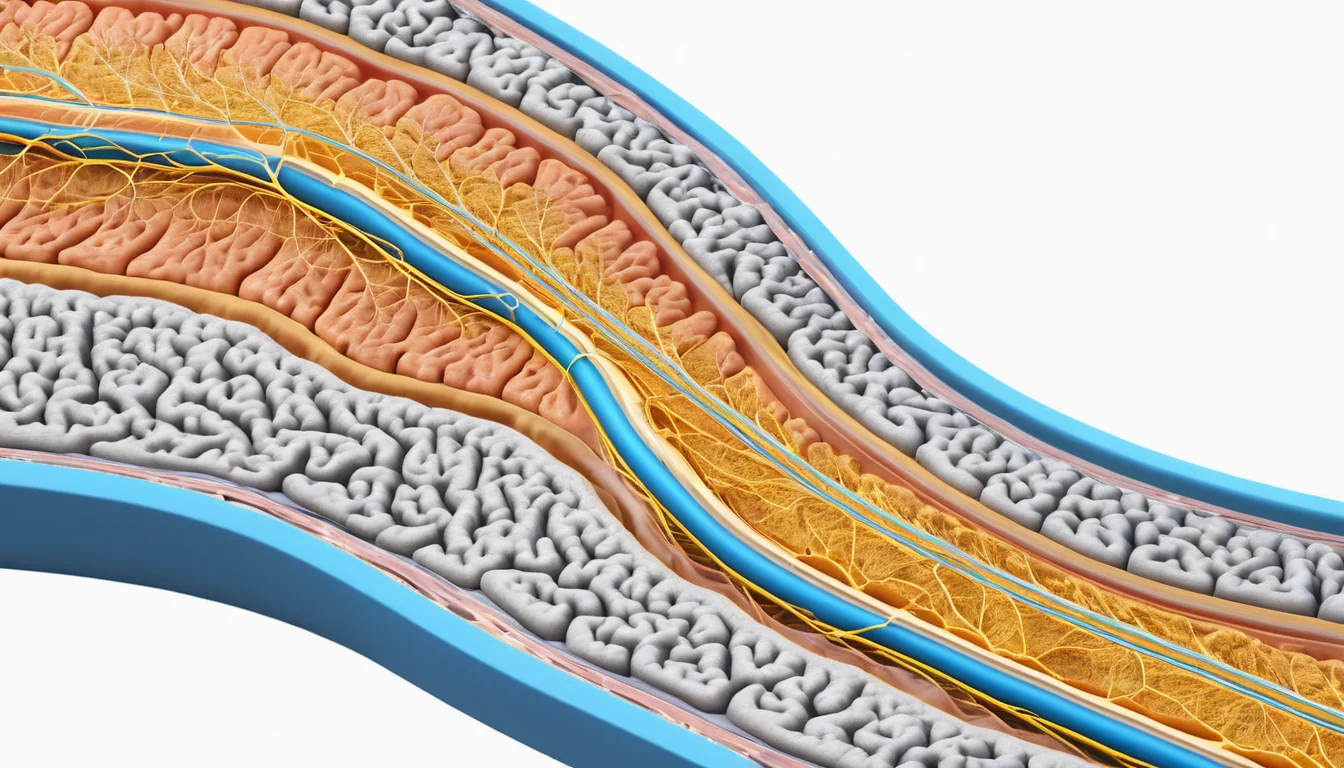
Spasticity is a neuromuscular condition. It happens when damage to the brain or spinal cord disrupts the signals that control voluntary movement. This disruption throws off the balance between the nervous system and the muscles.
Spasticity is most common in people who have had a stroke. However, it can also affect people living with multiple sclerosis, cerebral palsy, spinal cord injuries, or traumatic brain injuries.
According to Mayo Clinic’s overview of spasticity, the condition results from damage to the part of the brain or spinal cord that manages movement. In stroke survivors, spasticity often appears between three and six weeks after the stroke occurs. Research also shows that muscle symptoms can continue to worsen for up to six months after a stroke.
How Does Spasticity Feel? Common Symptoms
Spasticity after stroke makes muscles feel rigid and contracted. This stiffness can make it hard to stretch, move comfortably, or carry out everyday tasks. It can also affect how a person speaks, walks, and moves around.
Some common physical signs include:
- A wrist that bends inward and is hard to straighten
- A hand that forms a tight, clenched fist
- A thumb that pulls into the palm
- Muscle spasms that happen without warning
- Difficulty walking or maintaining balance
These symptoms vary from person to person. Some people experience mild stiffness, while others find that the condition significantly limits their daily activities.
What Happens If Spasticity Goes Untreated?
Leaving spasticity after stroke untreated can lead to serious complications. These include overactive reflexes, pressure sores, chronic constipation, and urinary tract infections.
One of the most concerning complications is muscle contracture. This is when the muscles of the hand and wrist tighten and shorten over time. As a result, it can cause permanent joint deformity and lasting changes to posture. Early treatment helps prevent these outcomes.
Treatment Options for Spasticity After Stroke
Fortunately, there are several effective treatments available for spasticity after stroke. Most patients get the best results from combining more than one approach. Your rehabilitation specialist or family doctor can help you find the right combination based on the severity of your symptoms.
For more background on stroke rehabilitation in Canada, visit Health Canada’s health information resources.
Oral Muscle Relaxants
One common treatment option is oral medication. These drugs work by blocking certain neurotransmitters in the nervous system, which helps muscles relax. They are commonly known as muscle relaxants.
However, oral muscle relaxants have some limitations. They relax all muscles in the body — not just the ones affected by spasticity. Some medications also cause side effects such as drowsiness or fatigue. It is important to understand that these drugs are not a cure. They work best when combined with stretching and strengthening exercises.
Botulinum Toxin Injections
Botulinum toxin injections — commonly known as Botox — are another treatment option. Unlike oral medications, injections allow your doctor to target specific muscles that are affected by spasticity.
Botulinum toxin is a neurotoxin that blocks the chemical signal telling a muscle to contract. When injected into affected muscles, it reduces the risk of spasms and stiffness. This reduction in spasticity can make it easier for patients to participate in physiotherapy and perform recovery exercises.
Stretching Exercises
Stretching exercises are among the most important steps in recovering from spasticity after stroke. They are simple, low-cost, and effective. Stretching is often used alongside other treatments, especially when spasticity is more severe.
A physiotherapist can teach you passive range-of-motion (PROM) exercises. In PROM exercises, an outside force moves the affected muscles. This force could be your unaffected hand, a specialised machine, or another person helping you. These exercises help prevent joint stiffness, stretch tight muscles, and maintain your range of motion. Aim to do them at least three times per day.
Exercises You Can Do at Home
In addition to guided physiotherapy, there are several exercises you can practise at home to help manage spasticity after stroke. Always check with your physiotherapist or doctor before starting a new exercise routine.
Weight Shifting
Sit upright in a chair with your back straight. Slowly shift your weight to one side, hold for a few seconds, then return to the centre. Repeat on the other side. Aim for six to ten repetitions on each side.
Shoulder Blade Protraction
Sit in a chair and extend your arms out in front of you at shoulder height with hands clasped together. Gently tilt your neck forward and hold the position for a few seconds. Release and relax your arms. Repeat six to ten times.
Soft Ball Squeeze
Hold a soft ball in your affected hand. Squeeze it gently for a few seconds, then release. Repeat 20 times or do two sets of ten. This exercise helps strengthen the muscles in your hand and fingers.
Ball Pinch
Pick up a small soft ball with your affected hand using your thumb, index finger, and middle finger. Squeeze gently using only the fingertips, hold for a few seconds, then relax. Repeat 20 times or do two sets of ten.
Wrist Flexion and Extension
Sit beside a table with your affected elbow resting on the surface and your forearm pointing upward. Hold a small water bottle in your affected hand. Use your wrist to slowly curl the bottle upward, then lower it back down. Repeat four to five times.
These exercises are a helpful starting point. Furthermore, a registered physiotherapist can tailor a more complete programme to your specific needs and abilities.
Lifestyle Changes That Support Recovery
Beyond formal treatment, certain lifestyle changes can help reduce spasticity symptoms after a stroke. These changes support your overall health and make your rehabilitation programme more effective.
Consider the following habits:
- Stay active: Gentle movement throughout the day helps prevent stiffness from setting in.
- Maintain a healthy sleep routine: Rest is essential for brain and muscle recovery.
- Stay hydrated: Dehydration can worsen muscle cramps and spasms.
- Eat a balanced diet: A diet rich in fibre and nutrients supports overall neurological health.
- Avoid triggers: Stress, infections, and extreme temperatures can sometimes worsen spasticity symptoms.
According to Healthline’s guide on spasticity, managing triggers and staying consistent with your rehabilitation plan can make a meaningful difference in daily functioning.
When to See a Doctor
If you or a loved one has had a stroke and you notice muscle stiffness, tightening, or difficulty moving, speak with a healthcare provider as soon as possible. Early treatment leads to better outcomes.
You can start by booking an appointment with your family doctor. If you do not have a family doctor, a walk-in clinic can assess your symptoms and refer you to a rehabilitation specialist or neurologist. Most provincial health plans in Canada cover physiotherapy referrals and medical consultations related to stroke recovery.
Do not wait for symptoms to become severe. The sooner spasticity after stroke is identified and treated, the better your chances of maintaining function and independence.
What is spasticity after stroke?
Spasticity after stroke is a neuromuscular condition where muscles become stiff, tight, and difficult to control. It happens because stroke damage disrupts the brain’s ability to send proper movement signals to the muscles. Between 25% and 43% of stroke survivors experience it within the first year.
How long does spasticity last after a stroke?
Spasticity after stroke often develops between three and six weeks following the event. Symptoms can continue to worsen for up to six months. However, with consistent treatment and physiotherapy, many people experience significant improvement over time.
What are the best treatments for spasticity after stroke?
The most effective approach to treating spasticity after stroke usually combines several methods. These include oral muscle relaxants, botulinum toxin (Botox) injections, and regular stretching and physiotherapy exercises. Your doctor or rehabilitation specialist can recommend the right combination for your situation.
Can stretching exercises help with spasticity after stroke?
Yes, stretching exercises are one of the most important tools for managing spasticity after stroke. Passive range-of-motion exercises in particular help prevent joint stiffness and maintain muscle flexibility. A physiotherapist can guide you through a safe and effective stretching routine.
Is spasticity after stroke covered by provincial health plans in Canada?
Most provincial health plans in Canada cover medical consultations and referrals related to stroke recovery, including assessments for spasticity. Coverage for physiotherapy and rehabilitation services varies by province. Speak with your family doctor or contact your provincial health authority for details specific to your situation.
What happens if spasticity after stroke is left untreated?
According to Mayo Clinic’s overview of spasticity symptoms and causes, this information is supported by current medical research.
For more information, read our guide on muscle stiffness conditions like piriformis syndrome.
If spasticity after stroke goes untreated, it can lead to complications such as muscle contracture, joint deformity, pressure sores, and chronic constipation. Over time, untreated spasticity can significantly reduce a person’s mobility and quality of life. Early treatment greatly reduces the risk of these long-term complications.
Key Takeaways
- Spasticity after stroke affects up to 43% of stroke survivors and causes muscle stiffness and loss of movement control.
- Symptoms typically begin three to six weeks after a stroke and may worsen for up to six months.
- Common treatments include oral muscle relaxants, botulinum toxin injections, and physiotherapy exercises.
- Home exercises such as ball squeezes, wrist flexion, and weight shifting can support recovery alongside formal treatment.
- Lifestyle habits like staying active, eating a fibre-rich diet, and managing stress also help reduce symptoms.
- Talk to your family doctor or visit a walk-in clinic if you notice signs of spasticity — early treatment matters.
- Always consult a qualified healthcare provider before starting any new treatment or exercise programme for spasticity after stroke.
Frequently Asked Questions
What is spasticity after stroke?
Spasticity after stroke is a muscle control disorder caused by brain damage that disrupts nerve signals. It results in stiff, tight, or involuntarily contracting muscles, most commonly affecting the arm, hand, or leg. It affects up to 40% of Canadian stroke survivors and can develop within days or months after the stroke.
What are the symptoms of spasticity after stroke?
Symptoms of spasticity after stroke include muscle stiffness, painful spasms, exaggerated reflexes, and abnormal posture such as a clenched fist or bent elbow. Affected limbs may feel tight or difficult to move. Symptoms range from mild muscle tightness to severe stiffness that interferes with daily activities, hygiene, and rehabilitation.
How is post-stroke spasticity treated in Canada?
Post-stroke spasticity is treated using a combination of physiotherapy, occupational therapy, oral medications like baclofen or tizanidine, and botulinum toxin (Botox) injections. Severe cases may require intrathecal baclofen pump implantation. Canadian rehabilitation teams typically create individualized treatment plans to improve function, reduce pain, and prevent complications like contractures.
Can spasticity after stroke be prevented or reduced?
Spasticity after stroke cannot always be fully prevented, but early rehabilitation significantly reduces its severity. Starting physiotherapy soon after stroke, performing regular stretching exercises, maintaining proper limb positioning, and using splints or orthotic devices can slow progression. Prompt medical management helps prevent permanent joint stiffening and muscle shortening over time.
When should you see a doctor for stroke-related spasticity?
See a doctor if muscle stiffness, pain, or spasms interfere with movement, sleep, personal care, or rehabilitation progress. Early medical assessment is especially important if spasticity develops suddenly, worsens quickly, or causes skin breakdown or joint deformity. Early treatment in Canada improves long-term outcomes and quality of life for stroke survivors.

About the Author
Dr. James Okafor, MD, PhDDr. James Okafor holds an MD and PhD in Neurological Sciences from McGill University. With 12 years of experience in clinical neurology and mental health research, he has contributed to landmark studies on depression, anxiety, and cognitive health. Dr. Okafor is a Fellow of the Royal College of Physicians and Surgeons of Canada and serves on the editorial board of two peer-reviewed journals.
View all articles →