Addiction and the Brain: How Environment Fuels Cravings

Share
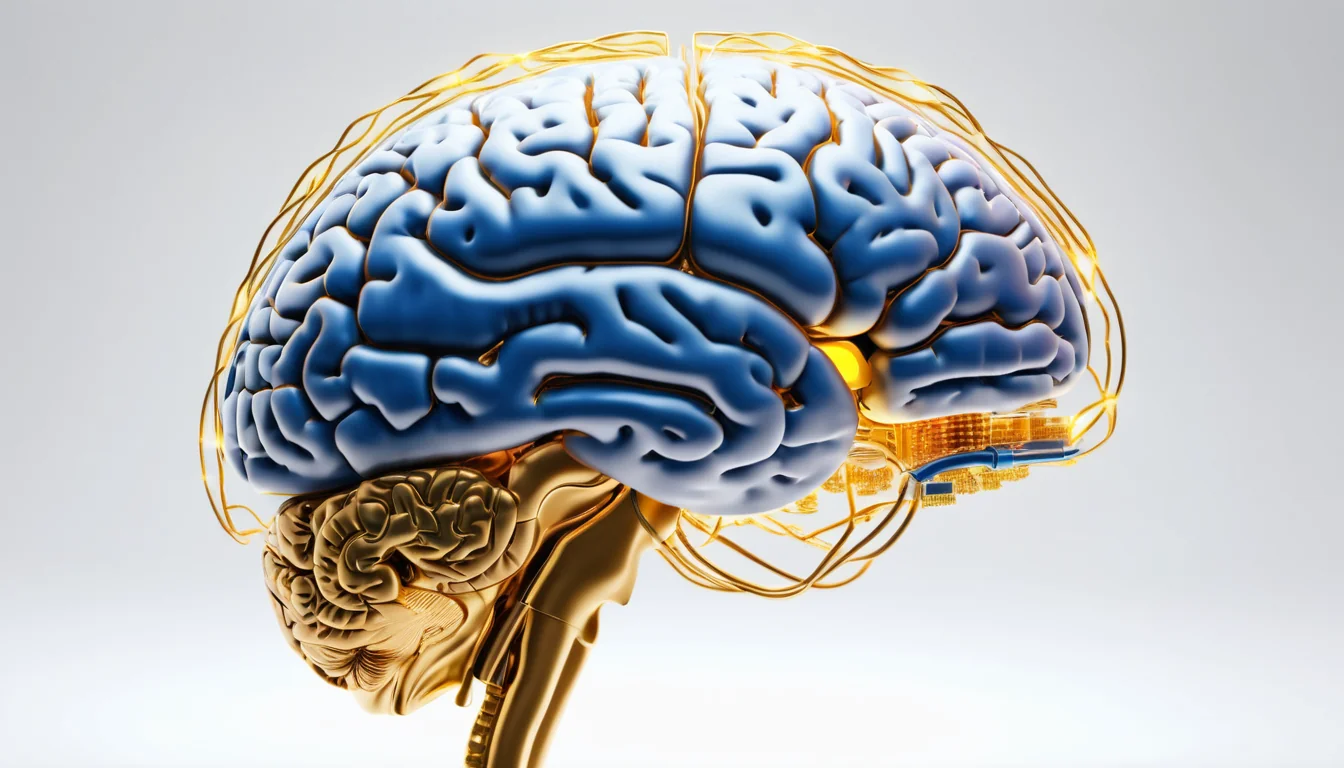
Addiction and the brain are deeply connected in ways that challenge everything we thought we knew about willpower and habit. Modern neuroscience reveals that cravings are not a sign of weakness — they are driven by powerful chemical and structural changes in the brain that can be triggered by everyday environments, from restaurants to living rooms. For millions of Canadians, understanding this connection is the first step toward lasting recovery.
How Addiction and the Brain Create Powerful Cravings
Research into dopamine and cravings shows that the places we spend time in can activate the same brain circuits involved in substance use. Familiar settings, social situations, and even specific sounds or smells can spark intense urges that feel almost impossible to resist. This article explores the science behind environmental triggers, what Canadian researchers have discovered about memory and addiction, and practical strategies — including cognitive behavioural therapy — that can help break the cycle.
What Is Addiction? More Than Just Drugs and Alcohol
| Environmental Risk Factor | Impact on Brain Chemistry | Severity of Influence | Prevention Strategy |
|---|---|---|---|
| Childhood Trauma or Abuse | Disrupts development of the prefrontal cortex and alters dopamine regulation, increasing vulnerability to substance use disorders | High | Early access to trauma-informed therapy; connect with provincial mental health programs such as those offered through CAMH |
| Peer Social Networks with Substance Use | Repeated exposure triggers conditioned cue-reactivity in the mesolimbic reward pathway, reinforcing craving responses | High | Supportive peer programs, school-based prevention initiatives, and community recreation programs across Canadian provinces |
| Chronic Stress and Financial Hardship | Elevates cortisol levels, suppresses prefrontal control circuits, and sensitizes the brain’s stress-response systems to substance cues | Moderate to High | Access to social support services, income assistance programs, and stress management counselling through provincial health authorities |
| Easy Availability of Substances | Increases frequency of dopamine-reward activation, accelerating neuroadaptation and tolerance development | Moderate to High | Harm reduction policies, regulated substance access through programs like the BC safer supply initiative, and public education campaigns |
| Environmental Cues and Triggers (places, people, objects) | Activates conditioned memories stored in the amygdala and hippocampus, producing intense involuntary cravings | Moderate | Cognitive behavioural therapy (CBT), cue exposure therapy, and relapse prevention planning through addiction medicine specialists |
Most people think of addiction as something tied to drugs or alcohol. However, addiction covers a much wider range of behaviours. Gambling, smoking, overeating, video gaming, and other pleasurable activities can all become addictions.
An addiction develops when a person craves an activity or substance so strongly that they struggle to resist it. The urge feels overwhelming, even when the person knows the behaviour is causing harm. In Canada, Health Canada offers resources to help Canadians understand and address substance use.
Addiction affects people of all backgrounds. It is not a character flaw. It is a complex condition rooted in brain chemistry, behaviour, and environment.
Addiction and the Brain: The Role of Dopamine
At the centre of addiction and the brain is a chemical called dopamine. Dopamine is a neurotransmitter — a messenger that carries signals between brain cells. It plays a key role in how we feel pleasure, motivation, and reward.
When you do something enjoyable, your brain releases dopamine. This creates a feeling of satisfaction and well-being. The brain then remembers what triggered that feeling and urges you to do it again.
How Dopamine Drives Cravings
In people with addiction, the brain’s reward pathways become highly sensitive. Even a small reminder of a pleasurable activity can trigger a strong dopamine response. For example, walking past a place where you used to smoke can make cravings feel almost unbearable.
Dopamine is sometimes called the hormone of “sex, drugs, and rock ‘n’ roll.” This nickname reflects how broadly it influences our sense of pleasure. However, it also plays a quieter but equally important role in learning and memory — which brings us to a fascinating area of Canadian research.
According to the Mayo Clinic, changes in brain chemistry make addiction very difficult to control without support. This is why professional treatment is often necessary.
How Your Environment Triggers Addiction
Have you ever walked into a restaurant and suddenly felt hungry, even though you were not hungry moments before? The smell of food, the sight of a menu, or even familiar background music can all stimulate your appetite. This happens because your brain connects environmental cues to past experiences.
In addiction, these same environmental cues can activate the brain’s reward system. A certain street, a particular group of friends, or even a specific time of day can trigger intense cravings. These triggers are sometimes called “environmental cues.”
Why Familiar Places Feel So Powerful
Research published in the journal Learning and Memory explored exactly this phenomenon. Scientists found that the environment where a substance is used becomes deeply linked to the experience of using it. As a result, returning to that environment — even without the substance — can reawaken cravings and memories.
This is not a sign of weakness. It is a natural function of how the brain stores memories. The challenge is that addiction essentially hijacks this system, making environmental triggers far more powerful than they would be otherwise.
Canadian Research: What Scientists Discovered About Memory and Addiction
Researchers at the Department of Psychology and the Collaborative Neuroscience Programme at the University of Guelph in Ontario have been studying the link between addiction and memory. Their findings shed important new light on why recovery is so difficult — and how it can be made easier.
The research team conducted experiments using laboratory animals. They administered nicotine and cocaine and then tested how well the animals remembered new objects and environments.
What the Experiments Showed
The researchers found something striking. When drugs like nicotine and cocaine were given alongside specific environmental cues, those cues later triggered stronger memories — even when no drug was present. In other words, the environment itself became a powerful memory trigger.
Animals that were tested in rooms where drugs had been used showed much more active memory responses. Animals tested in neutral rooms, where no drugs had been given, showed far weaker memory activity. Therefore, the environment played a direct role in how strongly addiction-related memories were recalled.
Furthermore, the study suggested that nicotine and cocaine actually enhanced long-term memory formation. This helps explain why addiction memories can feel so vivid and persistent, sometimes years after a person has stopped using a substance.
What This Means for Recovery
These findings suggest that environmental cues do not just trigger cravings — they actively reinforce memory. For someone in recovery, this means that avoiding certain places, people, or situations is not just helpful advice. It may be a critical part of the healing process.
The research also opens the door to new approaches in treatment. If environmental cues can strengthen addiction-related memories, they might also be used — in a controlled therapeutic setting — to strengthen recovery-related memories and healthier behaviours.
Cognitive Behavioural Therapy and Breaking the Cycle
Understanding how addiction and the brain interact has practical benefits for treatment. One of the most effective treatments available is cognitive behavioural therapy, often called CBT.
CBT is a short-term, structured form of therapy. It teaches people to identify unhelpful thought patterns and replace them with healthier ways of thinking and behaving. In addiction treatment, CBT helps people recognise their environmental triggers and develop strategies to manage them.
For example, a person recovering from smoking addiction might work with a therapist to identify which places or emotions trigger the urge to smoke. They then practise new responses to those triggers. Over time, the brain begins to form new associations — and the old cravings lose some of their power.
CBT is widely available across Canada through provincial mental health programmes, community health centres, and private therapists. Many provincial health plans cover CBT when delivered by a registered psychologist or social worker. Ask your family doctor for a referral.
Practical Steps to Manage Environmental Triggers
Knowing that your environment affects addiction and the brain is empowering. It means there are concrete steps you can take to support your recovery or help a loved one. Here are some strategies that mental health professionals recommend:
- Identify your triggers: Make a list of places, people, or situations that make cravings worse. Awareness is the first step.
- Change your routines: Try a different route to work, visit new coffee shops, or spend time in environments you associate with positive activities.
- Build new memories: Create positive experiences in neutral or new environments. Over time, these new memories can compete with old addiction-linked ones.
- Seek social support: Surround yourself with people who support your recovery. Social cues are as powerful as physical environments.
- Use professional support: CBT, group therapy, and peer support programmes are all effective tools available across Canada.
- Be patient with yourself: Recovery is not linear. Environmental triggers can resurface unexpectedly, especially during stressful times.
When to See a Doctor
If you or someone you care about is struggling with addiction, please reach out for help. You do not have to manage this alone. Start by speaking with your family doctor or visiting a walk-in clinic — both are accessible first steps in most Canadian provinces and territories.
Your family doctor can assess your situation, discuss treatment options, and refer you to addiction specialists, mental health programmes, or community support services covered by your provincial health plan. There is no need to feel embarrassed. Addiction is a medical condition, and effective help is available.
In a crisis, you can also contact the Substance Use and Addictions Helpline in your province. Many provinces offer free, confidential phone and text support around the clock.
Always consult a qualified healthcare provider before making changes to any treatment plan or before stopping any substance use, as withdrawal can sometimes require medical supervision.
Frequently Asked Questions
How does addiction affect the brain?
Addiction and the brain are closely linked through the release of dopamine, a chemical that creates feelings of pleasure and reward. Over time, repeated substance use or addictive behaviour changes the brain’s reward pathways, making it harder to feel pleasure from everyday activities. These changes can make cravings feel very intense and difficult to control without professional support.
Can your environment really trigger addiction cravings?
Yes — research confirms that environmental cues play a powerful role in addiction and the brain’s response to triggers. Places, smells, sounds, or people associated with past substance use can activate the brain’s memory and reward systems, producing strong cravings even after a long period of abstinence. This is why changing your environment is often recommended as part of a recovery plan.
What is dopamine and why does it matter in addiction?
Dopamine is a neurotransmitter — a brain chemical — that carries signals related to pleasure, motivation, and reward. In addiction, substances or behaviours cause large surges of dopamine, which the brain remembers and seeks to repeat. Understanding how dopamine works is key to understanding addiction and the brain’s role in fuelling dependence.
Is cognitive behavioural therapy effective for addiction?
Cognitive behavioural therapy (CBT) is one of the most well-supported treatments for addiction. It helps people identify the environmental and emotional triggers linked to their addictive behaviour and develop healthier responses. In Canada, CBT is available through provincial health programmes, mental health centres, and private therapists — ask your family doctor for a referral.
What types of addiction are most common in Canada?
Common addictions in Canada include alcohol use disorder, tobacco and nicotine addiction, opioid dependence, cannabis use disorder, and gambling addiction. Behavioural addictions — such as compulsive gaming or food addiction — are also increasingly recognised by health professionals. Health Canada provides guidance and resources for all of these conditions.
Where can Canadians get help for addiction?
According to Health Canada’s substance use resources, this information is supported by current medical research.
For more information, read our guide on what every Canadian should know about HIV and substance use disorder.
Canadians can access addiction support through their family doctor, walk-in clinics, provincial mental health and addiction services, and community health centres. Most provincial health plans cover some form of addiction treatment, including counselling and medical support. You can also visit the Health Canada website for a directory of substance use resources available in your province or territory.
Key Takeaways
- Addiction and the brain are deeply connected through dopamine, the brain’s reward chemical.
- Environmental cues — such as places, smells, and people — can trigger powerful cravings by activating addiction-related memories.
- Canadian researchers at the University of Guelph found that drugs like nicotine and cocaine enhance memory formation, making addiction harder to shake.
- Cognitive behavioural therapy (CBT) is an effective, evidence-based treatment that helps people manage environmental triggers and change addictive thought patterns.
- Recovery is possible. Canadians can access support through their family doctor, walk-in clinics, and provincial health programmes.
- Always speak with a healthcare provider before making changes to your treatment or stopping substance use, as some withdrawals require medical supervision.
Frequently Asked Questions
What is the connection between addiction and the brain?
Addiction and the brain are deeply linked through the dopamine reward system. Substances or behaviours hijack this system, flooding the brain with dopamine and reinforcing compulsive use. Over time, the brain restructures itself, reducing natural reward responses and making it increasingly difficult to feel pleasure without the addictive substance or behaviour.
How does your environment trigger addiction cravings?
Environmental cues — such as people, places, stress, or even specific smells — activate memory pathways in the brain linked to past substance use. These triggers release dopamine anticipation signals, producing intense cravings. For Canadians in recovery, identifying and avoiding high-risk environments is a critical component of relapse prevention strategies.
What are the warning signs of addiction and the brain being affected?
Warning signs include intense cravings, inability to control substance use, neglecting responsibilities, mood swings, poor decision-making, and continuing use despite harmful consequences. These symptoms reflect measurable changes in brain structure and function, particularly in areas governing impulse control, judgment, and emotional regulation.
Can addiction and environmental triggers be treated effectively in Canada?
Yes. Evidence-based treatments including cognitive behavioural therapy (CBT), medication-assisted treatment (MAT), and residential programs are widely available across Canada. These approaches help rewire brain pathways, manage environmental triggers, and build coping strategies. Canadians can access support through provincial health services or by calling 1-800-565-8603.
When should you see a doctor about addiction symptoms?
See a doctor immediately if substance use is interfering with daily life, relationships, or work, or if you experience withdrawal symptoms when stopping use. Early medical intervention significantly improves outcomes. Canadian physicians can provide referrals to addiction specialists, mental health services, and community-based recovery programs covered under provincial health plans.

About the Author
Dr. Michael Ross, MD, FRCSCDr. Michael Ross is a fellowship-trained orthopedic surgeon at the University of Alberta Hospital, specializing in joint replacement and sports medicine. A Fellow of the Royal College of Surgeons of Canada (FRCSC), he has over 18 years of surgical experience and has authored multiple textbook chapters on musculoskeletal health. Dr. Ross is passionate about patient education and evidence-based medicine.
View all articles →