Gambling Addiction: Signs, Prevention & Help in Canada

Share
Gambling addiction is a serious health condition that can affect anyone in Canada, regardless of age, income, or background. What begins as harmless entertainment can quietly spiral into a compulsive pattern that becomes increasingly difficult to control, damaging finances, relationships, and mental well-being.
Understanding Gambling Addiction and How It Affects Canadians
Understanding the signs of gambling addiction early is one of the most important steps Canadians can take to protect themselves and their loved ones. In this comprehensive guide, we explain how problem gambling develops in Canada, who is most at risk, how to spot warning signs before they escalate, and where to find effective treatment and support across the country.
What Is Gambling Addiction?
| Treatment Option | How It Works | Key Benefits | Important Considerations |
|---|---|---|---|
| Cognitive Behavioural Therapy (CBT) | Identifies and changes harmful thought patterns and behaviours related to gambling | Strong evidence base; addresses root causes; builds long-term coping skills | Requires regular sessions; available through provincial mental health programs and private therapists |
| Gamblers Anonymous (GA) | Peer-led 12-step support group program with regular meetings | Free of charge; wide availability across Canadian provinces; ongoing community support | Requires personal commitment; effectiveness varies by individual; not a clinical treatment |
| Problem Gambling Helplines | Confidential phone or online counselling through provincial services (e.g., ConnexOntario, CAMH) | Immediately accessible; anonymous; available 24/7 in most provinces | May not replace in-person therapy for severe gambling addiction; varies by province |
| Residential Treatment Programs | Intensive inpatient care combining therapy, counselling, and structured support | Suitable for severe cases; removes individual from gambling triggers; comprehensive care | Limited availability in Canada; may involve waitlists; requires time away from work or family |
| Medication-Assisted Treatment | Medications such as naltrexone used to reduce urges and compulsive gambling behaviours | Can reduce cravings; most effective when combined with therapy | Prescribed by a physician; not a standalone solution; potential side effects require monitoring |
Gambling addiction, also called compulsive gambling or problem gambling, is an uncontrollable urge to keep gambling — even when it causes real harm to your life. It is recognized as a legitimate mental health disorder, similar in many ways to substance addiction.
This condition can develop through any form of gambling. That includes slot machines, poker, blackjack, roulette, sports betting, and online casinos. No single type of gambling is “safe” from the risk of addiction.
According to Health Canada, problem gambling affects a significant number of Canadians and is considered a public health concern. The good news is that it is treatable, especially when caught early.
How Gambling Addiction Develops
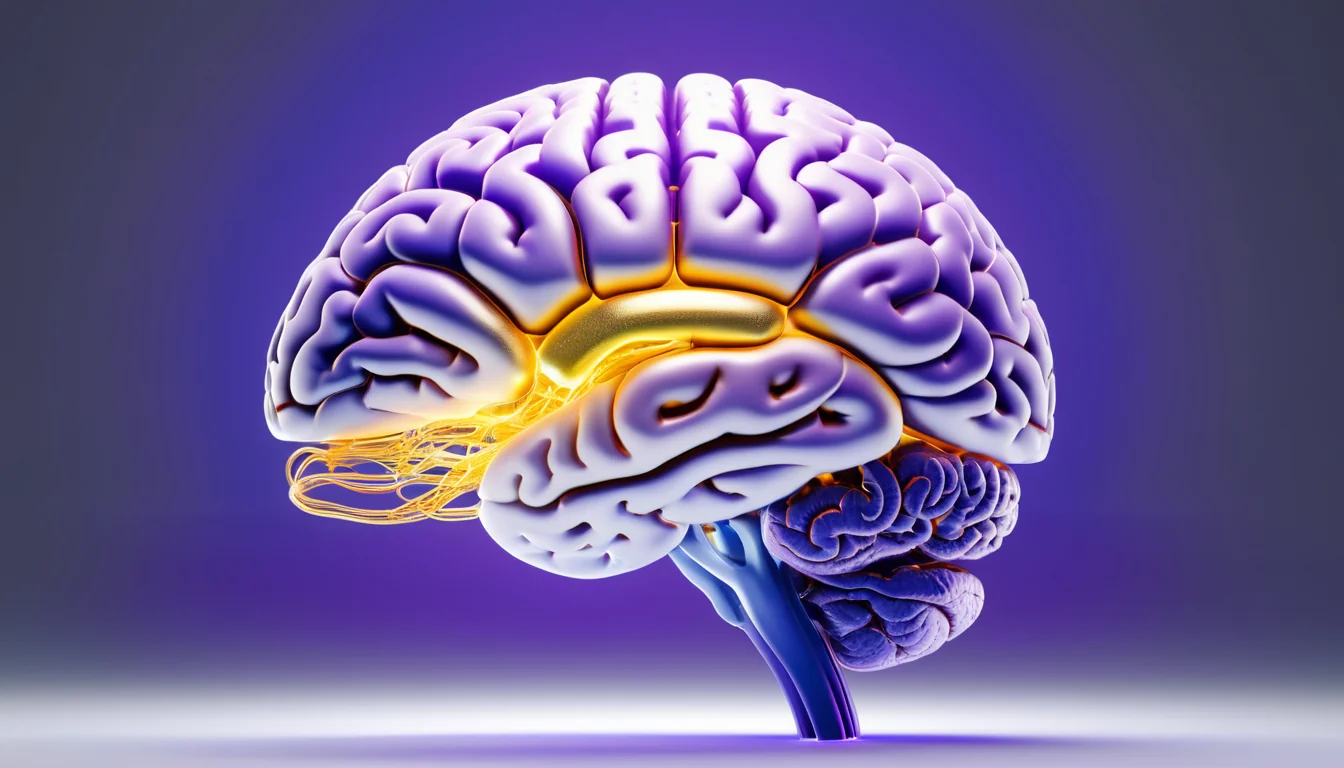
Research shows that gambling activates the brain’s reward system in much the same way that drugs or alcohol do. When you win — or even just anticipate winning — your brain releases dopamine. Dopamine is the chemical that makes you feel good.
Over time, the brain adapts. It stops releasing as much dopamine in response to the same level of gambling. As a result, a person needs to gamble more and more just to feel the same satisfaction. This creates a vicious cycle that becomes very difficult to break.
Most casual gamblers can stop when they run out of money or decide to walk away. However, someone with a gambling addiction feels compelled to keep playing — often chasing losses in the hope of winning back what they spent. This behaviour is a key warning sign.
Who Is at Risk?
Gambling addiction does not discriminate. It can develop in men and women, young adults and seniors, and people from all walks of life. However, certain factors can raise a person’s risk. These include a family history of addiction, mental health conditions like depression or anxiety, and early exposure to gambling.
The Mayo Clinic also notes that people who feel lonely, bored, or under stress may be more vulnerable to developing problem gambling habits.
Warning Signs of Gambling Addiction
Spotting gambling addiction early makes it much easier to treat. Both the person gambling and those close to them should watch for these warning signs.
A person may have a gambling problem if they:
- Think about gambling constantly, even during work, family time, or social events
- Need to bet larger and larger amounts to feel the same excitement
- Become irritable, anxious, or restless when trying to cut back or stop
- Chase losses by gambling more after a losing streak
- Lie to family members or friends about how much time or money they spend gambling
- Miss work, school, or important family responsibilities because of gambling
- Borrow money from friends, family, or financial institutions to fund gambling
- In severe cases, steal money to continue gambling
If you recognise several of these signs — in yourself or someone you love — it is important to take action. Gambling addiction rarely improves on its own without support.
Responsible Gambling: How to Keep It Fun
Not everyone who gambles will develop an addiction. Many Canadians enjoy gambling as a form of entertainment without any negative consequences. The key is to practise responsible gambling from the very beginning.
Set a Clear Budget
One of the most effective strategies is to set a strict budget before you start. After covering your essential monthly expenses — rent or mortgage, bills, groceries, and any loan payments — decide how much you can genuinely afford to lose. Treat that amount as the cost of entertainment, not an investment.
You can divide your gambling budget by week or even by session. When that money is gone, the session is over — full stop. This simple boundary can prevent small losses from growing into major financial problems.
Use the Tools Online Casinos Provide
Licensed online casinos are required to offer responsible gambling tools. These include session time reminders, deposit limits, and self-exclusion options. Many platforms send pop-up notifications to remind you how long you have been playing.
If you feel your gambling is getting out of hand, you can request a temporary or permanent account suspension. Vulnerable players and minors are also legally protected from accessing gambling platforms. Take advantage of these features — they exist for a reason.
Treat Gambling as Entertainment, Not Income
A healthy mindset is essential. Always view gambling as a form of entertainment — like going to a movie or dining out. Never rely on gambling to pay bills or solve financial problems. This mindset shift alone can significantly reduce the risk of developing problem gambling behaviour.
Furthermore, if you are on a losing streak, walk away. Taking a break of several days before returning can interrupt the emotional cycle that drives compulsive gambling.
Treatment Options for Gambling Addiction in Canada
If gambling addiction has already taken hold, professional help is available across Canada. Treatment is effective, and many people do recover fully with the right support.
Common treatment approaches include:
- Cognitive Behavioural Therapy (CBT): This type of talk therapy helps you identify and change the thought patterns that drive compulsive gambling. It is one of the most well-researched treatments for gambling addiction.
- Medication: In some cases, a psychiatrist may prescribe medication to help manage underlying conditions like anxiety or depression that contribute to problem gambling.
- Inpatient treatment programmes: For severe cases, residential treatment at a specialised centre may be recommended.
- Support groups: Groups like Gamblers Anonymous offer peer support from others who understand the struggle firsthand.
According to the World Health Organization, gambling disorder is classified as a recognised mental health condition. Seeking treatment is a sign of strength, not weakness.
When to See a Doctor
If you or someone close to you is showing signs of gambling addiction, do not wait. Speak with your family doctor as a first step. They can assess the situation, provide a referral to a mental health professional, and connect you with local resources covered under your provincial health plan.
If you do not have a family doctor, a walk-in clinic is a good option. Walk-in clinic physicians can also refer you to addiction counselling services in your area. Most provinces offer publicly funded addiction treatment programmes — you do not have to go through this alone, and you do not have to pay out of pocket to get started.
Please speak with a qualified healthcare provider before making any decisions about treatment. Every person’s situation is different, and a doctor can help you find the right path forward.
Frequently Asked Questions About Gambling Addiction
What are the first signs of gambling addiction?
The earliest signs of gambling addiction include thinking about gambling constantly, needing to bet more money to feel excited, and feeling anxious or irritable when you try to stop. You might also notice that you are hiding your gambling habits from friends or family. Catching these signs early makes treatment much more effective.
Can gambling addiction be treated in Canada?
Yes, gambling addiction is very treatable in Canada. Treatment options include cognitive behavioural therapy, medication, support groups, and residential programmes. Many provincial health plans cover addiction treatment services, so speak with your family doctor or visit a walk-in clinic to find out what is available in your area.
Is problem gambling the same as gambling addiction?
Problem gambling and gambling addiction are closely related terms. Problem gambling refers to any gambling behaviour that disrupts your daily life, relationships, or finances. Gambling addiction, or compulsive gambling, is generally considered the more severe end of that spectrum, where a person has lost control and cannot stop despite serious consequences.
How does gambling affect the brain?
Gambling triggers the brain’s reward system by releasing dopamine, the same chemical involved in drug and alcohol addiction. Over time, the brain requires more and more gambling stimulation to produce the same feel-good response. This is why gambling addiction can become progressively worse without intervention.
Where can I get help for gambling addiction in Canada?
You can start by speaking with your family doctor or visiting a walk-in clinic — both can refer you to addiction services covered by your provincial health plan. Many provinces also have dedicated problem gambling helplines available 24 hours a day. Gamblers Anonymous chapters operate across Canada and offer free peer support meetings.
Can you gamble responsibly to avoid addiction?
According to Health Canada’s resources on problem gambling and mental health, this information is supported by current medical research.
For more information, read our guide on what every Canadian should know about managing serious health conditions.
Yes, many people gamble responsibly without ever developing an addiction. The key is to set a firm budget you can afford to lose, treat gambling strictly as entertainment, and use the responsible gambling tools provided by licensed platforms. However, if you notice warning signs of gambling addiction developing, it is important to seek help early.
Key Takeaways
- Gambling addiction is a recognised mental health condition that can affect anyone in Canada.
- It develops when gambling repeatedly triggers the brain’s dopamine reward system, creating a compulsive cycle.
- Warning signs include chasing losses, lying about gambling, neglecting responsibilities, and borrowing money to gamble.
- Responsible gambling means setting a strict budget, using platform safety tools, and always treating gambling as entertainment.
- Effective treatments are available in Canada, including CBT, medication, and support programmes covered by provincial health plans.
- If you are concerned about your gambling behaviour, speak with your family doctor or visit a walk-in clinic as a first step.
Frequently Asked Questions
What is gambling addiction?
Gambling addiction, also called gambling disorder, is a recognized mental health condition where a person cannot control the urge to gamble despite harmful consequences. It is classified as a behavioural addiction by the DSM-5 and affects approximately 1–3% of Canadians, disrupting finances, relationships, and overall well-being.
What are the warning signs of gambling addiction?
Common warning signs include gambling with increasing amounts of money, lying about gambling habits, borrowing money to gamble, feeling restless or irritable when not gambling, and continuing to gamble after significant financial losses. Neglecting work, school, or family responsibilities is also a key indicator requiring attention.
How is gambling addiction treated in Canada?
Gambling addiction is treated through cognitive behavioural therapy (CBT), motivational interviewing, self-help groups like Gamblers Anonymous, and provincial helplines such as ConnexOntario or Gambling Support BC. Financial counselling is often recommended alongside therapy. In severe cases, residential treatment programs are available across Canadian provinces.
Can gambling addiction be prevented?
Gambling addiction can be reduced through early education, setting strict personal spending limits, avoiding gambling as a coping mechanism for stress, and using responsible gambling tools like self-exclusion programs offered by Canadian casinos. Recognizing personal risk factors such as family history or mental health conditions also helps prevent escalation.
When should I see a doctor about gambling addiction?
See a doctor or mental health professional if gambling is causing financial hardship, relationship breakdowns, anxiety, or depression, or if attempts to stop have failed. Canadian physicians can provide referrals to addiction specialists and provincial support programs. Early intervention significantly improves recovery outcomes for gambling disorder.

About the Author
Dr. Michael Ross, MD, FRCSCDr. Michael Ross is a fellowship-trained orthopedic surgeon at the University of Alberta Hospital, specializing in joint replacement and sports medicine. A Fellow of the Royal College of Surgeons of Canada (FRCSC), he has over 18 years of surgical experience and has authored multiple textbook chapters on musculoskeletal health. Dr. Ross is passionate about patient education and evidence-based medicine.
View all articles →