Increased Intracranial Pressure: Symptoms & Treatment Canada

Share
Increased intracranial pressure is a serious medical emergency that can lead to permanent brain damage, stroke, coma, or even death if it is not treated quickly. It occurs when the pressure inside the skull rises beyond safe levels, placing dangerous strain on delicate brain tissue. The good news is that with fast, appropriate care, many patients recover fully. This article explains everything Canadians need to know about this condition.
How Doctors Diagnose Increased Intracranial Pressure in Canada
Recognizing the early intracranial pressure symptoms is critical for getting timely help. Whether the cause is a head injury, brain tumour, infection, or a buildup of cerebrospinal fluid, understanding the warning signs can save lives. Below, you will find a complete guide to the causes, diagnosis, and treatment options available through the Canadian healthcare system.
What Is Increased Intracranial Pressure?
| Treatment | How It Works | Benefits | Considerations |
|---|---|---|---|
| Osmotic Therapy (Mannitol or Hypertonic Saline) | Draws excess fluid from brain tissue into the bloodstream to reduce swelling | Rapid reduction in pressure; widely available in Canadian hospitals | Requires close monitoring of electrolytes and kidney function; short-term use only |
| Surgical Decompression (Craniotomy) | Removes a portion of the skull temporarily to allow the brain to expand | Immediate mechanical relief of severe pressure; can be life-saving | Invasive procedure with risks of infection and bleeding; requires neurosurgical team |
| Cerebrospinal Fluid (CSF) Drainage | A catheter (ventriculostomy) is inserted to drain excess CSF from the ventricles | Allows continuous pressure monitoring and direct pressure relief | Risk of infection and catheter blockage; performed in intensive care units |
| Corticosteroids (e.g., Dexamethasone) | Reduces inflammation and swelling around brain tumours or abscesses | Effective for oedema related to tumours; non-surgical option | Not recommended for traumatic brain injury; potential side effects with prolonged use |
| Controlled Hyperventilation | Lowers CO₂ levels in the blood, causing cerebral blood vessels to constrict | Provides rapid, short-term pressure reduction in emergency settings | Temporary measure only; prolonged use can reduce cerebral blood flow dangerously |
| Head Positioning and General Supportive Care | Elevating the head to 30 degrees promotes venous drainage from the brain | Simple, non-invasive; used alongside other treatments in hospital settings | Supportive measure only; does not address the underlying cause of elevated pressure |
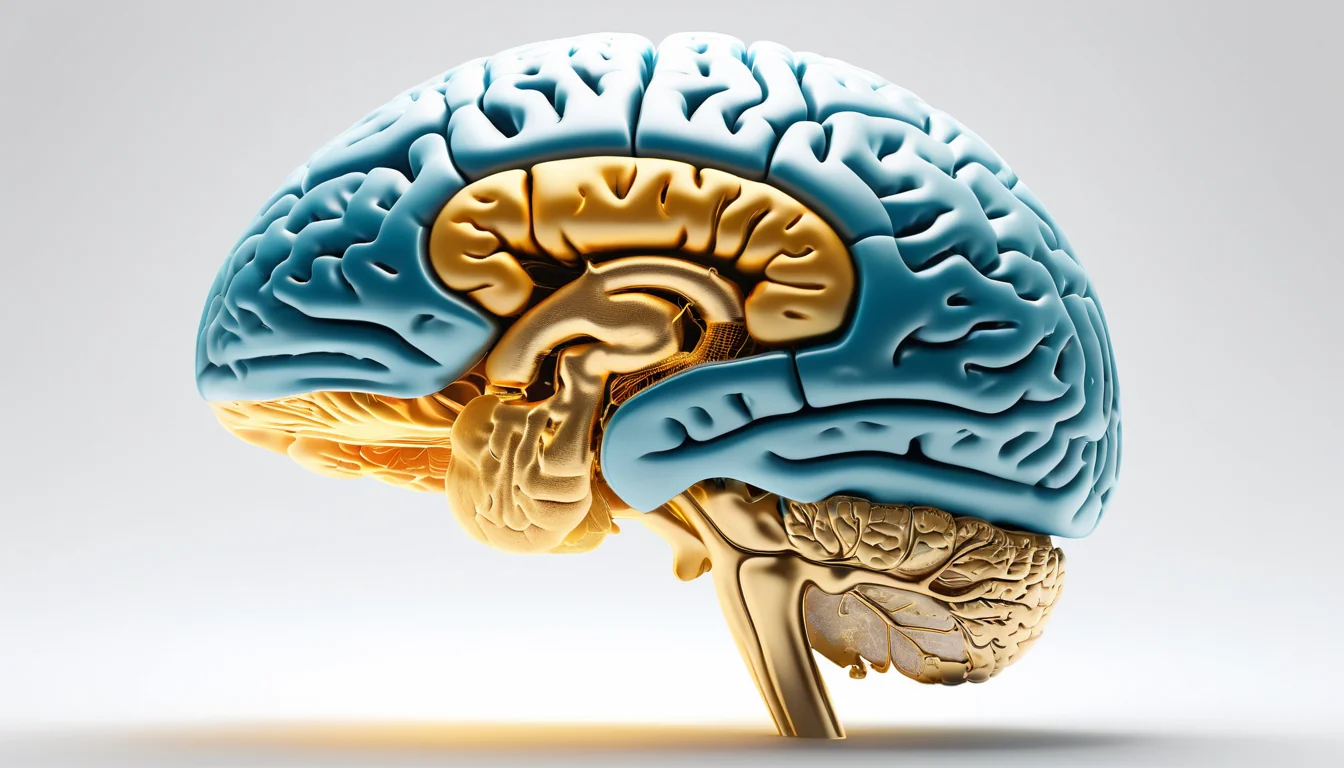
Your brain sits inside a fixed, rigid skull. Inside that space, there is brain tissue, blood, and cerebrospinal fluid (CSF). CSF is the clear liquid that cushions and protects your brain. Normally, these three elements stay in careful balance to keep pressure stable.
When something disrupts that balance, pressure inside the skull can rise. Doctors measure this pressure in millimetres of mercury (mm/Hg). A normal reading is below 20 mm/Hg. Anything above that level is considered increased intracranial pressure, also called intracranial hypertension.
Because the skull cannot expand, rising pressure has nowhere to go. As a result, it presses directly on brain tissue and can quickly cause severe harm. This is why doctors treat it as an emergency.
Symptoms of Increased Intracranial Pressure
Symptoms can vary depending on the person’s age and the underlying cause. However, recognising the warning signs early can save a life. Do not wait to see if symptoms improve on their own.
Symptoms in Adults
Adults with increased intracranial pressure may experience a range of symptoms that can come on suddenly. These include:
- Severe headache that may worsen over time
- Nausea and vomiting
- Blurred or double vision
- Pupils that do not respond to light
- Confusion or changes in behaviour
- Drowsiness or reduced alertness
- Muscle weakness
- Difficulty speaking
- Problems with movement or coordination
- Loss of consciousness
As pressure continues to rise, a person may lose consciousness and fall into a coma. Without emergency treatment, the brain can suffer irreversible damage. Furthermore, extremely high pressure can be fatal.
Symptoms in Infants and Young Children
Infants and young children may show the same symptoms as adults. However, they can also show additional signs that are unique to their age. This is because a baby’s skull bones are still soft and the sutures — the seams between the bones — have not yet fused.
When pressure builds inside a baby’s skull, the sutures may separate and the bone plates may spread apart. Another key sign is a bulging fontanelle, which is the soft spot on the top of a baby’s head. If you notice this in your infant, seek emergency care immediately.
Common Causes of Increased Intracranial Pressure
Many different medical conditions can cause pressure to rise inside the skull. Understanding the cause is essential for choosing the right treatment. Common causes include:
- Head injury or traumatic brain injury (TBI)
- Hydrocephalus — a build-up of cerebrospinal fluid in the brain
- Brain swelling (cerebral oedema)
- Brain bleeding (haemorrhage)
- Brain aneurysm
- Infections such as meningitis or encephalitis
- Stroke
- High blood pressure
- Brain tumour
- Epilepsy
- Low oxygen levels in the blood (hypoxaemia)
- Certain drug interactions or medications
In children, physical abuse can also cause increased intracranial pressure. Shaken Baby Syndrome, for example, occurs when an infant is shaken violently. This action causes serious brain injury. Adults sometimes shake babies out of frustration when a baby will not stop crying. This is extremely dangerous and can be fatal.
According to Mayo Clinic’s overview of intracranial hypertension, the condition requires prompt medical evaluation to identify the underlying cause and begin treatment as quickly as possible.
How Doctors Diagnose Increased Intracranial Pressure
If you or someone you know shows symptoms of increased intracranial pressure, call 911 immediately or go to the nearest emergency room. This is not a condition to monitor at home or manage with a walk-in clinic visit. It is a life-threatening emergency.
When you arrive at the hospital, the doctor will ask important questions to help make a diagnosis. These may include:
- Has there been a recent head injury?
- Is there a known history of brain tumour?
- Are there any known infections?
- What medications are currently being taken?
Based on your answers, the doctor will order one or more of the following tests:
Diagnostic Tests
- Neurological exam — checks your senses, balance, coordination, and mental state
- Lumbar puncture (spinal tap) — measures the pressure of your cerebrospinal fluid directly
- CT scan (computed tomography) — creates detailed images of the brain to check for bleeding, swelling, or tumours
- MRI (magnetic resonance imaging) — provides a closer look at brain tissue to find abnormalities
These tests help doctors confirm the diagnosis of increased intracranial pressure and identify its cause. Speed is critical. The faster the cause is found, the faster treatment can begin.
For more detail on how these tests work, visit Healthline’s guide to intracranial pressure.
Treatment Options for Increased Intracranial Pressure
Treatment focuses on two goals: reducing the pressure quickly and treating the underlying cause. Doctors act immediately to protect the brain from further damage.
Immediate Treatments to Reduce Pressure
The medical team may use one or more of the following approaches:
- Draining excess cerebrospinal fluid — a tube may be placed in the brain or spine to release built-up fluid
- Medications — drugs such as mannitol or hypertonic saline help draw fluid away from the brain and reduce swelling
- Oxygen therapy — some patients need supplemental oxygen to support brain function
- Sedatives — these reduce anxiety and help lower blood pressure, which eases strain on the brain
- Surgery — in rare and severe cases, surgeons may remove a small section of the skull to relieve pressure directly. This is called a decompressive craniectomy.
In the most serious cases, doctors may intentionally induce a medically controlled coma. This allows the brain to rest and reduces its need for oxygen and energy. The medical team monitors vital signs throughout the entire process.
Treating the Underlying Cause
Once the patient is stable, doctors focus on treating whatever triggered the pressure increase. For example, a bacterial infection like meningitis requires antibiotics. A brain tumour may require surgery, radiation, or chemotherapy. A stroke requires its own specific treatment pathway.
Canada’s hospital system is well equipped to handle these emergencies. Most major hospitals and regional health centres have neurology and neurosurgery teams available. Your provincial health plan covers emergency treatment for conditions like this.
Can Increased Intracranial Pressure Be Prevented?
You cannot always prevent increased intracranial pressure, since many of its causes are sudden and unpredictable. However, you can reduce your risk by lowering the chances of conditions that lead to it.
Here are some practical steps you can take:
- Wear a helmet during cycling, skiing, hockey, and other contact sports to prevent head injuries
- Use a seatbelt every time you are in a vehicle to reduce traumatic brain injury risk in accidents
- Manage high blood pressure through diet, exercise, and medication if prescribed by your doctor
- Stay up to date on vaccinations — vaccines for meningitis, for example, are available through provincial immunisation programmes
- Never shake a baby — if you feel overwhelmed, put the baby down safely and take a short break or call for help
The Health Canada website offers a range of resources on injury prevention, vaccination programmes, and managing chronic conditions that may contribute to brain health.
When to See a Doctor
If you or someone nearby suddenly develops a severe headache, loses consciousness, begins vomiting without cause, or shows confusion and weakness, call 911 right away. These symptoms may signal increased intracranial pressure and require emergency care. Do not drive yourself to the hospital.
For less urgent but ongoing concerns — such as recurring headaches, changes in vision, or unexplained fatigue — speak with your family doctor. If you do not have a family doctor, a walk-in clinic can assess your symptoms and refer you to a specialist if needed. Early evaluation can catch problems before they become emergencies.
Always consult your doctor or a qualified healthcare provider before making any decisions about your health. This article is for informational purposes only and does not replace professional medical advice.
Frequently Asked Questions
What are the first signs of increased intracranial pressure?
The earliest signs of increased intracranial pressure often include a severe and worsening headache, nausea, and vomiting. You may also notice blurred vision, confusion, or unusual drowsiness. These symptoms require immediate emergency medical attention — call 911 without delay.
What is a dangerous level of intracranial pressure?
Normal intracranial pressure is below 20 mm/Hg (millimetres of mercury). When increased intracranial pressure goes above this level, it becomes a medical concern. Pressure above 40 mm/Hg is considered severely dangerous and can cause rapid, irreversible brain damage.
Can increased intracranial pressure go away on its own?
In some very mild cases, such as idiopathic intracranial hypertension, symptoms may improve with lifestyle changes like weight loss. However, increased intracranial pressure caused by injury, infection, or bleeding is a medical emergency that will not resolve without treatment. Always seek medical evaluation immediately if you suspect this condition.
How is increased intracranial pressure treated in Canadian hospitals?
Canadian hospitals treat increased intracranial pressure with a combination of medications, fluid drainage, oxygen therapy, and sometimes surgery. Emergency departments at major hospitals and regional health centres have the neurology teams and equipment needed to manage this condition. Treatment is covered under provincial health plans.
What is the difference between intracranial pressure and blood pressure?
Blood pressure measures the force of blood flowing through your arteries throughout your body. Intracranial pressure specifically measures the pressure inside your skull, which includes brain tissue, blood, and cerebrospinal fluid. Both are important health measurements, but increased intracranial pressure is a distinct and separate condition that requires specialist care.
Can a child fully recover from increased intracranial pressure?
According to Mayo Clinic’s guide to intracranial conditions, this information is supported by current medical research.
For more information, read our guide on serious infections that every Canadian should know about.
Many children do recover fully from increased intracranial pressure, especially when treatment begins quickly. The outcome depends on the cause, how high the pressure rose, and how fast medical care was provided. Some children may need ongoing rehabilitation or monitoring, which your child’s paediatrician or specialist can help coordinate.
Key Takeaways
- Increased intracranial pressure is a medical emergency that requires immediate treatment — call 911 if you suspect it.
- Common symptoms include severe headache, vomiting, confusion, vision changes, and loss of consciousness.
- Causes include head injury, stroke, brain tumours, infections like meningitis, and hydrocephalus.
- Doctors diagnose the condition using neurological exams, CT scans, MRI, and lumbar puncture.
- Treatment includes medications, fluid drainage, oxygen therapy, and in severe cases, surgery.
- You can reduce your risk by wearing helmets, managing blood pressure, and staying vaccinated through your provincial health programme.
- Speak with your family doctor or visit a walk-in clinic for any ongoing neurological concerns. For emergencies, always call 911.
Frequently Asked Questions
What is increased intracranial pressure?
Increased intracranial pressure (ICP) is a dangerous rise in pressure inside the skull, affecting the brain and surrounding cerebrospinal fluid. It can result from brain injury, infection, stroke, or tumours. Normal ICP ranges from 7–15 mmHg in adults. Elevated levels can compress brain tissue, causing permanent damage or death if untreated.
What are the symptoms of increased intracranial pressure?
Common symptoms of increased intracranial pressure include severe headache, nausea, vomiting, vision changes, confusion, and decreased consciousness. Other warning signs are seizures, loss of coordination, and unequal pupil size. In infants, a bulging fontanelle may appear. Symptoms often worsen progressively and require immediate emergency medical attention.
How is increased intracranial pressure treated in Canada?
Treatment depends on the underlying cause and may include medications like mannitol or hypertonic saline to reduce brain swelling, corticosteroids, or surgical interventions such as drainage of cerebrospinal fluid. Severe cases may require a craniotomy. Canadian hospitals use continuous ICP monitoring in intensive care units to guide treatment decisions.
Can increased intracranial pressure be prevented?
Not all cases are preventable, but risk can be reduced by wearing helmets during contact sports and cycling, managing high blood pressure, treating infections promptly, and avoiding head injuries. Controlling conditions like hydrocephalus or brain tumours with regular medical follow-up also helps reduce the risk of dangerous ICP elevation.
When should you go to the emergency room for a severe headache or head pressure?
Seek emergency care immediately if you experience a sudden, severe ‘thunderclap’ headache, headache with fever and stiff neck, vision loss, confusion, vomiting without nausea, or loss of consciousness. These can signal increased intracranial pressure or other life-threatening conditions requiring urgent diagnosis and treatment at a Canadian hospital emergency department.

About the Author
Dr. James Okafor, MD, PhDDr. James Okafor holds an MD and PhD in Neurological Sciences from McGill University. With 12 years of experience in clinical neurology and mental health research, he has contributed to landmark studies on depression, anxiety, and cognitive health. Dr. Okafor is a Fellow of the Royal College of Physicians and Surgeons of Canada and serves on the editorial board of two peer-reviewed journals.
View all articles →