Gambling Addiction: How Slot Machines Affect Your Mind

Share
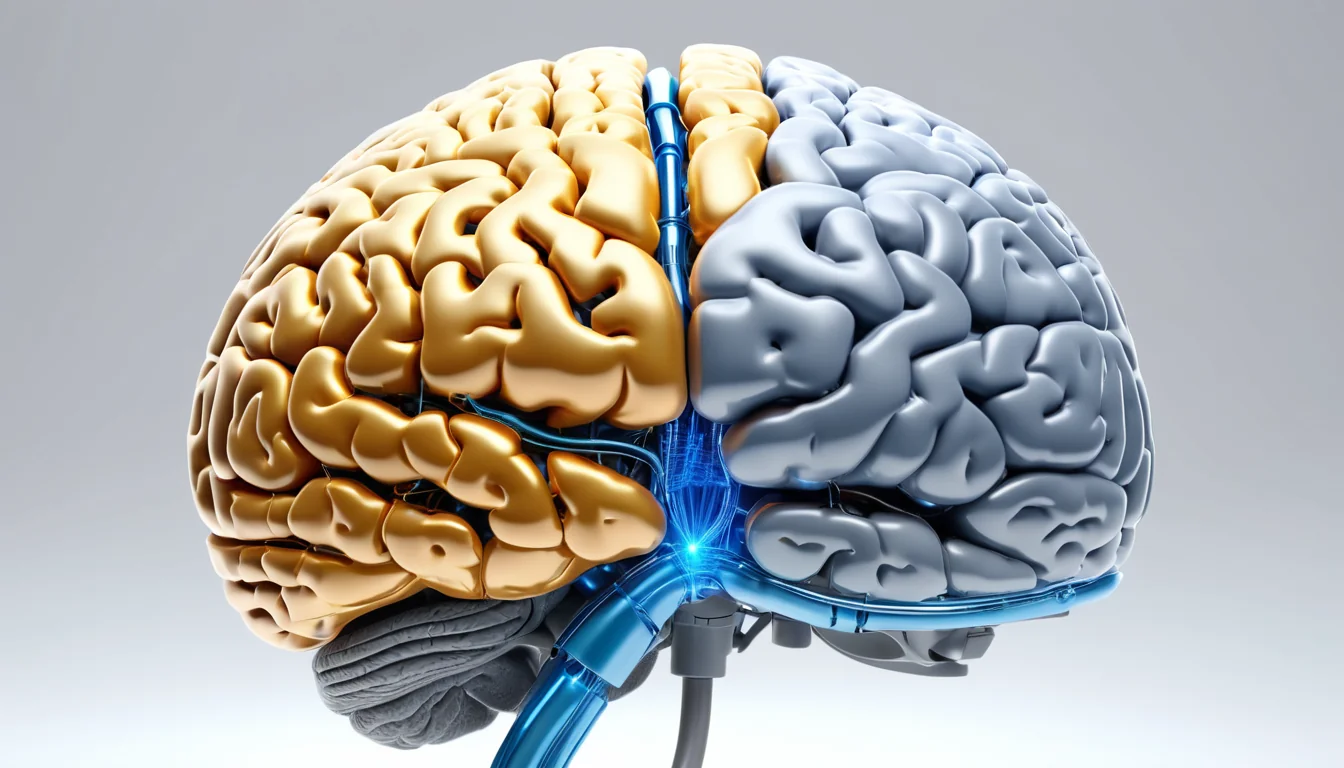
Gambling addiction affects hundreds of thousands of Canadians every year, yet many people do not fully understand how it develops or why certain games are more dangerous than others. Slot machines—whether in a physical casino or on an online platform—are carefully engineered to exploit the brain’s reward system, keeping you playing far longer than you ever planned.
Understanding Gambling Addiction and How It Develops
Understanding slot machine psychology is a powerful first step toward protecting yourself and the people you care about. In this guide written for Canadian readers, we break down exactly how these machines manipulate your mind, the warning signs of problem gambling in Canada, and the practical, evidence-based steps you can take to stay in control.
What Is Gambling Addiction?
| Treatment Option | Key Benefits | Considerations | Availability in Canada |
|---|---|---|---|
| Cognitive Behavioural Therapy (CBT) | Addresses distorted thinking patterns related to slot machines; builds coping skills; strong evidence base | Requires consistent attendance; may take 12–20 sessions for full benefit | Widely available through provincial mental health services and private therapists |
| Gamblers Anonymous (GA) | Free peer support; 12-step framework; reduces isolation; accessible across Canada | Requires personal willingness to share; spiritual component may not suit everyone | Chapters in most major Canadian cities; online meetings available nationally |
| Pharmacotherapy (e.g., Naltrexone) | Reduces urges and cravings linked to reward pathways activated by slot machines | Prescription required; potential side effects include nausea and liver concerns; not a standalone treatment | Prescribed by physicians; covered under some provincial drug benefit programs |
| Problem Gambling Helpline & Counselling | Immediate confidential support; free of charge; connects callers to local resources | Crisis support rather than long-term therapy; may have wait times for follow-up services | Available 24/7 across all provinces via 1-866-531-2600 (ConnexOntario and provincial equivalents) |
| Residential Treatment Programs | Intensive structured environment; addresses co-occurring disorders such as depression and anxiety | Requires time away from work and family; limited number of dedicated gambling addiction facilities | Available in select provinces including Ontario, British Columbia, and Alberta |
Gambling addiction, also called problem gambling or compulsive gambling, is a condition where a person cannot control their urge to gamble. It is not simply about losing money. It is about a pattern of behaviour that causes real harm to your health, relationships, and finances.
According to Health Canada, problem gambling affects approximately 1 to 3 percent of Canadians. Many more people fall somewhere in a grey zone—gambling more than they intended without fully crossing into addiction. Both groups deserve support and information.
Gambling addiction is recognized as a mental health condition. It shares features with other addictions, including cravings, loss of control, and continuing the behaviour despite negative consequences. However, many people do not seek help because they do not see gambling as a “real” addiction.
How Slot Machines Are Designed to Keep You Playing
Slot machines are not random entertainment. They are carefully engineered tools built around human psychology. Understanding their design is the first step in protecting yourself from gambling addiction.
Variable Reward Schedules
Slot machines use something called a variable reward schedule. This means wins happen unpredictably—sometimes after two spins, sometimes after two hundred. This unpredictability is powerful. Your brain releases dopamine every time you anticipate a possible win, not just when you actually win.
This is the same brain mechanism behind social media notifications and lottery tickets. The not-knowing keeps you hooked. Therefore, the machine does not need you to win often—it just needs you to keep hoping.
Near-Miss Programming
Have you ever seen two matching symbols line up, with the third just one position away? That is not an accident. This is called near-miss programming. It creates a feeling of “almost winning” that motivates players to keep spinning.
Research shows that near-misses activate the same brain regions as actual wins. As a result, your brain interprets a loss as a near-success, which pushes you to try again. This is one of the most powerful psychological tools used in slot machine design.
Sensory Stimulation: Lights, Sounds, and Colour
Walk into any casino and you are immediately surrounded by bright colours, flashing lights, and dynamic sounds. This is intentional. These sensory cues are designed to create excitement and a feeling of constant activity. Even online slots mimic this environment through animation and sound effects.
The stimulating environment makes it harder for your brain to assess your actual situation clearly. Furthermore, many casinos avoid clocks and natural light, making it easy to lose track of time. This environment can lower your guard and make responsible decisions more difficult.
The Psychology Behind Gambling Addiction
Gambling addiction does not happen overnight. It typically develops gradually, often starting as harmless fun. However, for some people, recreational gambling shifts into something much harder to control.
The Mayo Clinic explains that compulsive gambling can alter brain chemistry in ways similar to drug or alcohol addiction. Over time, you may need to bet larger amounts to feel the same excitement. When you try to stop, you may feel restless, irritable, or anxious.
In addition, gambling addiction is often linked to other mental health challenges, including depression, anxiety, and stress. For some Canadians, gambling becomes a way to escape difficult emotions. This makes the addiction harder to recognize and harder to treat without proper support.
Signs That Gambling May Be a Problem
It is important to know the warning signs. Ask yourself honestly if any of these apply to you:
- You spend more money gambling than you planned.
- You think about gambling constantly, even when doing other things.
- You gamble to escape stress, anxiety, or sadness.
- You hide your gambling from family or friends.
- You borrow money or sell belongings to fund gambling.
- You feel irritable or anxious when you try to cut back.
- You chase losses, hoping to win back money you have lost.
If you recognize two or more of these signs, it may be time to talk to someone. Gambling addiction is a health issue, not a character flaw.
Responsible Gambling: Practical Steps You Can Take
Responsible gambling is possible. It requires honest self-awareness and a few practical habits. These steps will not eliminate all risk, but they can help you stay in control.
Set a Budget Before You Start
Decide on a fixed amount you are comfortable losing before you begin. Treat this like a ticket price for entertainment—not as an investment. Once the money is gone, stop. Do not dip into savings, credit cards, or money set aside for bills.
Many online gambling platforms in Canada now offer deposit limits. Use them. Setting a daily or weekly limit removes the temptation to keep going in the heat of the moment.
Take Regular Breaks
Step away from the screen or the machine regularly. A short break helps reset your thinking and gives your brain a chance to catch up with reality. Ask yourself: Am I still enjoying this, or am I just chasing a win?
Fatigue makes it harder to make rational decisions. Therefore, never gamble when you are tired, stressed, or under the influence of alcohol. These states make you more vulnerable to the psychological tricks built into slot machines.
Track Your Time and Spending
Use a simple note on your phone to log how long you gamble and how much you spend. Seeing the numbers in black and white can be a powerful reality check. Many people are surprised by how much time and money they actually spend.
In addition, avoid gambling as a way to earn money. The house always has a mathematical advantage. Over time, the odds are always in the casino’s favour.
What Casinos and Online Platforms Should Do
Responsible gambling is not only the player’s job. Casinos and online platforms have a responsibility too. In Canada, provincial gaming authorities regulate gambling and set standards for player protection.
Responsible operators should offer clear information about the risks of gambling addiction. They should provide easy access to self-exclusion programmes, where players can voluntarily ban themselves from a platform. Staff at physical casinos should be trained to recognize signs of problem gambling and know how to refer players to help.
Online platforms are increasingly using artificial intelligence to flag risky behaviour patterns—such as long sessions, rapid betting, or chasing losses. These tools can prompt a player to take a break or connect them with support resources. This is a positive development in the fight against gambling addiction.
When to See a Doctor or Seek Help
If you think gambling is affecting your health, relationships, or finances, please reach out for help. You do not have to wait until things feel completely out of control.
Start by talking to your family doctor. They can assess your situation, provide a referral to a mental health specialist, and connect you with local resources. If you do not have a family doctor, a walk-in clinic is a good first step. Most provincial health plans cover mental health referrals, so cost should not be a barrier.
You can also contact the Problem Gambling Helpline in your province. Most provinces offer free, confidential support by phone or online chat. The World Health Organization also provides resources on gambling-related harm that may be helpful.
Remember: seeking help is a sign of strength, not weakness. Gambling addiction responds well to treatment, especially when caught early. Cognitive behavioural therapy (CBT), support groups like Gamblers Anonymous, and sometimes medication can all be part of an effective treatment plan.
Frequently Asked Questions About Gambling Addiction
What are the early signs of gambling addiction?
Early signs of gambling addiction include thinking about gambling constantly, spending more than you planned, and feeling anxious or irritable when you try to stop. You may also notice that you hide your gambling from people close to you or gamble to escape stress and negative emotions.
Is gambling addiction covered under provincial health plans in Canada?
Most provincial health plans in Canada cover visits to your family doctor and referrals to mental health specialists for gambling addiction. Many provinces also fund free problem gambling helplines and treatment programmes. Check with your provincial health authority for specific coverage details in your area.
Can slot machines really be designed to cause gambling addiction?
Slot machines use proven psychological techniques—such as variable reward schedules and near-miss programming—that can encourage compulsive play and contribute to gambling addiction. These features are not accidental; they are built into the design. However, understanding these tactics can help you recognize them and make more conscious choices.
How do I help a family member with a gambling addiction?
Start by having a calm, non-judgmental conversation and expressing your concern. Encourage them to speak with a family doctor or contact a provincial problem gambling helpline. You may also benefit from support yourself—organizations like Gam-Anon offer help specifically for families affected by gambling addiction.
What is the difference between recreational gambling and gambling addiction?
Recreational gambling involves playing within set limits for entertainment, with full control over when to stop. Gambling addiction means you cannot consistently control your gambling despite negative consequences to your finances, relationships, or mental health. The key difference is whether gambling controls you, or you control your gambling.
Where can I get help for gambling addiction in Canada?
According to Health Canada’s resources on problem gambling and mental health, this information is supported by current medical research.
For more information, read our guide on what every Canadian should know about managing chronic health conditions.
You can start by speaking with your family doctor or visiting a walk-in clinic, as most provincial health plans cover mental health referrals for gambling addiction. Every province also has a free, confidential Problem Gambling Helpline available by phone and online. Self-exclusion programmes offered by provincial gaming authorities allow you to voluntarily ban yourself from casinos and gambling platforms.
Key Takeaways
- Gambling addiction is a recognized health condition that affects many Canadians across all walks of life.
- Slot machines use psychological techniques—including variable rewards and near-miss programming—to encourage prolonged play.
- Sensory tools like bright lights, dynamic sounds, and vivid colour are designed to keep you engaged and lower your guard.
- Responsible gambling starts with setting a firm budget, taking regular breaks, and tracking your time and spending honestly.
- Both players and gambling operators share responsibility for preventing harm.
- If gambling is affecting your life, talk to your family doctor, visit a walk-in clinic, or call your provincial Problem Gambling Helpline. Help is available, and treatment works.
- Always consult a qualified healthcare professional for personal advice about gambling addiction or any mental health concern.
Frequently Asked Questions
What is gambling addiction?
Gambling addiction, also called compulsive gambling or gambling disorder, is a recognized mental health condition where a person cannot control the urge to gamble despite harmful consequences. It affects brain chemistry similarly to substance addiction, triggering dopamine release that reinforces compulsive behaviour over time.
What are the symptoms of gambling addiction?
Common symptoms include needing to gamble with increasing amounts of money, feeling restless or irritable when trying to stop, lying about gambling habits, chasing losses, and jeopardizing relationships or finances. Many people also experience anxiety, depression, and withdrawal-like feelings when unable to gamble.
How do slot machines affect your brain?
Slot machines trigger rapid dopamine releases through unpredictable reward patterns called variable ratio reinforcement. Near-misses activate the same brain regions as actual wins, creating a false sense of almost winning. This neurological response makes slots particularly addictive compared to other forms of gambling.
Can gambling addiction be treated in Canada?
Yes, gambling addiction is treatable. Canadian options include cognitive behavioural therapy (CBT), support groups like Gamblers Anonymous, and provincial helplines such as ConnexOntario and CAMH. Some patients benefit from medications targeting impulse control. Early intervention significantly improves recovery outcomes and long-term success rates.
When should you see a doctor about a gambling problem?
See a doctor immediately if gambling is causing financial hardship, relationship breakdown, work problems, or feelings of depression and suicidal thoughts. A family physician can provide referrals to mental health specialists and addiction services. Do not wait until crisis point — early medical support greatly improves recovery chances.

About the Author
Dr. Linda Chen, RD, PhDDr. Linda Chen is a registered dietitian and PhD in Nutritional Sciences from the University of British Columbia. With expertise in clinical nutrition, sports dietetics, and gut health, she has worked with leading Canadian hospitals and sports organizations. Dr. Chen is a member of Dietitians of Canada and regularly contributes to national nutrition policy discussions.
View all articles →