Piriformis Syndrome: Symptoms, Causes & Treatment Canada

Share
Piriformis syndrome is a rare neuromuscular condition that causes persistent pain deep in the buttock, affecting thousands of Canadians each year. It develops when the piriformis muscle, a small muscle located near the hip joint, irritates or compresses the sciatic nerve, leading to pain, tingling, and numbness that can radiate down the leg.
What Is Piriformis Syndrome and How Does It Affect You?
Understanding piriformis syndrome symptoms early is essential for getting the right diagnosis and effective relief. Many Canadians mistake this condition for regular sciatica or a herniated disc, which can delay proper treatment. This guide explains what piriformis syndrome is, how Canadian healthcare providers diagnose it, and what proven treatment options are available to help you recover.
What Is Piriformis Syndrome?
| Treatment Option | How It Helps | Typical Duration | Key Considerations |
|---|---|---|---|
| Physiotherapy & Stretching | Releases piriformis muscle tension, improves hip flexibility, and corrects movement patterns contributing to nerve compression | 6–12 weeks of regular sessions | First-line treatment in Canada; covered by some provincial health plans and most extended benefits |
| Anti-Inflammatory Medications (NSAIDs) | Reduces inflammation around the piriformis muscle and provides short-term pain relief to support rehabilitation | 1–2 weeks as needed | Available over the counter (ibuprofen, naproxen); consult a pharmacist or physician before use if you have kidney or GI concerns |
| Corticosteroid or Botulinum Toxin Injection | Directly reduces localized inflammation or relaxes the piriformis muscle to relieve sciatic nerve compression | Single injection; effects last 3–6 months | Administered by a physician or sports medicine specialist; may require imaging guidance; not a long-term standalone solution |
| Massage Therapy | Loosens tight piriformis and surrounding hip muscles, improves circulation, and reduces referred pain patterns | Ongoing; typically 4–8 sessions initially | Registered Massage Therapists (RMTs) are widely available across Canada; often covered under extended health benefits |
| Activity Modification & Rest | Reduces repetitive strain on the piriformis muscle, allowing acute inflammation to settle | Short-term (days to 2 weeks) | Avoid prolonged sitting and aggravating activities; complete rest is not recommended — gentle movement aids recovery |
| Surgery (Piriformis Release) | Surgically lengthens or releases the piriformis muscle to permanently decompress the sciatic nerve | Recovery of 6–12 weeks post-procedure | Reserved for severe, refractory cases unresponsive to conservative care; rarely required; performed by an orthopaedic or neurosurgeon |
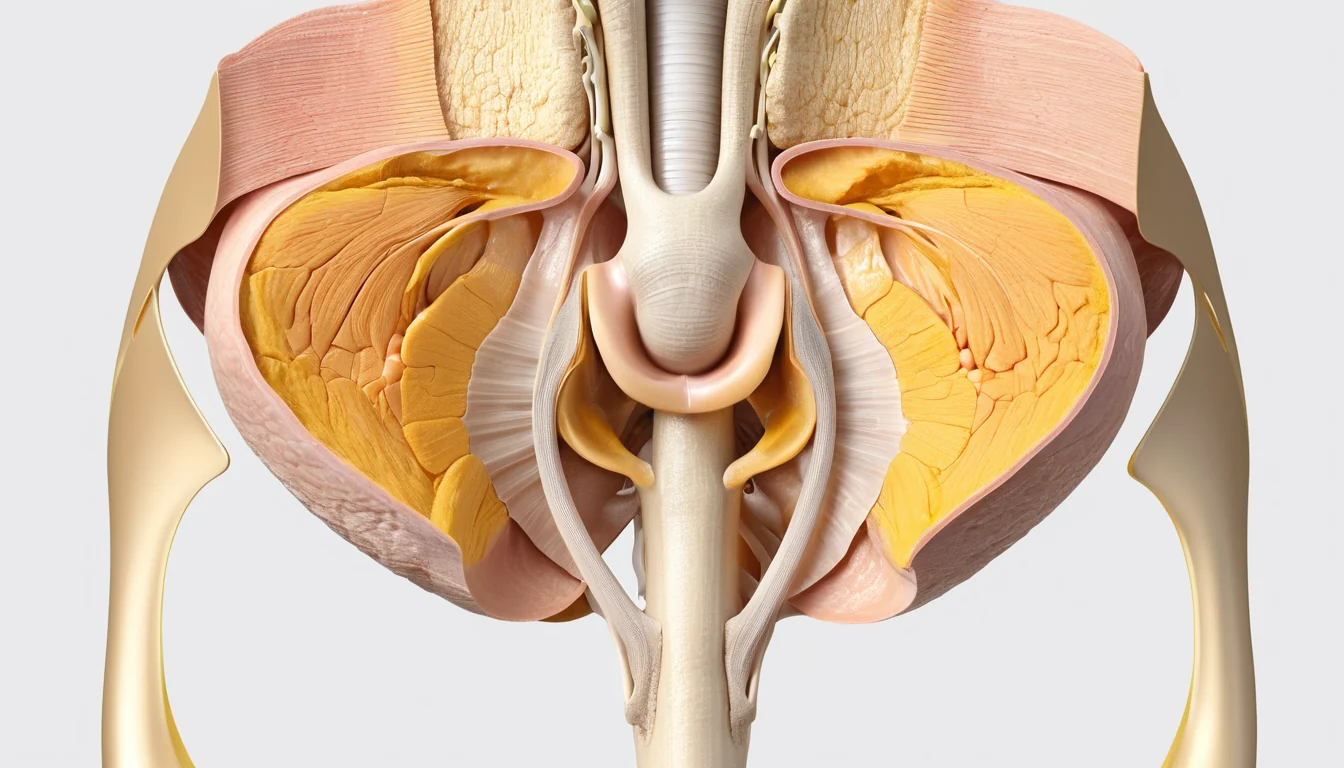
The piriformis muscle is a small, elongated muscle located deep in the buttock, near the top of the hip joint. It plays a key role in nearly every movement of the lower body. This muscle helps stabilize the hip joint and allows the thigh to rotate and extend.
We use the piriformis muscle when we walk, shift our weight from one foot to the other, and keep our balance. It is also active during sports that involve lifting and rotating the thighs. In short, it is involved in almost every hip and leg movement we make.
The sciatic nerve is the longest and thickest nerve in the body. It runs from the lower back, through the buttock, past the piriformis muscle, and down the leg. It then branches into smaller nerves that reach all the way to the foot. When the piriformis muscle goes into spasm, it can compress the sciatic nerve and trigger significant pain. Learn more about how the sciatic nerve causes pain on the Mayo Clinic website.
Symptoms of Piriformis Syndrome
Piriformis syndrome usually begins with pain, tingling, or numbness in the buttock area. The discomfort can be intense and may travel down the leg along the path of the sciatic nerve. This pattern is often called sciatica.
However, it is important to note that most cases of sciatica are not caused by piriformis syndrome. There are many other possible causes, including a herniated disc. Understanding the specific symptoms of piriformis syndrome can help your doctor find the right diagnosis faster.
Common Symptoms to Watch For
- Deep, aching pain in the buttock
- Pain that travels down the back of the thigh, calf, or foot
- Tingling or numbness in the buttock or leg
- Pain that gets worse after sitting for a long time
- Pain when climbing stairs or applying direct pressure to the buttock
- Discomfort while running or doing physical activity
Sitting for long periods — such as during a long commute or a day at a desk — often makes the pain worse. Running and climbing stairs can also trigger or worsen symptoms. If you notice these symptoms regularly, it is worth speaking with your family doctor or visiting a walk-in clinic.
What Causes Piriformis Syndrome?
Piriformis syndrome is most often linked to repetitive strain or direct injury to the piriformis muscle. Activities that put repeated pressure on this muscle are common triggers. These include long-distance running, cycling, and jumping.
Running or exercising on uneven surfaces or hills can also increase the risk. In some cases, prolonged sitting in a fixed position — especially with poor posture — can irritate the muscle. Furthermore, a direct injury or fall can cause the muscle to go into spasm and compress the sciatic nerve.
Risk Factors
- Running or cycling long distances regularly
- Exercising on uneven terrain or hills
- Sitting for extended periods without breaks
- Poor posture during walking, running, or exercise
- A previous injury to the hip or buttock area
Athletes and active individuals are at higher risk, but piriformis syndrome can affect anyone. Even sedentary workers who sit at a desk all day without regular movement may develop symptoms over time.
How Is Piriformis Syndrome Diagnosed?
There is no single specific test that confirms piriformis syndrome. As a result, diagnosis relies on a combination of your symptom history and a physical examination. Your doctor will ask about your activities, any recent injuries, and where and when you feel pain.
During the physical exam, your doctor may ask you to move your leg and hip in specific ways. The goal is to reproduce the pain and check whether the piriformis muscle is tight or contracted. In some cases, the muscle contraction can actually be felt during the exam.
Because piriformis syndrome shares symptoms with other conditions, your doctor may also order an X-ray or MRI. These imaging tests help rule out other causes of sciatic nerve compression, such as a herniated disc or spinal stenosis. For more information on how sciatica is diagnosed, visit Healthline’s guide to sciatica.
Ruling Out Other Conditions
Several conditions can cause similar symptoms to piriformis syndrome. These include herniated discs, hip bursitis, and lumbar spinal stenosis. Your doctor needs to rule these out before confirming a piriformis syndrome diagnosis. This process is important because the treatment for each condition is different.
Treatment Options for Piriformis Syndrome
The good news is that most people with piriformis syndrome improve with conservative treatment. The first step is to avoid the positions and activities that trigger your pain. Rest, combined with ice and heat therapy, can help reduce symptoms in the early stages.
Your family doctor or a registered physiotherapist can design a personalized exercise and stretching programme. These exercises focus on relieving pressure on the sciatic nerve and improving flexibility and strength around the hip. Consistent participation in a physiotherapy programme is one of the most effective ways to manage piriformis syndrome long-term.
Non-Surgical Treatments
- Rest and activity modification: Avoid sitting for long periods and stop activities that trigger pain.
- Ice and heat: Apply ice in the first 48 to 72 hours, then switch to heat to relax the muscle.
- Physiotherapy: Stretching and strengthening exercises tailored to your needs.
- Anti-inflammatory medication: Over-the-counter options like ibuprofen can help manage pain and swelling.
- Muscle relaxants: In some cases, your doctor may prescribe medication to reduce muscle spasm.
- Corticosteroid injections: These can reduce inflammation around the sciatic nerve.
- Iontophoresis: A therapy that uses a low-level electrical current to deliver anti-inflammatory medication through the skin.
In addition, some research supports the use of botulinum toxin (Botox) injections for piriformis syndrome. The anaesthetic properties of this treatment help relax the contracted muscle and relieve pressure on the sciatic nerve. Some studies suggest Botox may be more effective than corticosteroid injections in certain cases.
When Is Surgery Considered?
Surgery is rarely needed for piriformis syndrome. Doctors consider it only after all other treatments have failed to provide relief. The surgical procedure involves releasing the piriformis muscle to reduce compression of the sciatic nerve. If you have tried conservative treatments for several months without improvement, speak with your doctor about whether a referral to a specialist is appropriate.
How to Prevent Piriformis Syndrome
Because piriformis syndrome is often triggered by repetitive strain, prevention focuses on reducing unnecessary stress on the piriformis muscle. Making small adjustments to how you exercise and sit can make a big difference.
Athletes should always warm up properly before training and increase the intensity of their workouts gradually. Avoid running or exercising on hills or uneven surfaces whenever possible. Using correct posture during walking, running, and other physical activity also reduces strain on the muscle.
Prevention Tips
- Warm up before exercise and cool down afterwards
- Increase workout intensity gradually — do not push too hard too fast
- Avoid running on hills or rough, uneven ground
- Take regular breaks if your job involves sitting for long periods
- Use proper posture when walking, running, or lifting
- If pain appears during activity, stop and rest until the pain goes away
- Stretch your hip and buttock muscles regularly
Furthermore, if you feel pain during any activity, stop immediately and rest. Pushing through the pain can make piriformis syndrome worse and lead to a longer recovery.
When to See a Doctor
You should see your family doctor if your buttock or leg pain lasts more than a few days, keeps coming back, or is getting worse. Piriformis syndrome can be difficult to self-diagnose because its symptoms overlap with other conditions. Getting a proper assessment early leads to better outcomes.
If you do not have a family doctor, a walk-in clinic is a great first step. A clinic doctor can assess your symptoms, recommend initial treatment, and refer you to a physiotherapist or specialist if needed. Many provincial health plans in Canada cover physiotherapy referrals, so ask your doctor about your coverage options.
Seek immediate medical attention if you experience sudden, severe pain, weakness in your leg, or loss of bladder or bowel control. These symptoms may indicate a more serious condition that requires urgent care. You can also find general guidance on back and nerve pain through Health Canada’s official health resources.
Frequently Asked Questions About Piriformis Syndrome
What does piriformis syndrome feel like?
Piriformis syndrome typically feels like a deep, aching pain in the buttock that may travel down the back of the leg. Many people describe it as similar to sciatica, with tingling or numbness also possible. The pain often gets worse after sitting for a long time or during physical activity like running.
How is piriformis syndrome different from regular sciatica?
Regular sciatica is most often caused by a problem in the spine, such as a herniated disc pressing on the sciatic nerve. Piriformis syndrome, however, occurs when the piriformis muscle itself compresses the sciatic nerve in the buttock. Most cases of sciatica are not caused by piriformis syndrome, which is why a proper diagnosis from your doctor is so important.
Can piriformis syndrome go away on its own?
Mild cases of piriformis syndrome can improve with rest, activity modification, and gentle stretching. However, without addressing the underlying cause — such as poor posture or overtraining — the condition may return. It is best to see a doctor or physiotherapist to get a proper treatment plan.
What exercises help with piriformis syndrome?
Stretching exercises that target the piriformis muscle and surrounding hip muscles are most commonly recommended. A physiotherapist can design a safe programme that includes specific piriformis stretches, hip strengthening, and core stability exercises. Always consult a healthcare professional before starting any new exercise programme for piriformis syndrome.
How long does piriformis syndrome take to heal?
Recovery time for piriformis syndrome varies depending on the severity of the condition and how consistently treatment is followed. Many people see improvement within a few weeks with physiotherapy and rest. However, more persistent cases can take several months to fully resolve.
Is Botox used to treat piriformis syndrome?
According to Mayo Clinic’s overview of piriformis syndrome, this information is supported by current medical research.
For more information, read our guide on MRI vs CT scan differences for diagnosing conditions like sciatic nerve compression.
Yes, botulinum toxin (Botox) injections are sometimes used to treat piriformis syndrome when other treatments have not worked. The injection helps relax the contracted piriformis muscle and relieve pressure on the sciatic nerve. Some research suggests Botox may be more effective than corticosteroid injections for certain patients.
Key Takeaways
- Piriformis syndrome is a rare condition where the piriformis muscle compresses the sciatic nerve, causing pain in the buttock and leg.
- Symptoms include deep buttock pain, tingling, numbness, and pain that travels down the leg — similar to sciatica.
- There is no single definitive test; diagnosis is based on symptoms, physical examination, and imaging to rule out other causes.
- Most cases respond well to conservative treatment, including rest, physiotherapy, stretching, and anti-inflammatory medication.
- Prevention involves proper warm-up, gradual increases in exercise intensity, good posture, and avoiding uneven terrain.
- If symptoms persist, worsen, or interfere with daily life, see your family doctor or visit a walk-in clinic for an assessment.
- Always consult a qualified healthcare professional before starting any new treatment or exercise programme.
Frequently Asked Questions
What is piriformis syndrome?
Piriformis syndrome is a neuromuscular condition where the piriformis muscle, located deep in the buttock, spasms or tightens and irritates the sciatic nerve. This causes pain, numbness, and tingling that radiates from the buttock down the leg. It is often mistaken for a herniated disc or sciatica from spinal causes.
What are the symptoms of piriformis syndrome?
Common symptoms include deep, aching buttock pain, sciatica-like shooting pain down the back of the leg, numbness or tingling in the leg or foot, and increased discomfort when sitting for long periods, climbing stairs, or performing hip movements. Symptoms typically affect one side of the body.
How is piriformis syndrome treated in Canada?
Treatment typically includes physiotherapy, stretching exercises targeting the piriformis muscle, anti-inflammatory medications like ibuprofen, and activity modification. More advanced options include corticosteroid or Botox injections and, rarely, surgery. Most Canadians access physiotherapy through private insurance or out-of-pocket, as it is not universally covered by provincial health plans.
Can piriformis syndrome be prevented?
Yes, piriformis syndrome can often be prevented by maintaining strong hip and core muscles, stretching regularly, avoiding prolonged sitting, using proper posture, and warming up before exercise. Ergonomic adjustments at work, such as standing desks and supportive seating, also reduce risk significantly.
When should you see a doctor for piriformis syndrome?
See a doctor if buttock or leg pain persists beyond a few weeks, significantly limits daily activities, or is accompanied by weakness, severe numbness, or loss of bladder or bowel control. The latter symptoms require immediate emergency attention, as they may indicate a more serious spinal condition.

About the Author
Dr. Michael Ross, MD, FRCSCDr. Michael Ross is a fellowship-trained orthopedic surgeon at the University of Alberta Hospital, specializing in joint replacement and sports medicine. A Fellow of the Royal College of Surgeons of Canada (FRCSC), he has over 18 years of surgical experience and has authored multiple textbook chapters on musculoskeletal health. Dr. Ross is passionate about patient education and evidence-based medicine.
View all articles →