Renal Agenesis: Causes, Symptoms & Treatment in Canada

Share
Renal agenesis is a rare congenital condition in which a baby is born without one or both kidneys, and understanding it early can make a significant difference in health outcomes for Canadian families. At least one functioning kidney is essential for survival, making timely diagnosis and proper medical care critical for affected newborns and children across Canada.
Understanding Renal Agenesis: Types, Causes, and Who Is Affected
While many Canadians born with one kidney go on to live full, healthy lives, bilateral renal agenesis — where both kidneys are absent — presents life-threatening challenges that require immediate intervention. This comprehensive guide explains the causes, symptoms, diagnosis methods, and treatment options available to Canadians living with this condition, helping parents and patients navigate the healthcare resources available to them.
What Is Renal Agenesis?
| Type | Characteristics | Associated Complications | Management Approach |
|---|---|---|---|
| Unilateral Renal Agenesis (URA) | Single kidney absent from birth; remaining kidney typically compensates through hypertrophy; occurs in approximately 1 in 1,000 births | Hypertension, proteinuria, increased risk of chronic kidney disease over time, vesicoureteral reflux | Regular blood pressure monitoring, annual urine protein testing, kidney function assessments, dietary sodium restriction if needed |
| Bilateral Renal Agenesis (BRA) | Both kidneys absent; associated with Potter sequence; occurs in approximately 1 in 4,500 births; typically fatal without intervention | Oligohydramnios, pulmonary hypoplasia, limb deformities, Potter facies, perinatal mortality | Palliative care counselling; experimental dialysis protocols available at select Canadian pediatric centres; renal transplantation if pulmonary function permits |
| Bilateral Renal Agenesis with Intervention | Rare survival cases managed with immediate neonatal dialysis; limited long-term outcomes data; offered at specialized Canadian tertiary centres | Severe respiratory insufficiency, ongoing dialysis dependence, high risk of infection and developmental delays | Neonatal peritoneal dialysis, ventilatory support, multidisciplinary team follow-up, evaluation for future transplant candidacy |
| Unilateral Renal Agenesis with Contralateral Anomalies | Single absent kidney alongside structural anomalies in the remaining kidney (e.g., horseshoe kidney, dysplasia); higher risk of functional decline | Accelerated chronic kidney disease progression, recurrent urinary tract infections, hypertension, electrolyte imbalances | Nephrology referral, frequent renal ultrasounds, blood pressure control, early transplant planning if function deteriorates |
| Incidentally Discovered Renal Agenesis | Found unexpectedly during imaging for unrelated conditions; patient typically asymptomatic; solitary kidney has been compensating undetected | Long-term risk of hyperfiltration injury, hypertension, subclinical proteinuria, increased vulnerability to nephrotoxic medications | Patient education on kidney-protective behaviours, avoidance of NSAIDs and nephrotoxins, contact sport precautions, regular family physician follow-up |
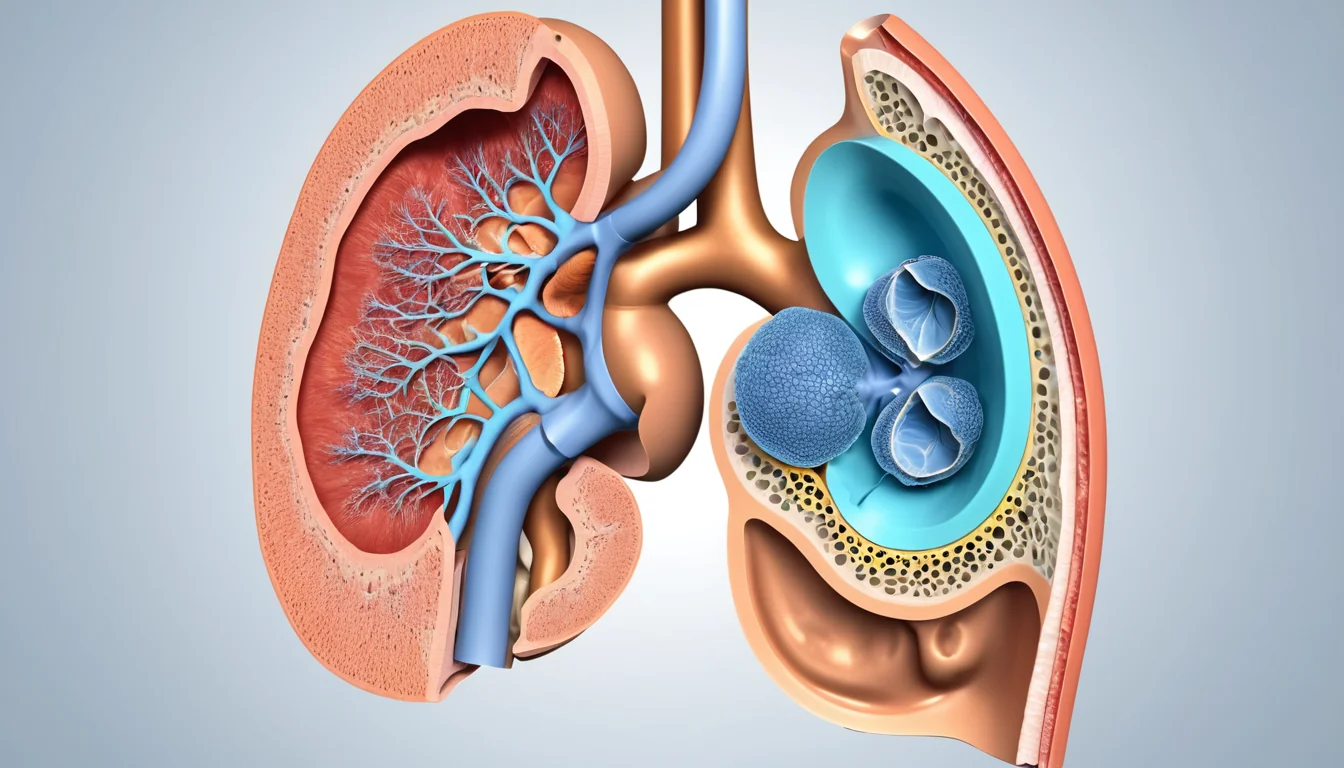
Renal agenesis happens when one or both kidneys fail to develop during pregnancy. Kidneys are vital organs. They filter waste from the blood, balance fluids, and support many other body functions.
Without at least one working kidney, the body cannot survive. Fortunately, many people live full, healthy lives with just one kidney. However, the outcome depends greatly on which type of renal agenesis a person has.
Types of Renal Agenesis
Unilateral Renal Agenesis
Unilateral renal agenesis means one kidney is completely absent. If the remaining kidney is healthy and well-developed, a child can live a normal life. In many cases, the single kidney grows larger than usual to make up for the missing one. This is called compensatory hypertrophy.
This type is more common. It affects approximately 1 in every 2,000 newborns. It is often managed successfully with the right medical follow-up.
Bilateral Renal Agenesis
Bilateral renal agenesis means both kidneys and both ureters are absent. The ureters are the tubes that connect the kidneys to the bladder. This type is much more serious and is usually life-threatening.
Bilateral renal agenesis affects about 1 in 8,500 newborns. For reasons that are not fully understood, it occurs more often in boys. This condition is also linked to underdeveloped lungs, a problem called pulmonary hypoplasia.
Causes of Renal Agenesis
The main cause of renal agenesis is genetic. Researchers have identified at least seven different gene mutations linked to this condition. These mutations interfere with normal kidney development during the first trimester of pregnancy.
Genetic Inheritance Patterns
Unilateral renal agenesis follows an autosomal dominant pattern. This means a child only needs to inherit one copy of the mutated gene — from either parent — to develop the condition. A parent who carries the mutation has a 50% chance of passing it on. That parent may not even know they carry the gene.
Bilateral renal agenesis follows an autosomal recessive pattern. In this case, the child must inherit one mutated gene copy from each parent. The parents are usually carriers but show no symptoms themselves.
Other Contributing Factors
Non-genetic causes are much rarer. However, they do exist. These include gestational diabetes, multiple pregnancies (such as twins or triplets), and exposure to certain substances during pregnancy.
If you have concerns about your pregnancy or your child’s kidney development, speak with your family doctor or obstetrician. Early screening can make a real difference.
Signs and Symptoms of Renal Agenesis
Symptoms of renal agenesis vary widely depending on the type. In bilateral renal agenesis, a newborn will have life-threatening complications right after birth and will not survive without immediate medical intervention.
Symptoms of Unilateral Renal Agenesis
Many children with unilateral renal agenesis have no symptoms at all, especially early in life. However, some symptoms may develop over time. These can include:
- High blood pressure (hypertension)
- Protein in the urine (proteinuria)
- Vesicoureteral reflux (urine flowing backwards toward the kidney)
In addition, some children with this condition may also have congenital heart defects, such as atrial or ventricular septal defects. Urological defects and anal atresia (a blocked or absent anal opening) are also associated in some cases.
What to Watch For in Newborns
In bilateral renal agenesis, low levels of amniotic fluid during pregnancy is a key warning sign. Because the kidneys produce urine, which contributes to amniotic fluid, absent kidneys reduce that fluid significantly. Low amniotic fluid prevents the baby’s lungs from developing properly.
This is why prenatal ultrasounds are so important. They can catch these warning signs early and allow doctors to plan ahead. Health Canada recommends regular prenatal care throughout pregnancy to monitor fetal development.
How Is Renal Agenesis Diagnosed?
Renal agenesis can often be detected before birth through a fetal ultrasound. Low amniotic fluid levels or a visibly missing kidney may prompt further investigation. After birth, imaging tests confirm the diagnosis.
Diagnostic Tests
Doctors use several imaging tools to diagnose renal agenesis. Each has its own strengths:
- Abdominal or renal ultrasound — a safe, non-invasive first-line test
- CT scan — provides detailed images of kidney structure
- MRI — useful for complex cases without radiation exposure
In some cases, renal agenesis is not discovered until several years after birth. This is more common with the unilateral type, since symptoms may be mild or absent. Therefore, if your child has unexplained high blood pressure or urinary issues, ask your family doctor about kidney screening.
Risks and Complications
Bilateral renal agenesis carries very serious risks. Approximately 4 out of 10 babies with this condition are stillborn or born prematurely. When a baby is born alive, respiratory failure is a common cause of death due to underdeveloped lungs.
Long-Term Risks of a Single Kidney
Children with unilateral renal agenesis face a different set of long-term risks. The single remaining kidney carries a higher workload. Over time, this can increase the risk of:
- Chronic kidney disease
- High blood pressure
- Proteinuria (excess protein in urine)
- Kidney failure
Furthermore, children with this condition have a higher risk of premature birth. A premature newborn will likely spend time in a neonatal intensive care unit (NICU). However, the body’s ability to adapt is remarkable. In many cases, the single kidney compensates effectively and maintains good kidney function. According to the Mayo Clinic, many people with one kidney live long, healthy lives with proper monitoring.
Treatment Options for Renal Agenesis
Treatment depends on the type and severity of renal agenesis. For bilateral renal agenesis, new experimental treatments are offering real hope where few options existed before.
Treating Bilateral Renal Agenesis
Until recently, babies born without any kidneys had very little chance of surviving outside the womb. However, new experimental approaches now involve injecting fluid directly into the amniotic sac during pregnancy. This helps restore normal amniotic fluid levels and allows the baby’s lungs to develop more fully.
After birth, the plan may include dialysis and, eventually, a kidney transplant. This treatment approach is still being studied, but early results are promising. It represents a significant step forward for families affected by bilateral renal agenesis.
Managing Unilateral Renal Agenesis
Children with unilateral renal agenesis may need blood pressure medication to manage hypertension. A paediatric nephrologist (a kidney specialist for children) will monitor kidney health each year. Annual check-ups typically include blood tests, urine tests, and a physical exam.
Patients — both children and adults — are advised to follow a kidney-friendly diet. This means reducing salt and sugar intake while increasing potassium and dietary fibre. In addition, patients should avoid non-steroidal anti-inflammatory drugs (NSAIDs) such as ibuprofen, as these can damage kidney tissue over time. Other nephrotoxic (kidney-harming) medications should also be avoided or used with great caution. Healthline offers helpful guidance on kidney-friendly nutrition for those living with reduced kidney function.
When to See a Doctor
If you are pregnant and your prenatal ultrasound shows low amniotic fluid or a possible missing kidney, your doctor will refer you to a specialist right away. Do not wait.
If your child has unexplained high blood pressure, frequent urinary tract infections, or protein detected in a urine test, speak with your family doctor. Most family doctors in Canada can order kidney function tests and refer you to a nephrologist through your provincial health plan. If you do not have a family doctor, a walk-in clinic can help start the process.
For adults who were never diagnosed as children but suspect they may have a single kidney, ask your doctor about an abdominal ultrasound. This simple, covered test can provide answers quickly. Always consult a qualified healthcare provider before making any decisions about diagnosis or treatment.
Frequently Asked Questions About Renal Agenesis
Can you live a normal life with renal agenesis?
Yes, many people with unilateral renal agenesis live completely normal lives. The single kidney often grows larger to compensate, and with regular monitoring through your provincial health plan, most people maintain good kidney function well into adulthood.
Is renal agenesis hereditary?
Yes, renal agenesis is largely genetic. Unilateral renal agenesis is inherited in an autosomal dominant pattern, meaning one parent can pass it on with a 50% chance per pregnancy. Bilateral renal agenesis follows an autosomal recessive pattern, requiring a mutated gene from both parents.
How is renal agenesis detected during pregnancy?
Renal agenesis is often first detected during a routine prenatal ultrasound. Low amniotic fluid levels or a visibly absent kidney are key indicators. Your doctor may order additional imaging or refer you to a maternal-fetal medicine specialist for further assessment.
What is the difference between unilateral and bilateral renal agenesis?
Unilateral renal agenesis means one kidney is missing, while the other is present and often functional. Bilateral renal agenesis means both kidneys are absent, which is a life-threatening condition that requires immediate medical intervention after birth.
What foods should someone with a single kidney avoid?
People living with one kidney are generally advised to reduce salt and sugar in their diet and to eat more potassium-rich foods and dietary fibre. They should also avoid NSAIDs like ibuprofen, which can harm kidney tissue. Always speak with your family doctor or nephrologist before making major dietary changes.
Can bilateral renal agenesis be treated?
According to Mayo Clinic’s guide to living with a solitary kidney, this information is supported by current medical research.
For more information, read our guide on warning signs of kidney disease in Canada.
Bilateral renal agenesis was once considered nearly always fatal, but new experimental treatments offer hope. These include injecting fluid into the amniotic sac during pregnancy to support lung development, followed by dialysis and kidney transplant after birth. Research into these approaches is ongoing.
Key Takeaways
- Renal agenesis is a condition where a baby is born with one kidney (unilateral) or no kidneys (bilateral).
- Unilateral renal agenesis affects about 1 in 2,000 newborns and is often manageable with regular medical follow-up.
- Bilateral renal agenesis is rare and life-threatening, but new experimental treatments are showing promise.
- The condition is primarily genetic and can be inherited from one or both parents depending on the type.
- Early detection through prenatal ultrasound gives families and medical teams more time to prepare and act.
- Long-term management includes annual kidney monitoring, a kidney-friendly diet high in fibre and potassium, and avoiding harmful medications like NSAIDs.
- If you have concerns about your child’s kidneys, speak with your family doctor, who can refer you to a specialist through your provincial health plan.
Frequently Asked Questions
What is renal agenesis?
Renal agenesis is a congenital condition where one or both kidneys fail to develop during fetal growth. Unilateral renal agenesis affects one kidney, while bilateral renal agenesis affects both. The condition occurs in approximately 1 in 1,000 births in Canada and is often detected through prenatal ultrasound screening.
What are the symptoms of renal agenesis in newborns and adults?
Unilateral renal agenesis often causes no symptoms, as one healthy kidney compensates. Bilateral renal agenesis is life-threatening, causing absent urine production, underdeveloped lungs, and Potter sequence. In adults with a single kidney, symptoms may include high blood pressure, protein in urine, or reduced kidney function over time.
How is renal agenesis treated in Canada?
Unilateral renal agenesis typically requires regular monitoring by a nephrologist, blood pressure management, and lifestyle adjustments to protect the remaining kidney. Bilateral renal agenesis has no cure and is generally fatal without intervention. Treatment focuses on supportive care, and in select cases, dialysis or kidney transplantation may be considered.
Can renal agenesis be prevented?
Renal agenesis cannot be fully prevented, as it largely results from genetic mutations and abnormal fetal development. However, pregnant individuals can reduce risks by avoiding alcohol, tobacco, and certain medications during pregnancy, managing diabetes, and attending all recommended prenatal appointments for early detection through ultrasound.
When should you see a doctor if you suspect renal agenesis?
Seek medical attention promptly if prenatal ultrasound shows abnormal kidney development, or if a child shows signs of poor urinary output, abnormal facial features, or breathing difficulties at birth. Adults living with one kidney should see a doctor immediately if they experience swelling, fatigue, decreased urination, or elevated blood pressure.

About the Author
Dr. Michael Ross, MD, FRCSCDr. Michael Ross is a fellowship-trained orthopedic surgeon at the University of Alberta Hospital, specializing in joint replacement and sports medicine. A Fellow of the Royal College of Surgeons of Canada (FRCSC), he has over 18 years of surgical experience and has authored multiple textbook chapters on musculoskeletal health. Dr. Ross is passionate about patient education and evidence-based medicine.
View all articles →