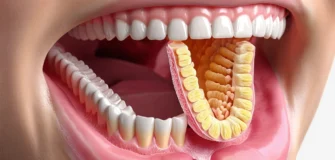
Common Mouth Problems: Causes & Treatments in Canada

Share
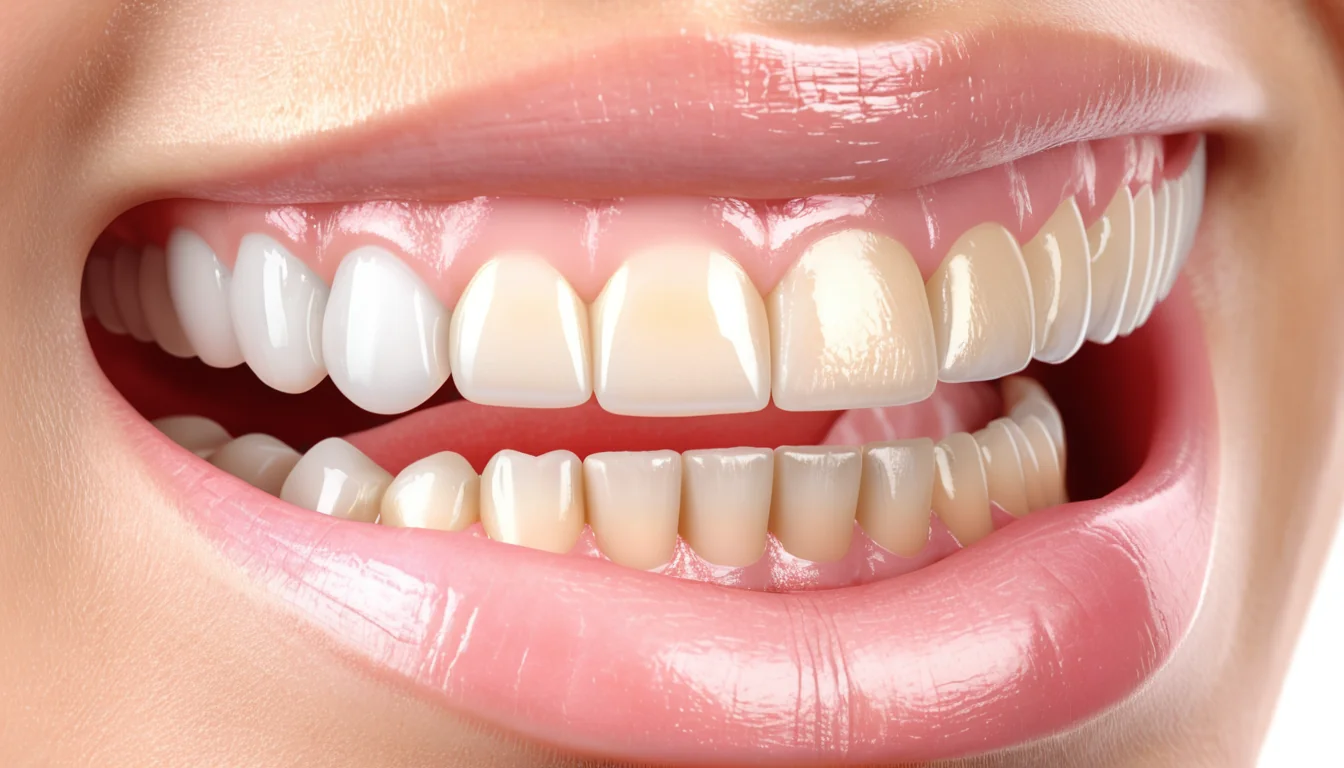
Common mouth problems affect almost everyone at some point, and Canadians are no exception. From canker sores and cracked lips to dry mouth and oral infections, these conditions can make everyday activities like eating, speaking, and smiling uncomfortable. The good news is that most of these issues respond well to simple treatments when caught early.
What Are Common Mouth Problems and How Do They Affect Canadians?
Whether you are dealing with persistent mouth ulcers, oral thrush symptoms, or recurring cold sores, understanding the cause is the first step toward relief. This article covers the most frequent oral health conditions seen across Canada, explains what to watch for, and guides you on when to visit your family doctor or a walk-in clinic near you.
What Are Common Mouth Problems?
| Condition | Key Characteristics | Typical Duration | Management Approach |
|---|---|---|---|
| Canker Sores (Aphthous Ulcers) | Small, shallow ulcers with a white or yellow centre and red border; painful; appear on soft tissues inside the mouth | 7–14 days | Saltwater rinses, over-the-counter topical gels (e.g., benzocaine), avoid spicy or acidic foods; see a dentist if recurring |
| Oral Thrush (Candidiasis) | Creamy white lesions on the tongue, inner cheeks, or roof of the mouth; may cause soreness or difficulty swallowing | 2–4 weeks with treatment | Antifungal medications prescribed by a Canadian physician or dentist (e.g., nystatin); address underlying risk factors such as antibiotic use or immunosuppression |
| Cold Sores (Oral Herpes) | Fluid-filled blisters on or around the lips caused by HSV-1; tingling or burning sensation before outbreak; highly contagious | 7–10 days | Antiviral creams or oral antivirals (e.g., acyclovir) available by prescription; avoid close contact during outbreak; lip balm with SPF to reduce triggers |
| Gingivitis | Red, swollen, or bleeding gums, especially when brushing or flossing; caused by plaque buildup along the gumline; often painless in early stages | Reversible with treatment | Improved oral hygiene routine, professional dental cleaning, antimicrobial mouthwash; regular check-ups recommended every 6 months by the Canadian Dental Association |
| Dry Mouth (Xerostomia) | Reduced saliva production causing sticky or dry feeling in the mouth; difficulty chewing, swallowing, or speaking; often linked to medications or health conditions | Chronic if untreated | Stay well hydrated, use saliva substitutes, chew sugar-free gum, review medications with a healthcare provider; fluoride treatments to protect teeth |
| Geographic Tongue (Benign Migratory Glossitis) | Irregular, map-like red patches with white borders on the tongue surface; patches shift location over time; occasionally causes sensitivity to hot or spicy foods | Chronic; flares and resolves | No specific treatment required; avoid known irritants; over-the-counter pain relievers or topical anaesthetics for discomfort; reassurance from a dentist or
Your mouth is made up of many parts — gums, tongue, lips, cheeks, palate, and throat. Any of these areas can be affected by irritation, infection, or inflammation. Some conditions are mild and clear up on their own. Others need medical attention. Symptoms can include persistent dryness, unusual tastes, bad breath, painful sores, or difficulty chewing and swallowing. However, most of these issues improve with the right care. Health Canada encourages Canadians to practise good oral hygiene as a first step toward preventing many of these conditions. Canker Sores and Mouth UlcersCanker sores are one of the most common mouth problems Canadians experience. They appear as small, round ulcers with a white or yellowish centre and a red border. They most often show up on the inner cheeks, lips, and tongue. Unlike cold sores, canker sores are not contagious. They can make talking and chewing quite painful. They usually begin in childhood or adolescence and tend to come back over time. Who Gets Canker Sores?Roughly 20% of people experience canker sores at some point. They heal on their own within one to two weeks. In the meantime, over-the-counter gels and rinses from your local pharmacy can help ease the pain. If sores are unusually large, last longer than three weeks, or keep coming back frequently, speak to your family doctor. This could point to a nutritional deficiency or an underlying health condition. Cold Sores and Oral HerpesCold sores are caused by the herpes simplex virus type 1 (HSV-1). This virus stays dormant in nerve tissue after the first infection. It can reactivate due to stress, illness, sun exposure, or a weakened immune system. Cold sores typically appear as small fluid-filled blisters on or around the lips. They are contagious and can spread through close contact. According to the World Health Organization, HSV-1 infection is extremely common worldwide, affecting up to 67% of adults under 50. Herpes Inside the MouthIn some cases, herpes can cause sores inside the mouth. These small blisters tend to cluster together and usually heal within a month. Antiviral medications prescribed by a doctor can help shorten outbreaks and reduce discomfort. Furthermore, antiviral creams are available over the counter at Canadian pharmacies. However, if outbreaks are frequent or severe, your doctor may recommend a prescription antiviral. Stomatitis, Oral Thrush, and Mouth InfectionsSeveral common mouth problems involve inflammation or infection of the mouth’s inner lining. These conditions can cause significant discomfort and may affect your ability to eat a balanced diet. StomatitisStomatitis is inflammation of the mucous membrane inside the mouth. It is often caused by infection or poor oral hygiene. Symptoms include redness throughout the mouth, increased saliva, irritability, nausea, and bad breath. In severe cases, eating becomes very difficult. People may limit themselves to soft foods or liquids, which can lead to unintended weight loss. Mild fever and constipation may also occur. Your family doctor or a walk-in clinic can help identify the cause and recommend treatment. Oral ThrushOral thrush is a fungal infection caused by Candida albicans. It produces creamy white patches on the tongue, inner cheeks, and throat. These patches are difficult to wipe away, and the skin underneath may bleed when removed. Oral thrush is more common in infants, older adults, people with weakened immune systems, and those using inhaled corticosteroids or antibiotics. As a result, if you notice these white patches, it is important to seek medical advice. Antifungal medications are effective and widely available through Canadian healthcare providers. Angular CheilitisAngular cheilitis causes painful cracks or sores at the corners of the mouth. It may be triggered by a fungal or bacterial infection, vitamin deficiencies, or keeping the mouth closed for long periods (for example, with ill-fitting dentures). Treatment depends on the cause. Your doctor may recommend an antifungal or antibiotic cream, along with vitamin B supplements if a deficiency is found. Dry Mouth, Cracked Lips, and Other Common Mouth ProblemsDry Mouth (Xerostomia)Dry mouth happens when your salivary glands do not produce enough saliva. It can be caused by dehydration, anxiety, or as a side effect of many common medications — including antihistamines, antidepressants, and blood pressure drugs. Without enough saliva, your risk of cavities, gum disease, and oral infections increases. Dry mouth can also make swallowing, chewing, and speaking difficult. It is associated with conditions like Sjögren’s syndrome, menopause, and radiation therapy to the head or neck area. Staying well hydrated and chewing sugar-free gum can help stimulate saliva. However, if dry mouth is a persistent problem for you, talk to your family doctor. They can review your medications and check for underlying conditions. The Mayo Clinic provides a helpful overview of dry mouth causes and treatments. Cracked LipsCracked lips are one of the most common mouth problems Canadians face, especially during cold winters and dry summers. They occur when the thin, sensitive skin of the lips loses moisture. Wind, cold air, excessive heat, and dehydration all play a role. Cracked lips can be rough, red, scaly, and painful to the touch. Applying a fragrance-free lip balm regularly and drinking plenty of water helps most people recover quickly. In addition, breathing through your nose rather than your mouth can prevent further drying. LeukoplakiaLeukoplakia refers to thick white patches that form inside the mouth and do not go away. They are firm to the touch and cannot be wiped off. The most common cause is long-term irritation — particularly from smoking unfiltered cigarettes or using other tobacco products. A small percentage of leukoplakia patches may become cancerous over time. Therefore, any persistent white patch in the mouth that does not resolve within two weeks should be assessed by a doctor or dentist. Early detection matters greatly with this condition. Changes in Taste and Tongue AppearanceSome common mouth problems affect how food tastes or how your tongue looks. A metallic taste in the mouth can signal medication side effects, vitamin deficiencies, or even poisoning in rare cases. A complete loss of taste is called ageusia. Your tongue can also change in size or appearance. A tongue covered in excess bacteria or food debris may develop a hairy, discoloured surface — a condition called hairy tongue. This looks alarming, but it is usually harmless and clears up with thorough tongue cleaning during your daily brushing routine. In addition, generalised mouth pain can be linked to more serious conditions. These include oral cancer, severe anaemia, celiac disease, ulcerative colitis, lupus, and reactions to certain medications such as ACE inhibitors or anti-inflammatory drugs. If you have unexplained, persistent mouth pain, always see a healthcare provider. When to See a DoctorMost mild common mouth problems — such as a single canker sore or minor lip dryness — can be managed at home. However, some symptoms need professional attention sooner rather than later. Visit your family doctor, dentist, or a walk-in clinic if you notice any of the following:
Canadians covered under provincial health plans can access family doctors and walk-in clinics for most oral health concerns. Your doctor can refer you to a dentist, oral medicine specialist, or ear, nose, and throat specialist if needed. Always consult a qualified healthcare provider before starting any treatment — this article is for informational purposes only and does not replace professional medical advice. Frequently Asked Questions About Common Mouth ProblemsWhat causes common mouth problems like sores and ulcers?Common mouth problems like sores and ulcers can be caused by viral or bacterial infections, nutritional deficiencies, stress, poor oral hygiene, or irritation from tobacco. Some conditions, such as canker sores, have no clear single cause but tend to run in families. A family doctor or dentist can help identify what is triggering your symptoms. How do I get rid of canker sores fast?Canker sores are one of the most common mouth problems and usually heal on their own within one to two weeks. Over-the-counter numbing gels, antibacterial mouthwashes, and avoiding spicy or acidic foods can ease discomfort and speed healing. If sores are large, very painful, or keep coming back, see your doctor for further assessment. Is dry mouth a serious problem?Dry mouth is a common mouth problem that can become serious if left unmanaged, as it raises the risk of cavities, gum disease, and oral infections. It is often a side effect of medications or a sign of an underlying condition like Sjögren’s syndrome. Your family doctor can review your medications and suggest treatments to increase saliva production. What does oral thrush look like?Oral thrush appears as creamy white or yellowish patches on the tongue, inner cheeks, or throat — a very recognisable common mouth problem. The patches are difficult to wipe away and the skin underneath may look red and sore. If you suspect oral thrush, visit a walk-in clinic or your family doctor for antifungal treatment. When should I be worried about white patches in my mouth?White patches that do not wipe away and persist for more than two weeks are a common mouth problem that always deserves professional evaluation. They may indicate leukoplakia, which in rare cases can become cancerous, especially in people who smoke or use tobacco. See your dentist or doctor promptly for any persistent white patches. Can mouth problems be a sign of a more serious illness?According to Health Canada’s oral health guidelines, this information is supported by current medical research. For more information, read our guide on listeria infection symptoms and risks in Canada. Yes, some common mouth problems can be linked to broader health conditions such as celiac disease, lupus, ulcerative colitis, anaemia, or even oral cancer. Certain medications can also cause mouth sores or changes in taste as side effects. If you have ongoing or unexplained mouth symptoms, speak with your family doctor to rule out an underlying cause. Key Takeaways
Frequently Asked QuestionsWhat are the most common mouth problems in adults?The most common mouth problems in adults include tooth decay, gum disease (gingivitis and periodontitis), canker sores, cold sores, dry mouth, and oral thrush. These conditions vary in severity but are largely preventable with proper oral hygiene, regular dental checkups, and a balanced diet. What are the symptoms of common mouth problems?Symptoms of common mouth problems include tooth pain, bleeding or swollen gums, persistent bad breath, white or red patches inside the mouth, sores that won’t heal, dry or burning sensations, and loose teeth. Symptoms vary by condition, so early identification is key to effective treatment. How are mouth infections and sores treated?Treatment depends on the cause. Bacterial infections may require antibiotics or antifungal medication, while canker sores often heal on their own within two weeks. Cold sores can be managed with antiviral creams. Dentists or doctors in Canada may also recommend medicated rinses or topical gels for pain relief. How can you prevent common mouth problems at home?Prevent common mouth problems by brushing twice daily with fluoride toothpaste, flossing every day, staying hydrated, avoiding tobacco and excessive alcohol, limiting sugary foods, and visiting your dentist every six months. A strong oral hygiene routine significantly reduces your risk of cavities, gum disease, and infections. When should you see a doctor or dentist for a mouth problem?See a dentist or doctor if you experience a sore that lasts more than two weeks, unexplained bleeding, severe tooth pain, difficulty swallowing, or white and red patches in your mouth. In Canada, persistent mouth symptoms may signal serious conditions like oral cancer and should never be ignored.  About the AuthorDr. Sarah Mitchell, MDDr. Sarah Mitchell is a board-certified family physician with over 15 years of clinical experience. She completed her MD at the University of Toronto and her residency at Toronto General Hospital. Dr. Mitchell specializes in preventive medicine and chronic disease management. She is a member of the College of Family Physicians of Canada (CFPC) and has published over 30 peer-reviewed articles on preventive health care. View all articles →
Previous Article
Macroglossia: Causes, Symptoms & Treatment in Canada
Next Article
Mouth Sores: Causes, Symptoms & Treatment in Canada
 |