Mouth Sores: Causes, Symptoms & Treatment in Canada

Share
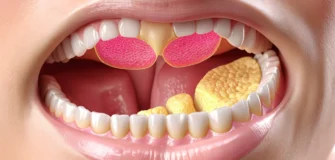
Mouth sores are small, painful ulcers that develop inside your mouth on the gums, cheeks, tongue, or lips. They are extremely common and affect Canadians of all ages, with most healing on their own within one to two weeks. While usually harmless, persistent or recurring mouth sores may signal an underlying health issue that requires professional attention.
What Causes Mouth Sores and How Can You Treat Them?
Understanding the oral ulcers causes behind your discomfort is the first step toward finding effective relief. In this comprehensive guide written for Canadian readers, you will learn how to recognize different types of mouth sores, discover proven home remedies and medical treatments, and find out exactly when it is time to see a healthcare provider.
What Are Mouth Sores?
| Type of Mouth Sore | Key Characteristics | Typical Duration | Management Approach |
|---|---|---|---|
| Canker Sores (Aphthous Ulcers) | Small, round, white or yellow ulcers with a red border; appear on the inner cheeks, tongue, or gums; not contagious | 7–14 days | Saltwater rinses, over-the-counter topical gels (e.g., benzocaine), avoiding spicy or acidic foods |
| Cold Sores (Oral Herpes) | Fluid-filled blisters on or around the lips caused by HSV-1; tingling or burning sensation before outbreak; highly contagious | 7–10 days | Antiviral medications (e.g., acyclovir, valacyclovir), available by prescription in Canada; topical antiviral creams |
| Oral Thrush (Candidiasis) | Creamy white patches on the tongue, inner cheeks, or throat; may cause soreness or difficulty swallowing; common in immunocompromised individuals | 2–3 weeks with treatment | Prescription antifungal medications (e.g., nystatin, fluconazole); maintaining good oral hygiene |
| Traumatic Ulcers | Irregular-shaped sores caused by accidental biting, ill-fitting dentures, or sharp dental appliances; usually appear at the site of injury | 5–10 days | Remove the source of irritation; rinse with warm saltwater; dental assessment if dentures are the cause |
| Hand, Foot and Mouth Disease (HFMD) | Painful mouth sores alongside a skin rash on hands and feet; caused by coxsackievirus; most common in young children | 7–10 days | Supportive care including fluids, acetaminophen or ibuprofen for pain relief; consult a healthcare provider in Canada if symptoms worsen |
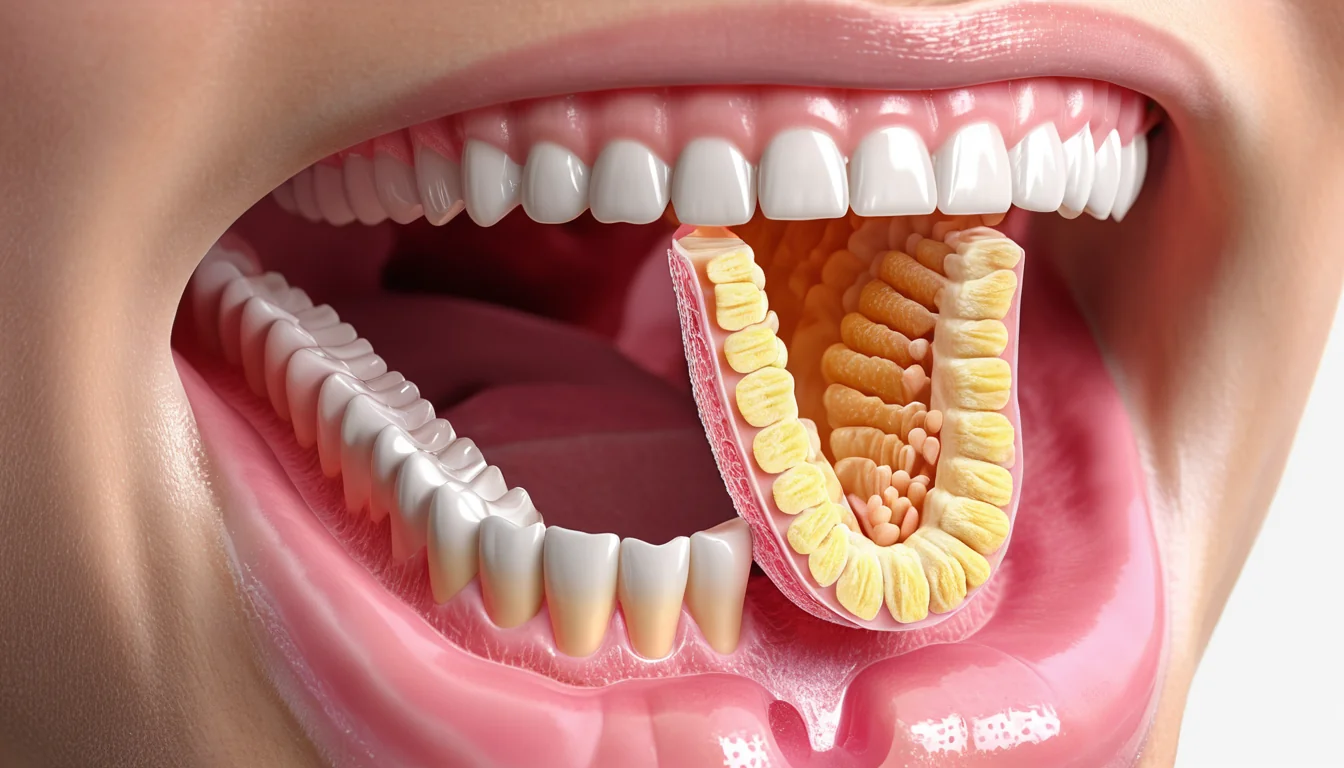
Mouth sores — also called oral ulcers or stomatitis — are inflamed patches or open sores inside your mouth. They usually appear red, sometimes with a white or yellow centre. They can make eating, drinking, and even talking uncomfortable.
There are different types of mouth sores. The most common are canker sores (aphthous ulcers), which are not contagious. Others, like cold sores caused by the herpes simplex virus, can spread through direct contact. Understanding the type you have helps guide the right treatment.
Common Causes of Mouth Sores
Mouth sores can develop for many reasons. Doctors generally group the causes into two categories: local causes and whole-body (systemic) causes.
Local Causes
Local causes affect only the mouth area. These include:
- Viral infections — such as herpes simplex, herpes zoster, or hand-foot-and-mouth disease (caused by the Coxsackievirus)
- Fungal infections — such as oral thrush caused by Candida albicans
- Dental trauma — from poorly fitting dentures, braces, or retainers rubbing against soft tissue
- Dry mouth — caused by breathing through your mouth due to nasal congestion
- Minor injuries — from dental procedures or accidentally biting your cheek
Systemic (Whole-Body) Causes
Sometimes mouth sores are a sign of something happening elsewhere in the body. These causes include:
- Stress — a very common trigger for canker sores
- Poor diet or malnutrition — especially low intake of key nutrients
- Nutritional deficiencies — particularly vitamin B12, folic acid, iron, or zinc
- Celiac disease — an autoimmune reaction to gluten
- Lupus or other autoimmune conditions
- Ulcerative gingivitis — a serious gum infection
- Severe allergies
- A weakened immune system — for example, from certain medications or chemotherapy
- Tobacco use — smoking or chewing tobacco can irritate and damage oral tissues
According to the Mayo Clinic’s guide on canker sores, stress and minor tissue injury are among the most frequent triggers in otherwise healthy adults.
How to Recognize Mouth Sores
Mouth sores have a few key signs that make them easy to identify. Knowing what to look for helps you act quickly and get relief sooner.
Common Symptoms
The most noticeable symptom is a painful sore or ulcer inside your mouth. The area around it often looks red and swollen. You may feel a burning or tingling sensation before the sore fully appears.
In more severe cases, mouth sores can make it very difficult to eat or drink. Chewing and swallowing may become painful. Some people also develop a mild fever or swollen lymph nodes, especially if an infection is involved.
What Do They Look Like?
Canker sores are typically round or oval with a white or yellowish centre and a red border. Cold sores usually appear as clusters of small fluid-filled blisters, most often on or around the lips. Fungal infections like oral thrush look like creamy white patches that may bleed slightly when wiped.
Furthermore, the location of the sore can give your dentist or doctor useful clues. Sores in the same spot repeatedly may point to a local irritant, like a sharp tooth or ill-fitting dental appliance.
How Are Mouth Sores Diagnosed?
A dentist or doctor can usually diagnose mouth sores through a simple physical examination. They will look at the size, shape, colour, and location of the sores. They will also ask about your medical history, lifestyle habits, and any medications you take.
Your healthcare provider may ask about your smoking history, diet, stress levels, and any recent illnesses. This information helps them rule out underlying conditions. In some cases, they may recommend a blood test to check for nutritional deficiencies or immune issues.
However, if a sore looks unusual, does not heal within two to three weeks, or keeps coming back, your dentist may suggest a biopsy. A biopsy involves taking a small tissue sample to check for any serious conditions, including early signs of oral cancer. This is a precautionary step and should not cause alarm.
How to Treat Mouth Sores
Most mild mouth sores heal on their own within one to two weeks. However, there are several things you can do to speed up healing and ease discomfort in the meantime.
Home Remedies and Self-Care
Good oral hygiene is the foundation of recovery. Brush gently with a soft-bristled toothbrush twice a day. Use an alcohol-free mouthwash to reduce irritation — alcohol-based rinses can actually make sores feel worse.
Rinsing your mouth with warm salt water several times a day is a simple and effective remedy. Mix about half a teaspoon of salt into a cup of warm water, swish for 30 seconds, and spit. This helps reduce inflammation and keeps the area clean.
In addition, try to avoid spicy, acidic, or hard crunchy foods while your mouth heals. These can irritate the sores and slow recovery. Soft foods like yogourt, oatmeal, and mashed vegetables are easier to eat and gentler on the mouth.
Over-the-Counter and Prescription Options
Pharmacies across Canada carry several over-the-counter products for mouth sore relief. These include topical gels or rinses that contain ingredients like benzocaine or hydrogen peroxide to numb pain and promote healing. Ask your pharmacist which product is right for your situation.
If your mouth sores are caused by a bacterial or fungal infection, your doctor or dentist may prescribe a medicated rinse, antifungal medication, or antibiotic. For very severe or recurring cases, short-term steroid treatments may be recommended.
As a result of proper treatment, most people see significant improvement within a week. According to Healthline’s overview of canker sore treatment, combining good oral hygiene with targeted remedies gives the best results.
Hygiene Tips During Recovery
While you have mouth sores, avoid sharing cups, cutlery, or lip products with others. This is especially important if your sores are caused by a viral infection, which can spread easily. Wash your hands regularly, particularly before touching your face or mouth.
Preventing Mouth Sores
You can reduce your risk of developing mouth sores by making a few healthy lifestyle choices. Prevention is always easier than treatment.
Eating a balanced diet rich in B vitamins is one of the best things you can do. Foods high in B vitamins include spinach, lentils, broccoli, beets, asparagus, and green peppers. These nutrients support healthy tissue and a strong immune system.
In addition, managing stress plays a big role. Since stress is a major trigger for canker sores, regular exercise, good sleep, and relaxation techniques can all help lower your risk. For more information on how nutrition supports oral health, visit Health Canada’s healthy eating guidelines.
Other prevention tips include:
- Brush and floss daily using proper technique
- See your dentist for regular checkups and cleanings
- Replace your toothbrush every three months
- Avoid tobacco products in any form
- Stay well hydrated to prevent dry mouth
- Ensure your dentures or dental appliances fit properly
When to See a Doctor
Most mouth sores are harmless and clear up on their own. However, some situations do require professional attention. Do not ignore mouth sores that last longer than two to three weeks or that keep coming back frequently.
You should see a healthcare provider if you experience any of the following:
- Sores that are unusually large or very painful
- Difficulty swallowing, breathing, or speaking
- High fever alongside the sores
- Sores that spread or worsen rapidly
- Sores in a child under two years old
- No improvement after two weeks of self-care
In Canada, you have several options for getting care. Your family doctor is a good first point of contact for recurring or unexplained mouth sores. If you do not have a family doctor, a walk-in clinic can assess your symptoms and refer you if needed. For sores that appear related to your teeth or gums, book an appointment with your dentist directly. Most provincial health plans cover medically necessary dental consultations — check with your provincial health authority for details.
Frequently Asked Questions About Mouth Sores
How long do mouth sores usually last?
Most minor mouth sores heal within 7 to 14 days without any special treatment. More severe mouth sores, or those caused by an underlying condition, may take longer and could require medication from your doctor or dentist.
Are mouth sores contagious?
It depends on the type. Canker sores are not contagious and cannot spread from person to person. However, mouth sores caused by the herpes simplex virus (cold sores) are contagious and can spread through kissing or sharing utensils and cups.
What deficiency causes mouth sores?
Mouth sores are often linked to low levels of vitamin B12, folic acid, iron, or zinc. If you get mouth sores frequently, ask your doctor about a blood test to check your nutrient levels. Improving your diet or taking supplements may help reduce how often they occur.
Can stress cause mouth sores?
Yes, stress is one of the most common triggers for canker sores and other types of mouth sores. Many people notice that sores appear during periods of high stress or poor sleep. Managing stress through exercise, rest, and relaxation techniques may help reduce flare-ups.
Should I see a dentist or a doctor for mouth sores?
For sores that seem related to your teeth, gums, or dental appliances, start with your dentist. For sores that come with other symptoms like fever, fatigue, or skin changes, see your family doctor or visit a walk-in clinic. Either professional can refer you to a specialist if needed.
What is the fastest way to heal mouth sores?
According to Mayo Clinic’s guide to canker sore causes and symptoms, this information is supported by current medical research.
For more information, read our guide on listeria infection symptoms and risks in Canada.
Rinsing with warm salt water several times a day, using an alcohol-free mouthwash, and applying an over-the-counter topical gel can all speed up healing. Avoiding spicy or acidic foods and maintaining good oral hygiene also makes a real difference. If your mouth sores do not improve within two weeks, speak to your doctor or dentist.
Key Takeaways
- Mouth sores are painful ulcers inside the mouth that are very common and usually harmless.
- Common causes include stress, nutritional deficiencies, viral or fungal infections, and dental irritation.
- Most mouth sores heal within one to two weeks with proper self-care.
- Rinsing with salt water, using a soft toothbrush, and avoiding irritating foods all help recovery.
- Eating foods rich in B vitamins and managing stress can help prevent future outbreaks.
- See your family doctor, dentist, or a walk-in clinic if sores last more than two to three weeks, are unusually large, or keep coming back.
- Always consult a healthcare professional before starting any new treatment, especially if you have an underlying health condition.
Frequently Asked Questions
What are mouth sores?
Mouth sores are painful lesions that appear on the lips, gums, tongue, inner cheeks, or throat. They include canker sores, cold sores, and ulcers caused by infection, injury, or underlying health conditions. Most are harmless and heal within one to two weeks without medical treatment.
What are the most common symptoms of mouth sores?
Common symptoms include painful red or white lesions inside the mouth, swelling, burning or tingling sensations, and difficulty eating or speaking. Some mouth sores may be accompanied by fever, swollen lymph nodes, or fatigue, particularly when caused by viral infections like herpes simplex virus.
How do you treat mouth sores at home?
Rinse with warm salt water or an antibacterial mouthwash, apply over-the-counter gels containing benzocaine, and avoid spicy or acidic foods. Cold compresses can reduce pain and swelling. Most minor mouth sores heal within 7–14 days. Pharmacies across Canada carry topical treatments without a prescription.
How can you prevent mouth sores from coming back?
Prevent recurrent mouth sores by maintaining good oral hygiene, managing stress, avoiding trigger foods like citrus and spicy dishes, and using a soft-bristled toothbrush. Ensuring adequate intake of vitamins B12, folate, and zinc through diet or supplements can also reduce frequency of outbreaks.
When should you see a doctor for mouth sores?
See a doctor or dentist if a mouth sore lasts longer than two weeks, is unusually large or extremely painful, causes difficulty swallowing or breathing, or recurs frequently. Seek prompt medical attention if accompanied by high fever. Persistent sores may indicate infection, autoimmune conditions, or rarely, oral cancer.

About the Author
Dr. James Okafor, MD, PhDDr. James Okafor holds an MD and PhD in Neurological Sciences from McGill University. With 12 years of experience in clinical neurology and mental health research, he has contributed to landmark studies on depression, anxiety, and cognitive health. Dr. Okafor is a Fellow of the Royal College of Physicians and Surgeons of Canada and serves on the editorial board of two peer-reviewed journals.
View all articles →