
Mouth Ulcers: Causes, Symptoms & Treatment in Canada

Share
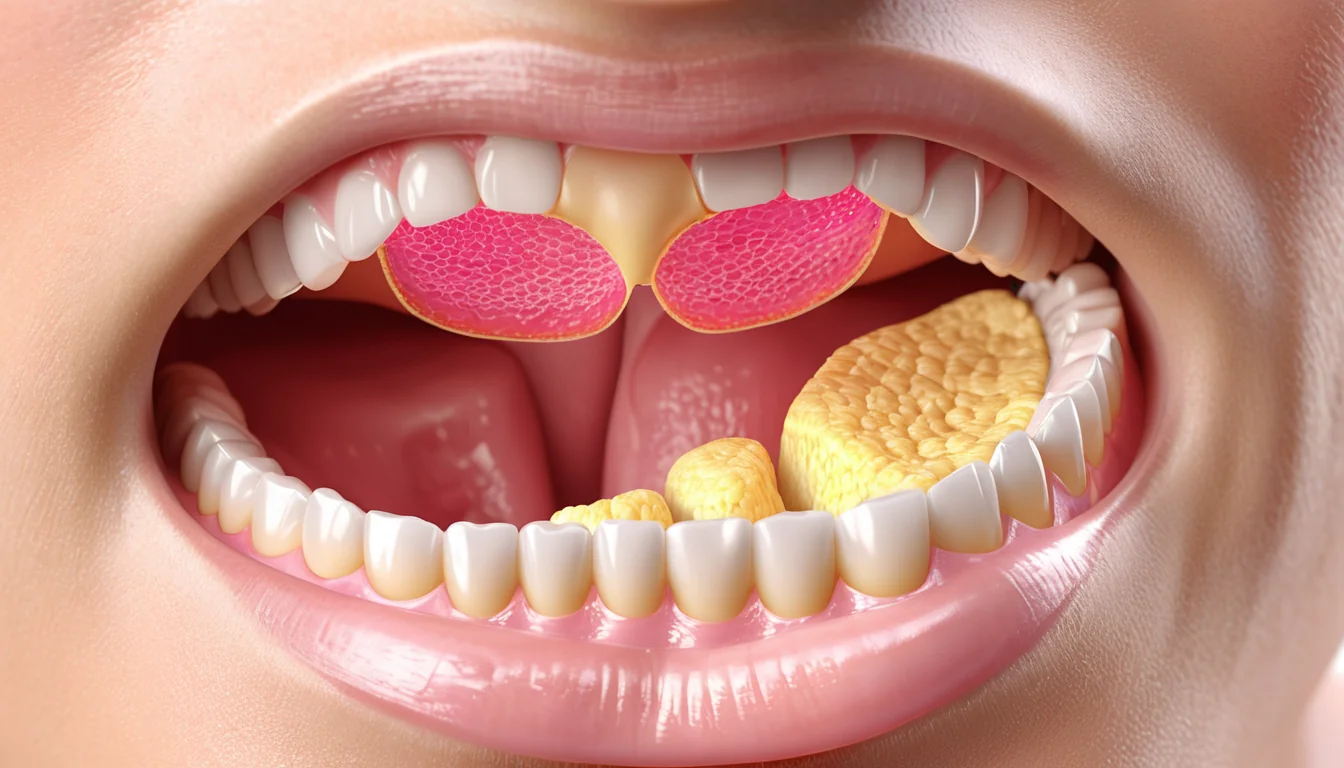
Mouth ulcers are small, painful sores that develop on the soft tissue lining the inside of your mouth, and they are one of the most common oral health complaints among Canadians of all ages. These sores can appear on your tongue, gums, inner cheeks, lips, or the roof of your mouth, and while most heal on their own within a few days, some types require medical attention.
What Causes Mouth Ulcers in Canadians?
Understanding the canker sores causes and triggers behind these lesions can help you manage discomfort and know when to seek care. Whether you experience a single sore or deal with recurring episodes, this guide covers everything Canadian readers need to know about diagnosis, treatment, and prevention.
What Are Mouth Ulcers?
| Type | Characteristics | Typical Duration | Management |
|---|---|---|---|
| Minor Aphthous Ulcers | Small, round or oval sores (under 10mm), white or yellow centre with red border; most common type of mouth ulcer | 7–14 days; heals without scarring | Salt water rinses, over-the-counter gels (e.g., benzocaine), avoid spicy or acidic foods |
| Major Aphthous Ulcers | Larger sores (over 10mm), deeper, irregular edges, more painful; may affect eating and speaking | 2–6 weeks; may heal with scarring | Prescription corticosteroid mouthwash or ointment; consult a physician or dentist if persistent |
| Herpetiform Ulcers | Clusters of multiple tiny sores (1–2mm) that may merge into larger irregular ulcers; not caused by herpes virus | 10–14 days; recurs frequently | Topical antiseptics, prescription medications for frequent recurrence; referral to specialist may be needed |
| Traumatic Ulcers | Caused by injury such as biting the cheek, ill-fitting dentures, or sharp foods; single ulcer at the site of injury | 7–10 days once irritant is removed | Remove the source of trauma; dental adjustment if denture-related; chlorhexidine mouthwash to prevent infection |
| Ulcers Associated with Underlying Conditions | Linked to conditions such as celiac disease, Crohn’s disease, or vitamin B12/iron deficiency; recurrent or slow to heal | Variable; recurs until underlying cause is treated | Diagnosis and treatment of underlying condition; blood tests recommended; referral to specialist through provincial health care |
A mouth ulcer is a loss or erosion of the delicate tissue that lines the inside of your mouth. This tissue is called the mucous membrane. The sore can appear on your tongue, gums, inner cheeks, lips, or the roof of your mouth.
Most mouth ulcers are harmless and clear up without treatment. However, recurring or unusually large ulcers may point to an underlying health issue that your family doctor or dentist should assess.
Types of Mouth Ulcers
Canker Sores (Aphthous Ulcers)
Canker sores are the most common type of mouth ulcer. They are recurring sores with no known cause and affect about one in five Canadians. Canker sores are not contagious and tend to appear in clusters on the gums, tongue, or inner cheeks.
These sores often show up during times of emotional stress or hormonal changes, such as menstruation. This suggests the immune system may play a role. A hidden trigger, such as a virus or allergic reaction, may also be involved.
Cold Sores
Cold sores are caused by the herpes simplex virus. Unlike canker sores, they are contagious and usually appear on or around the lips. They can also develop inside the mouth. Cold sores tend to be numerous and spread across the gums, tongue, and inner cheeks.
Oral Thrush
Oral thrush is a fungal infection caused by Candida. It creates white, creamy patches inside the mouth that can become ulcerated. Oral thrush is more common in babies, older adults, and people with weakened immune systems.
Common Causes of Mouth Ulcers
Mouth ulcers can develop for many different reasons. The most common cause is minor physical injury. In addition, infections, medications, and certain health conditions can all trigger mouth ulcers.
Common causes include:
- Accidentally biting the inside of your cheek or tongue
- Injury from a toothbrush slipping during brushing
- Constant rubbing from rough teeth, dentures, or braces
- Poor oral hygiene
- Burns from eating or drinking something too hot
- Irritation from strong antiseptic mouthwash
- Infection with Herpes simplex virus
- Oral thrush (Candida infection)
- Certain medications, including chemotherapy drugs
- Autoimmune conditions such as lichen planus
- Systemic diseases including diabetes, inflammatory bowel disease, and tuberculosis
- In rare cases, lip cancer or syphilis infection
Hand, foot, and mouth disease — a common childhood illness — can also cause mouth sores. If your child has sores along with a rash on their hands or feet, see your family doctor or visit a walk-in clinic.
Symptoms of Mouth Ulcers
The symptoms of mouth ulcers depend on the underlying cause. However, most people experience a combination of the following:
- A red or inflamed area inside the mouth
- Swollen tissue around the sore
- Pain or tenderness, especially when eating or drinking
- Difficulty chewing or brushing teeth because of discomfort
- Increased sensitivity to salty, spicy, or acidic foods
- Loss of appetite
Furthermore, if a fever is present alongside mouth sores, this may suggest a herpes simplex virus infection. In that case, medical assessment is recommended promptly.
How Are Mouth Ulcers Diagnosed?
Finding the cause of your mouth ulcers is important, especially if they keep coming back. Your family doctor, dentist, or walk-in clinic provider can help identify the cause through a few simple steps.
Physical Examination
A healthcare provider will look closely at the ulcers. The appearance can give important clues. For example, a large, yellowish ulcer often points to physical trauma. Numerous small sores spread across the gums and tongue may suggest a viral infection.
Blood Tests
Blood tests can check for signs of infection or inflammation. They can also help rule out underlying conditions such as diabetes or inflammatory bowel disease that may be contributing to recurring mouth ulcers.
Skin Biopsy
In some cases, a small sample of tissue from the ulcer may be sent to a laboratory for analysis. This is more common when the ulcer is unusually large, does not heal, or when cancer is a concern. Your doctor will refer you to a specialist if a biopsy is needed.
Treatment Options for Mouth Ulcers
Most mouth ulcers heal on their own within one to two weeks. Treatment focuses on easing discomfort and reducing the risk of complications. While you cannot speed up healing, several options can help manage symptoms effectively.
Home Care
You can manage mild mouth ulcers at home with simple steps. Try the following:
- Avoid spicy, salty, or acidic foods until the ulcer heals
- Drink plenty of fluids throughout the day
- Rinse your mouth regularly with warm salt water
- Take over-the-counter pain relief such as acetaminophen (paracetamol) as directed
Warm salt water rinses are a simple and effective remedy. Dissolve a small amount of table salt in a glass of warm water and gently rinse for 30 seconds. Repeat several times a day for best results.
Pharmacy and Prescription Treatments
Your pharmacist can recommend several products without a prescription. These include antiseptic gels applied directly to the ulcer and medicated mouthwashes that reduce bacteria and inflammation.
For more stubborn cases, a doctor may prescribe:
- Steroid gels or tablets to reduce inflammation
- Anti-inflammatory medication for recurring canker sores
- Antiviral medication for mouth ulcers caused by herpes simplex virus
- Antifungal medication for oral thrush
According to Health Canada, it is important to use medications only as directed and to speak with a healthcare provider if symptoms do not improve.
When to See a Doctor
Mouth ulcers are usually not serious. However, some situations call for a visit to your family doctor, dentist, or a local walk-in clinic.
You should seek medical advice if:
- Your mouth ulcer has not healed after two weeks
- You are getting mouth ulcers very frequently
- The ulcer is unusually large or extremely painful
- You have a fever along with the sores
- You have difficulty swallowing or speaking
- You notice white patches that cannot be wiped away
- You are concerned about a possible underlying condition
In Canada, you can speak with your family doctor, visit a walk-in clinic, or consult a pharmacist for guidance. If a more serious condition is suspected, your doctor will refer you to a specialist such as a dentist, oral surgeon, or internal medicine physician. For more information on finding care in your province, check your provincial health plan website.
As noted by the Mayo Clinic’s guide to canker sores, persistent or unusually large ulcers always warrant professional evaluation to rule out more serious causes.
How to Prevent Mouth Ulcers
You cannot always prevent mouth ulcers, but you can reduce how often they occur. Good oral hygiene and a few simple habits make a real difference.
Try these prevention tips:
- Brush your teeth at least twice a day, gently and carefully
- Use dental floss daily to clean between teeth
- Visit your dentist regularly for check-ups and cleanings
- Be careful when brushing to avoid slipping and injuring the soft tissue
- Manage underlying health conditions such as diabetes or inflammatory bowel disease
- Eat a balanced diet rich in vitamins and minerals, especially vitamin B12 and iron
Furthermore, reducing stress through regular physical activity, adequate sleep, and relaxation techniques may help lower the frequency of canker sore outbreaks. According to Healthline’s overview of mouth ulcers, nutritional deficiencies and stress are both linked to recurring aphthous ulcers.
Possible Complications
When left untreated, mouth ulcers can occasionally lead to complications. These are not common, but it is important to be aware of them.
Possible complications include:
- Bacterial infections spreading from the ulcer
- Inflammation of the mouth tissues (cellulitis)
- Dental abscesses, particularly if the ulcer is near a tooth
Therefore, if a mouth ulcer seems to be getting worse rather than better, do not ignore it. Early treatment prevents minor problems from becoming more serious ones.
How long do mouth ulcers last?
Most mouth ulcers heal on their own within one to two weeks. Canker sores typically clear up in seven to ten days without treatment. If your mouth ulcer lasts longer than two weeks, see your family doctor or visit a walk-in clinic.
Are mouth ulcers contagious?
Most mouth ulcers, including canker sores, are not contagious. However, mouth ulcers caused by the herpes simplex virus are contagious through direct contact. If you are unsure what type of mouth ulcer you have, avoid sharing utensils or kissing until you get it checked.
What causes recurring mouth ulcers?
Recurring mouth ulcers are often canker sores, which affect about one in five people. Stress, hormonal changes, nutritional deficiencies, and immune system responses are all thought to play a role. If mouth ulcers keep coming back frequently, speak with your doctor to rule out an underlying health condition.
Can I treat mouth ulcers at home?
Yes, mild mouth ulcers can often be managed at home. Rinsing with warm salt water, avoiding irritating foods, and applying over-the-counter antiseptic gels can all help ease discomfort. Your local pharmacist can recommend suitable products without a prescription.
When should I worry about a mouth ulcer?
You should see a doctor if a mouth ulcer does not heal after two weeks, is unusually large or painful, or keeps coming back. Mouth ulcers accompanied by fever, difficulty swallowing, or unexplained weight loss also need prompt medical attention. Your family doctor or a walk-in clinic can assess your symptoms and advise on next steps.
Do mouth ulcers mean I have a vitamin deficiency?
According to Mayo Clinic’s guide to canker sores, this information is supported by current medical research.
For more information, read our guide on listeria infection symptoms and treatment in Canada.
Recurring mouth ulcers can sometimes be linked to low levels of vitamin B12, iron, or folate. A simple blood test from your doctor can check for deficiencies. Eating a balanced diet with plenty of leafy greens, whole grains, and lean protein supports good oral health.
Key Takeaways
- Mouth ulcers are sores that form on the soft tissue inside your mouth and are very common in Canada.
- The most common cause is minor physical injury, such as accidentally biting your cheek.
- Most mouth ulcers heal on their own within one to two weeks and do not require treatment.
- Canker sores are recurring mouth ulcers with no known cause and affect about 20% of the population.
- Home care such as salt water rinses and over-the-counter gels can ease symptoms.
- See your family doctor, dentist, or visit a walk-in clinic if an ulcer lasts more than two weeks, is very painful, or keeps coming back.
- Always consult a healthcare professional before starting any new treatment, especially if you have an underlying health condition.
Frequently Asked Questions
What are mouth ulcers?
Mouth ulcers are small, painful sores that develop on the soft tissues inside your mouth, including the tongue, inner cheeks, gums, or lips. They appear as round or oval lesions with a white or yellow centre and red border. Most are harmless and heal on their own within one to two weeks.
What are the symptoms of mouth ulcers?
Common symptoms include a painful round sore inside the mouth, a red or swollen border around the lesion, burning or tingling sensation before the sore appears, difficulty eating or speaking, and sensitivity to spicy or acidic foods. Rarely, fever or swollen lymph nodes may occur with severe cases.
How do you treat mouth ulcers at home?
Most mouth ulcers heal without treatment. Home remedies include rinsing with warm salt water, applying over-the-counter gels like benzydamine or carbenoxolone, avoiding spicy or acidic foods, and using a soft toothbrush. Pharmacists in Canada can recommend topical anaesthetics or antiseptic mouthwashes to relieve pain and speed healing.
How can you prevent mouth ulcers from coming back?
To reduce recurrence, avoid known triggers such as stress, certain foods like citrus or chocolate, and mouth injuries from sharp foods or dental appliances. Maintain good oral hygiene, eat a balanced diet rich in vitamins B12, folate, and iron, and manage stress through regular exercise or relaxation techniques.
When should you see a doctor for mouth ulcers?
See a doctor or dentist if a mouth ulcer lasts longer than three weeks, is unusually large or extremely painful, returns frequently, is accompanied by fever, or if you notice new ulcers appearing before old ones heal. These signs may indicate an underlying condition requiring professional diagnosis and treatment.

About the Author
Dr. Sarah Mitchell, MDDr. Sarah Mitchell is a board-certified family physician with over 15 years of clinical experience. She completed her MD at the University of Toronto and her residency at Toronto General Hospital. Dr. Mitchell specializes in preventive medicine and chronic disease management. She is a member of the College of Family Physicians of Canada (CFPC) and has published over 30 peer-reviewed articles on preventive health care.
View all articles →

