Scoliosis in Children: Parent’s Guide for Canada

Share
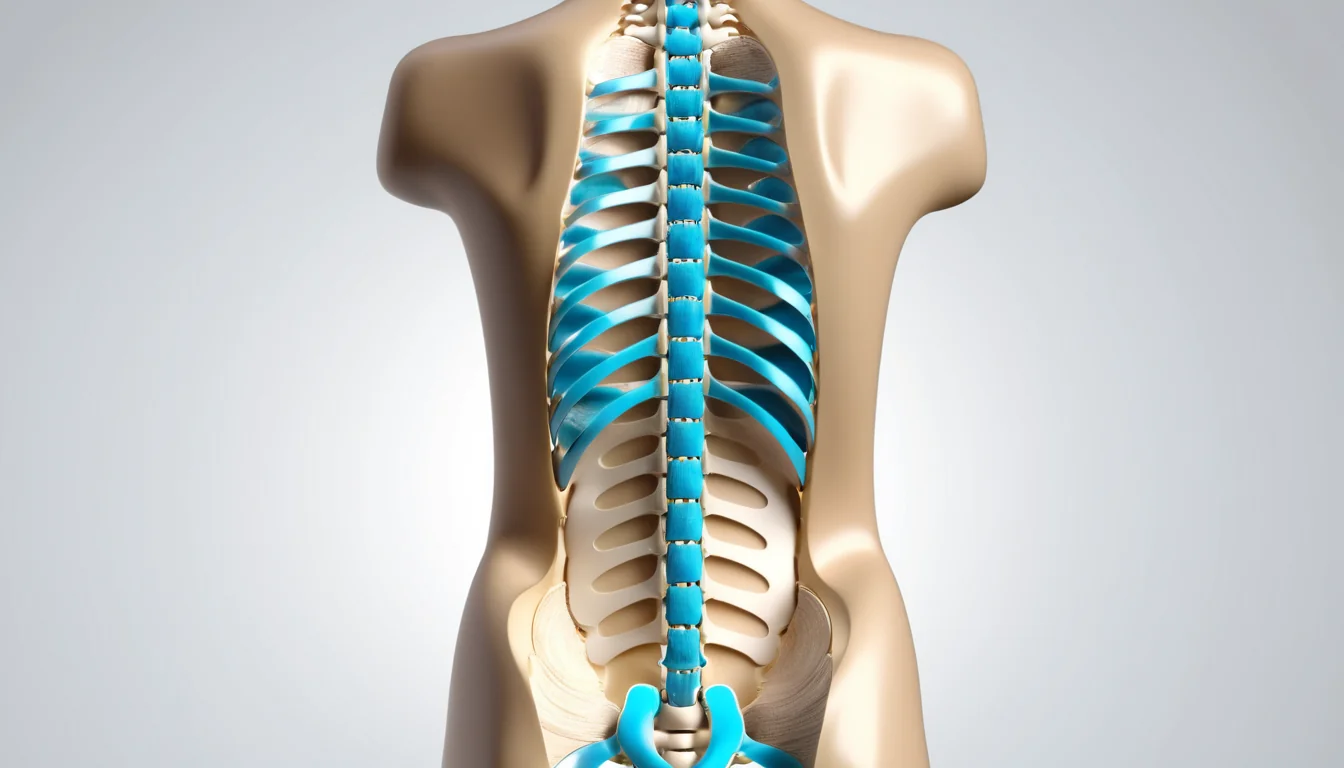
Scoliosis in children is a condition where the spine develops an abnormal sideways curve, sometimes accompanied by rotation. Instead of growing straight, the spine bends to the left or right, and the curve can range from mild (under 10 degrees) to severe (over 100 degrees in rare cases). This comprehensive parent’s guide covers everything Canadian families need to know — from the earliest warning signs to treatment options available through the healthcare system.
Understanding Scoliosis in Children: Types, Causes, and What Parents Should Know
Most cases of adolescent idiopathic scoliosis are detected during the teenage growth spurt, making early screening especially important. Whether your child has just been diagnosed or you suspect a spinal curve, understanding the condition helps you make informed decisions about monitoring, bracing, physiotherapy, and when surgery may be necessary in Canada.
What Is Scoliosis?
| Treatment Option | Best Suited For | Benefits | Considerations |
|---|---|---|---|
| Observation and Monitoring | Curves less than 25°; skeletally immature patients | Non-invasive; involves regular check-ups every 4–6 months with X-rays to track progression | Requires consistent follow-up; no active correction of the curve |
| Bracing (e.g., Boston or Rigo Chêneau brace) | Curves between 25°–45°; growing children and adolescents | Can halt or slow curve progression in up to 72% of cases when worn as directed | Must be worn 16–23 hours per day; may affect self-esteem and comfort |
| Physiotherapy (e.g., SEAS or Schroth Method) | All curve severities as a complement to other treatments | Improves posture, core strength, and pain management; widely available across Canadian provinces | Requires ongoing commitment; effectiveness varies by provider training and patient adherence |
| Spinal Fusion Surgery | Curves greater than 45°–50° or rapidly progressing curves | Permanently stabilizes the spine and significantly reduces curve magnitude | Involves general anesthesia, hospital stay of 3–5 days, and recovery of 6–12 months; wait times vary by province |
| Vertebral Body Tethering (VBT) | Curves between 35°–60°; skeletally immature patients | Motion-sparing alternative to fusion; allows continued spinal growth and flexibility | Newer procedure with limited long-term data; available at select Canadian pediatric centres |
Scoliosis is an abnormal sideways curve of the spine. It happens in a plane that causes the spine to rotate, not just bend. This is different from normal posture issues like slouching.
A mild curve may cause few or no problems. However, a more severe curve can affect a child’s posture, comfort, and quality of life. Most cases are detected during the teenage years, when the body is growing quickly.
Doctors measure spinal curves in degrees. A curve under 10 degrees is considered normal variation. A curve of 10 degrees or more is diagnosed as scoliosis. Curves over 40 to 50 degrees may need surgical treatment.
Types and Causes of Scoliosis in Children
The cause of scoliosis depends on the type. Understanding the type helps doctors plan the best treatment.
Idiopathic Scoliosis
This is the most common type in children and teens. Idiopathic means the cause is unknown. However, it tends to run in families, which suggests a genetic link. If a parent or sibling has scoliosis, your child has a higher chance of developing it too.
Idiopathic scoliosis is further grouped by age. Infantile idiopathic scoliosis appears before age three. Juvenile idiopathic scoliosis develops between ages three and ten. Adolescent idiopathic scoliosis — the most common form — begins during the teenage years.
Congenital Scoliosis
This rare form is present at birth. It happens when the vertebrae (the bones of the spine) do not form properly in the womb. Congenital scoliosis is usually identified shortly after birth or in early childhood.
Neuromuscular Scoliosis
This type is caused by problems with the muscles or nerves that support the spine. Conditions such as cerebral palsy, muscular dystrophy, and spina bifida can lead to this form of scoliosis. It often progresses more quickly and may need earlier treatment.
Signs and Symptoms to Watch For
Scoliosis in children often causes no pain at first. In fact, many cases are found during a routine school screening or a check-up with a family doctor. However, there are physical signs that parents can look for at home.
Common signs of scoliosis include:
- One shoulder sitting higher than the other
- One shoulder blade sticking out more than the other
- An uneven waist or hips
- The body leaning slightly to one side
- One side of the ribcage appearing more prominent when bending forward
As scoliosis progresses, other symptoms may appear. These can include back pain, fatigue after sitting or standing, and in severe cases, a feeling of pressure or numbness in the legs. Tingling or weakness in the arms or legs can also occur if the curved spine puts pressure on nearby nerves.
Furthermore, changes in body shape — such as uneven hips or a visible curve in the back — may become more noticeable over time. For many teens, this can affect self-confidence and emotional well-being.
How Scoliosis Is Diagnosed
If you or your child’s school nurse notices signs of scoliosis, the next step is a visit to your family doctor. Diagnosis involves a combination of physical examination and imaging tests.
Physical Examination
Your doctor will ask about family history, when changes were first noticed, and whether there is any pain. They will then examine your child’s spine, posture, and the range of motion in their back.
One of the most common screening tools is the Adam’s forward bend test. Your child bends forward at the waist with arms hanging down. This position makes it easier for the doctor to see any asymmetry in the ribs or spine. It is simple, painless, and takes only a few seconds.
The doctor will also test reflexes, muscle strength, and sensation. This helps rule out neuromuscular causes and assess nerve involvement.
Imaging Tests
When scoliosis is suspected, the doctor will usually recommend a full-spine X-ray. This allows an accurate measurement of the curve. In some cases, an MRI or CT scan may be needed to look at the spinal cord and surrounding tissues in more detail.
According to Mayo Clinic’s scoliosis diagnosis guidelines, measuring the Cobb angle on an X-ray is the standard method for determining the severity of a spinal curve.
Treatment Options for Scoliosis in Children
The right treatment depends on the size of the curve, the child’s age, and how quickly the spine is changing. Most cases of scoliosis in children do not need surgery. Treatment focuses on managing symptoms and preventing the curve from worsening.
Observation and Regular Monitoring
For mild curves (under 25 degrees), regular check-ups are usually all that is needed. Your child’s doctor will schedule follow-up appointments every four to six months. These visits track whether the curve is staying stable or getting worse.
This approach is common under provincial health plans across Canada. Your family doctor can coordinate referrals to a pediatric orthopaedic specialist as needed.
Bracing
For moderate curves (25 to 40 degrees) in children who are still growing, a back brace is often recommended. The brace does not straighten the spine. However, it helps stop the curve from getting worse during the growth years.
Braces are most effective when worn as directed — often 16 to 23 hours per day. Modern braces are designed to fit under clothing and allow most normal activities. Your child’s orthopaedic specialist will determine the right type of brace based on the location and size of the curve.
Physiotherapy and Exercise
Physiotherapy plays an important role in managing scoliosis. A registered physiotherapist can teach exercises that strengthen the muscles around the spine and improve posture and flexibility. In Canada, physiotherapy services may be partially covered under some provincial health plans or extended health benefits.
Recommended activities often include swimming, daily stretching, and specific posture-improvement exercises. Staying physically active is important for overall spine health. In addition, if your child smokes or is exposed to secondhand smoke, quitting is essential — smoking speeds up spinal degeneration.
For more detail on exercise and spinal health, Healthline’s guide to scoliosis exercises offers practical, evidence-based suggestions.
Pain Management
Scoliosis itself is often painless in children. However, if discomfort does occur, your doctor may recommend over-the-counter anti-inflammatory medications such as ibuprofen. Heat therapy and gentle massage can also help relieve muscle tension around the spine.
If pain does not improve with physiotherapy and medication, a specialist may consider nerve block injections or epidural treatments. These are forms of targeted local anaesthetic that reduce nerve pain directly at the source.
When Is Surgery Needed?
Surgery is considered a last resort. It is only recommended when other treatments have not worked or when the curve is severe enough to affect health and function.
Scoliosis surgery may be recommended for one or more of these reasons:
- Severe, unmanageable pain that does not respond to other treatments
- Spinal imbalance, where the curve has progressed so far that the head and neck are no longer centred over the pelvis
- Rapidly worsening curves in young patients who are still growing
- Significant impact on quality of life, including breathing difficulties caused by rib cage deformity
The most common surgical procedure is spinal fusion. The surgeon uses bone grafts and metal rods, screws, or hooks to straighten and stabilise the spine. Thanks to advances in modern surgical techniques, many of these procedures are now less invasive, with faster recovery times than in previous decades.
As noted by Health Canada, decisions about surgical treatment should always involve a thorough discussion between the patient, their family, and a qualified medical specialist.
When to See a Doctor
You should book an appointment with your family doctor if you notice any of the physical signs mentioned above in your child. Early detection leads to better outcomes. Do not wait to see if the curve corrects itself — it rarely does without intervention.
If you do not have a family doctor, a walk-in clinic can perform an initial assessment and refer your child to the right specialist. Most provinces also offer pediatric orthopaedic clinics through regional children’s hospitals.
Seek care sooner if your child experiences back pain, changes in bladder or bowel function, or weakness and tingling in the legs. These may indicate that the spine is placing pressure on nerves and needs prompt attention.
Always speak with a qualified healthcare provider before starting or changing any treatment plan. The information in this article is for educational purposes only and does not replace professional medical advice.
Frequently Asked Questions About Scoliosis in Children
At what age is scoliosis most commonly diagnosed in children?
Scoliosis in children is most often diagnosed during adolescence, typically between ages 10 and 15. This is when the body goes through its most rapid growth, which can cause an existing curve to worsen quickly. However, some forms — such as congenital scoliosis — can be identified at birth or in early childhood.
Can scoliosis in children get better on its own?
In most cases, scoliosis does not correct itself without treatment. Mild curves in younger children may sometimes stabilise, but moderate to severe curves tend to progress — especially during growth spurts. Regular monitoring by a doctor is the best way to catch any changes early.
Is scoliosis painful for children and teenagers?
Scoliosis itself is often painless in children and teens. However, as the curve progresses or as associated muscle imbalances develop, some discomfort or back pain can occur. Pain is more common in adults with long-standing scoliosis, particularly when conditions like arthritis are also present.
Does a scoliosis brace have to be worn all day?
Most braces are prescribed to be worn between 16 and 23 hours per day for the best results. The more consistently the brace is worn, the more effective it is at preventing the curve from worsening during growth. Your child’s orthopaedic specialist will give specific guidance based on the type and severity of the scoliosis.
Is scoliosis hereditary?
Idiopathic scoliosis — the most common form of scoliosis in children — does appear to run in families. If a parent, sibling, or close relative has scoliosis, your child has a higher chance of developing it as well. Researchers believe genetic factors play a role, though no single gene has been identified as the definitive cause.
Can children with scoliosis still play sports?
According to Mayo Clinic’s overview of scoliosis, this information is supported by current medical research.
For more information, read our guide on low back surgery options in Canada.
Yes, most children with scoliosis can and should stay physically active. Exercise helps strengthen the muscles around the spine and supports overall health. Activities like swimming, yoga, and walking are commonly recommended. However, it is always best to check with your doctor or physiotherapist before starting a new sport or activity.
Key Takeaways
- Scoliosis in children is an abnormal sideways and rotational curve of the spine, most often diagnosed during the teen years.
- The most common form is idiopathic scoliosis, which has no known single cause but tends to run in families.
- Early signs include uneven shoulders, an asymmetrical waist, or one shoulder blade sticking out more than the other.
- Diagnosis involves a physical exam and, when needed, a full-spine X-ray to measure the curve accurately.
- Most cases are managed without surgery, using a combination of observation, bracing, physiotherapy, and exercise.
- Surgery is a last resort, recommended only for severe curves or significant impact on quality of life.
- If you notice signs of scoliosis in your child, speak with your family doctor or walk-in clinic as soon as possible. Early action leads to better results.
Frequently Asked Questions
What is scoliosis in children?
Scoliosis in children is an abnormal sideways curvature of the spine, forming an S or C shape. It most commonly develops during growth spurts before puberty. While the exact cause is often unknown (idiopathic), it affects about 2-3% of children and is more common in girls than boys.
What are the early signs and symptoms of scoliosis in children?
Early signs of scoliosis in children include uneven shoulders or hips, one shoulder blade protruding more than the other, a visible curve in the spine, uneven waistline, or the body leaning to one side. In mild cases, there is typically no pain, making routine screening especially important.
How is scoliosis treated in Canada?
Scoliosis treatment in Canada depends on curve severity. Mild curves (under 25°) are monitored with regular checkups. Moderate curves (25–45°) are often treated with a back brace worn daily. Severe curves over 45–50° may require surgery, typically spinal fusion, performed at pediatric hospitals across the country.
Can scoliosis in children be prevented?
Idiopathic scoliosis, the most common type in children, cannot be prevented as its cause is unknown. However, early detection through school screenings or routine pediatric checkups can prevent the curve from worsening. Regular monitoring allows Canadian healthcare providers to intervene before the condition requires more aggressive treatment.
When should I take my child to see a doctor for scoliosis?
See a doctor if you notice uneven shoulders, hips, or a visible spinal curve in your child. You should also seek evaluation if your child complains of persistent back pain or if scoliosis runs in your family. Early assessment by a Canadian pediatrician or orthopedic specialist improves treatment outcomes significantly.

About the Author
Dr. Sarah Mitchell, MDDr. Sarah Mitchell is a board-certified family physician with over 15 years of clinical experience. She completed her MD at the University of Toronto and her residency at Toronto General Hospital. Dr. Mitchell specializes in preventive medicine and chronic disease management. She is a member of the College of Family Physicians of Canada (CFPC) and has published over 30 peer-reviewed articles on preventive health care.
View all articles →